
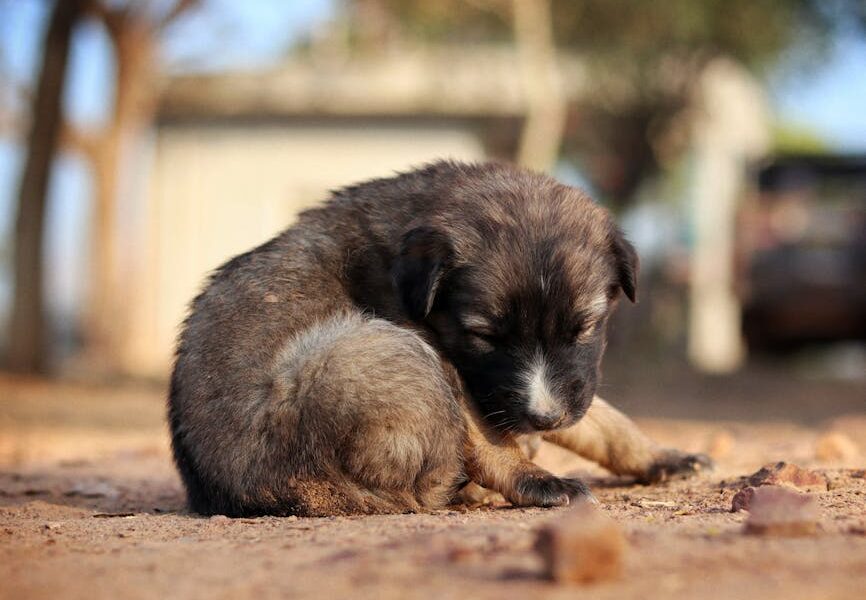
Raising an LGD Puppy: The First-Year Mindset
Raising an LGD puppy is less like training a pet and more like patiently growing a working partner over a year or two. The work of raising LGD puppy prospects rewards patience above all. A livestock guardian dog matures slowly, and the choices you make in its first months set the trajectory for whether it becomes a trustworthy guardian or a problem dog. The guiding principle, drawn from Raymond Coppinger’s foundational work and the United States Department of Agriculture’s Agricultural Research Service (USDA-ARS) livestock guardian dog studies, is that you shape and supervise the dog’s natural instincts rather than drilling commands into it.
In this article
That mindset matters because guardian pups go through clumsy, mouthy stages that look alarming to owners expecting an instant guardian. Knowing what is normal, what needs correction, and when to step back is the heart of raising LGD puppy candidates well.
A Practical Timeline
While every dog is an individual, most guardian pups follow a recognizable developmental arc:
- 8 to 16 weeks: The critical bonding window. The pup lives in safe, supervised contact with calm stock, sleeping near them and learning that the animals are its social group. This is when the foundation is laid.
- 4 to 6 months: Curiosity and confidence grow. Supervision remains heavy as the pup explores boundaries and may begin testing stock with play.
- 6 to 12 months: Adolescence, the riskiest stage. Mouthiness, chasing, and rough play peak. Consistent correction and managed freedom are essential here.
- 12 to 18 months: Maturing judgment. The dog begins to settle into reliable patrolling and protective behavior, though lapses still occur.
- 18 months to 2 years: Reliability. Most guardians become consistently trustworthy in this range, finally working largely on their own.
The deeper mechanics of that early bonding window are covered in our guide to LGD bonding to livestock and puppy imprinting. The timeline above is the scaffolding around which everything else is built.
Setting Up for Success
Start the pup in a secure bonding area adjacent to or among gentle, dog-tolerant stock, with a creep zone it can retreat to for food, water, and rest away from hooves. Calm adult ewes or does make better first companions than skittish or aggressive animals that might injure or frighten the pup during its formative weeks.
Keep the pup’s world centered on the animals. Limit house time and excessive human cuddling so the dog’s primary bond forms with the stock rather than with people. This is hard for owners who fall for a fluffy puppy, but a guardian over-bonded to humans tends to follow you around instead of staying with its flock.
Good fencing is non-negotiable from the start. Guardian pups that learn early they can escape become roamers, one of the most common adult problems, discussed in our guide to LGD problem behaviors including roaming and nuisance barking.
Choose calm, dog-experienced stock for the pup’s first companions. A skittish ewe that bolts and slams into a pen, or an aggressive ram or doe that head-butts the pup, can frighten or injure a young dog at exactly the wrong developmental moment. The animals are effectively the pup’s teachers during bonding, so you want them to be steady, tolerant individuals that neither terrorize the pup nor invite it to chase. Many experienced handlers keep a few especially dog-savvy animals specifically for raising young guardians.
Common Mistakes to Avoid
Most guardian failures trace back to a handful of preventable errors:
- Expecting adult reliability too soon. Punishing a pup for being a pup, or giving up when an adolescent chases, ignores normal development.
- Over-socializing with people. Treating the guardian like a house pet shifts its bond away from the stock.
- Too much freedom too early. Turning a young pup loose on large acreage before it is bonded and reliable invites roaming and trouble.
- Ignoring chase. Letting an adolescent run stock “in play” allows a dangerous habit to set.
- Weak fencing. Letting a pup discover it can leave teaches a lifelong escape habit.
Each of these is far easier to prevent than to fix once the dog is grown, which is why steady supervision through the first two years pays off.
A subtler mistake is inconsistency between household members. If one person allows the pup in the house and showers it with play while another tries to keep it stock-focused, the dog receives mixed messages about where it belongs. Everyone involved with the pup should agree on the plan: how much human contact, what behaviors get interrupted, and where the dog sleeps. Consistency from all handlers does as much for a developing guardian as any single technique.
When to Intervene and When to Step Back
The art of raising an LGD puppy lies in knowing when to act. Intervene immediately when the pup chases, grips wool, body-slams stock, or shows fear or escape behavior. Calm, consistent interruption and redirection, paired with temporarily reduced freedom, usually resolves adolescent rough play before it hardens.
Step back when the pup is simply being curious, resting among the animals, investigating its environment, or making normal social overtures to calm stock. Hovering and over-correcting can stifle the independence a guardian needs to develop. Trainers differ on how firm corrections should be, and our overview of the force-free versus balanced training debate lays out the legitimate views; whichever approach you favor, fairness and consistency matter more than force.
Raising LGD Puppy Health: Supporting Development
A growing guardian needs appropriate nutrition for a large, slow-maturing breed, parasite prevention, and routine veterinary care, all discussed with your veterinarian rather than self-prescribed. Large-breed pups in particular benefit from controlled growth to protect developing joints, so talk to your veterinarian about an appropriate large-breed diet and growth plan.
Physical and mental development go together. A pup with a secure setup, calm stock companions, fair supervision, and good husbandry has the best chance of growing into the calm, confident guardian described in our livestock guardian dog working role overview.
Patience Pays Off
The hardest part of raising an LGD puppy is the waiting. For a year or more you invest supervision and management with little visible payoff, watching a goofy adolescent that does not yet resemble a working guardian. Owners who lose patience and either over-correct or give up too early are the ones who end up with failed dogs.
Those who stay the course are rewarded with an animal that may guard reliably for a decade. If at any point a particular dog clearly is not suited to the work despite good rearing, that is not a failure of the animal; many such dogs become excellent companions in the right home, sometimes through rescue.
An experienced mentor is one of the best investments you can make while raising your first guardian. Whether through a local working-dog community, a breeder who supports their pups, or an organization such as the Livestock Guardian Dog Association, having someone who can look at a behavior and tell you whether it is normal adolescence or a genuine concern saves enormous worry and prevents over-correction. First-time owners frequently panic at perfectly normal puppy antics or, conversely, miss early warning signs; a seasoned guide helps you read your dog accurately.
Keep a simple log of milestones if it helps you stay grounded: the first time the pup chooses to bed down with the stock, the first alert bark at a real disturbance, the first stretch of staying with the animals when given freedom. These markers accumulate slowly and reassure you that the bond is forming even when the dog still looks like an unfinished, goofy adolescent. Measuring progress by behavior rather than by the calendar keeps your expectations realistic and your patience intact.
Frequently Asked Questions
At what age can an LGD puppy be left alone with stock?
Not until it is reliably bonded and past the worst of adolescence, usually somewhere between eighteen months and two years. Younger pups need supervision and managed freedom, since unsupervised adolescents may chase or roam.
Should I keep my LGD puppy in the house?
Generally no. Raising an LGD puppy means centering its world on the stock so the bond forms with the animals, not with people. Limited handling is fine, but excessive house time shifts the dog’s attachment toward humans.
My LGD puppy is chasing the goats. Is that normal?
Chasing during adolescence is common but must be interrupted and redirected immediately, with reduced freedom if needed. Allowed to continue, it becomes a dangerous habit, so consistent correction during this stage is essential.
How long does it take to raise a reliable guardian dog?
Most guardians are not consistently trustworthy until around eighteen months to two years of age. These breeds mature slowly, so patience and steady supervision through the first two years are part of the job.
What if my LGD puppy never bonds to the stock?
Some dogs do not take to the work despite good rearing. That is not a failure of the animal, and many become wonderful companions in the right home. Discuss the individual dog’s behavior with an experienced mentor before deciding.


