
Last updated: May 23, 2026
In this article
- What the Rescue-Only Model Is
- How the Partnership Works Operationally
- Why the Model Expanded
- What Adopters Experience at a Store-Hosted Adoption Event
- Cat-Specific Operations
- Dog-Specific Operations
- The Commercial-Breeder-Reform Connection
- Finding a Rescue-Only Store Adoption
- For Adopters of Former Mill Survivors
- Looking Forward
- Frequently Asked Questions
What the Rescue-Only Model Is
The rescue-only pet store adoption model is a partnership framework under which a retail pet store hosts shelter and rescue organizations on its premises for adoption events and visible adoption space, instead of selling commercially bred puppies and kittens. Under this model, the store provides retail space, foot traffic, and supplies; the partnering shelter or rescue provides adoptable animals, screens adopters, processes the adoption application and contract, and receives the adoption fee. The store is not the seller of the animal — it is the venue and the supply-retail partner.
This model expanded substantially after California Assembly Bill 485 took effect in 2019, the first US statewide retail pet sales ban. See CA AB 485 for the legislative framework. As subsequent state bans followed in Maryland, Illinois, New York, New Jersey, and Maine, the rescue-only adoption model became the prevailing retail pet store practice in those states. This article is informational, not legal advice; consult an animal-law attorney via aldf.org for partnership or operational legal questions.
How the Partnership Works Operationally
A typical rescue-only partnership operates as follows. The pet store dedicates a defined section of its retail space to host adoptable animals (cats are most commonly housed in long-term retail-floor housing because cats decompress well in cat-room settings; dogs are typically hosted at scheduled weekly adoption events because dog-housing on a retail floor presents welfare and decompression challenges). The partnering rescue or shelter provides the animals, vetted to a defined health and behavior standard. The rescue’s adoption application, screening process, and contract apply.
The store handles foot traffic and provides volunteers or staff support; the rescue handles adoption decisions, post-adoption support, and any returns. The adoption fee flows to the rescue, not to the store. The store may provide complementary “starter kit” supplies as part of the adoption package, providing a soft commercial benefit (the new adopter is likely to purchase supplies, food, and accessories at that store going forward).
Why the Model Expanded
The rescue-only model expanded for two converging reasons. First, state retail pet sales bans (and the 410+ municipal ordinances; see state retail pet sales bans roundup) made commercial puppy and kitten retail unlawful in covered jurisdictions, forcing operators to either exit the dog/cat/rabbit market entirely or transition to the rescue-only model. Second, some major national pet-store chains had already begun voluntarily transitioning to the rescue-only model before legal compulsion applied, in response to documented welfare concerns about commercial breeding and to consumer demand for ethical retail practice.
Foundation-funded programs supporting the rescue-only transition — including Petco Love (formerly Petco Foundation) and similar — provided grant funding to rescue partners, adoption-event support, and operational expertise. See Petco Love for the foundation-program detail. The combination of legal compulsion, voluntary corporate transition, and foundation grant support catalyzed the model into widespread practice over roughly five years.
What Adopters Experience at a Store-Hosted Adoption Event
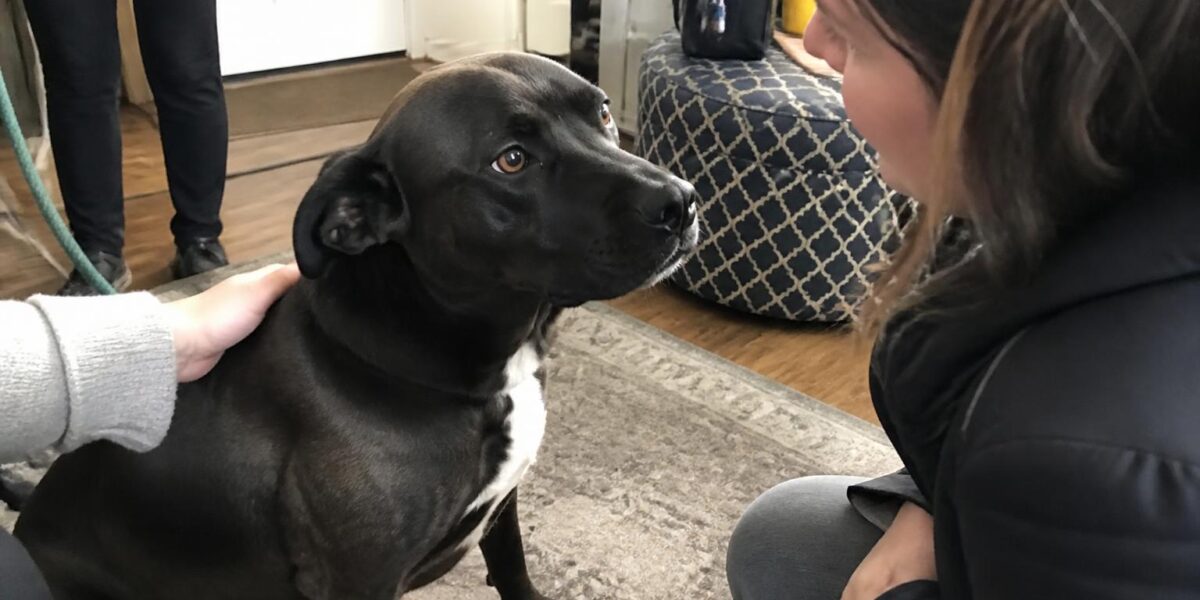
If you encounter a dog or cat at a participating pet store, the adoption process is the rescue’s process, not the store’s. You will complete the rescue’s adoption application, which typically asks about housing, household composition, prior pet experience, and routine. You will speak with rescue staff or volunteers — sometimes on-site, sometimes by phone follow-up. The rescue may require a reference check, vet reference call, or follow-up home visit depending on its standard protocol. The adoption fee covers the rescue’s spay/neuter, vaccinations, microchip, and intake medical work; it does not go to the store as commercial sale revenue.
Post-adoption support — including the rescue’s return policy, behavior support, and check-in protocol — runs through the rescue, not the store. Treat the in-store experience as an adoption event that happens to be hosted in retail space, rather than as a purchase from the retailer.
Cat-Specific Operations
Cats are particularly well-suited to retail-floor adoption housing. Many adoption-floor cat rooms host shelter-sourced cats long-term until adoption, with daily care provided by store staff and rescue volunteers. The retail-floor cat-room model has been credited with substantially increasing adoption rates for less-adopted cats — black cats, adult cats, senior cats, and cats with special needs benefit from prolonged visibility and adopter interaction.
Dog-Specific Operations
Dogs are typically hosted at scheduled adoption events rather than in long-term retail-floor housing. The reason is welfare: prolonged retail-floor confinement is generally not in a dog’s welfare interest because of the noise, traffic, and decompression challenges of a busy retail environment. Adoption events — typically weekend half-day or full-day events — bring foster-housed adoptable dogs to the retail location for adopter meetings, with the dogs returning to their foster homes between events. This model lets the retail space provide foot traffic without imposing prolonged-confinement welfare costs on the dogs.
Rescue adoption event planning has its own operational discipline — staffing, animal selection, decompression breaks during the event, application processing flow, and follow-up commitments all matter.
The Commercial-Breeder-Reform Connection
The rescue-only model is part of the broader commercial-breeder-reform policy framework. The state retail pet sales bans removed the brick-and-mortar retail channel for commercially bred puppies; the rescue-only model fills the retail space with adoption-pipeline rescue partnerships instead. The combined effect is to shift consumer awareness about where companion animals come from and to direct retail foot traffic toward the adoption pipeline.
The model does not, by itself, address online direct-to-consumer commercial sales — that gap is addressed (if at all) by the proposed PUPS Act federal reform. See USDA Class A/B/C licensing for the underlying regulatory framework and the architecture the PUPS Act would modify. This is informational, not legal advice; verify current legislative status.
Finding a Rescue-Only Store Adoption
If you want to adopt through a store-hosted adoption event, the easiest path is to check participating-store websites for adoption-event schedules in your area. National pet-store chains commonly post weekend adoption-event schedules; local independent stores often post on social media. Petfinder and Adopt a Pet aggregate adoptable-animal listings that include store-hosted events for participating rescues. The broader rescue-search framework — vetting accredited rescues, checking 501(c)(3) status, reviewing adoption contracts — applies in full.
For Adopters of Former Mill Survivors
Some animals encountered at store adoption events are former breeding parents or former-mill puppies that ended up in the rescue pipeline. These dogs typically have specific decompression and behavior needs distinct from owner-surrender or stray-intake dogs. If you are adopting a former-mill survivor, see adopting a puppy mill survivor for the specific support framework. The rescue providing the dog will typically share intake background and decompression guidance during the adoption process.
Looking Forward
The rescue-only model is most established in states with retail pet sales bans, but participating national pet-store chains operate the model in many states regardless of state-level ban status. Expansion is likely to continue. For prospective adopters, the practical takeaway: the retail pet store experience for dog, cat, and rabbit adoption is increasingly an adoption-event experience rather than a commercial purchase experience, and the surrounding adoption-pipeline operational discipline (applications, screening, contracts, post-adoption support) applies in full. See why adopt a pet for the adoption-first framing.
Frequently Asked Questions
Do I pay the store or the rescue?
You pay the adoption fee to the rescue, not to the store. The store provides the retail venue; the rescue provides the animal and conducts the adoption. Supplies and starter-kit purchases are separate transactions with the store.
Can I return an adopted animal to the store?
Returns typically go back to the rescue under the rescue’s return policy, not to the store. The rescue contract you signed governs return mechanics.
Are the animals fully vetted before adoption?
Reputable participating rescues complete intake medical and behavior work before placement at store-hosted events. Standards vary by rescue; ask the rescue’s staff or volunteers about specific intake protocols, including spay/neuter status, vaccinations, microchip, and any known medical or behavior history.
Does the rescue-only model exist outside of states with retail sales bans?
Yes. Many national pet-store chains operate rescue-only adoption partnerships in all states they serve, regardless of state-level retail-sales-ban status. The model began voluntarily in some chains before any specific ban applied.
Are puppies available at store-hosted events?
Sometimes — adoption-event animals vary by what local rescues have available. Puppies, kittens, adult dogs and cats, seniors, and special-needs animals all appear at various events. Build relationships with multiple participating rescues if you have specific age or breed preferences. This article is informational, not legal advice; consult an animal-law attorney for specific transaction questions via aldf.org.


