
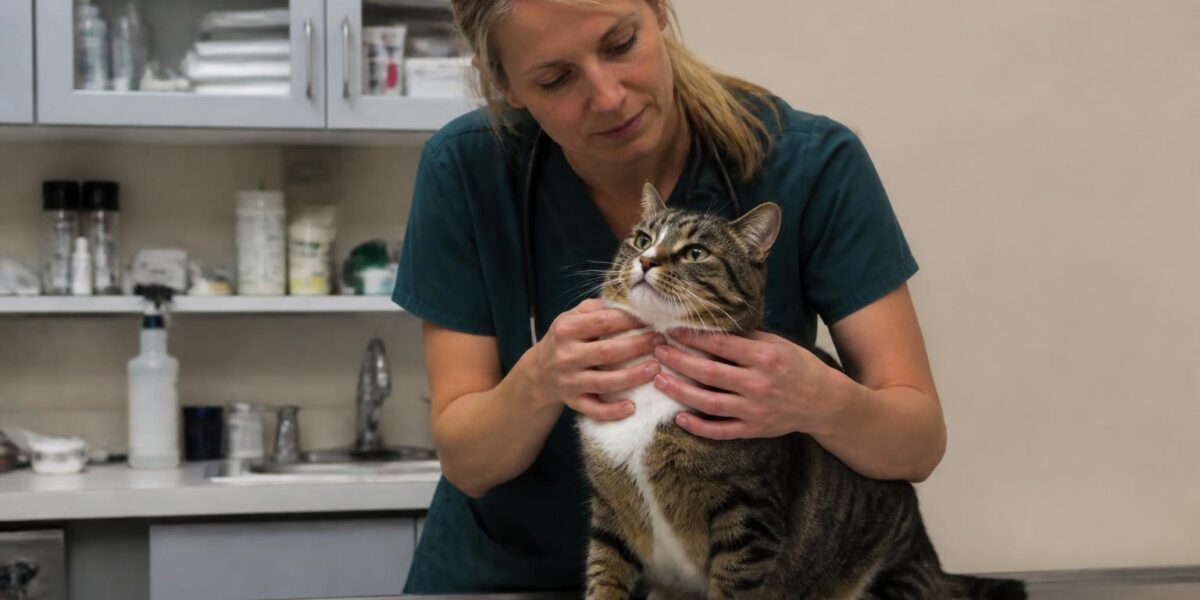
What Restrictive Cardiomyopathy Is
Restrictive cardiomyopathy in cats, often abbreviated RCM, is a heart muscle disease where the walls of the left ventricle become stiff and unable to relax properly between beats. The chamber size may look almost normal on an echocardiogram, but the muscle simply cannot fill with blood the way it should. That stiffness, called diastolic dysfunction, is the central problem and the reason RCM looks so different from a “weak pump” disease like dilated cardiomyopathy.
In this article
- What Restrictive Cardiomyopathy Is
- How RCM Differs from HCM and DCM
- Symptoms Owners Notice First
- The FATE Risk Every RCM Owner Should Know
- How a Cardiology Workup Unfolds
- Medical Management Options
- Lifestyle and Home Care
- Prognosis and What to Expect
- The Cost Reality
- When to Call the Vet Versus the ER
- Frequently Asked Questions
RCM is the third most common feline cardiomyopathy after hypertrophic cardiomyopathy (HCM) and unclassified forms. It tends to show up in middle-aged to senior cats and often gets diagnosed once a cat has already developed signs of heart failure or has thrown a clot. Because the early phase is silent, many cats go years without anyone suspecting their heart at all.
If your vet has just used the words “restrictive cardiomyopathy” in conversation, you are not alone in feeling blindsided. This is a disease that hides well, then announces itself loudly. Understanding how the workup unfolds and what your treatment plan will look like makes the next few weeks feel less chaotic and helps you make the calm decisions that matter most.
How RCM Differs from HCM and DCM
Cats with hypertrophic cardiomyopathy have a thickened left ventricular wall — the muscle gets too big. Cats with dilated cardiomyopathy have a stretched, weak ventricle that contracts poorly. Restrictive cats sit in a different category: the wall thickness can be normal or only mildly increased, and the contraction often looks acceptable, but the chamber refuses to relax. Pressure backs up into the left atrium, which dilates dramatically.
That huge atrium is a hallmark of RCM and is where most of the trouble starts. A massive, sluggish left atrium creates two specific risks: congestive heart failure when fluid spills into the lungs or chest, and arterial thromboembolism when a blood clot forms in the slow-flowing chamber and shoots out into the body. Both can be the very first thing you notice.
For a broader overview of feline cardiomyopathy categories and how they are related, the cat cardiomyopathy pillar walks through the differences in plain language. The shared theme across HCM, RCM, and the unclassified group is left atrial enlargement and clot risk, which is why your vet’s screening questions sound similar across the three diseases.
Symptoms Owners Notice First
Cats are masters at hiding heart disease. They lower their activity, sleep more, and skip the play sessions you would normally count on — and you assume they are just getting older. The first obvious sign of RCM is often acute and dramatic rather than subtle and gradual.
Watch for these red flags that warrant a same-day vet visit:
- Open-mouth breathing or panting at rest
- Belly breathing with visible abdominal effort
- Sudden hind-leg paralysis with cold, painful legs (clot to the back legs — see below)
- Collapse or fainting episodes
- Unexplained weight loss or muscle wasting
- Pale or bluish gums
Subtler hints that should still earn a checkup include a new exercise intolerance, hiding more than usual, decreased appetite over weeks, and a general “off” demeanor. A heart murmur or gallop sound found incidentally during a wellness exam is another common entry point — your vet will press for an echocardiogram precisely because RCM cats can have completely normal-sounding hearts on a stethoscope right up until they decompensate.
The FATE Risk Every RCM Owner Should Know
Feline aortic thromboembolism, called FATE or “saddle thrombus,” is the most feared complication of RCM and HCM. A clot forms in the dilated left atrium, gets pumped out through the aorta, and lodges where the aorta splits to feed the back legs. The cat suddenly cannot use the hind legs, vocalizes in severe pain, and the legs feel cold. It is a true emergency.
FATE is devastating. Many cats do not survive the first event, and those that do face significant rehabilitation, ongoing pain control, and a recurrence risk. Read the dedicated feline aortic thromboembolism (FATE) guide for the full clinical picture and the home-monitoring framework that helps you act quickly if it ever happens.
Because the clot risk is so high, almost every cat with RCM will go home on antithrombotic therapy. Your vet will choose between clopidogrel and a low molecular weight heparin or a direct oral anticoagulant, weighing the cat’s bleeding risk against the clot risk. This is a long-term medication, not a short course.
How a Cardiology Workup Unfolds
Suspecting RCM and proving RCM are two different things, and the gap between them is filled with imaging. Your primary vet will start the path, and most cases earn a referral to a board-certified cardiologist (an ACVIM-Cardiology diplomate) for definitive imaging and a treatment plan.
Expect a workup that includes:
- A thorough history and physical exam, listening for a murmur or gallop
- Blood pressure, because hypertension can mimic or worsen heart disease
- Bloodwork including a thyroid panel — hyperthyroidism causes secondary heart muscle changes
- NT-proBNP — a blood biomarker that is elevated when the heart muscle is stressed
- Chest radiographs, looking for an enlarged heart silhouette and pulmonary edema or pleural effusion
- An echocardiogram (cardiac ultrasound), which is the test that actually nails the diagnosis
- An ECG if an arrhythmia is suspected, especially atrial fibrillation
The echocardiogram is non-negotiable for diagnosing RCM. Only ultrasound can show the relationship between near-normal wall thickness, severely enlarged atrium, and stiff diastolic filling that defines the disease. If your primary vet is not equipped for advanced echo, ask for a referral — this is a case where general thoracic radiographs alone cannot tell you what kind of cardiomyopathy is present.
Medical Management Options
RCM cannot be cured. Treatment is about controlling congestive signs, reducing clot risk, and keeping your cat comfortable for as long as possible. Drug categories your vet will consider include diuretics like furosemide for fluid management, ACE inhibitors and other neurohormonal blockers for cardiac remodeling pressure, and antithrombotics for clot prevention. Specific doses are vet-determined based on your cat’s weight, kidney function, and electrolyte status — there is no one-size-fits-all protocol.
Cats already in heart failure may need an overnight hospitalization in an oxygen cage with injectable diuretics before they can be safely sent home. Once stabilized, the goal shifts to oral medications and a careful monitoring schedule. Many cats live well at home for months to years on a stable regimen, with rechecks every three to six months.
For an overview of how feline heart disease in general is managed, the cat heart disease guide explains the broader treatment categories. Discuss any over-the-counter supplements with your vet first — fish oil and taurine are reasonable considerations, but RCM is not a taurine-deficient disease in cats the way old-style DCM was.
Lifestyle and Home Care
An RCM diagnosis is a lifestyle adjustment as much as a medical one. Your cat will need a stress-reduced household, predictable routines, and easy access to food, water, and litter so that no part of daily life requires exertion. Multi-cat homes may benefit from separate resting zones if there is conflict that adds adrenaline to your cat’s day.
Track these at home and share with your vet at every recheck:
- Resting respiratory rate (RRR) — count breaths per minute while your cat is sleeping; under 30 is normal, persistently above 40 is a red flag
- Appetite changes
- Body weight (a small digital postal scale works well for cats)
- Activity level versus baseline
- Any episodes of weakness, hiding, or open-mouth breathing
Resting respiratory rate is the single most useful home metric in feline heart disease. A trend upward from your cat’s normal range often precedes overt heart failure by several days, giving you a window to call your vet before the lungs flood. Keep a simple log on your phone.
Prognosis and What to Expect
RCM prognosis varies significantly based on stage at diagnosis, response to therapy, and whether a clot event occurs. Asymptomatic cats picked up incidentally on an echocardiogram often do well for an extended period on antithrombotic therapy alone. Cats already in heart failure at diagnosis face a more guarded outlook but can still have a meaningful run of stable months with attentive care. Cats who survive a FATE event live with both the underlying RCM and the recurrence risk.
Your cardiologist will give you a staged answer rather than a number. “Guarded but treatable,” “good chance of months to a year-plus with stable therapy,” and “watch for these specific decline signs” are the kinds of statements you should expect, not survival percentages. Specific time frames are unhelpful because individual cats vary so much.
If RCM progresses despite therapy and you find yourself thinking about quality-of-life decisions, the ASPCA Pet Loss Hotline at 877-474-3310 is a free resource for emotional support, and your vet can walk you through hospice approaches before the very end. Many owners find quality-of-life scoring tools helpful — your vet can share one to keep your decision-making grounded in what your cat is actually experiencing.
The Cost Reality
RCM workups and ongoing care add up. Echocardiograms with a board-certified cardiologist are a specialist-level expense, ongoing medications run monthly, and any hospitalization for heart failure or FATE quickly enters thousands-of-dollars territory. There is no single national price for any of these — your area, your specialist, and your cat’s specific needs all shift the figure.
If you suspect a cat with murmur, gallop, or a family history of cardiomyopathy may be in your future, look at pet insurance for cats before any heart disease has been diagnosed. Pre-existing exclusions matter enormously here. Existing pet owners should review the veterinary specialist cost breakdown and ask their vet about itemized estimates and CareCredit options before scheduling the cardiology referral.
Adopters considering a senior cat or a cat already diagnosed with a heart condition can still provide a wonderful home — the adopting a cat with heart murmur guide walks through what to expect financially and medically. Heart-disease cats are deeply adoptable when adopters know what they are signing up for.
When to Call the Vet Versus the ER
Call your primary vet during business hours for: subtle changes in appetite or activity, gradual weight loss, mild but persistent resting respiratory rates above your cat’s normal, or a single mild coughing episode that resolves quickly.
Go to the emergency vet immediately for: open-mouth breathing or panting, belly breathing, sudden hind-leg weakness or paralysis, sustained respiratory rate above 50 at rest, collapse, or persistent vomiting plus lethargy in a cat already on cardiac medications. Pulmonary edema and FATE are time-sensitive. Calling first to let them know you are coming is helpful but never delay leaving for the ER.
Print your cat’s medication list, including doses and last administration time, and keep it on your fridge. If you ever end up at an unfamiliar emergency hospital, that single sheet of paper saves your team valuable minutes during stabilization. Your cardiologist will also provide an emergency contact protocol — keep that number saved in your phone.
Frequently Asked Questions
Is restrictive cardiomyopathy the same as HCM in cats?
No, RCM and HCM are different forms of feline cardiomyopathy. HCM thickens the heart muscle, while RCM stiffens it without significantly thickening it. They share the consequences of left atrial enlargement and clot risk, which is why monitoring and antithrombotic therapy look similar between them. Echocardiography distinguishes them definitively.
Can RCM in cats be cured?
RCM cannot be cured, but it can often be managed. Treatment focuses on controlling fluid buildup, preventing clots, and reducing the workload on the heart. Many cats live months to years on stable medication regimens with attentive home monitoring. Your cardiologist will tailor the plan to your individual cat’s stage and response.
What breeds are predisposed to restrictive cardiomyopathy?
RCM is most often seen in middle-aged to senior Domestic Shorthair and longhair cats and does not have the same strong breed-genetic linkage that HCM shows in Maine Coons and Ragdolls. Any cat can develop it, which is one reason routine senior wellness exams matter — your vet may catch a murmur or gallop before symptoms begin.
How is feline RCM diagnosed?
Diagnosis requires an echocardiogram, ideally performed by a board-certified veterinary cardiologist. Bloodwork including NT-proBNP and a thyroid panel, chest radiographs, blood pressure, and an ECG support the workup, but ultrasound is the only test that confirms the stiff-ventricle, dilated-atrium pattern that defines RCM. Ask your primary vet for an ACVIM-Cardiology referral if a heart murmur or gallop is detected.
What should I do if my RCM cat suddenly cannot use the back legs?
Treat this as a true emergency and go directly to the nearest open veterinary hospital. Sudden hind-leg paralysis with cold, painful legs in a cat with cardiomyopathy strongly suggests aortic thromboembolism (FATE). Time matters for pain control, anticoagulation decisions, and quality-of-life conversations. Call ahead while a second person drives if possible, and bring your cat’s medication list.


