Last updated: May 6, 2026
In this article
- Why a Senior Cat Only Home Works So Well
- What Counts as a Senior Cat
- Why Quiet Homes Are the Best Match
- Choosing the Right Senior Cat
- Common Senior Cat Health Issues
- Arthritis Is Underdiagnosed
- Setting Up Your Home
- The First Two Weeks
- Diet and Hydration
- Play and Mental Stimulation
- Daily Life and What to Watch
- Building the Bond
- Common Behavioral Quirks in Older Cats
- The Honest Time Horizon
- Frequently Asked Questions
Why a Senior Cat Only Home Works So Well
Senior cat only adoption is one of the most satisfying matches in the rescue world. Older cats are calm, low-demand, affectionate on their own terms, and ideally suited to quiet households — single adults, retirees, work-from-home professionals, and apartment dwellers. They don’t need another pet for company, they don’t want chaos, and they thrive in environments that mirror their own preferences for stillness.
This guide walks you through choosing a senior cat, setting up a single-cat home, and the realistic medical and lifestyle commitments that come with bringing home an eight-plus or twelve-plus cat. The rewards are quiet, deep, and well worth the trade-offs.
What Counts as a Senior Cat
Most veterinary organizations classify cats as senior starting around age eleven and geriatric around fifteen. Cats age eight to ten are sometimes called “mature” and may not yet show senior signs. A healthy adopted senior cat at twelve can easily live another four to seven years; many reach eighteen or beyond with good care.
Ask the shelter or rescue for the most recent senior wellness panel — bloodwork, urine, blood pressure, and a thyroid level. These four screenings catch the most common senior cat issues early. The senior cat care checklist walks through what to monitor at home.
Why Quiet Homes Are the Best Match
Senior cats need predictable, low-stimulation environments. Loud children running through the house, multiple resident dogs, busy social households with frequent visitors — these stress older cats in ways that show up as appetite loss, hiding, inappropriate elimination, and unmasked medical issues. A quiet single-cat home, even a small studio apartment, is often the perfect fit.
The “only” in senior cat only adoption isn’t a deprivation. Many older cats lived as the sole pet in their previous home and would actively prefer not to share territory with another cat or a dog. Single-cat life lets them claim every windowsill, every sunbeam, and every lap as theirs.
Choosing the Right Senior Cat
Visit the cat in person if possible. Sit on the floor, don’t approach, and let the cat decide whether to investigate. A confident senior may walk over and headbutt your hand. A shy one may watch from a perch. Both can be good matches; what you’re looking for is whether the cat’s energy fits the home you can offer.
Ask the foster or shelter staff specific questions. How does the cat do at the vet? Does the cat use the litter box reliably? How does the cat respond to being picked up? Has the cat shown any food preferences or aversions? Does the cat sleep through the night or wander? Concrete answers beat vague reassurances.
Common Senior Cat Health Issues
The big four senior cat conditions are chronic kidney disease, hyperthyroidism, diabetes, and arthritis. Many adoptable seniors come with one or more already diagnosed and managed. Don’t let a diagnosis scare you off — most are manageable with diet, medication, or regular bloodwork.
Dental disease is nearly universal in senior cats and is often undertreated. Plan for at least one dental cleaning under anesthesia in your cat’s first two years with you, and ask the rescue when the last dental was done. Untreated dental disease causes appetite loss, weight loss, and chronic discomfort.
Arthritis Is Underdiagnosed
Most senior cats have arthritis. They hide it well — cats don’t limp obviously the way dogs do. Watch for missed jumps, hesitation getting onto the couch, stiff gait after sleeping, less grooming on the back half, and reduced playfulness. The osteoarthritis in cats guide covers what to discuss with your vet. Veterinary studies suggest the majority of senior cats have measurable joint changes whether or not they show obvious signs.
Newer treatments specifically for cat arthritis pain have come to market in recent years. Talk to your vet about options. Home modifications also matter: pet stairs to favorite perches, low-sided litter boxes, food and water bowls at a comfortable height, and warm sleeping spots away from drafts.
Setting Up Your Home
Senior cats benefit from a thoughtful setup before they arrive. Provide:
- An orthopedic or warming bed in a quiet, draft-free spot
- A low-sided litter box on every floor (one per floor minimum)
- Easy-access water in multiple rooms — older cats drink more
- A pet ramp or steps to favorite perches if needed
- Runners or rugs over slick hardwood floors
- A high perch with easy approach, not a hard jump
Skip the cat tower with three flights of climbing — most older cats won’t use it. A single sunny window with a heated pad is worth more than fancy furniture.
The First Two Weeks
Older cats decompress faster than kittens but still need a slow introduction. Confine your new cat to one quiet room for the first three to seven days with all resources — bed, food, water, litter, hiding spot. Sit in the room and read out loud or work on your laptop, letting the cat approach on their schedule.
Once your cat is confidently coming out and seeking attention, open the door and let them explore the rest of the house at their pace. Keep the original room set up as their safe base for several more weeks. Most senior cats fully settle in within two to four weeks. Watch for hiding under furniture; mark the spots and respect them as safe zones rather than forcing the cat out.
Diet and Hydration
Most senior cats benefit from at least partial wet food because they don’t drink enough water on their own. Wet food adds significant moisture and supports kidney health. If your cat has a specific medical diagnosis like kidney disease or diabetes, your vet will prescribe a therapeutic diet — follow it strictly. Switching food in older cats is best done gradually over a week or two; sudden changes can trigger appetite shutdown that’s hard to reverse.
Water fountains often work better than bowls because moving water encourages drinking. Keep multiple stations around the house. Watch food intake daily, not weekly — a senior cat skipping a meal deserves attention, not a wait-and-see approach.
Play and Mental Stimulation
Senior cats still need play, just at a slower pace. A wand toy moved gently across the floor for five to ten minutes twice a day satisfies most older cats. Avoid toys that demand running and jumping; opt for ground-based prey simulation that stays low and predictable. Puzzle feeders make mealtime mentally engaging without physical strain.
Window perches with bird feeders outside provide endless interest. Pet-safe grass kits indoors give cats something to nibble. Rotating toys keeps interest fresh — pull half of them away, swap weekly. Most senior cats appreciate the mental stimulation more than they appreciate the physical exertion.
Daily Life and What to Watch
Successful senior cat owners weigh the cat monthly (a kitchen scale and a small box work fine), notice litter box patterns, scoop daily so changes are visible, and book annual or twice-yearly senior wellness visits. Bloodwork twice a year is reasonable for most cats over twelve. The quality of life scale for cats becomes a useful tool further down the road.
Flag for the vet promptly: increased thirst or urination, weight loss, appetite changes lasting more than a day, vomiting more than once a week, hiding more than usual, or breath that smells unusually strong. Cats hide illness; your job is noticing what they hide.
Building the Bond
Bonding with a senior cat looks different than bonding with a kitten. Kittens bond through play; seniors bond through stillness. Sit nearby with a book. Brush them gently if they enjoy it. Talk softly. Offer treats from your palm rather than tossing them. Let the cat decide when to sit on your lap and how long to stay.
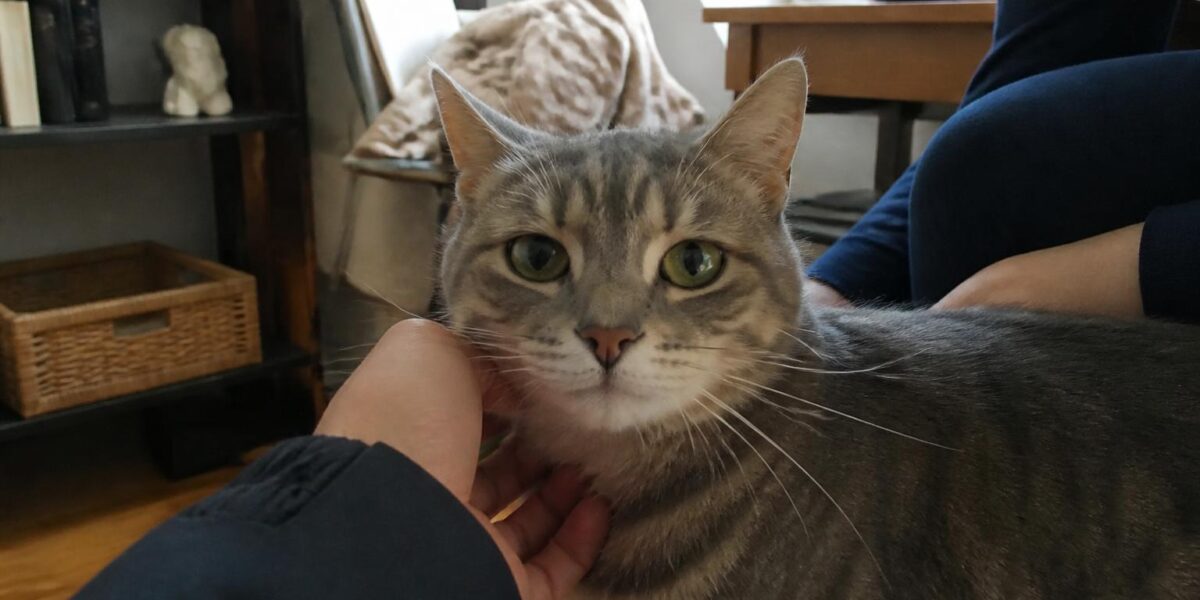
Many senior cats become deeply affectionate within weeks but in subtle ways. They follow you between rooms. They purr when you walk past. They sleep on the bed at your feet. They headbutt your hand when you pet them. The relationship deepens through low-key consistency rather than dramatic moments.
Common Behavioral Quirks in Older Cats
Some senior cats develop habits that seem strange but are usually benign — vocalizing more, especially at night; staring at walls or into corners; pacing for short periods; preferring a specific human over others. Most of these are normal aging variations. Severe or sudden changes warrant a vet visit to rule out hyperthyroidism, blood pressure changes, or feline cognitive dysfunction.
The feline cognitive dysfunction syndrome guide covers when to be concerned and what helps. Most older cats stay cognitively sharp into their late teens; the small percentage who don’t can often be supported with environmental adjustments, dietary support, and sometimes medication.
The Honest Time Horizon
Adopting a senior cat means signing up for the last chapter of their life. Some adopters get ten years. Some get one. The grief at the end is real, and the rescue community has resources to help — many offer pet loss support groups, and the ASPCA pet loss hotline is available at 877-474-3310.
What you give in return is enormous. Most senior cats in shelters are surrendered through no fault of their own — owner-deceased cases, allergy diagnoses, life changes — and they sit waiting in cages while younger cats get adopted around them. The home you offer is the home they need. If that resonates, browse the cat adoption hub filtered for older cats, or check rescues that specialize in seniors. The cat care archive covers the day-to-day specifics of cohabiting with an older cat in a single-cat home.
Many breed-specific rescues, all-cat sanctuaries, and senior-focused groups maintain waiting lists of older cats specifically. They’ll often pre-screen for fit, transport across state lines, and provide ongoing support after the adoption. These rescues exist because senior cats are often invisible in the broader shelter system — finding the right organization is half the work.
Frequently Asked Questions
How long do adopted senior cats usually live?
It varies widely with health status, but a healthy adopted twelve-year-old cat often has four to seven more years. Many cats live well into their late teens with good care.
Can a senior cat live in a small apartment?
Yes — apartments are often ideal for senior cats. Less space to navigate, less chaos, and easier to monitor. A sunny window and a few comfortable rest spots are more important than square footage.
Do senior cats need special food?
Many do. Senior or therapeutic diets address common concerns like kidney function, joint support, and weight management. Your vet will recommend based on your cat’s bloodwork and condition.
Will my senior cat use the litter box reliably?
Usually yes, especially with low-sided boxes and one per floor. Inappropriate elimination in seniors often signals a medical issue (urinary tract infection, kidney disease, arthritis pain) and deserves a vet visit, not assumed misbehavior.
Should I adopt two senior cats together?
Bonded pairs can be wonderful, but most senior cats prefer solo life. Don’t add a second cat to a single senior’s home unless the cat is documented as cat-friendly. Forced cohabitation stresses both cats.