
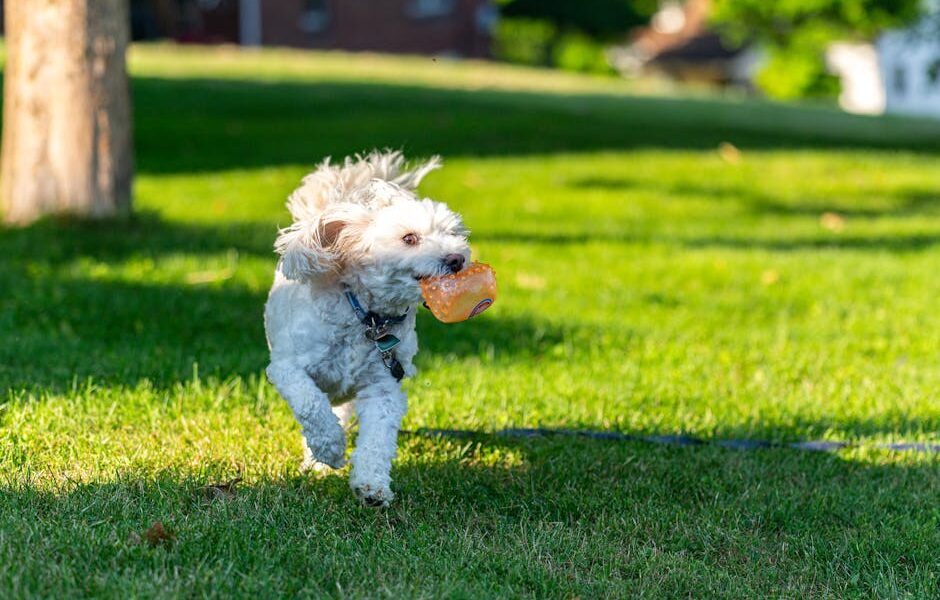
Movement Is Medicine for Senior Pets
Senior pet low-impact exercise is the daily counter-pressure to arthritis, sarcopenia, cognitive decline, and weight gain. A senior who stops moving loses muscle quickly — and muscle is what supports failing joints, regulates metabolism, and protects against falls. The right exercise plan, sustained for years, often does more for quality of life than any single medication or supplement. The wrong exercise plan can hurt your senior fast.
In this article
- Movement Is Medicine for Senior Pets
- Baseline Assessment Before You Start
- Short, Frequent Walks Beat Long Walks
- Sniff Walks: The Best Hidden Tool
- Hydrotherapy and Underwater Treadmill
- Gentle Range-of-Motion at Home
- Strength and Balance Work
- What to Avoid
- Putting It All Together
- Weather and Surface Considerations
- Tracking Progress Over Months
- Frequently Asked Questions
The shift from young-adult exercise to senior exercise is mostly about three things: lower impact (no jumping, no concrete sprints, no rough play), shorter sessions (multiple small walks beat one long walk), and more recovery (rest days are part of the plan). Cognitive activity matters too — sniff walks engage the brain without taxing joints. Done well, this is what keeps a 13-year-old mobile, alert, and engaged for years.
Baseline Assessment Before You Start
Talk with your vet before designing or expanding an exercise plan for a senior pet. The vet checks orthopedic status, cardiac function (a heart murmur or arrhythmia changes what is safe), pain levels (an under-medicated arthritic pet should not be exercising more), and any conditions that require modified activity. If your senior is on chronic medications, the vet ensures they are optimized first.
For dogs with significant arthritis, post-surgical recovery, or neurologic disease, a referral to a Certified Canine Rehabilitation Practitioner (CCRP) or Certified Canine Rehabilitation Therapist (CCRT) is worth its cost — see canine rehabilitation overview. These specialists design exercise prescriptions, supervise progress, and adapt as your senior changes. Most pet parents underestimate how much a few rehab sessions can extend functional mobility.
Short, Frequent Walks Beat Long Walks
For most senior dogs, three or four 10- to 15-minute walks across the day work far better than one 60-minute walk. Short walks let muscles warm up, work, and recover without crossing into the inflammation zone that triggers next-day stiffness. The classic “weekend warrior” pattern — minimal activity Monday through Friday, big hike Saturday — is brutal on senior joints. Spread the volume.
Walk on softer surfaces when possible: grass, dirt trails, packed sand. Concrete and asphalt are hard on joints and burn paw pads in hot weather. Pace your senior — let them set the speed. A leisurely 15 minutes at their pace is exercise; a forced 30 minutes at your pace is injury risk. Match daily total volume to your dog’s recovery — next-day stiffness means yesterday was too long.
Sniff Walks: The Best Hidden Tool
A sniff walk — where the dog leads, stops, sniffs, and explores at their own pace — is one of the most underrated senior exercise modalities. Sniffing engages the brain, calms the nervous system, satisfies natural exploration drives, and provides physical activity without joint strain. A 20-minute sniff walk can leave a senior dog as content and tired as a 45-minute structured walk.
Use a longer leash (10 to 15 feet) in safe areas where it is allowed, and let your dog choose the route. Resist the urge to keep moving — the stops are the point. For dogs with leash-pulling habits, see teaching dog loose leash walking for the basics; gentle loose-leash technique pairs well with sniff walks. For dogs whose owners walk daily as part of their own routines, see best dogs for seniors who walk daily.
Hydrotherapy and Underwater Treadmill
Underwater treadmill is the gold-standard low-impact exercise for arthritic, post-surgical, and neurologic senior dogs. Water buoyancy reduces weight-bearing on joints, water resistance builds muscle, and the controlled environment lets a rehab therapist titrate exactly how much work is happening. Most CCRP and rehab clinics offer underwater treadmill sessions on a per-session basis.
For pool-based hydrotherapy, look for clinics with senior-experienced staff who can support a frail dog in and out of the water. Cats rarely tolerate aquatic therapy, but a small percentage with severe arthritis or neurologic issues do benefit — see hydrotherapy for cats. For dogs, see hydrotherapy for dogs underwater treadmill for what sessions look like and how to find a clinic.
Gentle Range-of-Motion at Home
Passive range-of-motion (ROM) exercises — moving a joint gently through its comfortable range without active muscle engagement — keep joints lubricated and tissues flexible. A CCRP or rehab vet can teach you ROM for each major joint: shoulder, elbow, hip, knee, hock. Done 5 to 10 minutes per side per day, ROM maintains flexibility in dogs who cannot exercise actively much.
Stop at the first sign of resistance, vocalization, or guarding. ROM should never hurt. If your senior tenses, slow down or stop. For cats, gentle stretching during petting sessions and play that encourages reaching often substitutes for formal ROM. Some post-operative seniors continue therapeutic exercise long after the formal recovery window — see post-operative therapeutic exercise for the broader framework.
Strength and Balance Work
Core and hip strength keep seniors stable. Simple at-home options include: standing on a balance disc or wobble cushion under supervision, slow figure-eight walking around two cones, sit-to-stand repetitions on a non-slip surface (5 to 8 reps, 1 to 2 times daily), and walking over low cavaletti poles laid on the ground (encourages high-stepping and proprioception).
Build slowly. Two sets of five sit-to-stands on Monday becomes three sets by next month — patience pays. Always stop if your senior shows fatigue or discomfort. Strength work should leave your pet alert and tired, not exhausted. For cats, play that encourages stretching and gentle hunting (slow wand toys, food puzzles placed at progressively challenging spots) provides similar benefit.
What to Avoid
Avoid high-impact activities for most senior pets: jumping off furniture or out of vehicles, fetch on hard ground (the repeated stops and starts are tough on joints), agility-style work, and rough play with younger dogs. Avoid extreme weather walks — heat exhaustion and frostbite both happen faster to seniors. Avoid sudden starts and stops, which are common injury triggers.
Watch for warning signs during and after exercise: limping, refusing to continue, panting beyond expected, post-exercise stiffness lasting more than 24 hours, decreased appetite, or hiding. These are signals to back off, reassess pain control, and possibly involve your vet. Pushing through these signs creates a cycle of injury and rest that gradually erodes mobility.
Putting It All Together
A typical senior dog week might look like: two short walks daily (morning and evening), one sniff walk midweek, two ROM sessions during the week, one hydrotherapy session per week or two, sit-to-stand strength on alternate days, and one full rest day. Adjust for your pet’s tolerance and your schedule. Consistency beats intensity.
For cats, structure around play. Two or three 10-minute interactive play sessions daily (wand toys, food puzzles, gentle chase games) maintain mobility. Climbing options at multiple heights with ramp or step access keep core and limb strength up. Sniff and food-foraging puzzles activate the brain. Cats who play stay younger longer.
Weather and Surface Considerations
Senior pets handle weather extremes worse than younger pets. In hot months, walk during the cooler morning and evening hours and avoid hot pavement (test with the back of your hand — if you cannot hold it on the surface for five seconds, it is too hot for paw pads). Provide ample shade and water. Heat exhaustion in seniors progresses rapidly and is a true emergency.
In cold months, brief walks are fine but watch for shivering, paw lifting, or reluctance — signs that your senior is cold. Doggy coats and booties help thin-coated breeds and short-haired seniors. Salt and de-icing chemicals irritate paw pads; wipe paws after winter walks and consider paw balm or booties. For indoor exercise when weather is severe, hallway walks, gentle treat-search games, and short stair work (where appropriate) substitute for outdoor walks.
Tracking Progress Over Months
A simple weekly note about your senior’s mobility helps you see trends that day-to-day observation misses. Note: how easily they rose from sleep this morning, how long they wanted to walk, any hesitation on stairs, any limping, mood and energy at evening. Pair this with monthly weight checks (a senior gaining or losing 10 percent of body weight warrants a vet conversation).
Over weeks and months these notes reveal what is working. A consistent decline despite a stable plan signals that pain control or the exercise prescription itself needs adjustment. A consistent improvement is your reward — keep doing what you are doing. Bring these notes to vet visits; they are gold for clinical decisions and far more useful than a vague “she seems pretty good.”
Frequently Asked Questions
How long should a senior dog walk be?
Most senior dogs do well with 10 to 20 minute walks, 2 to 4 times daily. Adjust to your dog’s condition. A walk that leaves your senior stiff the next day was too long.
Is fetch okay for senior dogs?
Repeated sprinting and stopping is hard on arthritic joints. Some seniors enjoy slow, low-tosses on grass; high-velocity fetch on hard surfaces should be retired.
Can I exercise my arthritic dog through pain?
No. Get pain under control first. Exercising in pain causes more inflammation and risks injury. Talk with your vet about multimodal pain management before increasing activity.
Are stairs okay for senior dogs?
Some seniors handle stairs fine; others should not. Watch for slipping, pausing, or hesitation. Use ramps or carry small dogs when stairs become a struggle.
How do I exercise a senior cat?
Short interactive play sessions with wand toys and food puzzles. Climbing structures with easy access. Predictable timing helps cats with cognitive decline stay engaged.


