
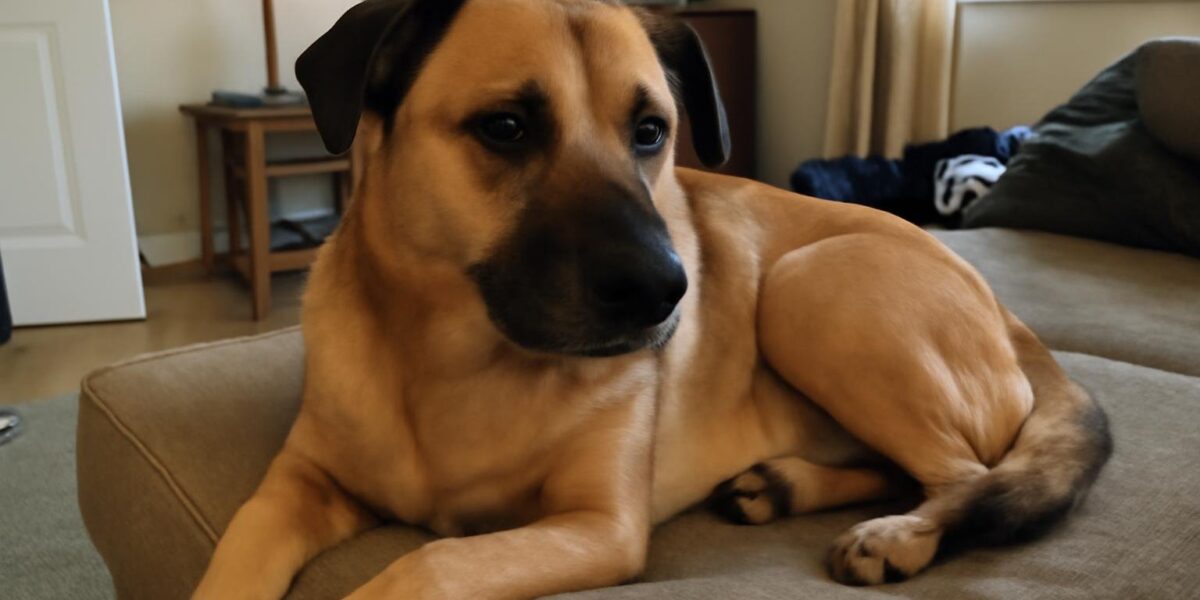
Should I shave my dog in summer? For most double-coated dogs — think Huskies, Golden Retrievers, German Shepherds, Pomeranians, Border Collies, and similar breeds — the honest answer is a clear no. It feels intuitive that less fur means a cooler dog, but a double coat actually insulates against heat as well as cold, and shaving it can leave your dog hotter, sunburned, and at risk of permanent coat damage. There are exceptions for certain single-coated or severely matted dogs, but for the typical fluffy dog, the kindest summer move is regular brushing, not the clippers.
In this article
This is one of those welfare topics where good intentions backfire, so it’s worth understanding the science before you reach for a trimmer or hand your dog to a groomer with a “shave it all off” request. A dog’s coat isn’t just a sweater you can remove for the season — it’s a living climate-control system that works in both directions.
Once you see how the coat actually functions, the “summer shave” idea looks a lot less helpful and a lot more risky. Let’s walk through why, which dogs are the exceptions, and what genuinely keeps a furry dog comfortable when the temperature climbs.
Why a Double Coat Keeps Dogs Cool, Not Hot
Double-coated breeds have two layers: a dense, soft undercoat and a longer, protective topcoat of guard hairs. The undercoat traps a layer of air that insulates against both cold and heat, while the guard hairs shield the skin from sun and help wick moisture away. Together, they regulate temperature far better than bare skin ever could.
When you shave that system off, you remove the insulation that was keeping radiant heat out, and you expose pale, sensitive skin directly to the sun. Many shaved dogs actually feel hotter, not cooler, and become prone to sunburn — which itself raises the long-term risk of skin damage and even skin cancer in pale-skinned dogs.
Dogs also don’t cool themselves through their skin the way we do. They have very few sweat glands and instead pant and release heat through their paw pads and ears. So shaving the body doesn’t help them dump heat the way it would for a sweating human — it just strips away protection without adding any cooling mechanism.
It’s a natural mistake to make, because we project our own experience onto our dogs. When we overheat, taking off a sweater helps, so it seems obvious that removing fur would help a dog. But our cooling system and a dog’s are fundamentally different. A double coat isn’t the equivalent of a winter sweater you peel off in July — it’s closer to the insulated walls of a house that keep the interior comfortable in both January and August. Strip the insulation and the inside swings to whatever the outside throws at it, which in summer means more heat reaching the skin, not less.
The Lasting Damage Shaving Can Cause
Beyond the heat problem, shaving a double coat can change it forever. When the coat grows back, the soft undercoat often returns faster and thicker than the guard hairs, leaving a patchy, fuzzy, sometimes discolored texture sometimes called “coat funk” or clipper alopecia. In some dogs the coat never fully recovers its original look or function.
A damaged coat also insulates worse going forward, which means your dog may handle future summers and winters less well than before. What looked like a quick fix can quietly compromise the very system you were trying to help, and there’s no easy way to undo it once it’s happened.
Matting changes the math, though, and this is the honest exception. A coat that’s already severely matted can’t insulate or breathe properly, traps moisture against the skin, pulls painfully, and can cause sores — so a vet or groomer may reasonably recommend a clip in that specific case. But prevention through regular grooming is far better than letting a coat reach that point and then shaving as damage control.
The sunburn risk deserves a closer look, because it’s easy to forget that dogs can burn at all. A shaved double-coated dog suddenly has pale, thin skin exposed to direct sun for the first time in its life, often skin that’s never seen daylight. Dogs with light skin or thin fur are especially vulnerable, and repeated sunburn over the years raises the risk of skin damage and certain skin cancers. A coat that took years to grow was, among other things, your dog’s built-in sunscreen, and shaving it off removes that protection in an afternoon.
Which Dogs Can Be Trimmed
Not every dog is double-coated, and the rules genuinely differ depending on coat type:
- Single-coated breeds like Poodles, Bichons, Shih Tzus, and many doodles have hair that grows continuously and benefits from regular trimming — these dogs can be clipped without the same insulation problem.
- Severely matted dogs of any type may need a clip-down for welfare reasons, ideally done by a professional groomer or under veterinary guidance.
- Medical reasons — surgery, skin treatment, hot spots, or wound care — sometimes call for shaving a specific area of any dog.
For a healthy, double-coated dog, though, the guard hairs and undercoat should stay put. If you’re genuinely unsure which category your dog falls into, ask a professional groomer or your vet before assuming a summer shave is helpful — coat type isn’t always obvious to the eye, and getting it wrong is hard to reverse.
One more honest distinction: there’s a difference between a full shave-down to the skin and a sensible tidy-up. Trimming the long feathering on the legs, neatening the fur around the paws, or clipping the sanitary area for hygiene is fine for almost any dog and won’t damage a double coat. The harm comes specifically from clipping into the body coat — taking the dense undercoat and guard hairs down short across the back, sides, and belly. So if a groomer suggests “a little neatening for summer,” that’s usually fine; it’s the request to “shave him right down so he’s cool” that you’ll want to rethink for a double-coated breed.
How to Keep a Double-Coated Dog Cool Without Shaving
The good news is there’s plenty you can do that actually works and won’t harm the coat:
- Brush regularly to remove loose undercoat — this is the single most effective thing. A deshedding session opens up the coat so air can circulate and dead hair stops trapping heat against the skin.
- Provide shade and fresh water at all times, and bring your dog indoors during the hottest part of the day.
- Walk early or late when temperatures and pavement are cooler — hot asphalt burns paws and adds heat stress.
- Use cooling tools like a damp towel, a cooling mat, a kiddie pool, or a fan in a shaded spot.
- Never leave your dog in a parked car, even for a couple of minutes — interior temperatures climb to deadly levels frighteningly fast.
Pay attention to timing as much as tools. The hottest part of the day, typically late morning through mid-afternoon, is when you want your dog resting in the coolest spot you can offer rather than out exercising. Move walks, training, and active play to the early morning and the cool of the evening, and check the pavement with the back of your hand before you set out — if it’s too hot for you to hold your hand on it for several seconds, it’s too hot for your dog’s paws. These small scheduling habits protect a furry dog far more reliably than any amount of clipping.
A proper warm-weather bath can also help loosen and rinse out shedding undercoat — our step-by-step guide to giving your dog a bath covers how to do it without stripping the coat, and a follow-up blow-out can remove a surprising amount of dead undercoat. Since summer routines often raise the question of how much exercise is too much in the heat, our piece on whether to walk your dog every day is worth a read, and warm weather is also a good time to revisit how often you feed your dog if appetite dips in the heat.
Watch for Heatstroke and When to Call Your Vet
No coat strategy replaces watching for overheating. Signs of heatstroke include heavy or frantic panting, thick drooling, bright red or pale gums, weakness, vomiting, confusion, or collapse. If you see these, move your dog to shade, offer cool (not ice-cold) water, wet the body with cool water, and get to a vet immediately — heatstroke is a true, fast-moving emergency that can be fatal within minutes.
Talk to your vet or a professional groomer before shaving if you’re tempted, especially for a double-coated breed. They can tell you whether your dog is a candidate for trimming, recommend the safest cooling plan for your specific dog, and check for skin conditions hiding under the coat that you might otherwise miss. When the goal is your dog’s comfort and health, a few minutes of professional input beats well-meaning guesswork every time.
Frequently Asked Questions
Will shaving my double-coated dog keep it cooler?
Usually the opposite. The double coat insulates against heat and shields against sun, so shaving often makes dogs hotter and exposes them to sunburn. Regular brushing to remove undercoat is far more effective at keeping them comfortable.
Will my dog’s coat grow back normally after shaving?
Not always. In double-coated breeds, the undercoat often returns faster and thicker than the guard hairs, leaving a patchy texture sometimes called clipper alopecia that may never fully recover its original look or function.
Are there any dogs I can shave in summer?
Yes — single-coated breeds like Poodles and many doodles have continuously growing hair and can be trimmed. Severely matted dogs may also need a clip for welfare reasons, ideally done by a professional groomer.
What’s the best way to cool a fluffy dog without shaving?
Brush out the undercoat regularly, provide constant shade and water, walk during cooler hours, and use cooling mats, damp towels, or a fan. Never leave your dog in a hot car, even briefly.
Can I just trim a little instead of a full shave?
A light tidy-up of feathering or sanitary areas is usually fine, but avoid clipping into the body coat of a double-coated dog. If you want any real length removed, ask a groomer who understands the breed’s coat first.


