
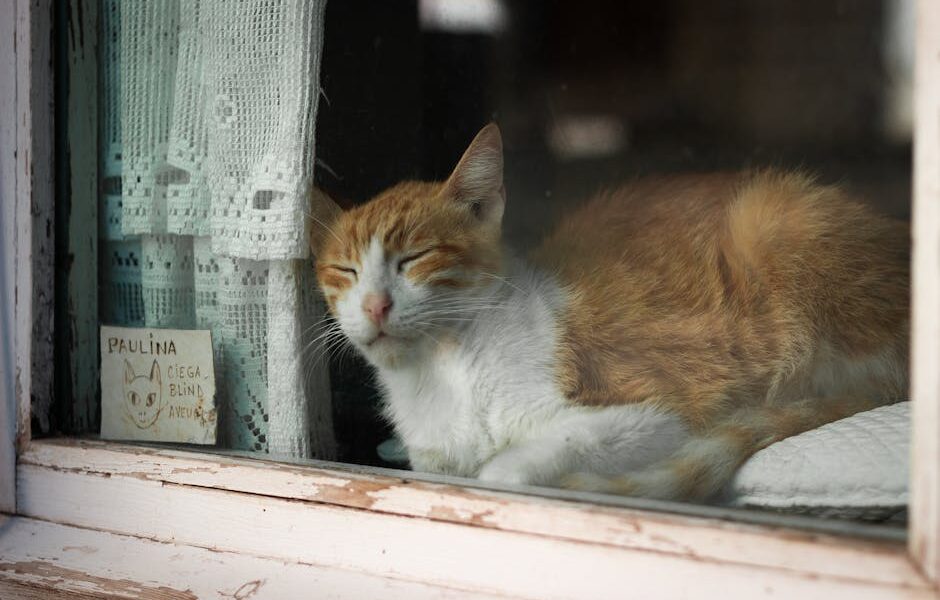
Why Cat Pain Is So Easy to Miss
Cats are masters of disguise when it comes to pain, and recognizing the signs of pain in senior cats is one of the most important skills you can develop as a cat owner. In the wild, showing vulnerability attracts predators, so cats evolved to hide discomfort until it becomes unbearable.
In this article
- Why Cat Pain Is So Easy to Miss
- 1. Changes in Jumping and Climbing
- 2. Litter Box Changes
- 3. Decreased Grooming or Over-Grooming
- 4. Appetite and Eating Behavior Changes
- 5. Withdrawal and Hiding
- 6. Changes in Sleep Patterns
- 7. Irritability and Aggression
- 8. Changes in Vocalization
- What to Do If You Suspect Your Cat Is in Pain
- Frequently Asked Questions
Senior cats — generally those over 10 years old — are especially prone to chronic conditions like arthritis, dental disease, and kidney disease that cause ongoing, low-level pain. Because the pain develops gradually, both the cat and their owner adjust to the “new normal” without realizing something is wrong.
Studies show that veterinarians identify pain in cats far less often than in dogs, partly because cats are less likely to vocalize or show obvious limping. Your daily observations at home are a critical piece of the puzzle — you know your cat’s habits better than anyone.
1. Changes in Jumping and Climbing
A cat who used to leap effortlessly onto countertops, windowsills, or the top of the cat tree but now hesitates, uses intermediate surfaces to reach heights, or avoids jumping altogether is likely experiencing joint pain.
Arthritis affects an estimated 90 percent of cats over age 12, though it is severely underdiagnosed. Watch for subtle clues like your cat standing at the base of the couch looking up instead of jumping, or choosing the floor over their favorite elevated perch.
Providing ramps, pet stairs, or lower furniture arrangements can help an arthritic cat maintain access to their preferred spots while you work with your veterinarian on a pain management plan.
2. Litter Box Changes
Missing the litter box is often blamed on behavioral issues, but in senior cats it is frequently a pain indicator. A cat with sore joints may find it difficult to climb over high-sided litter boxes or squat comfortably.
Signs to watch for include eliminating right outside the box, straining or crying in the box, going less frequently than usual, or switching to softer surfaces like laundry piles or rugs that are easier on painful legs.
Switch to a low-entry litter box — one with at least one side cut down to two or three inches — and place multiple boxes around the house so your cat does not have to travel far or climb stairs. If litter box issues persist, a veterinary exam is essential to rule out urinary tract disease, kidney problems, or other health concerns.
3. Decreased Grooming or Over-Grooming
Cats are meticulous groomers, so changes in grooming habits are a reliable pain signal. A cat in pain may groom less because twisting and reaching hurts, leading to a dull, matted, or unkempt coat, especially along the back and hindquarters.
Conversely, some cats over-groom a specific area as a response to localized pain. Excessive licking of a joint, the belly, or a particular limb can indicate pain in that region. Over-grooming can cause bald patches and irritated skin.
Run your hands gently over your senior cat’s body during petting sessions. Note any areas where they flinch, flatten their ears, or swat at your hand. These reactions can help pinpoint the source of discomfort.
4. Appetite and Eating Behavior Changes
A senior cat who suddenly eats less, chews on only one side of their mouth, drops food, or approaches the bowl but walks away may be dealing with dental pain. Dental disease is the most common health problem in cats over age three, and by senior years, painful teeth and gum disease are widespread.
Pain from other sources can also suppress appetite. Cats in chronic discomfort often eat less overall, lose weight gradually, and show less enthusiasm for meals they used to enjoy.
Any unexplained weight loss in a senior cat — even a pound or two — warrants a veterinary visit. Cats are small animals, and a two-pound loss represents a significant percentage of their body weight. Your veterinarian can evaluate dental health, screen for underlying conditions, and determine whether pain is a factor. A switch to softer wet food may help cats with dental discomfort continue eating comfortably.
5. Withdrawal and Hiding
A cat who used to greet you at the door, sit in your lap, or hang out in the middle of the action but now spends most of their time hiding under beds, in closets, or in isolated corners may be in pain.
Hiding is one of the classic signs of pain in senior cats. It is an instinctive behavior — retreat to safety when you are vulnerable. Some cats also become less tolerant of being picked up or handled, particularly around the hips, lower back, or abdomen.
Do not dismiss hiding as “just getting old.” While some decrease in activity is normal with age, a significant increase in isolation is a behavioral change worth investigating with your vet.
6. Changes in Sleep Patterns
Senior cats sleep a lot — up to 20 hours a day — so it can be hard to tell when sleep patterns shift. Pay attention to the quality and location of sleep rather than the quantity.
A cat in pain may sleep more restlessly, change positions frequently, or choose different sleeping spots than usual (often softer or warmer surfaces that are easier on sore joints). They may seem unable to get comfortable, circling and adjusting repeatedly before lying down.
Some painful cats sleep more as a coping mechanism, retreating into sleep to escape chronic discomfort. Others sleep less because pain keeps them from settling. Either extreme is worth noting.
7. Irritability and Aggression
A previously sweet-tempered cat who hisses, swats, or bites when touched in certain areas is communicating pain. This is not a personality change — it is a protective response.
Arthritis pain, dental abscesses, ear infections, and skin conditions can all cause a cat to become touch-sensitive. Even petting along the spine can be painful if there is inflammation or spinal arthritis.
Respect your cat’s signals. If they tell you a spot hurts, avoid touching it and schedule a vet visit. Do not punish a cat for reacting defensively to pain — it will only increase their stress and make future handling harder.
8. Changes in Vocalization
Some senior cats become more vocal when they are in pain — yowling, meowing more than usual, or crying out during specific movements like jumping down from furniture or using the litter box.
Others become unusually quiet. A cat who used to chirp and chatter but has gone silent may be conserving energy or withdrawing due to chronic discomfort.
Increased nighttime vocalization in senior cats can also be related to cognitive dysfunction (feline dementia), which sometimes coexists with pain. Your veterinarian can help distinguish between pain, cognitive changes, and other potential causes like hyperthyroidism or hearing loss.
What to Do If You Suspect Your Cat Is in Pain
If you have noticed one or more of these signs, the most important step is a thorough veterinary examination. Bring your observations — what has changed, when it started, and any patterns you have noticed. Photos or videos of the behavior can be extremely helpful.
Your vet may recommend bloodwork, urinalysis, X-rays, or other diagnostics depending on the suspected source of pain. Many causes of chronic pain in senior cats are very treatable once identified.
Modern feline pain management has come a long way. Options include:
- Joint supplements (glucosamine, omega-3 fatty acids)
- Anti-inflammatory medications specifically approved for cats (such as solensia, a monthly injection for arthritis pain)
- Environmental modifications (heated beds, ramps, low-entry litter boxes)
- Physical therapy and acupuncture
- Weight management to reduce stress on joints
Never give your cat human pain medications. Acetaminophen (Tylenol) is fatally toxic to cats even in small doses, and ibuprofen and aspirin can cause severe kidney and gastrointestinal damage. Only use medications prescribed by your veterinarian.
Early detection is everything. Cats who receive pain management early in the course of chronic conditions maintain better mobility, eat better, engage more with their families, and enjoy a significantly higher quality of life in their senior years. If your cat is a rescue, organizations like Walk Me Home Rescue can connect you with resources for senior pet care.
Frequently Asked Questions
At what age is a cat considered a senior?
Most veterinarians consider cats to be seniors at around 10 to 11 years old, and “geriatric” at 15 and older. However, age alone does not determine health status. Some 14-year-old cats are thriving, while some 9-year-olds show early signs of age-related conditions. Regular veterinary checkups — ideally twice a year for cats over 10 — help catch problems early.
How can I tell the difference between pain and normal aging in my cat?
Normal aging involves gradual, mild slowing down — a bit less play, slightly longer naps, and less interest in intense activity. Pain looks like avoidance of activities the cat used to enjoy, changes in routine, altered eating or grooming habits, and behavioral shifts like hiding or aggression. When in doubt, consult your veterinarian. It is always better to rule out pain than to assume a change is just age.
My senior cat purrs a lot. Does that mean they are not in pain?
Not necessarily. Cats purr when they are content, but they also purr when they are anxious, injured, or in pain. Purring is thought to be a self-soothing mechanism. Do not rely on purring as proof that your cat is comfortable — look at the full picture of their behavior and body language.
Can arthritis in cats be cured?
Arthritis cannot be cured, but it can be managed effectively. A combination of veterinary-prescribed pain medication, joint supplements, weight management, environmental modifications, and physical therapy can significantly reduce discomfort and improve mobility. The goal is to maintain quality of life and keep your cat active and engaged for as long as possible.


