
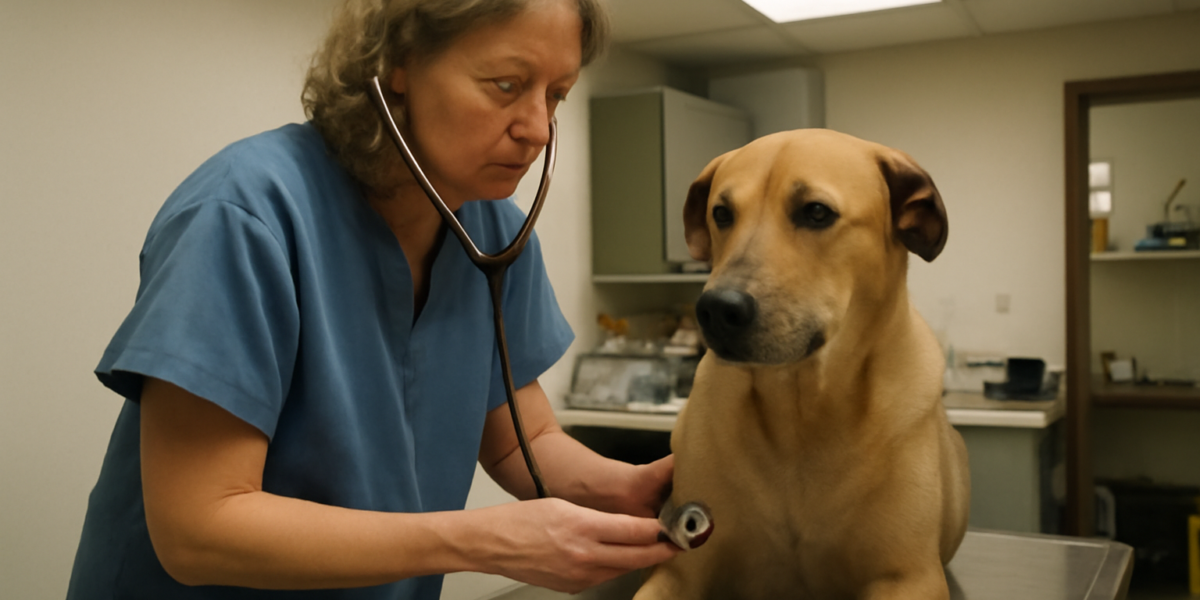
What Sotalol Is and How It Works
Sotalol is an unusual cardiac medication because it combines two distinct effects: it is a non-selective beta blocker, and it also blocks potassium channels in the heart, which prolongs the time it takes the heart to electrically reset between beats. The combination makes it useful for managing certain dangerous ventricular arrhythmias. For sotalol dogs typically receive it from a veterinary cardiologist when a less complex drug has failed to control rhythm disturbances or when the type of arrhythmia specifically calls for sotalol’s mechanism.
In this article
The drug is borrowed from human medicine and used off-label in dogs. It is given by mouth, usually twice a day, at the same times each day. Like other beta blockers, sotalol slows the heart rate and reduces the force of contraction, but its potassium-channel-blocking action also makes it more potent against specific arrhythmias and gives it a different safety profile.
Sotalol comes as small human tablets. Veterinary cardiologists frequently use compounded versions for accurate dosing in dogs of various sizes. The drug should always be initiated by a cardiologist or after cardiology consultation, because dose selection and monitoring require specialty input.
When Sotalol Is Used
The most common reason a veterinary cardiologist starts sotalol is to manage ventricular arrhythmias, including ventricular tachycardia and frequent ventricular premature complexes (VPCs), particularly when these arrhythmias cause symptoms like fainting or weakness or when they pose a risk for sudden death. Boxer cardiomyopathy (arrhythmogenic right ventricular cardiomyopathy) and certain forms of dilated cardiomyopathy are situations where sotalol is frequently used.
Sotalol is also used in some dogs with supraventricular arrhythmias, although other drugs like diltiazem are often preferred for those. The choice depends on the specific arrhythmia, response to other drugs, and the underlying disease. Dogs with subaortic stenosis (SAS) and exercise-induced arrhythmias may also receive sotalol when atenolol alone is insufficient.
For background on related cardiac conditions, see our overview of congestive heart failure in dogs and heart murmurs in dogs. Diagnosis of arrhythmias usually involves ECG, sometimes Holter monitoring (a 24-hour ambulatory ECG worn at home), and echocardiography to look for underlying heart disease.
How Sotalol Is Given
Sotalol is given by mouth, usually twice a day, at the same times each day. Most dogs tolerate it best with food, which also makes administration easier. Pair the dose with a small treat or part of a meal at the same time each day. Avoid giving it with antacids, which can reduce absorption.
Your cardiologist will calculate the dose based on your dog’s body weight, kidney function, and the specific arrhythmia. Doses for dogs are not the same as human label doses, and incorrect dosing can either fail to control the arrhythmia or trigger new dangerous rhythms. Never adjust the dose at home and never substitute a human prescription without veterinary direction.
If you miss a dose, give it as soon as you remember unless the next dose is within a few hours. Do not double up. If your dog vomits within an hour of dosing, call your veterinary team rather than redosing on your own. Do not stop sotalol abruptly; sudden discontinuation can cause rebound arrhythmias and worsening of the underlying condition.
Side Effects and Risks
Most dogs tolerate sotalol reasonably well, but side effects can occur. The most common are decreased appetite, lethargy, and decreased exercise tolerance, especially during the first one to two weeks. Some dogs become noticeably quieter as their body adjusts to slower heart rate and reduced cardiac contractility.
More concerning side effects include excessive slowing of the heart rate (bradycardia), low blood pressure (hypotension) with weakness or fainting, and worsening of heart failure in some dogs. Most importantly, like other antiarrhythmic drugs, sotalol can occasionally cause new arrhythmias, including a particular ventricular rhythm called torsades de pointes that can be life-threatening. Any sudden weakness, collapse, or fainting in a dog on sotalol is an emergency.
Sotalol can mask the signs of low blood sugar, which matters for diabetic dogs. It can worsen airway disease in dogs with severe asthma or significant chronic bronchitis (more so than beta-1 selective drugs like atenolol because sotalol is non-selective). Tell your veterinarian about every other condition your dog has and every medication and supplement they take.
Monitoring While on Sotalol
Dogs on sotalol need regular cardiology follow-up. ECGs help confirm the drug is controlling the abnormal rhythm without causing new ones, and they catch dangerous prolongation of the QT interval. Holter monitoring at intervals gives a 24-hour picture of rhythm control during normal home activity. Echocardiograms may be repeated to assess heart structure and function.
Bloodwork checks kidney values and electrolytes (especially potassium and magnesium), which are important for sotalol safety. Low potassium or magnesium can increase the risk of dangerous arrhythmias. If your dog is on diuretics for heart failure, electrolyte monitoring becomes especially important.
At home, monitor your dog’s resting respiratory rate, exercise tolerance, and overall energy. A resting or sleeping dog typically breathes fewer than about 30 times per minute. Sustained increases or any episode of fainting, weakness, or collapse warrants prompt veterinary attention.
Drug Interactions and Cautions
Sotalol interacts with many medications. Other antiarrhythmics, certain antibiotics, some antifungals, certain antihistamines, and some psychiatric medications can prolong the QT interval and increase arrhythmia risk when combined with sotalol. Diuretics that lower potassium or magnesium levels, calcium channel blockers, and other beta blockers all need careful coordination.
Tell your veterinarian about every medication, supplement, and over-the-counter product your dog takes. Anesthesia plans should always include sotalol on the medication list, because the drug interacts with several anesthetic agents and can compound their cardiovascular effects. Share the medication list with the anesthesia team in advance of any sedation or surgery.
Dogs with significant kidney disease may need dose adjustments because sotalol is cleared primarily by the kidneys. Dogs with severe heart failure, very slow heart rates, certain heart blocks, or significant electrolyte imbalances usually should not start sotalol until those issues are addressed.
Cost, Compounding, and Refills
Generic sotalol tablets are reasonably affordable at human pharmacies. Your veterinarian can write a prescription you can fill at a discount pharmacy. For accurate dosing in dogs of various sizes, compounded versions are often used, although these come at a higher cost per dose. Always confirm strength and dosing instructions when picking up refills, especially after any dose change.
Compounded liquids have shorter shelf lives than commercial tablets. Mark the open date on the bottle, store as the pharmacy directs, and order refills at least a week before you run out. Sudden gaps in antiarrhythmic medication can be dangerous and can trigger life-threatening rhythms.
Pet insurance often covers prescription cardiac medications when used for a covered diagnosis. Save your receipts, ECG and Holter reports, echocardiogram reports, and laboratory invoices for claim submission.
Living With a Dog on Sotalol
Most dogs on sotalol live good lives at home with regular cardiology follow-up. Build dosing into a calm twice-daily routine paired with a small treat or part of a meal. Use a written log to coordinate with other family members or pet sitters so doses are not missed or doubled.
Adjust exercise expectations to match your dog’s tolerance. Beta blockers reduce maximum exercise capacity, and pushing through fatigue can be unsafe. Short, frequent walks suit many dogs better than long hikes. Avoid hot weather exertion and provide plenty of water.
If your dog ever collapses, faints, struggles to breathe, or develops cyanotic (blue or pale) gums, treat it as an emergency and head to a 24-hour clinic immediately. Bring the medication bottle so the team can confirm dose and timing. For broader pet care guidance, our dog care archive has practical resources.
Heat tolerance changes for dogs on beta blockers, including sotalol. Walk during cooler parts of the day, carry water, and watch for early signs of heat stress like heavy panting, bright red gums, or sudden slowing. End walks that become uncomfortable. Family members and dog walkers should all know your dog is on a heart medication and what early warning signs to watch for so the response is consistent if a problem arises.
Long-term cardiac care for dogs with arrhythmias is a partnership between you and the cardiology team. Regular Holter monitoring at home, careful medication tracking, and timely communication when something seems off all add up to better outcomes. Many dogs live good, full lives on sotalol when the regimen is followed consistently and the team monitors closely.
When to Call Your Veterinarian
Call your veterinary cardiology team if your dog develops new vomiting, persistent appetite loss, sustained lethargy, exercise intolerance worse than baseline, increased resting respiratory rate, or any sudden behavior change. Any episode of fainting, collapse, or weakness should be treated as an emergency. For routine refills or progress questions, a phone or email check-in is usually enough.
If your dog is also receiving other cardiac medications such as pimobendan, your cardiologist will integrate the regimen. For new pet parents establishing a relationship with a veterinary clinic, see our guide to adopting a dog.
This article is educational and does not replace personalized veterinary care. Always consult your veterinarian before starting, stopping, or adjusting any prescription medication. Sotalol in particular requires cardiology supervision because of its arrhythmia and proarrhythmia profile.
Frequently Asked Questions
How long does sotalol take to work?
Sotalol begins to slow heart rate and influence rhythm within hours of the first dose, but full clinical effect on rhythm control is judged by your cardiologist over weeks of follow-up with ECG and Holter monitoring.
Can I stop sotalol if my dog seems better?
No. Sudden discontinuation can cause rebound arrhythmias and worsening of the underlying condition. Always taper under veterinary supervision when stopping sotalol.
What if my dog vomits a dose?
If vomiting happens within an hour of dosing, call your veterinary team for guidance rather than redosing on your own. Persistent vomiting always warrants a call.
Why does my dog need so many follow-up tests on sotalol?
Sotalol can cause both rhythm control and new dangerous rhythms. Periodic ECG, Holter monitoring, and bloodwork ensure the drug is working safely.
Can sotalol be combined with other heart medications?
Yes, but combinations require careful coordination. Your cardiologist manages the regimen and monitors for interactions, especially with diuretics and other antiarrhythmics.
Is sotalol the same as atenolol?
Both are beta blockers, but sotalol also blocks potassium channels and is non-selective. The two drugs have different roles, side-effect profiles, and monitoring requirements.


