
Last updated: June 2, 2026
In this article
Why Guinea Pigs Need Regular Nail Trims
Guinea pigs don’t wear their nails down much in a home environment, so they keep growing and need regular trimming. Left long, the nails curl, catch on bedding and fleece, twist the toes, and can grow so far they spiral back into the foot pad — painful and prone to infection. Overgrown nails also change how your guinea pig stands and walks, stressing the feet and joints.
Trimming guinea pig nails is a manageable home skill once you understand the quick and use a secure, gentle hold. Most guinea pigs need a trim every three to four weeks, though it varies by individual. The aim is small, regular trims that keep the nails a comfortable length and keep the quick receded, rather than rare dramatic cuts.
If you’ve never done it, ask your exotic or small-mammal vet (or an experienced cavy person) to demonstrate on your own guinea pig first. Guinea pigs are nervous prey animals, so a calm, confident technique makes all the difference.
Learning to recognize overgrown nails before they cause trouble is part of good care. A healthy guinea pig nail is fairly short and only gently curved; when nails start to corkscrew, grow so long the foot can’t sit flat, or splay the toes apart, they’re overdue for a trim. You might also notice nails snagging on fleece liners or your guinea pig walking awkwardly. A quick weekly glance at the feet during cuddle time means you’ll catch overgrowth early, while it’s still simple to correct.
What You’ll Need
Set everything up first so the session stays short and low-stress:
- Small pet nail clippers (scissor-style work well for small guinea pig nails) — sharp for a clean cut.
- Styptic powder, a styptic pencil, or cornstarch/flour as a backup for a nicked quick.
- A small flashlight or phone light to see the quick in dark nails.
- A towel to lay on your lap and to gently wrap a squirmy pig if needed.
- Favorite veggies or herbs as rewards.
- A helper, if possible.
Finding the Quick
The quick is the living, blood-filled core inside the nail. On pale or clear nails you can see it as a pink line; cut a small margin beyond where the pink ends, never into it. On dark nails the quick is hidden, so shine a flashlight or phone light through or behind the nail — the safe tip looks lighter and hollow, while the quick shows as a darker shadow. Trim only the lighter tip.
When you can’t tell where the quick is, take less rather than more. Several tiny snips are always safer than one big cut. If a nail is so dark or thick you genuinely can’t read it, skip it and ask your vet rather than guessing. Older guinea pigs in particular can have thicker nails where the quick is hard to judge.
Guinea pigs often have a mix of light and dark nails on the same foot, sometimes even on the same toe, so don’t assume they’re all the same. Judge each nail individually. For the pale ones, the pink quick guides you; for the dark ones, lean on the flashlight and your conservative instinct. Over time, as you trim regularly, the quick recedes and you’ll be able to take the nails a little shorter safely. Patience and regularity, not a single dramatic trim, are what keep the nails healthy in the long run.
A Secure, Comfortable Hold
Guinea pigs feel safest held against a body, with their feet supported and nothing dangling. The two most reliable holds are on your lap and against your chest.
- On-lap hold: Sit down and lay a towel across your lap. Place your guinea pig on the towel, facing away from you or sideways, and rest one hand gently over the back or chest to steady it while you lift one foot at a time.
- Against-the-chest hold: Cradle your guinea pig upright against your chest with one hand supporting the rump and back feet, tilting it back slightly so you (or a helper) can reach the front and back nails.
A helper is invaluable: one person steadies and reassures the guinea pig while the other clips. With two calm sets of hands you never have to grip too tightly. Always support the body and feet, work over a soft surface or low to the ground, and keep your guinea pig close so it feels secure. Gentle handling of a prey animal is the heart of a stress-free trim — the same care you’d take during a routine small-mammal at-home health check.
Step-by-Step: Making the Cut
Guinea pigs have four toes on each front foot and three on each back foot — fewer nails than you might expect, which makes the job quicker. Work calmly and don’t feel you must finish all of them in one go.
- Settle your guinea pig in your chosen hold on the towel.
- Gently take one foot and look at the nail; press back any fur so you can see clearly.
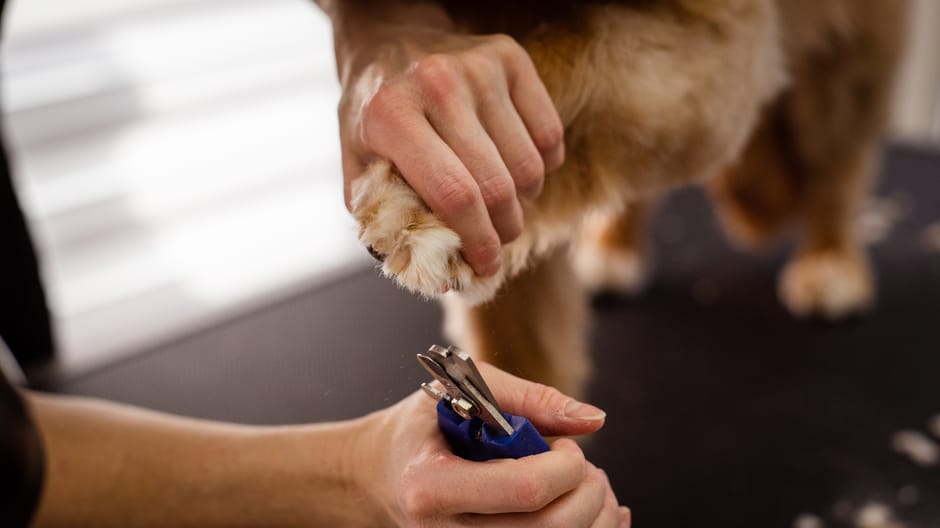
- Identify the quick, using the flashlight for dark nails. Position the clippers a small margin past the quick.
- Make one clean, quick snip following the natural angle of the nail.
- Pause, offer reassurance, and move to the next nail.
- If your guinea pig gets stressed, stop and finish the rest later.
Small clips and frequent breaks keep the session positive. It’s perfectly fine to do a few nails today and the rest tomorrow.
Guinea pigs are famously prone to wriggling and “popcorning” with nerves, so a steady setup matters. Keep your guinea pig low to the ground or over a soft surface in case it manages a sudden jump — a fall can injure these small, delicate animals. Many owners find a guinea pig settles best when its face is tucked against their body or arm, where it feels hidden. And don’t rush the back feet: they’re often harder to reach and the nails there can be just as long, so take your time and reposition gently rather than twisting the leg into an awkward angle.
If You Nick the Quick
Even careful owners occasionally catch a quick. The nail will bleed, sometimes more than you’d expect. Stay calm so your guinea pig stays calm.
- Press a pinch of styptic powder (or cornstarch/flour) firmly onto the nail tip, or dab with a styptic pencil.
- Hold gentle pressure for a minute or two until the bleeding stops.
- Keep your guinea pig on a clean towel and let it rest.
Stop and call your vet if the bleeding won’t stop after several minutes of pressure and styptic, restarts repeatedly, or the nail is torn or the toe looks injured. A small bleed is minor, but anything that won’t clot needs veterinary attention.
Treats, Patience, and Going Slow
Guinea pigs are food-motivated, and pairing trims with favorite veggies turns a scary event into a tolerable, even rewarding one. Offer a sprig of cilantro, a slice of bell pepper, or another favorite during and after the session. Talk softly, move slowly, and keep sessions short and frequent rather than long and forced.
Build cooperation over time by gently handling the feet during regular cuddles, so a foot touch becomes normal long before clipping day. The calmer your guinea pig is with handling overall, the easier nail trims — and every other care task — become. This same patient approach helps with other small-pet jobs like giving a small pet oral medication and fits naturally into a comfortable guinea pig housing setup with enough cage size and a companion, where a relaxed, well-socialized pig is easier to handle.
Timing your sessions thoughtfully helps, too. Many guinea pigs are calmest after they’ve eaten and are in a relaxed, settled part of their day, rather than when they’re excited and looking for food. Avoid trimming right after a stressful event, like a vet visit or a cage clean, when your pig is already on edge. A guinea pig that’s content and full will sit far more cooperatively than one who is hungry, startled, or overstimulated. Reading your pig’s mood and picking a calm moment can turn a struggle into an easy two-minute job.
Older Guinea Pigs and When to See a Vet
Older guinea pigs often grow thicker, faster-curling, sometimes ridged nails, and the quick can extend farther down a chronically long nail. With these nails, trim conservatively and more frequently to gradually encourage the quick to recede; never try to cut a badly overgrown, curled nail back to normal length in one go. Trim a little off regularly instead, and a vet can help you start the process safely.
There’s no shame in having a vet or experienced groomer do the trims. If your guinea pig panics, has very dark or thick nails you can’t read, has bleeding disorders, or simply won’t tolerate handling, a professional can do it quickly and safely. Mention any unusually fast nail growth, brittle or deformed nails, or sore feet at your guinea pig’s checkup, since these can point to a husbandry or health issue. And remember: overgrown teeth are never a home job — if your guinea pig is drooling, eating less, or its front teeth look long or crooked, that’s a veterinary dental problem to address promptly.
Frequently Asked Questions
How often should I trim my guinea pig’s nails?
Most guinea pigs need a trim every three to four weeks, though it varies. Check the nails regularly and trim when they start to curl or catch on bedding.
What if my guinea pig won’t sit still?
Use a secure on-lap or against-chest hold, recruit a helper to steady and reassure, offer favorite veggies, and trim just a few nails per session. Wrapping in a towel can help a very wiggly pig.
How do I trim dark nails without hitting the quick?
Shine a flashlight through the nail to spot the quick as a darker shadow; trim only the lighter, hollow-looking tip. When unsure, take less — several tiny snips are safer than one big cut.
My older guinea pig has thick, curling nails. Can I fix them at home?
Don’t cut a badly overgrown nail back in one go — the quick has likely grown long. Trim small amounts more frequently to let the quick recede, and ask your vet to help you start safely.
Can I trim my guinea pig’s teeth if they look long?
No. Overgrown teeth are a veterinary dental issue. If the front teeth look long or crooked, or your guinea pig is drooling or eating less, see an exotic or small-mammal vet promptly.


