
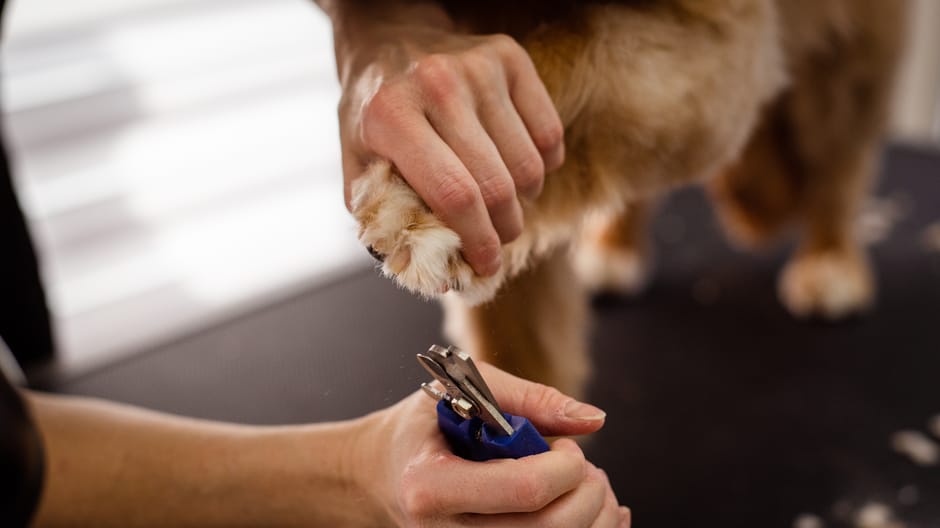
Why Rabbit Nails Need Regular Trimming
Indoor rabbits rarely wear their nails down the way wild rabbits do digging in soil, so the nails keep growing. Left too long, they curl, snag on carpet and bedding, twist the toes out of alignment, and can even break off painfully or tear the nail bed. Overgrown nails also change how your rabbit sits and hops, putting strain on the hocks and joints over time.
In this article
Trimming rabbit nails is one of the most useful home-care skills you can learn for a house rabbit. Most rabbits need a trim every four to eight weeks, though the pace varies with the individual, the surfaces they spend time on, and how fast their nails grow. The goal is not to cut nails dramatically short — it is to take a little off regularly so the nails stay a safe, comfortable length and the quick (the living, blood-filled part inside the nail) stays receded.
If you have never done this before, ask your veterinarian or a rabbit-savvy groomer to show you once. Rabbits are fragile prey animals, and a confident, gentle technique makes the whole job safer for both of you.
It also helps to know what overgrown nails look like before they become a problem. A nail that extends well past the fur, curves sharply, or makes your rabbit’s toes splay sideways when it stands is overdue. You may hear nails clicking on hard floors or notice your rabbit catching them on towels and fleece. Checking the nails during your regular cuddle time — even just glancing at them weekly — means you’ll never be surprised by a nail that has grown into the toe pad or twisted painfully out of line.
What You’ll Need Before You Start
Gather everything within arm’s reach so you are not scrambling mid-trim with a wriggling rabbit. A calm, prepared setup keeps the session short and low-stress.
- A pair of small pet nail clippers (scissor-style or small guillotine clippers sized for small animals) — sharp, so they cut cleanly rather than crush.
- Styptic powder, a styptic pencil, or plain cornstarch/flour as a backup, kept open and ready in case you nick the quick.
- A small flashlight or phone light to shine through dark nails and find the quick.
- A towel large enough to make a snug “bunny burrito” if your rabbit prefers being wrapped.
- A non-slip surface — a towel or bath mat on a table or your lap so your rabbit feels secure.
- A helper, if possible, plus a few favorite greens or a small treat for afterward.
Finding the Quick — Especially on Dark Nails
The quick is the pink, blood-and-nerve-filled core inside each nail. On light or clear nails it is easy to see as a pink line; you want to cut a couple of millimeters beyond where the pink ends, never into it. Cutting the quick hurts and bleeds, so the whole game is staying safely past it.
Dark nails hide the quick, which is where many owners get nervous. The trick is to shine a small flashlight or phone light through the nail from behind or beneath — the quick shows up as a slightly darker shadow inside the translucent nail, and the safe tip glows lighter. Trim only the lighter, hollow-looking tip. When in doubt, take less. Several tiny snips are always safer than one bold cut.
If a nail is so dark or thick that you genuinely cannot tell where the quick is, skip that nail and ask your vet or groomer rather than guessing.
One more thing worth knowing: the more regularly you trim, the more the quick recedes over time, so nails that have been neglected and grown long will have a longer quick that limits how much you can safely take off in one session. If your rabbit’s nails are badly overgrown, don’t try to cut them back to a normal length all at once. Trim a small amount every week or two instead, and the quick will gradually shorten, letting you bring the nails back to a healthy length safely over the course of several trims.
A Safe, Supportive Hold
How you hold your rabbit matters more than how you clip. Rabbits have powerful hind legs and delicate spines, and a sudden twisting kick can injure their back — so secure handling protects them, not just you.
Do not flip your rabbit onto its back to “trance” it for restraint. Lying a rabbit on its back induces a frozen, immobile state (tonic immobility) that looks calm but is actually a fear response — the rabbit feels like prey being held by a predator. It is stressful and can be dangerous, so it is not an appropriate routine way to restrain a rabbit for nail trims.
Instead, choose one of these calmer holds:
- On a surface: Place your rabbit on a non-slip towel on a table or your lap, facing away from you. Keep one hand resting gently over the shoulders or chest to steady them, and lift just one paw at a time.
- The bunny burrito: Wrap your rabbit snugly in a towel like a burrito with only the paw you are working on free. This keeps them secure and warm while you expose one foot at a time.
Always support the hindquarters and keep your rabbit’s feet under them or against a surface — never let the back legs dangle. Good supportive handling is the foundation of safe nail care, and it is worth reviewing the basics of safely handling and restraining a rabbit before your first trim.
Step-by-Step: Trimming the Nails
Work calmly and keep the session short. You do not have to do all 18 nails (four front toes plus a tiny dewclaw on each front foot, and four on each back foot) in one sitting if your rabbit is getting stressed.
- Settle your rabbit in your chosen hold on the non-slip surface.
- Gently take one paw and part the fur so you can see the nail clearly. Rabbit toes are furry, so you may need to press the fur back.
- Identify the quick — use the flashlight on dark nails. Position the clippers a safe couple of millimeters past the quick.
- Make one clean, quick snip. Cut at a slight angle following the natural shape of the nail.
- Pause, praise, and move to the next nail. If your rabbit struggles, take a break.
- Don’t forget the small front dewclaw higher up on the inner front legs — it never touches the ground and can overgrow badly.
Small steps win here. Trimming a few nails today and the rest tomorrow is completely fine and far better than forcing a frightened rabbit to sit through all of them.
A few practical pointers make the actual cutting cleaner and safer. Keep your clippers sharp, because a dull blade crushes and splinters the nail instead of slicing it, which is uncomfortable and can leave a ragged edge. Cut perpendicular to the nail or at the natural angle the nail already grows, rather than at a steep slant that could clip too close on one side. And if a nail is dirty or matted with fur, brush the area clear first so you have a clean view — you can’t judge the quick on a nail you can’t see clearly.
If You Cut the Quick
Even careful owners occasionally nick a quick — it happens, and your rabbit will be okay. The nail will bleed, sometimes more than you expect for such a small spot. Stay calm so your rabbit stays calm.
- Press a pinch of styptic powder (or cornstarch/flour) firmly onto the nail tip, or dab with a styptic pencil.
- Apply gentle pressure for a minute or two until the bleeding stops.
- Keep your rabbit on a clean towel and let them rest.
Stop and call your vet if the bleeding does not stop after several minutes of pressure and styptic, if it restarts repeatedly, or if the nail is torn or the toe looks injured. A small bleed is minor; anything that won’t clot needs a vet’s eyes.
The Two-Person Method and Going Slow
For wiggly rabbits, a helper makes everything easier and safer. One person does the gentle restraint — steadying the body and supporting the hindquarters — while the other handles one paw and clips. With two calm sets of hands, no one has to grip too hard, and you can finish faster with less stress all around.
Go at your rabbit’s pace. Offer a favorite green or a gentle head rub between paws, and end on a good note even if you didn’t finish. Frequent, brief, positive sessions teach your rabbit that nail trims are no big deal, which makes every future trim smoother.
This same patient, low-stress approach carries over to other small-pet care tasks — from giving a rabbit or small pet oral medication to the regular handling that comes with rabbit housing in an x-pen, hutch, or free-roam setup. A rabbit who trusts being handled is easier to care for in every way.
When to Let a Vet or Groomer Do It
There is no shame in outsourcing this. If your rabbit panics, has very dark or thick nails you can’t read, has previously injured a quick, or simply won’t tolerate handling, a rabbit-experienced vet or groomer can do the trim quickly and safely. The cost of a professional trim is small compared with the risk of a bad cut or a frightened, injured rabbit.
It is also worth asking a rabbit-savvy vet to demonstrate the technique on your own rabbit the first time. Watching an expert find the quick and use a supportive hold on your specific rabbit builds your confidence far faster than reading alone. If your rabbit’s nails are growing unusually fast or curling severely, mention it at the next checkup — sometimes it points to a husbandry or health issue worth addressing.
Frequently Asked Questions
How often should I trim my rabbit’s nails?
Most rabbits need a trim every four to eight weeks, but it depends on the individual and the surfaces they spend time on. Check the nails monthly and trim when they start to curl or catch.
Can I file my rabbit’s nails instead of clipping?
Filing can smooth a sharp edge, but most rabbits won’t tolerate the time and sensation it takes to shorten a nail by filing alone. Careful clipping is usually quicker and less stressful.
My rabbit hates having its feet touched — what can I do?
Build tolerance gradually outside of trim time: brief, rewarded touches of the paws during cuddles. Try the bunny burrito wrap, use a helper, and do just a few nails per session. If it stays a battle, have a vet or groomer handle it.
Is it dangerous if I cut the quick?
A nicked quick bleeds and stings but is rarely serious — apply styptic powder and gentle pressure. Call your vet only if the bleeding won’t stop, restarts repeatedly, or the toe looks injured.
Should I ever trim my rabbit’s teeth at home if they look long?
No. Overgrown teeth are a veterinary dental issue, never a home job. If your rabbit’s front teeth look long, are crooked, or your rabbit is drooling or eating less, see a rabbit-savvy vet promptly.


