
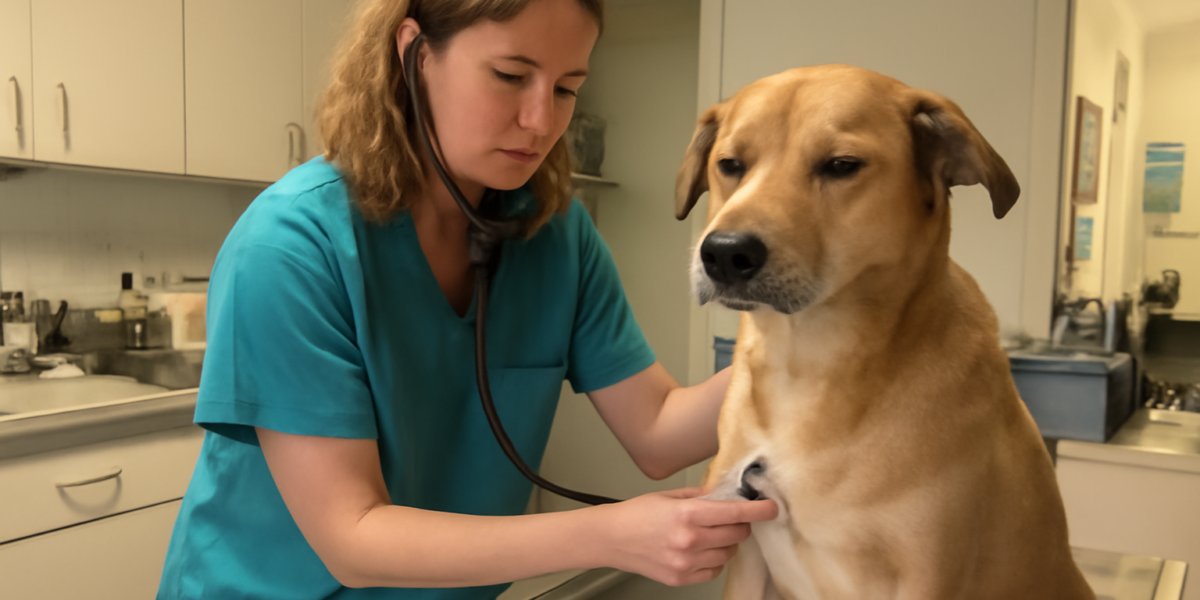
What Tropicamide Does
Tropicamide is a short-acting mydriatic — a medication that dilates the pupil — used in veterinary ophthalmology to enable thorough examination of the inside of the eye. When veterinarians use tropicamide eye drops dogs are typically being examined for retinal disease, cataracts, lens issues, intraocular masses, or unexplained vision loss. Without dilation, the pupil is simply too small to allow a clear view of the structures behind it.
In this article
- What Tropicamide Does
- How Pupil Dilation Helps Eye Exams
- When Tropicamide Is Used
- What Happens During an Exam
- What to Expect Afterward
- Safety and Side Effects
- How Tropicamide Compares to Other Mydriatics
- Use in Specific Eye Conditions
- Other Ophthalmic Considerations
- Cautions for Specific Patients
- Aftercare and Follow-Up
- When to Call the Vet
- Frequently Asked Questions
The drug is identical in mechanism to the human ophthalmic version (sold under names like Mydriacyl) and is used off-label in veterinary patients. It works rapidly, lasts only a few hours, and is generally well tolerated by dogs. For owners, the experience usually amounts to a brief office procedure followed by a few hours of dilated pupils — and a dog who suddenly seems extra-sensitive to bright light.
Understanding why tropicamide is used, what to expect during and after the visit, and when it might not be appropriate helps owners feel comfortable with the recommendation. The drops are a routine, low-risk part of comprehensive eye exams, but a few cautions are worth knowing.
How Pupil Dilation Helps Eye Exams
The pupil is a hole, not a structure — it is the aperture in the iris through which light reaches the retina. In dim light or under stress, the iris contracts the pupil to a small opening. In bright light or during a physical exam, the pupil constricts further as the dog reflexively squints. This makes it nearly impossible for a veterinarian to see past the iris to examine the lens, vitreous humor, retina, optic nerve, and surrounding structures.
Tropicamide blocks the muscarinic receptors in the iris sphincter muscle, the small ring of muscle that constricts the pupil. With those receptors blocked, the iris cannot contract, and the pupil stays wide open even under bright examination light. This gives the vet a window to examine:
- The lens — for cataracts, luxation, or other abnormalities
- The vitreous humor — the clear gel filling the back of the eye
- The retina — for degeneration, detachment, hemorrhage, or inflammation
- The optic nerve head — for swelling or pallor
- Blood vessels of the retina — for changes related to systemic disease
- The choroid and tapetum — the reflective layer behind the retina
A complete eye exam without dilation is like trying to see into a room through a keyhole. Dilation opens the door.
When Tropicamide Is Used
Common reasons a veterinarian may use tropicamide drops include:
- Routine fundic exam — examination of the back of the eye as part of a comprehensive eye check
- Cataract evaluation — assessing the lens before potential surgery
- Suspected retinal disease — progressive retinal atrophy, sudden acquired retinal degeneration, or retinal detachment
- Investigation of vision loss — when the cause is not apparent on superficial exam
- Screening for hypertensive retinopathy — in dogs with high blood pressure
- Diabetes monitoring — diabetic dogs are prone to cataracts and benefit from periodic exams
- Pre-surgical evaluation — before any intraocular surgery
- Workup of unexplained eye pain or inflammation
Some breeds are particularly prone to inherited retinal or lens diseases, so periodic dilated exams are part of breed-specific health screening. Your veterinarian may recommend regular dilated exams for at-risk breeds even when no symptoms are present.
What Happens During an Exam
The procedure is simple. Your veterinarian or technician applies one or two drops of tropicamide to each eye, usually with the dog gently restrained. Most dogs tolerate the drops without protest — they sting briefly but the discomfort is minor and short-lived.
The drug starts working within 15 to 20 minutes, with full dilation typically achieved in 20 to 30 minutes. During this waiting period, your dog stays in the exam room or a quiet area while the eyes prepare for examination. Once dilated, the vet uses an ophthalmoscope or specialized lenses to inspect the inside of the eye in detail.
The exam itself is generally painless. Bright light is shone into the eye to illuminate internal structures. Some dogs find this uncomfortable and may turn their head away, but most tolerate it well with gentle handling.
What to Expect Afterward
After the exam, the pupils remain dilated for several hours — typically four to eight, sometimes longer in older dogs or those with certain conditions. During this period, your dog will:
- Have visibly large pupils, sometimes giving an unusual or “spaced out” appearance
- Be unusually sensitive to bright light
- Squint or close eyes in sunlight
- Have somewhat blurry near vision
- Possibly bump into low-light objects more readily
Practical tips for the post-exam period:
- Avoid bright sunlight if possible — keep walks shorter or in shaded areas
- Don’t expect peak performance from agility or working dogs
- Provide a calm, dimly lit environment at home
- Keep eye-level hazards (sharp corners, low branches) in mind during outdoor time
- The dog is still safe to be alone — they do not become disoriented or distressed
The effects wear off completely within a day. By the next morning, pupils are back to normal and vision is unaffected.
Safety and Side Effects
Tropicamide is one of the safer ophthalmic medications in veterinary use. Side effects are uncommon and usually mild:
- Brief stinging when drops are applied
- Mild redness of the eye for a short period
- Increased sensitivity to bright light during the dilation period
- Rarely, mild systemic effects from drug absorption
The systemic concerns are minimal at the small doses used in eye drops, but they exist. Dogs with certain conditions deserve extra caution:
- Glaucoma or narrow drainage angles — dilation can precipitate an acute glaucoma episode in susceptible eyes
- Significant heart disease — minor heart rate effects possible
- Elderly dogs with multiple conditions — vet may use a lower concentration or different agent
For dogs with known or suspected glaucoma, your veterinarian will choose drops carefully or skip dilation in favor of alternative imaging. Tonometry — measurement of intraocular pressure — is often done before dilation in at-risk patients.
How Tropicamide Compares to Other Mydriatics
Several drugs can dilate the pupil; veterinarians choose based on the situation:
- Tropicamide — short-acting (4 to 8 hours), preferred for routine exams
- Atropine — long-acting (days to weeks), used therapeutically for ciliary muscle pain in uveitis or corneal ulcers
- Cyclopentolate — intermediate duration; less commonly used in dogs
- Phenylephrine — works on different receptors; sometimes combined with tropicamide for stronger effect
For diagnostic exams, tropicamide is usually the right tool because the dilation effect ends quickly. For therapeutic dilation — for example, in painful uveitis where you actually want sustained pupil dilation to prevent adhesions — atropine is preferred because it lasts much longer.
Use in Specific Eye Conditions
Cataracts
Cataracts make the lens cloudy, blocking light from reaching the retina. Tropicamide dilation allows the vet to assess the cataract’s location, density, and how much of the lens is affected — all important for surgical planning. Diabetic dogs are particularly prone to cataracts and often need periodic dilated exams.
Progressive Retinal Atrophy
PRA causes gradual retinal degeneration leading to blindness. Dilated exam reveals characteristic changes in the retina that confirm the diagnosis. While there is no cure, identifying PRA helps owners adapt and rule out treatable conditions.
Sudden Vision Loss
When a previously sighted dog suddenly cannot see, dilated exam is essential to look for retinal detachment, sudden acquired retinal degeneration syndrome (SARDS), optic neuritis, or other causes. Some are treatable; others are not. Diagnosis comes first.
Hypertensive Retinopathy
Dogs with high blood pressure can develop characteristic retinal changes including hemorrhage and detachment. Dilated exam helps assess severity and guides aggressive blood pressure management.
Other Ophthalmic Considerations
Eye exams that include dilation are part of comprehensive eye care, but they are only one piece. Dogs with eye complaints may also need:
- Tonometry — intraocular pressure measurement
- Schirmer tear testing — important in dogs at risk of dry eye or those on certain medications
- Fluorescein staining — to detect corneal ulcers
- Slit-lamp examination — high-magnification look at front of eye
- Ocular ultrasound — when the inside of the eye cannot be seen directly
For dogs with chronic eye problems, referral to a veterinary ophthalmologist may be appropriate. Specialist exams are particularly valuable for inherited retinal diseases, cataract surgery candidates, and complex inflammatory conditions.
Cautions for Specific Patients
Tell your veterinarian if your dog has:
- Known glaucoma in either eye
- A previous diagnosis of narrow drainage angles
- Significant heart disease
- Hypertension that is not controlled
- Sensitivity to other anticholinergic medications
None of these necessarily preclude tropicamide use, but they may change the approach. Your vet will weigh the diagnostic benefit against any specific risks for your individual dog.
Aftercare and Follow-Up
Most dogs need no specific aftercare beyond a quiet evening. The dilation will resolve on its own. If your veterinarian found something significant during the exam, the follow-up may include:
- Specific medications for the diagnosed condition
- Repeat exams to monitor progression
- Referral to a specialist
- Bloodwork for systemic conditions affecting the eyes
- Blood pressure monitoring if hypertension is suspected
Discuss any findings thoroughly with your vet so you understand what was seen, what it means, and what next steps make sense.
When to Call the Vet
Contact your veterinarian if you notice:
- Pupils still significantly dilated more than 24 hours after the exam
- Persistent eye redness or discharge
- Squinting or signs of eye pain after the visit
- Sudden vision changes
- Behavior changes that concern you
Most post-tropicamide concerns are minor and resolve quickly, but eye problems in general deserve prompt attention. The eye is a small, delicate organ where small problems can escalate quickly without intervention.
Frequently Asked Questions
How long does tropicamide last?
Pupil dilation typically lasts four to eight hours after a single application. Some dogs maintain dilation slightly longer. Effects always resolve within 24 hours.
Will my dog be uncomfortable after the exam?
Most dogs are mildly light-sensitive but otherwise comfortable. Keep environments dimly lit for the rest of the day. Bright outdoor sun may cause squinting until the dilation resolves.
Can I give tropicamide drops at home?
Tropicamide is not typically a take-home medication. It is administered in the vet’s office for diagnostic purposes. Long-acting atropine is sometimes prescribed for home use in specific eye conditions.
Is tropicamide safe for senior dogs?
Yes, in most cases. Older dogs sometimes maintain dilation a bit longer than younger dogs, but the safety profile is similar. Dogs with glaucoma risk get extra evaluation first.
Will my dog be able to see during the dilation period?
Yes, but with somewhat reduced visual sharpness, especially up close. They will navigate normally in most situations but may bump into things in low light or squint heavily in bright sun.
Why does my vet need to dilate the pupils for an exam?
The undilated pupil is too small to allow examination of the lens, retina, and other internal structures. Dilation is necessary for a thorough internal eye exam. Without it, only the front of the eye can be evaluated.
Tropicamide is a safe, useful tool for comprehensive canine eye examinations. Always discuss any eye symptoms or concerns with your veterinarian, and follow up promptly if exam findings suggest a serious problem. Eye health deserves careful attention, and dilated exams are an important part of catching problems early.


