
What Uveitis in Cats Is
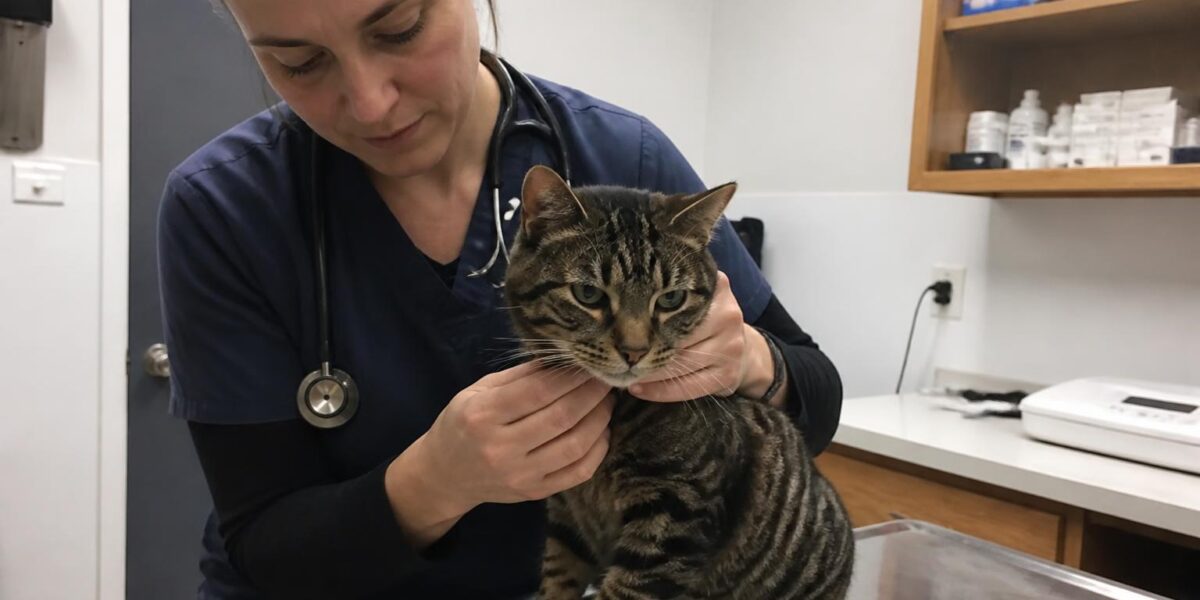
Uveitis in cats is inflammation of the uvea, the middle pigmented layer of the eye. The uvea is made up of three connected structures: the iris (the colored part of the eye), the ciliary body (which produces the watery fluid that fills the front chamber and controls focusing), and the choroid (the vascular layer behind the retina). Inflammation in any or all of these tissues is called uveitis, and feline uveitis is one of the most clinically important eye diseases in cats.
In this article
- What Uveitis in Cats Is
- The Critical Differential List
- Recognizing the Signs
- How Veterinarians Diagnose Feline Uveitis
- Treating the Inflammation
- Treating the Underlying Cause
- Watching for Complications
- Prognosis and Long-Term Outlook
- Living With and Adopting a Cat With Uveitis
- Cost, Insurance, and Long-Term Planning
- Working With Your Veterinary Team
- Frequently Asked Questions
Anterior uveitis affects the iris and ciliary body. Posterior uveitis affects the choroid and adjacent retina. When both are involved, it is called panuveitis. Whatever the location, the underlying message is the same: inflammation in the uvea is rarely an isolated eye problem. It is far more often a sign of systemic disease elsewhere in the body, and the workup almost always extends well beyond the eye itself.
Why this matters: feline uveitis is the leading driver of two of the most serious feline eye conditions, secondary glaucoma and secondary cataracts. Identifying and treating the underlying disease, not just the inflamed eye, is what saves vision and protects long-term quality of life.
The Critical Differential List
Every cat with uveitis deserves a thorough workup for the major underlying causes. The list of usual suspects is well known and most veterinarians work through it systematically.
Feline immunodeficiency virus and feline leukemia virus are common contributors. FIV-positive cats can develop chronic, low-grade uveitis directly from the virus. FeLV is associated with both viral uveitis and lymphoma-driven inflammatory disease. Feline infectious peritonitis, the systemic disease caused by mutated feline coronavirus, has uveitis as a hallmark feature in many cases, particularly the dry form, and is increasingly treatable with newer antivirals.
Toxoplasmosis, caused by the Toxoplasma gondii protozoan, is a classic cause of feline anterior and posterior uveitis. Bartonella, herpesvirus, and other infectious agents are part of the broader differential. Lymphoma, particularly the ocular form, can present as uveitis. Trauma, autoimmune disease, hypertension-related ocular changes, and idiopathic uveitis (no identifiable cause despite a thorough workup) round out the list.
Recognizing the Signs
Anterior uveitis often presents with redness of the eye, squinting, tearing, light sensitivity, a slightly cloudy or hazy front chamber, and a constricted or sluggish pupil. The iris itself may look duller, swollen, or color-changed. In some cases, blood (hyphema), pus (hypopyon), or floating cells are visible in the front chamber. Iris adhesions to the lens, called posterior synechiae, can lock the pupil into an irregular shape.
Posterior uveitis can be subtle. The eye may look outwardly normal, with changes only visible on a fundic exam: chorioretinal lesions, retinal hemorrhage, retinal detachment, or vitritis (inflammation in the vitreous). Vision changes may be the only owner-observable sign, and cats are masters at concealing those.
Systemic signs often accompany feline uveitis. Lethargy, weight loss, decreased appetite, fever, vomiting, or behavioral changes can signal the underlying disease. Always describe these to your veterinarian, even if they seem unrelated to the eye. They help guide the diagnostic workflow.
How Veterinarians Diagnose Feline Uveitis
Diagnosis starts with a careful eye exam. Tonometry measures intraocular pressure, which is often low in active uveitis (a paradoxical “low pressure” pattern that distinguishes uveitis from glaucoma). Magnified inspection of the front chamber identifies cells, flare, hyphema, hypopyon, and synechiae. Pupil dilation lets the back of the eye be examined for chorioretinal disease.
The systemic workup is the heart of the diagnostic plan. Bloodwork typically includes a complete blood count, chemistry panel, urinalysis, FeLV/FIV antigen testing, toxoplasmosis IgM and IgG titers, and feline coronavirus serology in suspect cases. Blood pressure measurement screens for hypertensive uveitis. Chest and abdominal radiographs or ultrasound look for lymphoma or other systemic disease. Ocular ultrasound evaluates the back of the eye when cloudiness limits direct visualization.
For complex or chronic cases, referral to an ACVO board-certified veterinary ophthalmologist and sometimes to an ACVIM internist is the cleanest path. An ophthalmology specialist can perform aqueocentesis (sampling fluid from the front chamber for cytology and PCR) when targeted diagnostics are needed and can guide long-term medical management.
Treating the Inflammation
Topical anti-inflammatory therapy is the cornerstone of symptom control. Topical corticosteroid drops or NSAID drops reduce inflammation in the front of the eye. The choice between them depends on whether a corneal ulcer is present (steroids are contraindicated with active ulcers) and on the chronicity of disease. Pupil-dilating drops, especially atropine, prevent painful adhesions between the iris and lens.
Systemic anti-inflammatory therapy is added when topical alone is insufficient. Oral corticosteroids or NSAIDs are used carefully, weighing the benefits against the risks in cats with infectious disease (corticosteroids can worsen some infections). Systemic immunomodulators have a role in chronic immune-mediated cases.
Pain management matters. Uveitis is a painful disease, and cats hide pain well. Effective control of inflammation is often the best pain control, but additional analgesics may be needed in severe cases or post-procedural settings.
Treating the Underlying Cause
Treating uveitis without addressing its driver is a losing battle. Specific therapies are layered onto the anti-inflammatory protocol based on the underlying cause identified.
Toxoplasmosis is treated with clindamycin or other appropriate anti-protozoal therapy. FIP, once a near-universal death sentence, is increasingly responsive to newer antiviral therapies that have transformed prognosis dramatically. FeLV and FIV cats receive supportive care and, in some cases, antiviral therapy specific to those infections.
Lymphoma is staged and treated with chemotherapy protocols guided by an ACVIM-Oncology specialist. Read more in our guide to lymphoma in cats and the broader feline lymphoma guide. Bartonella and other bacterial infections are treated with appropriate antibiotics. Hypertensive uveitis responds to treatment of the underlying high blood pressure and the conditions that drive it, like chronic kidney disease or hyperthyroidism.
Watching for Complications
Two complications make uveitis especially dangerous: secondary glaucoma and secondary cataracts. Inflammatory cells, fibrin, and synechiae block the drainage angle and let pressure climb. Chronic inflammation disturbs lens metabolism and clouds the lens. Both can blind an eye independent of the underlying systemic disease.
Routine pressure monitoring is part of every uveitis recheck. A cat whose pressure is normal today may have rising pressure in two weeks. Catching it early lets you intervene before significant optic nerve damage occurs. Read more in our guides to feline glaucoma and feline cataracts for the downstream picture.
Other complications include retinal detachment, intraocular hemorrhage, lens luxation from inflammation-driven zonule damage, and corneal scarring. Each of these has its own management considerations and can dramatically affect long-term vision.
Prognosis and Long-Term Outlook
Prognosis depends almost entirely on the underlying cause. Toxoplasmosis-driven uveitis often responds beautifully to anti-protozoal therapy, with substantial recovery of vision and ocular comfort. FIP-related uveitis, with modern antiviral therapy, has a far better prognosis than it did even a few years ago. Idiopathic uveitis can be controlled long-term with chronic topical therapy in many cats.
FeLV, FIV, and lymphoma carry more guarded prognoses, although many of these cats still live good-quality lives for extended periods with appropriate care. The eye-specific picture often follows the systemic picture: when the underlying disease is controlled, the eye settles; when it flares, the uveitis flares with it.
Some cats lose vision in one or both eyes despite optimal care. Even fully blind cats live very full indoor lives. Environmental consistency, scent and texture cues, and thoughtful home setup let most vision-impaired cats thrive.
Living With and Adopting a Cat With Uveitis
Cats with chronic uveitis need consistent topical therapy and regular rechecks with an ophthalmology-aware veterinarian. The drops are typically given once or twice daily. Most cats tolerate them well after a brief learning curve, and owners build the routine into morning and evening rituals.
If your cat has lost vision and you are working on home adjustments, or if you are considering adopting a cat with vision loss, our adopting a blind cat guide, home setup guide, and one-eyed cat adoption guide walk through realistic expectations. These cats often turn out to be among the most affectionate, communicative, and bonded companions in any household.
Cats with FIV or FeLV in addition to uveitis are absolutely adoptable. Indoor-only living, low-stress environments, and routine veterinary care let many of these cats live happily for years. Rescues regularly place them with families who fall hard for their resilience.
Cost, Insurance, and Long-Term Planning
Feline uveitis can be a significant ongoing expense. The diagnostic workup includes bloodwork, infectious disease testing, blood pressure measurement, advanced imaging, and sometimes specialty consultation. Long-term management involves daily topical medications, periodic rechecks, and treatment of any underlying systemic disease.
Pet insurance enrolled before symptoms appear can offset much of this cost. Insurers typically exclude pre-existing eye and systemic disease, so timing matters. CareCredit, payment plans, and rescue-based financial assistance programs can help bridge gaps for cats already in care.
Plan for chronic management. Most cats with idiopathic or post-infectious uveitis need long-term topical therapy and regular monitoring. Building this into your routine and budget at the start makes the long course easier than scrambling at each flare.
Working With Your Veterinary Team
The cats who do best with uveitis are the ones whose owners and veterinarians work as a true team. Bring a written symptom log to every visit. Note when the eye looks more or less red, when discharge changes, when behavior shifts, when stressors at home occurred. These observations often connect dots faster than any single diagnostic test.
Ask questions. What is the suspected underlying cause? What testing has been done, and what is still on the list? What medications are we on, and how do they work? What are the warning signs for an emergency? What is our recheck schedule? Good ophthalmology and internal medicine teams welcome these conversations.
Cross-reference related ocular issues if your cat is showing multiple signs. Conditions like feline conjunctivitis, corneal ulcers, eye infections, and unusual eye discharge can coexist with uveitis and need parallel attention.
Frequently Asked Questions
Is uveitis in cats painful?
Yes. Active uveitis is genuinely painful, although cats hide ocular pain well. Treating the inflammation usually relieves the pain, and many owners notice their cat acts brighter and more affectionate within days of starting effective therapy.
What systemic diseases cause uveitis in cats?
The major causes include FIV, FeLV, FIP, toxoplasmosis, herpesvirus, bartonellosis, lymphoma, hypertension-related disease, autoimmune disease, and trauma. A thorough diagnostic workup is essential because treatment depends on cause.
Can my cat go blind from uveitis?
Untreated or poorly controlled uveitis can lead to blindness through secondary glaucoma, cataracts, retinal detachment, and chronic inflammation. Early diagnosis, treatment of the underlying cause, and ongoing topical therapy prevent vision loss in most cats.
Should my cat see a veterinary ophthalmologist?
Refer to an ACVO board-certified ophthalmologist for chronic, severe, or recurrent uveitis, when secondary glaucoma or cataract develops, when targeted intraocular sampling is needed, or when standard primary-care management is not controlling disease.
Will my cat need lifelong eye drops?
Many cats with chronic or idiopathic uveitis need long-term topical therapy to prevent flares and protect vision. Some cats whose underlying cause resolves can taper off medications. Your veterinary team will guide the duration based on response and recheck findings.


