
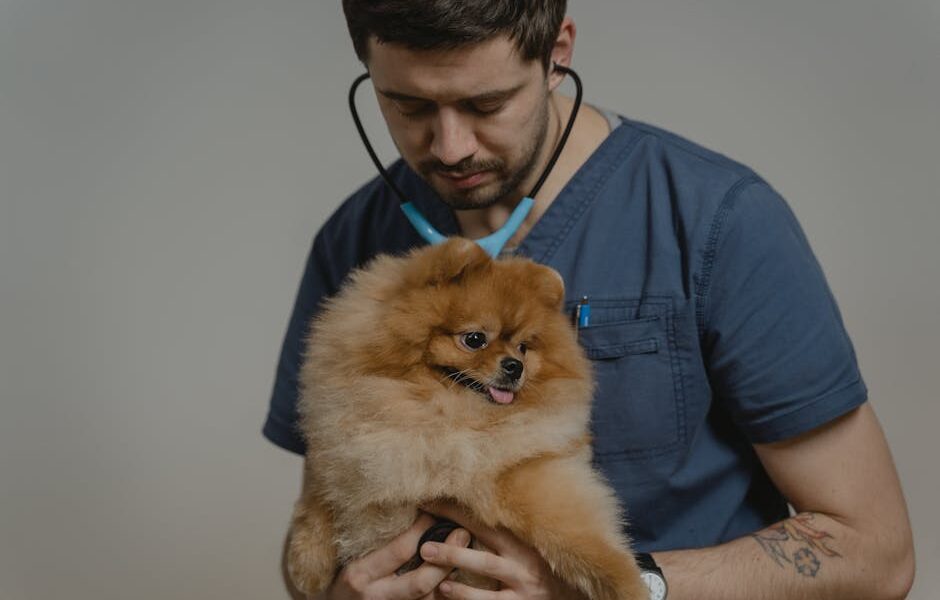
What Veterinary Acupuncture Actually Is
Veterinary acupuncture is the precise insertion of fine, sterile, single-use needles at defined anatomic points to modulate pain, nerve activity, blood flow, and (depending on the practitioner’s framework) the flow of Qi through meridians. In the United States, it is a procedure performed by a licensed veterinarian who has completed a recognized post-graduate certification program — not a separate trade open to non-vet operators. That single fact frames almost every practical decision an owner needs to make about whether and how to try acupuncture for a pet.
In this article
- What Veterinary Acupuncture Actually Is
- Evidence Tier — Strong for Canine OA, Emerging for Most Other Indications
- The Three Main US Certification Pathways
- How a First Acupuncture Session Typically Unfolds
- What Acupuncture Treats Well — and What It Does Not
- Cost Framing — Ranges, Not Static Numbers
- How to Verify a Practitioner’s Credentials
- Acupuncture as Part of a Multimodal Pain Plan
- Owner Role — Observation, Adherence, Advocacy
- When to Refer and When to Defer
- Frequently Asked Questions
The most common needles for dogs and cats are 0.16 to 0.25 mm in diameter, comparable to a strand of human hair. A typical first session involves a complete orthopedic and neurologic exam, a treatment plan, and 15 to 30 minutes of needle dwell time. Most pets tolerate the needling well; many become drowsy and relaxed during the session, which itself is consistent with the endogenous opioid and parasympathetic effects acupuncture is thought to elicit.
Acupuncture is almost never used in isolation. Credentialed integrative DVMs use it as one tool in a multimodal plan that also typically includes weight management, NSAID or other analgesic medication, physical rehabilitation, and joint-supportive supplements. Owners who arrive expecting acupuncture to replace conventional pain control are usually counseled to integrate, not substitute.
Evidence Tier — Strong for Canine OA, Emerging for Most Other Indications
Evidence tier — STRONG for canine osteoarthritis (OA) pain management; EMERGING for most other indications. Multiple randomized controlled trials and the AAHA Pain Management Guidelines (2022 edition) acknowledge acupuncture as a credible multimodal adjunct for canine OA. The World Small Animal Veterinary Association (WSAVA) Global Pain Council and the Veterinary Acupuncture and Rehabilitation Society (VARS) consensus literature treat acupuncture as a legitimate component of comprehensive pain care.
For indications beyond OA — IVDD pain, cancer palliation, chronic visceral pain, behavior overlay — the evidence is EMERGING rather than STRONG. There are credible mechanistic models, supportive case series, and small randomized trials, but the data do not yet rise to the level of meta-analyses with consistent conclusions. The honest framing is: there is plausibility, there is early signal, there is good clinical experience among credentialed practitioners, and there is more research needed.
What acupuncture is not is a cure for cancer, a substitute for IVDD surgery in deep-pain-negative patients, or a stand-alone treatment for serious systemic disease. Owners who hear those claims from a practitioner should consider that a red flag about the practitioner, not a finding about acupuncture.
The Three Main US Certification Pathways
Three programs train the overwhelming majority of US veterinary acupuncturists, each with a distinct philosophical orientation.
IVAS (International Veterinary Acupuncture Society) — founded in 1974, IVAS is the longest-running veterinary acupuncture certification body in the world. The curriculum is TCVM-rooted (Traditional Chinese Veterinary Medicine framework) and trains DVMs in classical point systems, meridian theory, and the integration of acupuncture into general veterinary practice. IVAS-certified veterinarians can be located through the official directory at ivas.org.
CuraCore VET (formerly the Colorado State University Medical Acupuncture for Veterinarians program) — developed and led by Dr. Narda Robinson with historic contributions from Dr. Allen Schoen, CuraCore takes a Western medical-acupuncture approach, framing acupuncture in terms of neuroanatomy, fascia, and pain physiology rather than meridian theory. It is the program of choice for veterinarians who want acupuncture certification within a strictly Western evidence-based framework.
Chi University (formerly the Chi Institute) — founded by Dr. Huisheng Xie in Florida, Chi University trains DVMs in TCVM (acupuncture, Chinese herbal medicine, Tui Na, and food therapy) and is the deepest US training pathway for TCVM-oriented integrative practice. Chi-trained veterinarians frequently use acupuncture alongside the broader TCVM toolkit.
How a First Acupuncture Session Typically Unfolds
The first appointment is usually 60 to 90 minutes — longer than a typical wellness visit because the veterinarian needs to perform a comprehensive integrative intake. Expect a full orthopedic exam (joint range of motion, palpation, pain mapping), a neurologic exam, and a focused review of the medical record. The vet will discuss your goals, set realistic expectations, and propose a treatment plan that names both expected response and the time frame in which to reassess.
Needle insertion itself is usually well-tolerated. Some pets show a brief flinch at insertion of certain points; most relax within minutes. Many dogs lie down and doze during the dwell time. Cats are generally treated for shorter sessions with fewer needles, often using cooperative-care techniques covered in our cooperative care training fundamentals guide.
A typical treatment course starts with weekly sessions for four to six weeks to assess response, then tapers to maintenance every two to four weeks if the pet improves. Owners should expect to commit to at least three to four sessions before judging efficacy; a single session is rarely conclusive.
What Acupuncture Treats Well — and What It Does Not
Conditions where credentialed integrative DVMs frequently use acupuncture, supported by varying evidence tiers, include canine osteoarthritis (strong evidence), intervertebral disc disease pain (emerging), feline degenerative joint disease (emerging), post-surgical pain and recovery (emerging-to-strong), chronic neck and back pain syndromes (emerging), some forms of chemotherapy-related nausea (emerging), and adjunct hospice comfort care.
Acupuncture is not a treatment for infection, fracture, neoplastic mass requiring surgery, organ failure, or any condition where time-sensitive conventional care is needed. A reasonable integrative DVM will say so directly. Acupuncture also does not “balance the body” in some vague preventive sense; it is a targeted procedure with specific indications.
For dogs with chronic pain that is not fully controlled by NSAIDs alone, acupuncture often earns its place as the second or third multimodal layer — alongside weight optimization, joint supplements, rehabilitation, and (in cats) medications such as those discussed in chronic pain management for senior cats and chronic pain management for senior dogs.
Cost Framing — Ranges, Not Static Numbers
Acupuncture session pricing varies significantly by region, practice type (general practice with an acupuncture-certified vet vs. dedicated integrative or rehabilitation practice), session length, and whether electroacupuncture or other adjunctive modalities are added. As a rough framing, an initial integrative consult plus first treatment tends to run materially higher than a follow-up needling session; follow-up sessions tend to be priced similarly to a moderate-length exam in your region. Practices in major metro areas, university referral centers, and DACVSMR-staffed facilities will trend toward the upper end. These figures shift over time and by market; pricing current as of 2024–2025 should be confirmed with the practice directly.
If cost is a constraint, ask the practice about packaged session pricing, whether maintenance can be spaced to every three to four weeks once response stabilizes, and whether home-based supportive work (range-of-motion, gentle massage, environmental modification) can extend the benefit between sessions. Most acupuncturists are willing to coach owners in supportive routines.
How to Verify a Practitioner’s Credentials
Before booking, ask three concrete questions. First: which certification program did you complete (IVAS, CuraCore VET, Chi University, or a recognized equivalent)? Second: are you a DVM or VMD licensed to practice in this state? Third: how many years have you been practicing acupuncture, and what proportion of your caseload involves it? You are not being difficult — you are asking a medical professional about their qualifications, which any credentialed practitioner welcomes.
Confirm IVAS membership at ivas.org, CuraCore VET training through the program directory, and Chi University training through chiu.edu. For rehabilitation-oriented integrative care, a DACVSMR (Diplomate, American College of Veterinary Sports Medicine and Rehabilitation) credential is the boarded specialty; CCRP and CCRT are the major rehab-tech and rehab-vet certificates. Several practitioners hold multiple credentials.
Be cautious of “animal acupuncturists” without a DVM/VMD license. In most US states, performing acupuncture on an animal without veterinary licensure raises legitimate scope-of-practice questions. Veterinary integrative medicine is real medicine practiced by credentialed veterinarians.
Acupuncture as Part of a Multimodal Pain Plan
The AAHA Pain Management Guidelines describe pain control as a multimodal effort — combining pharmaceuticals, physical interventions, environmental modification, and complementary modalities such as acupuncture. For an older dog with OA, the modern plan might include weight optimization, an NSAID, omega-3 supplementation, joint nutraceuticals, structured low-impact exercise, regular rehab, and acupuncture (often with electroacupuncture for chronic refractory pain). Each piece contributes; none does the whole job alone.
Acupuncture pairs particularly well with rehabilitation — many DACVSMR-staffed rehab practices include an IVAS- or CuraCore-certified vet on the team. See our overview of the rehabilitation pathway in canine rehabilitation — CCRP and CCRT for how that integration typically looks in practice.
For OA-specific acupuncture protocols and the evidence behind them, see acupuncture for canine osteoarthritis. For IVDD applications, see acupuncture for IVDD pain management. For electroacupuncture specifically, see electroacupuncture for chronic pain in pets.
Owner Role — Observation, Adherence, Advocacy
Your job through an acupuncture trial is structured observation. Keep a simple log: rest comfort, willingness to take stairs, latency to rise, gait quality on familiar surfaces, appetite, sleep quality. Bring the log to follow-ups. Subjective owner-reported outcome data is how integrative practitioners titrate treatment frequency, because dogs and cats cannot fill out a pain inventory themselves.
Adherence matters. A pet that misses two of the first four sessions is not getting a fair trial. If finances or scheduling will not support a four-to-six-session loading phase, raise that with the vet up front; they may compress the schedule, refer for a more affordable option, or recommend prioritizing other multimodal elements first.
Advocacy means coordinating across providers. Your primary vet, your integrative DVM, and any specialists (oncology, neurology, surgery) should all know what is being added. Acupuncture rarely interacts with medications, but the multimodal plan does need a single coordinator — usually the primary vet.
When to Refer and When to Defer
Refer to a credentialed integrative DVM for chronic pain that is not fully controlled by single-modality conventional care, post-operative rehabilitation pain, neurologic recovery support, hospice comfort care, and chronic conditions where the primary vet has identified acupuncture as a reasonable adjunct. Routing through the primary vet first is almost always the right move — they know the full medical context and can refer appropriately.
Defer acupuncture for acute infectious disease (treat the infection first), undiagnosed weight loss or behavior change (work up the cause), suspected fracture or surgical emergency, or any time the primary vet has identified a time-sensitive conventional intervention as the priority. Acupuncture is not an emergency modality.
For owners managing complex chronic care, the AHVMA (American Holistic Veterinary Medical Association) directory at ahvma.org lists credentialed holistic and integrative DVMs. Several practitioners listed hold IVAS, CuraCore VET, AVCA, or Chi University training in addition to their primary veterinary license.
Frequently Asked Questions
Does veterinary acupuncture hurt my pet?
Most pets tolerate needling well. The needles used are extremely fine — comparable to a strand of human hair — and most insertions cause minimal sensation. Many dogs and cats relax or doze during the dwell time. A brief flinch at a few specific points is common and not concerning.
How many sessions before I know if it is working?
Most integrative DVMs recommend a minimum of three to four sessions before judging response. The standard protocol is weekly sessions for four to six weeks (the loading phase), then maintenance every two to four weeks if the pet improves. A single session is rarely conclusive.
Is veterinary acupuncture covered by pet insurance?
Coverage varies by carrier and policy. Some comprehensive plans cover acupuncture performed by a licensed DVM as part of a treatment plan; others exclude it as “alternative.” Read your specific policy and call the carrier before assuming coverage. Pre-authorization is sometimes available for treatment courses.
Can I see a non-vet acupuncturist for my pet?
In most US states, performing acupuncture on an animal without a veterinary license raises real scope-of-practice questions. The safe, defensible, and clinically sound choice is a DVM or VMD credentialed through IVAS, CuraCore VET, or Chi University. Veterinary acupuncture is real medicine practiced by credentialed veterinarians.
What if my regular vet is skeptical of acupuncture?
Many vets are open to evidence-based integrative care once they see the supporting literature for specific indications (canine OA in particular). Share the AAHA Pain Management Guidelines (2022) reference and ask whether they would coordinate care with an IVAS- or CuraCore VET-certified colleague. Most primary vets will accommodate a referral for a willing client and a reasonable indication.


