
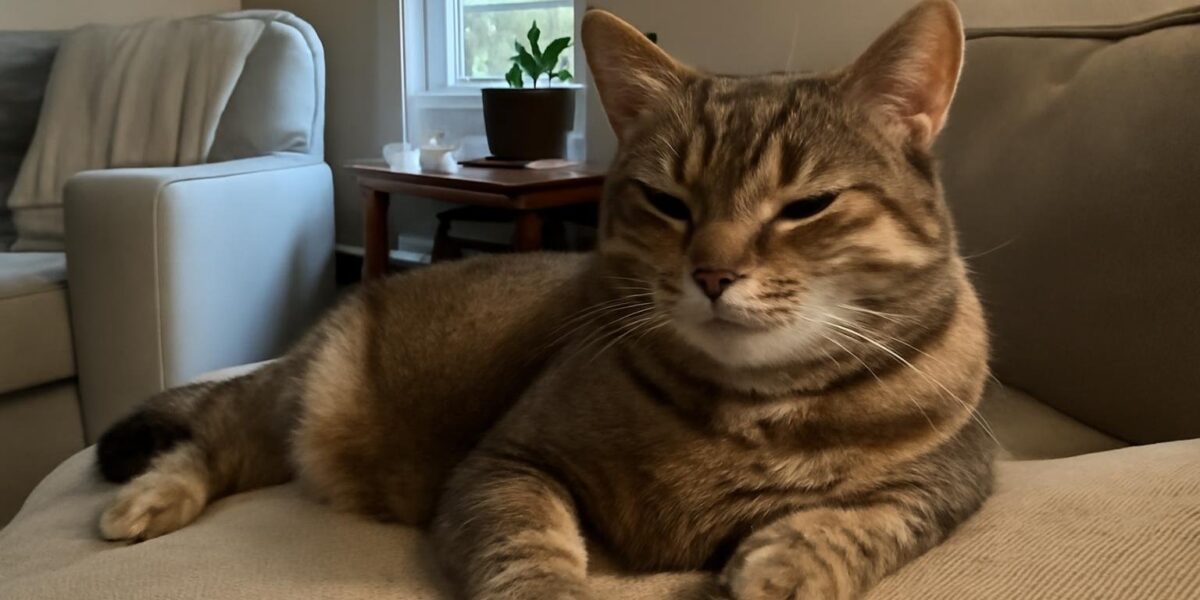
When you notice your cat flatten her ears, she is almost always telling you that something has shifted in her emotional state. Understanding what it means when my cat flattens her ears starts with one rule: context is everything. Flattened ears can signal fear, irritation, defensiveness, or even focused play, and the same gesture can mean very different things depending on what else her body is doing. A single signal is rarely a fixed message, so the goal is to read her ears alongside the rest of her, not in isolation.
In this article
The good news is that ear position is one of the easiest signals to learn, and once you can read it, you will be able to step in before a tense moment turns into a scratch or a hiss. Cats have over a dozen muscles controlling each ear, which makes those ears a remarkably honest mood meter.
The Most Common Meanings of Flattened Ears
Cats flatten their ears for a handful of clear reasons. Once you know them, you can usually tell within a few seconds which one you are looking at.
- Fear or anxiety: Ears pinned low and slightly to the side often mean your cat feels threatened and is trying to make herself small and less of a target.
- Defensiveness or aggression: Ears flattened tightly back against the head, sometimes called “airplane ears,” usually warn that she may swat, hiss, or bite if pushed.
- Irritation or overstimulation: A quick partial flatten during petting can mean she has had enough and wants you to stop.
- Intense focus during play: Ears swiveled back while hunting a toy can be pure predatory concentration, not distress.
- Pain or discomfort: Ears held low and flat, especially with squinting, can point to physical pain rather than an emotional reaction.
Because these meanings overlap, the surrounding situation matters. Ears flattening the instant a vacuum turns on is clearly fear. Ears flattening after ten minutes of belly rubs is far more likely to be overstimulation.
Reading the Rest of Her Body
Your cat’s ears are only one line in a longer sentence. To understand what she is feeling, combine her ear position with her tail, eyes, whiskers, and overall posture.
A frightened cat usually pairs flattened ears with a crouched body, a tucked or low tail, and dilated pupils. She may lean away from whatever is bothering her, trying to shrink down and avoid notice. A defensive or angry cat often adds a puffed tail, an arched back, and a fixed stare, sometimes with a low growl or hiss.
By contrast, a cat who is simply concentrating on a feather wand will keep a loose, springy body, forward-leaning weight, and a tail that twitches with excitement rather than fear. The same back-tilted ears mean something completely different here. Learning to scan the whole picture quickly is the heart of reading feline body language, and you can build that skill by studying our cat body language guide alongside everyday observation.
The eyes are an especially useful companion signal to the ears. Wide eyes with large, round pupils usually mean fear or high arousal, while narrowed, hard eyes can signal irritation or a warning. Soft, blinking eyes almost never accompany truly distressed flattened ears, so if her eyes look relaxed, the ear tilt is probably mild overstimulation or focus rather than real fear.
Whiskers add yet another layer. A frightened cat often pulls her whiskers back flat against her face along with her ears, while an aroused, focused cat pushes them forward. Once you start noticing how ears, eyes, whiskers, and tail move together, you will read your cat’s mood almost instantly, and you will rarely be caught off guard by a sudden swat.
When Flattened Ears Signal Stress or Fear
Stress-related ear flattening tends to appear suddenly and stays put as long as the trigger is present. Common culprits include loud noises, unfamiliar visitors, a new pet, a trip to the vet, or being cornered. Your cat is communicating that she feels unsafe and needs space.
The kindest response is to remove or reduce the trigger and give her a clear exit. Never reach toward a cat with tightly pinned ears and a defensive posture, because that can escalate things quickly. Instead, back off, lower your energy, and let her decide when to come out. For a deeper look at how fear and threat signals stack together, our overview of reading cat body language walks through the warning ladder cats climb before they react.
If you have a multi-cat home, watch for one cat repeatedly flattening her ears around a particular housemate. That can be an early sign of social tension that is easier to manage before it becomes open conflict. Providing plenty of separate resources, such as multiple litter boxes, feeding stations, and elevated resting spots, often eases this kind of tension by reducing competition.
Helping a fearful cat build confidence takes patience. The goal is to let her associate the scary trigger with good things at a distance she can handle, then very gradually decrease that distance over many sessions. Forcing her to face a fear head-on usually backfires and deepens the anxiety. When you respect the flattened-ears signal and back off, you are actually doing the most effective thing: teaching her that she has control and that you will not push past her comfort zone.
When It Means Irritation or Overstimulation
One of the most common everyday flattens happens during petting. A cat who was purring contentedly may suddenly tilt her ears back, twitch her skin, or flick her tail. This is petting-induced overstimulation, and it is your cue to lift your hand.
Cats vary widely in how much touch they enjoy and where. Many love chin and cheek attention but dislike long strokes down the back or any contact near the belly and base of the tail. If you respect the ear signal and stop in time, you teach your cat that she can trust you to listen, which actually makes her more affectionate over time.
Watch for the sequence: relaxed, then ears tilt, then tail flick, then a warning swat. The ears usually move first, so they give you the earliest, gentlest heads-up.
Overstimulation is not a sign that your cat dislikes you. It is simply that touch becomes too much sensory input after a while, and her threshold may be lower than you expect. Some cats can handle only a few strokes before reaching their limit, while others enjoy long sessions. Getting to know your individual cat’s tolerance, and stopping just before she reaches it, leads to far more pleasant interactions for both of you.
A good practice is the “pet, then pause” method: pet for a few seconds, then briefly lift your hand and let her decide whether to ask for more. A cat who wants to continue will lean in, nudge your hand, or stay relaxed. A cat whose ears tilt back or who moves away is telling you she is done, and honoring that keeps her ears in their happy, neutral position more often.
When Flattened Ears Could Mean Pain or Illness
Sometimes ear flattening has nothing to do with mood. A cat who suddenly holds one or both ears low, scratches at her head, shakes it frequently, or paws at an ear may have an infection, ear mites, or a foreign object. Persistent flattening combined with squinting, hiding, reduced appetite, or unusual aggression can point to pain somewhere in the body.
Because cats are experts at masking discomfort, a change in their normal ear carriage is worth noticing. If the flattening is new, constant, or paired with any other symptom, it is time to call your veterinarian. A quick exam can rule out infections and other medical causes that body-language reading alone cannot diagnose.
How to Respond in the Moment
When you see flattened ears, your job is to lower the pressure rather than push through it. A calm, consistent response builds your cat’s confidence and keeps everyone safe.
- Pause whatever you are doing. Stop petting, stop approaching, and give her room.
- Read the full picture. Check her tail, eyes, and posture to decide whether this is fear, irritation, focus, or pain.
- Remove the trigger if you can. Turn off the noise, separate sparring cats, or step back from the situation.
- Offer a safe space. A quiet room, a covered bed, or a tall perch lets her decompress on her own terms.
- Don’t punish. Scolding a scared or overstimulated cat only increases her stress and damages trust.
Over time, you will notice your cat flattens her ears less often around you, because she learns that her early signals are respected and she rarely needs to escalate.
When to Consult a Vet or Behaviorist
Most ear flattening is normal communication and needs no professional help. But certain patterns deserve expert eyes. Reach out to your veterinarian if the flattening is sudden and constant, comes with head shaking or scratching, or appears alongside hiding, appetite changes, or signs of pain.
Consider a certified feline behaviorist if your cat shows frequent fear or defensive ear posturing in everyday situations, if there is ongoing tension between cats, or if previously friendly petting sessions keep ending in flattened ears and swats. A behaviorist can help you map triggers and build a desensitization plan. Pairing that work with the signal-by-signal breakdowns in our comprehensive cat body language signals guide gives you a strong foundation for understanding her.
Frequently Asked Questions
Why does my cat flatten her ears when I pet her?
That is usually overstimulation. Even cats who enjoy attention have a limit, and flattened ears are an early, polite request to stop before she resorts to a swat. Lift your hand and let her reset.
Are flattened ears always a sign of aggression?
No. Ears can flatten during fear, irritation, intense play focus, or pain. The rest of her body, especially her tail, eyes, and posture, tells you which one it is. Aggression usually adds a puffed tail, arched back, and fixed stare.
What do “airplane ears” mean?
Airplane ears, where the ears swivel out flat to the sides, typically signal a frightened or defensive cat who feels cornered. Give her space and avoid reaching toward her until she relaxes.
When should I worry about my cat’s flattened ears?
Worry if the flattening is new and constant, if she shakes or scratches her head, or if it comes with hiding, appetite loss, or other signs of pain. Those patterns warrant a veterinary visit to rule out infection or injury.


