
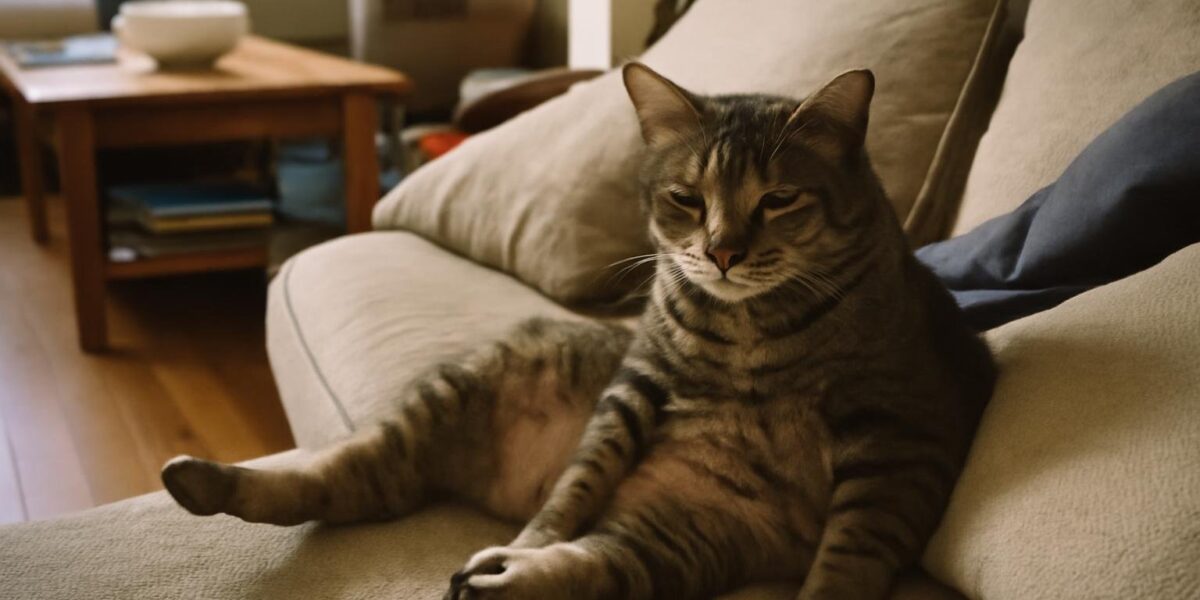
When your cat presses the top of her head into your hand, face, or leg and gives a gentle push, she is paying you a heartfelt compliment. Understanding what it means when my cat headbutts me is mostly happy news: this behavior, properly called “bunting,” is a sign of affection, trust, and bonding, and it is also how your cat marks you with her scent as part of her family. As always, context matters, and the same headbutt can lean toward greeting, claiming, or simply asking for attention depending on the moment.
In this article
- The Most Common Meanings of a Headbutt
- Bunting Versus Head Pressing
- Reading the Rest of Her Body
- When Headbutting Means Pure Affection
- When a Headbutt Might Signal Something Else
- How to Respond to Your Headbutting Cat
- Where Cats Like to Headbutt and Why
- When to Consult a Vet or Behaviorist
- Headbutting Across Different Cats and Life Stages
- Frequently Asked Questions
Bunting is one of the clearest ways cats say “you are mine and I feel safe with you.” Cats reserve this gesture for the people and animals they genuinely trust, so a headbutt is a small ritual of belonging.
The Most Common Meanings of a Headbutt
Headbutting carries several overlapping messages, almost all of them warm.
- Affection: Bunting is a friendly, loving gesture aimed at those she is bonded to.
- Scent marking: Scent glands on her cheeks and forehead transfer her signature onto you, claiming you as part of her group.
- Trust: Exposing her head and getting close shows she feels safe in your presence.
- Greeting: Many cats bunt as a hello when you come home or sit down near them.
- Attention-seeking: A headbutt can be a polite request for petting or interaction.
The scent-marking piece is especially endearing. By rubbing her facial glands on you, your cat is blending her scent with yours and essentially declaring you a trusted member of her colony.
Bunting Versus Head Pressing
It is important to distinguish friendly bunting from a worrying medical sign called head pressing. Bunting is an active, affectionate push of the head into you, usually paired with relaxed, happy body language, purring, and rubbing.
Head pressing, by contrast, is when a cat presses the top of her head against a wall, floor, or other hard surface and holds it there, often compulsively and without any social context. That behavior can signal a serious neurological problem and requires immediate veterinary attention. The two look different in practice: bunting is social and brief, while head pressing is static, repetitive, and aimed at objects rather than people.
Reading the Rest of Her Body
A loving headbutt comes with a whole package of relaxed, affectionate signals. Look for a tail held high, perhaps with a quiver at the tip, soft or slow-blinking eyes, forward ears, and often a purr. She may follow the headbutt with a full-body rub along your hand or legs.
This combination tells you she is content, confident, and seeking closeness. If you want to understand how all these signals fit together, our cat body language guide shows how the tail, ears, and eyes confirm an affectionate mood. Headbutting almost always appears in the context of a happy, secure cat.
The tail held high is one of the most reliable confirmations that a headbutt is friendly. In feline communication, an upright tail is a confident, sociable greeting, the equivalent of an open, welcoming posture. When it is paired with bunting, you can be confident she is in a warm, affectionate frame of mind and genuinely wants to connect with you.
Notice, too, how a bunting cat often follows up. She may circle back for more, weave between your hands, or settle in close once she has marked you. These follow-through behaviors all reinforce that the headbutt was an opening bid for connection, not a one-off gesture. Recognizing the full ritual helps you respond in ways that strengthen your bond.
When Headbutting Means Pure Affection
Most of the time, a headbutt is exactly what it seems: love. Your cat is choosing to be close, marking you as hers, and inviting connection. This is a behavior to welcome warmly, because it reflects a strong bond.
You can return the affection by gently petting her cheeks and forehead, the very areas she is rubbing on you. Many cats love this and will lean in for more. Headbutting often overlaps with related affectionate gestures, and if you are curious about the deeper motivations, our companion article on why cats headbutt their people digs into the bonding science behind it.
Bunting is also part of how cats create what behaviorists call a “group scent.” In a colony, cats rub on one another to blend their individual smells into a shared family scent that signals belonging and reduces tension. When your cat bunts you, she is folding you into that group scent, essentially declaring that you smell like home and family. It is a quiet but powerful sign of acceptance.
This is also why a cat may bunt furniture, doorways, and favorite objects, not just people. She is layering her scent throughout her territory to make the whole environment feel safe and familiar. The fact that she includes you in this scent map means you are a fixed, reassuring part of her world, which is one of the highest forms of feline trust.
When a Headbutt Might Signal Something Else
While bunting is overwhelmingly positive, a few situations are worth noticing. A cat who suddenly becomes extremely clingy and headbutts far more than usual, alongside other changes in behavior, may be seeking reassurance during stress, such as a household change or the arrival of a new pet.
More importantly, never confuse affectionate bunting with the compulsive head pressing described earlier. If your cat is pressing her head into walls or furniture, seems disoriented, or shows other neurological signs like circling or vision changes, treat it as an emergency and call your vet right away. Healthy bunting, in contrast, is brief, social, and paired with happy body language.
How to Respond to Your Headbutting Cat
Bunting is an invitation to connect, so meeting it warmly strengthens your relationship.
- Pet her cheeks and forehead. These are her favorite spots and where her scent glands are.
- Stay calm and gentle. Slow, soft movements keep the moment relaxed and pleasant.
- Offer a slow blink. Returning her affection with a soft, slow blink speaks her language.
- Don’t overdo it. Watch for signs she has had enough, like a flicking tail or tilted ears, and let her set the pace.
By responding to bunting with affection and respect, you reinforce the trust she is showing you. Over time, many cats bunt more often when they learn that their gesture is met with gentle, welcome attention.
If you are building a relationship with a newly adopted or shy cat, an unprompted headbutt is a wonderful milestone. It tells you the cat has begun to feel safe enough to mark you as part of her circle. Let her set the pace, keep your responses calm and low-pressure, and treasure these moments as signs that trust is growing. For rescue cats especially, the first headbutt often marks a turning point in the bond.
Where Cats Like to Headbutt and Why
You may notice your cat directs her headbutts at specific targets: your hands, your face, your legs, or your chin when you lean down. These are the spots she can reach with the top of her head and cheeks, where her scent glands are concentrated. Headbutting your face in particular is a sign of considerable trust, since cats are protective of their own faces and only get that close with those they feel safe around.
Some cats also headbutt while you sleep or first thing in the morning, using a gentle nudge to greet you or ask for attention. Others save their bunting for evening cuddle sessions. The timing usually reflects when your cat feels most relaxed and connected, and learning her preferred moments helps you recognize and welcome the gesture.
If your cat headbutts and then turns her head or body so you can pet a particular spot, she is guiding you toward where she wants attention. Following that lead is a simple way to reward her affection. Cats who feel their requests are understood tend to seek out connection more often, which makes bunting a self-reinforcing part of a happy relationship.
When to Consult a Vet or Behaviorist
Friendly headbutting needs no professional help. But call your veterinarian immediately if you see true head pressing against surfaces, disorientation, circling, or sudden behavior changes, as these can indicate serious medical issues. Also check in if a sudden spike in clingy headbutting comes with other signs of distress.
A certified feline behaviorist can help if increased neediness seems tied to anxiety from a household change. To understand how bunting fits among all of your cat’s affectionate signals, our comprehensive cat body language signals guide offers a helpful, detailed reference as you observe her day to day.
Headbutting Across Different Cats and Life Stages
Not every cat is a frequent headbutter, and the differences usually come down to personality and history rather than how much a cat loves you. Confident, sociable cats often bunt freely and early, while more reserved or independent cats may show affection in quieter ways, such as sitting nearby, slow-blinking, or following you from room to room. A cat who rarely headbutts is not less bonded; she simply has her own dialect of affection, and learning it is part of getting to know her.
Kittens learn bunting from their mother and littermates, rubbing faces as part of forming that shared family scent, so cats raised in social groups often grow into enthusiastic headbutters. Cats who had less early socialization, or who came from rough starts, may take longer to offer the gesture, which is exactly why a first headbutt from a formerly fearful rescue cat is such a meaningful milestone. With patience and a calm, low-pressure presence, many shy cats gradually open up and begin marking their trusted people.
It is also worth watching how bunting changes over time within your own cat. As a bond deepens, headbutts often become more frequent and more relaxed, a sign that your cat increasingly views you as a secure fixture in her world. A sudden, dramatic increase in clingy bunting alongside other changes can occasionally signal she is seeking reassurance during a stressful period, so as always, read the gesture against her usual baseline and the rest of her body language.
Frequently Asked Questions
Why does my cat headbutt me and then rub her face on me?
She is marking you with scent from glands on her cheeks and forehead, blending her smell with yours to claim you as part of her family. It is a loving, trust-filled gesture combining affection and scent marking.
Is headbutting the same as head pressing?
No. Headbutting, or bunting, is an affectionate, social push of the head paired with happy body language. Head pressing is compulsively pushing the head against a wall or surface and can signal a serious neurological problem requiring urgent vet care.
Why does my cat only headbutt me and not visitors?
Because she trusts and bonds with you most. Bunting is reserved for those a cat feels safe with, so being chosen as her headbutting target means you are firmly inside her circle of trust.
Should I headbutt my cat back?
You can gently touch your forehead to hers if she enjoys it, but petting her cheeks and forehead or offering a slow blink usually communicates affection more comfortably and reinforces the bond she is expressing.


