
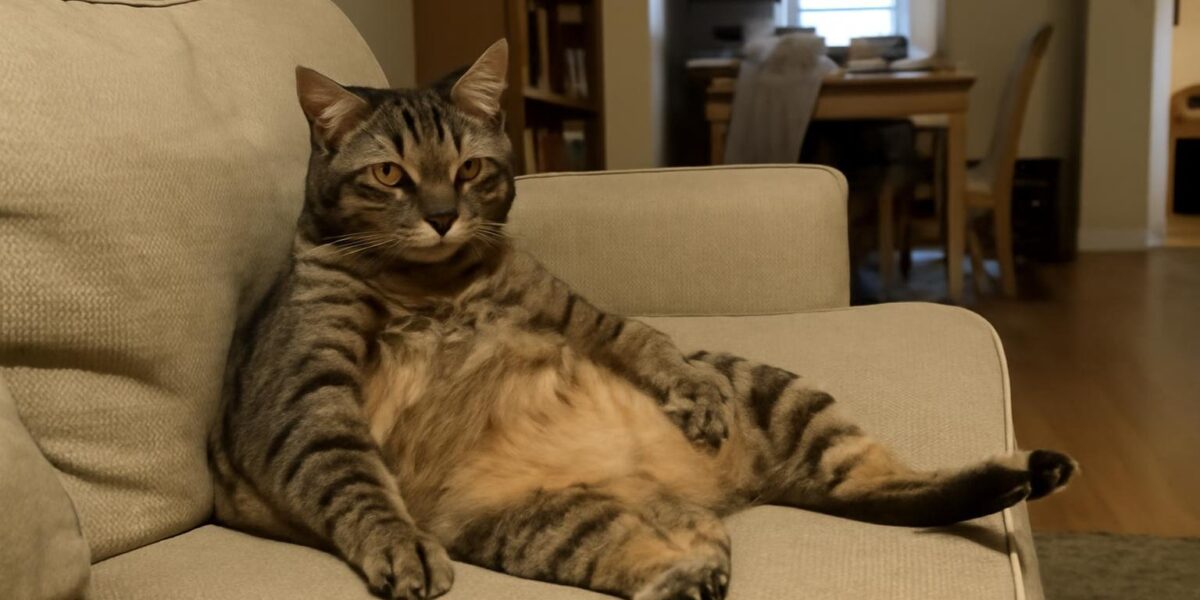
There are few cozier feelings than your cat curling up on your chest and drifting off to sleep. Understanding what it means when my cat sleeps on my chest is mostly heartwarming: it signals deep trust, affection, and a desire for warmth and security, since sleep is when a cat is most vulnerable and she chooses to be exactly where she feels safest. As with every behavior, context matters, and your chest may also appeal to her for its warmth, the soothing sound of your heartbeat, and your familiar scent.
In this article
- The Most Common Meanings of Sleeping on Your Chest
- Reading the Rest of Her Body
- Why the Chest Specifically?
- When Sleeping on Your Chest Means Comfort and Love
- When It Might Signal Stress or a Change
- How to Enjoy It Safely and Comfortably
- What If Your Cat Doesn’t Sleep on You?
- When to Consult a Vet or Behaviorist
- How Life Stage and Season Shape the Habit
- Frequently Asked Questions
Cats do not sleep on just anyone. By settling on your chest, your cat is telling you she considers you a source of comfort and safety. Reading the surrounding signals confirms just how relaxed and bonded she feels.
The Most Common Meanings of Sleeping on Your Chest
Several gentle motives come together when your cat picks your chest as her bed.
- Trust and security: Sleeping in the open requires feeling safe, and choosing you shows profound trust.
- Warmth: Cats love heat, and your body is a warm, steady source of it.
- Your heartbeat and breathing: The rhythm of your chest can be soothing, echoing the comfort of the litter.
- Scent and bonding: Your familiar smell is reassuring, and sleeping on you reinforces your bond.
- Affection: Many cats simply want to be close to the person they love most.
The standout message is trust. A cat’s instinct is to find a secure spot to sleep, and your chest qualifying for that role is a genuine compliment.
Reading the Rest of Her Body
A cat who is content to sleep on your chest shows it all over. Look for a relaxed, loose body, possibly curled or stretched out, soft or closed eyes, neutral ears, and often a purr as she settles. She may knead your chest first, a leftover kitten behavior tied to comfort, before drifting off.
These signals together confirm she feels completely at ease. If her body is tense, her ears are flattened, or she seems restless rather than settling, she may be unsettled by something in the environment instead. Reading these cues is part of interpreting her overall mood, and our cat body language guide shows how relaxed posture, purring, and soft eyes signal true contentment.
Purring is worth a closer look, since it is one of the most common companions to chest-sleeping. While purring usually signals contentment, cats also purr to self-soothe when uneasy or unwell, so read it alongside the rest of her body. A purring cat with soft eyes, a loose body, and an easy posture is genuinely happy. A purring cat who also seems tense or withdrawn may be comforting herself, which is worth noting.
The position she chooses on your chest can be telling as well. A cat curled into a tight ball is conserving warmth and settling in for a serious nap, while a cat sprawled out loosely with her belly partly exposed is in an even deeper state of relaxation and trust. Both are good signs; the sprawl simply reflects an extra layer of security.
Why the Chest Specifically?
Of all the spots your cat could choose, the chest has special appeal. It is warm, slightly elevated, and gives her a good vantage point while keeping her close to your face and scent. The rise and fall of your breathing and the steady thrum of your heartbeat create a soothing, rhythmic environment.
For some cats, this echoes the comfort of huddling with littermates and their mother as kittens. The chest also lets her monitor you, which fits the feline preference for sleeping near, and keeping tabs on, trusted companions. It is a thoughtful, instinct-driven choice, not a random one.
Cats also have a higher body temperature than humans and seek out warmth instinctively, which is why you so often find them in sunny windows, on radiators, or pressed against a warm body. Your chest is a steady, living heat source that does not cool down the way a blanket does. Combined with the security of being close to you, it becomes a near-perfect sleeping spot in her eyes.
There may be a safety element at play too. Sleeping slightly elevated and against you gives her a sense of protection from below and a clear view of the room. Cats are both predators and prey in the wild, so choosing a secure, vantage-rich resting place is deeply ingrained. On your chest, she gets warmth, scent, your reassuring rhythm, and a good lookout all at once.
When Sleeping on Your Chest Means Comfort and Love
The vast majority of chest-sleeping is pure affection and security. When your cat climbs up, kneads, purrs, and settles into sleep, she is choosing you as her safe haven. This is one of the strongest signs of the bond between you, and it is worth treasuring.
You can make these moments better by staying still and calm, keeping the environment quiet, and resisting the urge to move suddenly, which can disturb her rest. If she sleeps on your chest at night and it disrupts your own sleep, gently transitioning her to a warm bed beside you preserves the closeness while letting you both rest. Many cats show this same trust by sleeping against you in other ways, so it fits a broader pattern of seeking your company at rest.
When It Might Signal Stress or a Change
While chest-sleeping is overwhelmingly positive, a sudden increase in clinginess can occasionally reflect insecurity. A cat coping with a household change, a new pet, or a disrupted routine may seek extra closeness for reassurance. In that case, you would also notice other stress signals during waking hours, like hiding, vigilance, or appetite changes.
Likewise, a cat seeking unusual warmth and constant contact, paired with lethargy or other symptoms, occasionally points to feeling unwell, since sick cats sometimes seek comfort and heat. The key is to look at the whole picture: a happy, relaxed cat sleeping on your chest is simply showing love, while one displaying other distress or illness signs deserves a closer look.
How to Enjoy It Safely and Comfortably
Chest-sleeping is lovely, but a few practical tips keep it pleasant for both of you.
- Keep her nails trimmed. This reduces accidental scratches during kneading and settling.
- Maintain good hygiene. Regular vet care and parasite prevention keep close contact healthy.
- Offer a warm alternative. A heated bed beside you can satisfy her warmth needs if you want a break.
- Move gently. If you need to get up, ease her off slowly rather than startling her.
- Watch for allergies. If close contact triggers symptoms, keeping cats off the bed and washing bedding helps.
With these small adjustments, you can enjoy the closeness while keeping everyone comfortable and safe.
What If Your Cat Doesn’t Sleep on You?
If your cat prefers to sleep nearby rather than directly on your chest, do not read it as a lack of love. Sleeping preferences are highly individual and influenced by temperature, personality, and habit. Many deeply bonded cats choose a spot at the foot of the bed, on a nearby chair, or curled against your side rather than on your chest, and these are all signs of trust.
Some cats also avoid the chest simply because it moves too much. Your breathing, shifting, and rolling over can disturb a light sleeper, so she may opt for a more stable surface close to you instead. Others find a cool spot more comfortable in warm weather and seek out your warmth only when it is chilly. None of this reflects on the strength of your bond.
What matters most is whether your cat seeks proximity to you in general. A cat who rests in the same room, follows you from place to place, or settles within arm’s reach is showing she enjoys your company. The chest is just one of many cozy options, and her choice often comes down to comfort and temperature as much as affection.
When to Consult a Vet or Behaviorist
Sleeping on your chest is normal and healthy, so it rarely needs professional input. Still, consult your veterinarian if your cat suddenly becomes unusually clingy and seeks constant warmth alongside lethargy, appetite loss, or other symptoms, since changes in behavior can signal illness.
A certified feline behaviorist can help if increased neediness seems linked to anxiety from a household change. For a deeper look at the bonding behind sleeping close, our companion article on why cats sleep on their owners explores the science, and the broader comprehensive cat body language signals guide helps you read her relaxation cues with confidence.
How Life Stage and Season Shape the Habit
Where and how often your cat sleeps on your chest often tracks with her age and even the time of year, which makes the behavior easier to understand in context. Kittens and young cats, fresh from the warmth and security of sleeping in a pile with littermates, frequently seek out a chest to recreate that snug, heartbeat-rich comfort. For a young cat, your chest is the closest thing to the cozy huddle she grew up with, so the choice is as instinctive as it is affectionate.
Older cats sometimes lean into chest-sleeping for slightly different reasons. As cats age, they can feel the cold more and may seek out the steady warmth of a human body more deliberately, especially during cooler months. A senior cat who suddenly wants far more close, warm contact than usual is usually just enjoying the heat and closeness, but if the new clinginess pairs with lethargy, stiffness, or other changes, it is worth a gentle vet check, since unwell cats sometimes seek extra comfort and warmth.
Season plays a surprisingly large role for cats of every age. Many cats become devoted chest-sleepers in winter and drift to cooler, more distant spots in the heat of summer, choosing a tiled floor or a breezy windowsill over a warm body. This ebb and flow is completely normal and says nothing about the strength of your bond. A cat who snuggles close when it is chilly and spreads out elsewhere when it is warm is simply being a sensible, comfort-seeking creature, and her trust in you remains exactly the same.
Frequently Asked Questions
Why does my cat choose to sleep on my chest instead of elsewhere?
Your chest offers warmth, the soothing rhythm of your heartbeat and breathing, your familiar scent, and a sense of security. Choosing it shows she trusts you deeply and feels safest sleeping close to you.
Is it safe to let my cat sleep on my chest?
For most people, yes, as long as you keep your cat’s nails trimmed and maintain good vet care and parasite prevention. If you have allergies, asthma, or disrupted sleep, a warm bed beside you preserves the bond more comfortably.
Why does my cat knead my chest before sleeping?
Kneading is a comforting, instinctive behavior tied to nursing as a kitten. Kneading your chest before settling signals contentment and security, a sign she feels relaxed and bonded with you before drifting off.
Should I worry if my cat suddenly wants to sleep on my chest all the time?
Usually it is just affection. Worry only if the new clinginess comes with lethargy, appetite changes, hiding, or other symptoms, which can indicate stress or illness and warrant a veterinary check.


