
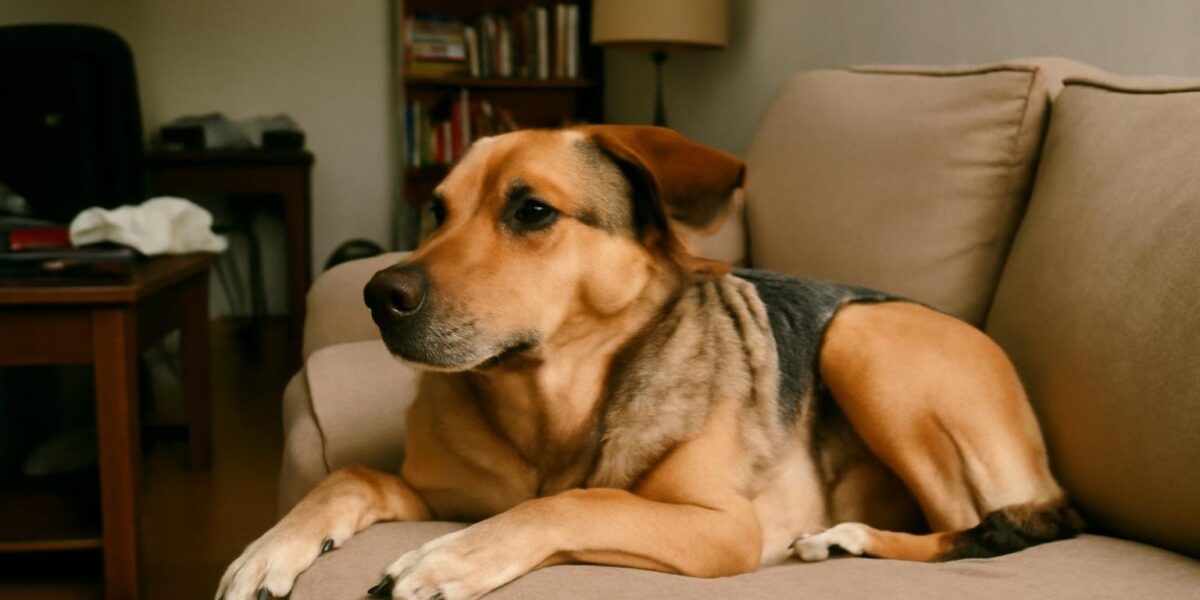
The Quick Answer: Panting Is Not Always About Temperature
If you have asked yourself what does it mean when my dog pants when it is not hot, the short answer is that panting is your dog’s main cooling system, but it is also a window into how he is feeling. When the room is cool and your dog has not been exercising, off-temperature panting often points to stress, excitement, pain, or a medical issue rather than heat.
In this article
- The Quick Answer: Panting Is Not Always About Temperature
- Stress and Anxiety
- Excitement and Anticipation
- Pain or Discomfort
- Medical Causes Worth Knowing
- How to Read Panting With the Rest of the Body
- When to Call the Veterinarian
- Panting in Specific Situations
- Helping an Anxious or Panting Dog
- Frequently Asked Questions
This does not mean you should panic. Plenty of cool-weather panting is harmless excitement or mild anxiety that passes quickly. The goal is to read the panting in context, alongside the situation and your dog’s other body signals, so you know when it is no big deal and when it deserves a closer look or a call to the vet.
Stress and Anxiety
One of the most common reasons for panting when it is not hot is emotional. Dogs pant when they feel stressed, nervous, or overwhelmed, and this can happen during thunderstorms, fireworks, vet visits, car rides, or any situation your dog finds unsettling.
Stress panting usually comes with other anxiety signals. Watch for a tense body, ears held back, a tucked or low tail, lip licking, yawning, pacing, or wide eyes that show the whites. Your dog may also seek you out, hide, or struggle to settle.
If you spot these signs, the panting is likely emotional. Help by lowering the intensity of whatever is worrying your dog, keeping your own energy calm, and offering a safe, quiet space. To get better at spotting these stress clusters, the dog body language guide is a useful reference.
Excitement and Anticipation
Not all off-temperature panting is negative. Dogs also pant when they are excited or anticipating something good, like a walk, a visitor, mealtime, or a favorite game. This is a happy, energized panting that tends to come and go quickly.
You can recognize excited panting by the upbeat body language that surrounds it: a wagging tail, a loose and wiggly body, bright eyes, and an eagerness to engage. Your dog may bounce around, grab a toy, or zoom in circles.
This kind of panting is nothing to worry about and usually settles once the exciting moment passes. It is simply your dog’s enthusiasm spilling over into his breathing.
Pain or Discomfort
Dogs are stoic about pain, and panting can be one of the few outward clues that something hurts. A dog who pants for no obvious reason, especially while resting, restless, or reluctant to move, may be uncomfortable.
Signs that panting could be pain-related include:
- Panting at rest, with no heat or excitement to explain it
- Restlessness, trouble getting comfortable, or pacing
- Reluctance to move, stiffness, or guarding part of the body
- Trembling, a hunched posture, or changes in appetite
Because dogs hide pain so well, this kind of panting deserves attention. If you cannot explain the panting and it persists, or it comes with any of these signs, it is worth a veterinary exam to find the source.
Medical Causes Worth Knowing
Several health conditions can cause a dog to pant when it is not hot, which is why persistent, unexplained panting should never be ignored. Heart and lung problems can reduce oxygen delivery and trigger panting, while conditions affecting hormones can do the same.
Some medications, including steroids, can increase panting as a side effect. Older dogs may pant more due to a range of age-related issues. The point is not to diagnose your dog at home but to recognize that off-temperature panting can have real medical roots, so a vet’s input matters when it becomes a pattern.
Keep a mental note of when the panting happens, how long it lasts, and what else is going on. That information helps your veterinarian narrow down the cause far more quickly.
It also helps to know your dog’s normal breathing baseline. A relaxed, resting dog who is not hot generally breathes quietly through the nose, so any shift to open-mouthed panting at rest is a meaningful change worth tracking. Some owners find it useful to count their dog’s resting breaths now and then while he sleeps, since a normal sleeping respiratory rate is fairly steady and a noticeable rise can be an early clue that something is off.
None of this means you should expect the worst every time your dog pants. Most off-temperature panting has an ordinary explanation, and recognizing your dog’s individual patterns simply makes it easier to tell the harmless episodes from the ones that deserve a closer look. The more familiar you are with what is normal for your dog, the more confident you will feel deciding when to relax and when to call your vet.
How to Read Panting With the Rest of the Body
The same heavy breathing can mean joy, fear, or pain, so the surrounding signals tell you which it is.
- Happy panting: Loose body, wagging tail, bright eyes, before something fun.
- Stress panting: Tense body, ears back, tucked tail, lip licking, in a worrying situation.
- Pain panting: At rest, restless, stiff, hunched, with no clear trigger.
- Medical panting: Persistent, unexplained, possibly with coughing, weakness, or other symptoms.
Context is everything. A dog panting because the doorbell just rang is very different from a dog panting alone in a quiet room at midnight. Our article on why dogs pant in the car is a helpful companion read for the stress-related side of this behavior.
When to Call the Veterinarian
Most occasional, situational panting resolves on its own, but some panting calls for prompt veterinary attention. Contact your vet, or an emergency clinic if it is severe, when you notice:
- Sudden, heavy, or frantic panting with no clear cause
- Panting that comes with pale or bluish gums, weakness, or collapse
- Labored breathing, coughing, or noisy breathing
- Panting alongside signs of pain, distress, or a bloated abdomen
- Persistent, unexplained panting that does not match the situation
Trust your instincts. You know your dog’s normal breathing, and a clear departure from that baseline is always worth checking. It is far better to ask your vet and be reassured than to wait on something that turns out to need care.
Panting in Specific Situations
Looking at when the panting happens is one of the fastest ways to figure out why. The same heavy breathing means very different things depending on the moment, so use the situation as your first clue.
- In the car: Often stress or motion-related anxiety, especially if paired with drooling and restlessness.
- Before a walk or visitor: Usually happy excitement that fades once the fun begins.
- During storms or fireworks: Classic stress panting, often paired with hiding, pacing, or trembling.
- Quietly at rest, no trigger: The kind that most warrants attention, since it can mean pain or a medical issue.
- At night in an older dog: Worth a vet check, as it can relate to pain, anxiety, or age-related conditions.
Keeping a simple mental log of when and where the panting occurs gives both you and your veterinarian valuable clues. Patterns tend to reveal the cause far more clearly than any single episode.
Helping an Anxious or Panting Dog
When panting is rooted in stress, your calm presence is one of the most powerful tools you have. Dogs read our energy quickly, so staying relaxed and matter-of-fact helps your dog borrow some of your steadiness rather than feeding off your worry.
For situational anxiety like storms or car rides, you can soften the trigger where possible: create a cozy retreat, use background sound to mask scary noises, or build up positive associations gradually over time. Avoid scolding a panting, anxious dog, since fear cannot be punished away and that only adds to the stress. Instead, reward calm moments and let your dog choose a safe place to settle.
For dogs whose anxiety is frequent or intense, a positive-reinforcement trainer, a behaviorist, or your veterinarian can help with a tailored plan, which may include behavior work and, in some cases, support medication. And whenever panting seems tied to feeling unwell rather than emotions, treating the underlying cause is what truly resolves it, so a vet visit comes first. A dog who feels safe and well will pant far less often when the temperature is not the reason.
One helpful habit is to treat panting as a piece of information rather than a verdict. By itself, off-temperature panting does not tell you whether your dog is thrilled, nervous, or unwell, so resist the urge to jump to conclusions in either direction. Instead, take a breath, look at the whole situation, and ask what else your dog’s body is doing. That calm, observant approach will steer you to the right response far more reliably than panic.
Over time, you will build a clear sense of your dog’s normal patterns: which situations reliably produce happy panting, which ones trigger nerves, and what his quiet resting breathing looks like. That familiarity is your most valuable tool. It lets you relax through the ordinary episodes and act quickly on the unusual ones, and it gives your veterinarian the kind of specific, observant information that makes pinpointing a cause so much faster.
Frequently Asked Questions
Why is my dog panting at night when it is cool?
Nighttime panting in a cool room can be stress, mild discomfort, or a medical issue, especially in older dogs. If it happens regularly, keeps your dog from settling, or comes with restlessness or other symptoms, have your veterinarian check for an underlying cause.
Is panting from anxiety harmful to my dog?
Occasional stress panting that resolves once the trigger passes is not harmful, but chronic anxiety is hard on a dog’s wellbeing. If your dog frequently pants from fear or stress, work on reducing triggers and consider help from a trainer, behaviorist, or your vet.
How can I tell stress panting from pain panting?
Stress panting is usually tied to a worrying event and comes with anxiety signals like a tucked tail and lip licking. Pain panting often happens at rest with no trigger, alongside restlessness, stiffness, or a hunched posture. When unsure, consult your vet.
When is panting an emergency?
Seek immediate care if panting is sudden and frantic, comes with pale or blue gums, weakness, collapse, labored or noisy breathing, or a swollen belly. These can signal serious problems that need urgent veterinary attention.


