
Last updated: March 26, 2026
In this article
Why Do Cats Get the Zoomies?
One moment your cat is sleeping peacefully on the couch. The next, she is sprinting from room to room, launching herself off the furniture, and skidding across the hardwood floor at full speed — then stopping as abruptly as she started. If you have shared your home with a cat, you have almost certainly witnessed this spectacle. Veterinarians and animal behaviorists call it a FRAP — a Frenetic Random Activity Period — but most cat owners simply call it the zoomies. So why do cats get the zoomies, and is there anything you should do about it? Read on for a complete breakdown of this quirky feline behavior.
What Are Cat Zoomies?
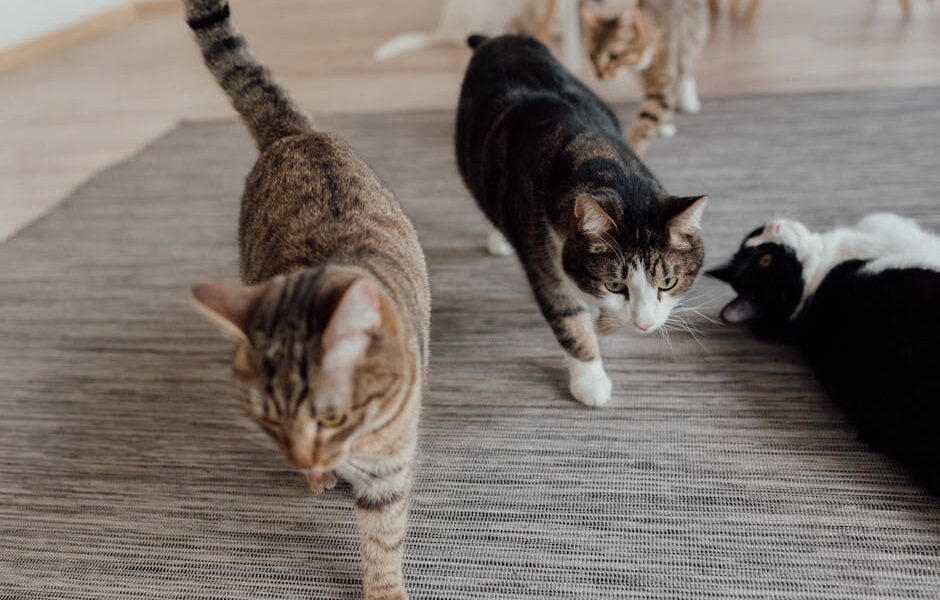
Cat zoomies are sudden, intense bursts of movement that appear completely spontaneous. Your cat may tear through the house, leap onto and off of furniture, chase an invisible target, or engage in what looks like a frantic wrestling match with thin air. A typical episode lasts anywhere from a few seconds to a couple of minutes, after which your cat will often sit down and begin grooming herself as if nothing happened.
FRAPs are not unique to cats. Dogs, rabbits, and even horses experience them. In cats, however, the behavior is especially pronounced because cats are built for explosive speed and agility rather than sustained endurance. Their muscular hind legs, flexible spine, and sharp claws are perfectly engineered for short, violent bursts of activity — which is exactly what a set of zoomies looks like from the inside.
Why Do Cats Get the Zoomies?
There is rarely a single explanation for why do cats get the zoomies. In most cases, several overlapping factors are at work. Understanding each one can help you predict when a FRAP is coming and respond appropriately.
Pent-Up Energy
Cats sleep between 12 and 16 hours a day, which means they spend the rest of their time with a significant energy surplus. Indoor cats in particular have limited opportunities to burn that energy through natural activities like hunting, climbing, and exploring large territories. When the pressure builds high enough, it releases all at once as a zoom. Think of it as the feline equivalent of a shaken soda bottle finally losing its cap.
Post-Poop Zoomies
Many cat owners notice that their cats race around the house immediately after using the litter box. This phenomenon — affectionately dubbed “post-poop zoomies” — has a plausible physiological explanation. The vagus nerve runs from the brain through the digestive tract, and stimulation of that nerve during a bowel movement can trigger a brief rush of energy or even mild euphoria. A sprint may simply be your cat’s way of processing that sensation. If the zoomies are accompanied by signs of straining, blood in the stool, or crying in the box, however, a veterinary check is warranted.
Hunting Instinct
Even the most pampered house cat is, at heart, a small predator. Domestic cats retain the full hunting drive of their wild ancestors, complete with the stalk, pounce, and chase sequence. When that instinct has nowhere to direct itself — no live prey, insufficient interactive play, or a lack of enrichment — it can erupt as a FRAP. The cat is essentially running a hunting simulation in her head, and her body follows along.
Middle-of-the-Night Zoomies
Cats are crepuscular, meaning they are naturally most active around dawn and dusk. Many cats also shift toward nocturnal activity when they live with humans who are busy during the day and quiet at night. If your cat’s most reliable zoom time is 3 a.m., this is normal crepuscular behavior — though it is also a strong sign that an evening play session before bedtime would benefit everyone in the household.
Excitement and Play
Sometimes a zoom is simply an expression of joy. A crinkle of a toy package, the sound of a familiar person coming home, or the sight of a feather wand can be enough to set off a burst of playful energy. In this context, zoomies are a healthy and welcome sign that your cat is engaged with her environment and feeling comfortable enough to let loose.
Kittens vs. Adult Cats
Kittens zoom far more frequently than adult cats because they are still developing motor skills, exploring their environments, and have seemingly inexhaustible energy. Adult cats tend to zoom less often, and senior cats less still. If an older cat who rarely zoomed suddenly starts experiencing frequent FRAPs, that change in pattern is worth discussing with a veterinarian.
Are Zoomies Normal?
Yes — in most cases, zoomies are a completely normal part of feline life. They are one of the most common behavioral questions that cat owners bring to veterinarians, and the answer is almost always reassuring. A cat who zooms regularly is generally a cat who is physically healthy, mentally stimulated, and comfortable in her environment. The behavior is especially common in younger cats and in cats who live primarily indoors.
As long as your cat is eating and drinking normally, using the litter box without difficulty, maintaining a healthy weight, and showing no signs of pain or distress, you can watch the zoomies with amusement rather than alarm. They are simply your cat being a cat. For more guidance on everyday feline wellness, visit our cat care blog.
When Zoomies Signal a Problem
While most zoomies are harmless, there are situations where a sudden increase in frantic activity — or a change in the character of that activity — can point to an underlying health concern.
Pain or Skin Irritation
Cats experiencing pain, itching, or skin discomfort may run in ways that look like zoomies but are actually attempts to escape a sensation they cannot identify or relieve. Flea infestations, allergies, anal gland issues, or internal discomfort can all manifest as sudden, agitated movement. If your cat’s “zoomies” are accompanied by excessive scratching, biting at the skin, vocalizing, or a hunched posture, schedule a veterinary visit.
Hyperthyroidism
Hyperthyroidism is one of the most common endocrine disorders in middle-aged and senior cats. An overactive thyroid gland floods the body with excess thyroid hormone, leading to hyperactivity, restlessness, increased appetite alongside weight loss, and sometimes vocalization. If your cat is over eight years old and suddenly seems unable to settle down, a simple blood panel can rule hyperthyroidism in or out.
Cognitive Dysfunction in Senior Cats
Feline cognitive dysfunction syndrome — sometimes called feline dementia — can cause confusion, disorientation, and episodes of aimless pacing or racing that resemble zoomies. Unlike normal FRAPs, these episodes may occur at unusual times, be accompanied by loud vocalization (especially at night), or leave the cat looking distressed rather than playful. Any senior cat showing these signs deserves a thorough veterinary evaluation.
How to Manage Zoomies
You cannot — and should not — try to stop normal zoomies entirely. They serve a real behavioral and physical purpose. What you can do is channel that energy in ways that work better for both you and your cat.
Increase Interactive Play
The single most effective tool for reducing disruptive zoomies is a consistent daily play routine. Wand toys, feather teasers, laser pointers (always finished with a physical toy the cat can catch), and battery-powered automated toys all give your cat an appropriate outlet for her hunting drive. Aim for two 10-to-15-minute play sessions per day, and pay attention to when your cat tends to zoom — then schedule a play session just before that window.
Establish a Routine
Cats thrive on predictability. Feeding, play, and sleep at consistent times each day helps regulate your cat’s internal clock and reduces the likelihood of energy surges at inconvenient hours. A cat who expects a play session before dinner is less likely to go rogue at midnight.
Focus on Evening Exercise
If nighttime zoomies are disrupting your sleep, move your most vigorous play session to the hour before you go to bed. Follow it with a meal — mimicking the natural hunt-catch-eat-groom-sleep sequence — and your cat is far more likely to settle down for the night alongside you.
Enrich the Environment
Cat trees, window perches, puzzle feeders, and rotating toy selections give your cat mental and physical stimulation throughout the day, reducing the likelihood that energy will accumulate to zoom-inducing levels. Even simple changes — a cardboard box, a paper bag with the handles removed, or a new view from a window ledge — can make a meaningful difference.
Frequently Asked Questions
How long do cat zoomies usually last?
Most FRAPs last between 30 seconds and three minutes. A cat who is racing around for longer than that, especially if she appears distressed or unable to calm down, is worth watching closely. If the episode is prolonged or accompanied by other unusual symptoms, contact your veterinarian.
Should I try to stop my cat when she is zooming?
In most cases, no. Trying to physically stop a cat mid-zoom can result in a scratch or bite, not out of aggression but because the cat is in a highly stimulated state and may startle easily. The safest approach is to step out of the way, remove any fragile objects from the path, and let the episode run its course. If you are concerned about the safety of your home environment, redirect the zoom toward a designated play area.
Do indoor cats get the zoomies more than outdoor cats?
Generally, yes. Outdoor cats have access to a constant stream of stimulation — territory to patrol, prey to stalk, environmental novelty — that dissipates excess energy throughout the day. Indoor cats have a more restricted environment, which means energy is more likely to accumulate and release in sudden bursts. This is one reason why indoor enrichment and daily interactive play are so important for indoor cat welfare.
At what age do cats stop getting the zoomies?
There is no fixed age at which cats stop experiencing FRAPs entirely. Most cats zoom less frequently as they move from kittenhood into adulthood, and senior cats tend to zoom rarely if at all. However, individual variation is wide — some adult cats remain high-energy and zoom well into middle age, while others naturally mellow earlier. A gradual decrease in zoomies as your cat ages is normal; a sudden stop in a cat who previously zoomed regularly could indicate pain or illness and is worth discussing with your vet.


