
Last updated: April 9, 2026
In this article
Why Does My Cat Lick Me? Meanings Behind Cat Licking
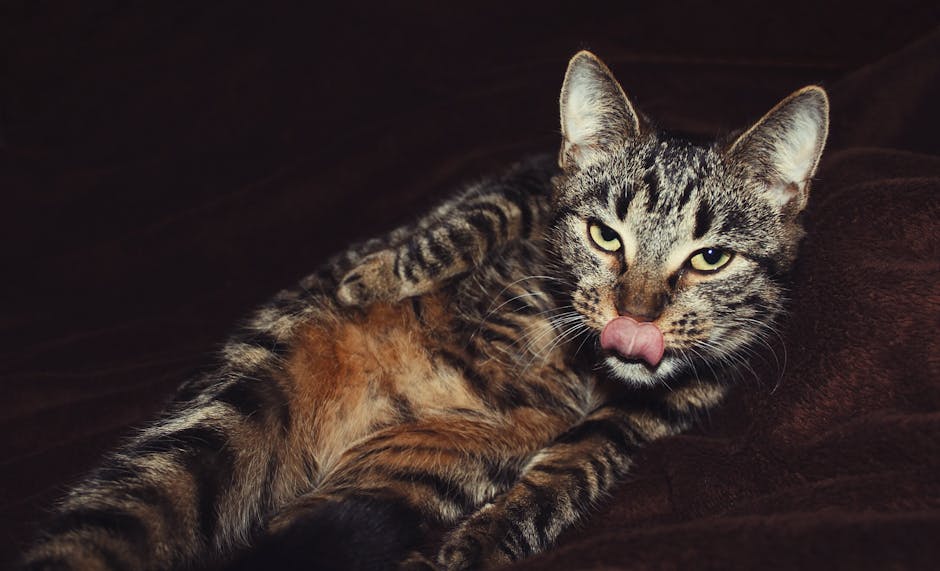
You are sitting on the couch when your cat climbs into your lap, settles in, and begins licking your hand with that sandpaper tongue. It is endearing at first, but after a minute or two, you start to wonder — why does my cat lick me? Is it affection? Hunger? Something else entirely?
Cat licking is one of the most universal feline behaviors, yet its meaning is surprisingly layered. Unlike dogs, who lick as a broad social greeting, cats are far more selective about who and when they lick. If your cat is licking you, it means something specific, and understanding what that something is can deepen your relationship and help you recognize when the behavior might signal a problem.
This guide covers the ten most common reasons cats lick their owners, what each type of licking looks like in practice, and how to tell the difference between normal affectionate licking and compulsive behavior that may need veterinary attention. Whether you have a cat that licks you once a day or one that will not stop licking every time you sit down, you will find your answer here.
The Grooming Instinct
To understand why your cat licks you, you first need to understand how central grooming is to feline life. Cats spend an estimated thirty to fifty percent of their waking hours grooming. It is not vanity — grooming serves critical functions including temperature regulation, parasite removal, wound care, scent distribution, and stress relief. A cat’s tongue is covered in tiny backward-facing barbs called papillae, which are made of keratin (the same material as human fingernails) and function like a built-in comb and cleaning tool.
In multi-cat households and feral colonies, grooming extends beyond self-care into social grooming, known as allogrooming. Cats that share a close bond will groom each other — licking the head, neck, and areas the other cat cannot easily reach on their own. Allogrooming serves to reinforce social bonds, reduce tension within the group, and create a shared colony scent that identifies members of the same social unit.
When your cat licks you, they are often extending this same allogrooming behavior to you. In your cat’s mind, you are part of their social group — perhaps the most important member — and grooming you is a natural expression of that bond. It is the feline equivalent of a close friend fixing your collar or brushing lint off your shoulder. The instinct runs deep, and it is one of the clearest signs that your cat considers you family.
Showing Affection
The most common reason your cat licks you is simple: they love you. Licking is one of the primary ways cats express affection toward the humans they trust most. If your cat licks your hand, face, or hair during quiet moments — while you are relaxing on the couch, lying in bed, or sitting at your desk — it is almost certainly an expression of love and attachment.
Affection licking tends to follow specific patterns. Your cat will usually be relaxed, with a soft body posture, half-closed eyes, and possibly a gentle purr. The licking is typically slow and rhythmic, focused on one area, and often accompanied by other affectionate behaviors like kneading, headbutting, or curling up against you. Some cats will alternate between licking and gentle nibbling — a behavior pattern that mirrors exactly how they groom other cats they are bonded to.
Not all cats express affection through licking. Some prefer headbutts, slow blinks, or simply being in the same room as you. The degree to which a cat licks their owner varies by individual personality and, to some extent, by breed. Breeds known for strong human attachment — such as Siamese, Ragdoll, Burmese, and Maine Coon cats — tend to be more prolific lickers than more independent breeds. If you are curious about which breeds are known for being especially affectionate, our cat breeds directory includes temperament profiles for dozens of popular and rare breeds.
Marking Territory
Cats are territorial animals, and scent plays a central role in how they define and defend their space. Cats have scent glands in their cheeks, chin, paws, and flanks, and they use these glands to mark objects, furniture, doorways, and — yes — people. But scent marking is not limited to rubbing. Licking also deposits saliva, which carries chemical markers unique to your cat. When your cat licks you, they are layering their scent onto your skin, effectively marking you as “theirs.”
This is not possessive behavior in the way humans might interpret it. In the feline world, scent marking is about creating a sense of familiarity and security. A cat that marks you with their scent is saying “this person is part of my territory, and I feel safe with them.” It is one of the highest compliments a cat can pay.
You may notice your cat licks you more intensely after you return home from being out, after you shower, or after you have been around other animals. In each of these cases, your familiar scent has been diminished or overwritten, and your cat is working to restore it. The behavior is essentially a feline reset button — a way of re-establishing the scent bond that tells your cat their world is in order.
Seeking Attention
Cats are excellent observers of cause and effect. If your cat licks your hand and you respond by petting them, talking to them, or giving them a treat, they quickly learn that licking is an effective tool for getting your attention. Over time, this can become a learned behavior that has less to do with instinct or affection and more to do with a simple equation: licking equals attention.
Attention-seeking licking tends to look different from affection licking. Rather than slow, relaxed grooming, the cat may lick persistently, follow you around the house while licking, or escalate to licking your face or eyelids to ensure a response. The licking may be accompanied by vocalizing, pawing at you, or positioning themselves directly in your line of sight — all classic attention-seeking behaviors.
This type of licking is not inherently problematic, but it can become bothersome if the cat becomes demanding or if the licking interrupts sleep or work. If you suspect your cat is licking primarily for attention, the most effective response is to avoid reinforcing the behavior. Do not pull your hand away dramatically, push the cat away, or scold them — all of these are forms of attention. Instead, calmly redirect the cat to a toy or treat puzzle, and then give them attention on your terms once the licking has stopped.
Taste and Salt
There is a straightforward physical explanation that accounts for some cat licking: you taste interesting. Human skin naturally accumulates salt from perspiration, along with trace oils, lotions, food residue, and other substances that cats find appealing. Your cat may lick your hand after you have been cooking, after exercise when your skin is saltier than usual, or after you have applied lotion or moisturizer.
Cats have fewer taste buds than humans — roughly 470 compared to our 9,000 — but they are particularly sensitive to amino acids and certain salts. The salty residue on human skin can be genuinely attractive to cats from a taste perspective. Some cats also seem drawn to specific lotions, soaps, or cosmetic products, possibly because these contain ingredients that mimic flavors or scents the cat finds appealing.
If your cat seems to lick you more after workouts, in warm weather, or immediately after you apply hand cream, taste is likely a significant factor. This type of licking is usually brief and focused on the area where the taste is strongest, then tapers off once the novelty fades. It is completely harmless, though you should be aware that some topical products — certain essential oil-based lotions, for example — can be toxic to cats if ingested. If you use products containing tea tree oil, eucalyptus, or other essential oils, prevent your cat from licking those areas until the product has been fully absorbed.
Anxiety Licking
Not all licking is positive. Cats experiencing anxiety, stress, or emotional distress may turn to licking as a coping mechanism. Just as anxious humans might bite their nails or fidget, anxious cats may groom themselves or their owners excessively as a way to self-soothe. The repetitive, rhythmic motion of licking triggers the release of endorphins, which temporarily reduces the cat’s stress level.
Anxiety-related licking tends to have a different quality than affection licking. It is often more intense, more persistent, and more difficult to interrupt. The cat may seem tense rather than relaxed — their body may be stiff, their ears may be slightly back, and they may not respond normally to being petted or spoken to. The licking may also be directed at themselves as much as at you, and you may notice patches of thinning fur on their belly, legs, or flanks from over-grooming.
Common triggers for anxiety licking include changes in the household (a new pet, a new baby, a move, renovation noise), changes in routine (a new work schedule, travel), loss of a companion animal or human family member, and under-stimulation or boredom. If your cat’s licking has increased suddenly or seems compulsive in nature, consider what has changed in their environment recently. Addressing the root cause of the anxiety — through environmental enrichment, routine stability, pheromone diffusers, or in some cases veterinary-prescribed anti-anxiety medication — is more effective than trying to stop the licking behavior alone.
Kitten Behavior and Licking
Kittens lick for all the same reasons adult cats do, plus a few additional ones tied to their developmental stage. Licking is one of the first sensations a kitten experiences — from the moment they are born, their mother licks them to stimulate breathing, clean them, encourage nursing, and establish the bond that will keep them safe for the first weeks of life. Licking is, quite literally, one of the earliest and most fundamental experiences in a cat’s life.
Kittens that were orphaned, bottle-fed, or separated from their mother before eight weeks of age may develop more intense licking habits as adults. This is sometimes called “oral fixation” and is thought to stem from the kitten missing the comfort and security associated with their mother’s grooming. These cats may lick blankets, clothing, your skin, or even suckle on fabric — a behavior called wool sucking — well into adulthood. The behavior is generally harmless but can occasionally become compulsive.
If you are raising a kitten, gentle licking of your fingers, nose, or chin is completely normal and healthy. It is how the kitten explores the world and bonds with you. There is no need to discourage it during the kitten phase unless it becomes aggressive or is accompanied by biting. As the kitten matures, the frequency of licking will typically settle into whatever pattern is normal for that individual cat. If you are thinking about bringing a kitten into your home, our adoption page features kittens and cats of all ages available for adoption through our rescue network.
When Licking Becomes Excessive
There is a meaningful difference between a cat that licks you regularly and a cat that licks compulsively. Normal licking is contextual — it happens during specific moments (relaxation, bonding, after you return home) and the cat can be easily redirected or interrupted. Excessive licking is persistent, repetitive, and difficult to stop. The cat may seem unable to control the behavior, continuing even when you move away or try to redirect them.
Compulsive licking — whether directed at you, at themselves, or at objects — can be a sign of obsessive-compulsive disorder (OCD) in cats, which is a recognized veterinary condition. Feline OCD is thought to arise from a combination of genetic predisposition, stress, and environmental factors. Certain breeds, including Siamese, Burmese, and other Oriental-type cats, appear to be more susceptible.
Signs that your cat’s licking may have crossed the line from normal to excessive include: the cat licks for prolonged periods without stopping voluntarily, the licking is accompanied by self-directed over-grooming that causes bald patches or skin irritation, the cat becomes agitated or distressed if you prevent them from licking, the behavior is increasing in frequency or intensity over time, or the licking is accompanied by other compulsive behaviors such as pacing, tail chasing, or repetitive vocalizing. If you observe these patterns, a veterinary evaluation is warranted to rule out medical causes and discuss behavioral treatment options.
How to Redirect Cat Licking
If your cat’s licking is affectionate but becoming bothersome — perhaps they lick your face at 5 a.m. or will not stop licking your hand while you are trying to work — there are gentle, effective ways to redirect the behavior without damaging your bond.
Offer an alternative. When your cat begins licking, calmly move your hand away and offer a toy, a treat puzzle, or a lick mat (a textured silicone mat you can spread with a thin layer of cat-safe puree). This gives your cat an appropriate outlet for the licking behavior without rejecting them.
Stand up and walk away. If the licking is persistent, calmly stand up and move to another spot. Do not make a dramatic exit — just quietly disengage. Over time, this teaches the cat that excessive licking causes the interaction to end, which naturally reduces the behavior.
Increase enrichment. Cats that lick excessively out of boredom often reduce the behavior when they have more stimulation. Add interactive play sessions (at least two per day for ten to fifteen minutes each), puzzle feeders, window perches for bird watching, and vertical climbing spaces. A mentally and physically engaged cat is less likely to develop compulsive licking patterns.
Use positive reinforcement. When your cat interacts with you in ways you prefer — headbutts, sitting beside you, slow blinking — reward those behaviors with petting, treats, or verbal praise. This encourages your cat to use alternative affection styles over time.
Never punish licking. Pushing your cat away, blowing in their face, or using a spray bottle will not teach them to stop licking. It will teach them to be afraid of you. Cats do not understand punishment as a correction tool. They interpret it as a threat, which damages trust and can increase anxiety — the very thing that drives excessive licking in many cases.
When to Worry About Cat Licking
Most cat licking is normal, healthy behavior that does not require any intervention. However, there are specific situations where licking warrants a veterinary consultation.
Sudden increase in licking. If your cat has always been a moderate licker and suddenly begins licking you, themselves, or objects much more frequently, something has changed. The trigger could be medical (pain, nausea, dental disease, skin allergies, hyperthyroidism) or behavioral (stress, anxiety, a change in the home environment). A vet visit is the right first step to rule out physical causes.
Licking accompanied by hair loss. When a cat over-grooms themselves to the point of creating bald patches, raw skin, or sores, the behavior is called psychogenic alopecia. It is most commonly caused by stress but can also result from skin allergies, fungal infections, or parasites. A veterinarian can perform skin tests, bloodwork, and other diagnostics to determine the cause and recommend treatment.
Licking non-food items. If your cat compulsively licks plastic bags, fabric, concrete, or other non-food items, this is called pica and may indicate a nutritional deficiency, gastrointestinal disorder, or behavioral compulsion. Pica can be dangerous if the cat ingests material that causes an intestinal blockage, so it should always be evaluated by a vet.
Licking that disrupts daily life. If your cat’s licking prevents them from eating, sleeping, playing, or engaging in normal activities — or if it is significantly disrupting your own sleep or routine — it has moved beyond normal behavior into a territory that benefits from professional guidance. Your veterinarian may recommend a behavioral assessment, environmental modifications, or medication depending on the underlying cause.
Understanding why your cat licks you is ultimately about understanding your cat as an individual. Every cat has their own personality, their own threshold for affection, and their own way of communicating. Whether your cat’s licking means “I love you,” “you taste like chips,” or “I am feeling anxious,” the fact that they are directing this deeply instinctive behavior toward you means they trust you — and that trust is the foundation of everything good in the human-cat relationship. If you are ready to experience that bond for yourself, explore adoptable cats on our adoption page and find a feline companion who might just lick your hand on the first meeting.
Frequently Asked Questions
Why does my cat lick me and then bite me?
This sequence is a normal part of feline grooming behavior. When cats groom each other, they alternate between licking and gentle nibbling to work through tangles and remove debris from the fur. When your cat licks you and then delivers a soft bite, they are replicating this same allogrooming pattern. It is a sign of affection and trust. However, if the bite is hard rather than gentle, your cat may be becoming overstimulated, and it is best to pause the interaction and give them space.
Is it safe to let my cat lick my face?
For most healthy adults, an occasional face lick from a cat poses minimal risk. However, cat saliva does carry bacteria — most notably Pasteurella and Bartonella (the bacterium responsible for cat scratch disease) — that can cause infection if they enter the body through a break in the skin, the eyes, the nose, or the mouth. People with weakened immune systems, very young children, and elderly individuals should be more cautious about allowing face licking. If you have any open cuts or skin conditions on your face, it is best to gently redirect your cat’s licking to your hand instead.
Why does my cat lick me at night?
Cats are crepuscular animals, meaning they are most active at dawn and dusk. If your cat licks you in the middle of the night or early morning, they are likely awake, alert, and seeking interaction during their natural activity period. The licking may be an attempt to wake you for play, food, or companionship. Establishing a consistent evening play session followed by a meal before bed can help shift your cat’s active period earlier and reduce nighttime licking. An automatic feeder set for early morning can also redirect the “wake up and feed me” licking.
Why does my cat lick my hair?
Hair licking is a specific form of allogrooming. Your cat is grooming you the same way they would groom another cat — and since the fur on a cat’s head and neck is the primary target during social grooming, your hair is the closest equivalent your cat can find. Some cats are also attracted to the scent of shampoo, conditioner, or styling products. Hair licking is harmless and is one of the strongest indicators that your cat views you as a member of their social group.
Do cats lick to heal wounds?
Cats do instinctively lick their own wounds, and there is some scientific basis for this behavior. Cat saliva contains trace amounts of compounds with mild antibacterial and wound-healing properties, including lysozyme and thrombospondin. However, excessive wound licking can actually delay healing and introduce infection. If your cat is licking a specific spot on your body repeatedly, they may be detecting a minor skin change — a scratch, a dry patch, or even an area of inflammation — that you have not noticed. While this is not a diagnostic tool, it is worth paying attention if your cat consistently targets the same spot.
Why does my cat only lick me and no one else in the family?
Cats form their strongest bonds with the person they associate most closely with safety, food, play, and positive interactions. If your cat licks only you, it means you are their primary attachment figure. This does not necessarily mean the cat dislikes other family members — it simply means the bond with you is the one that triggers grooming behavior. The chosen person is often (but not always) the one who feeds the cat, cleans the litter box, and spends the most interactive time with them. Other family members can build a closer bond through dedicated daily play sessions and positive reinforcement.


