
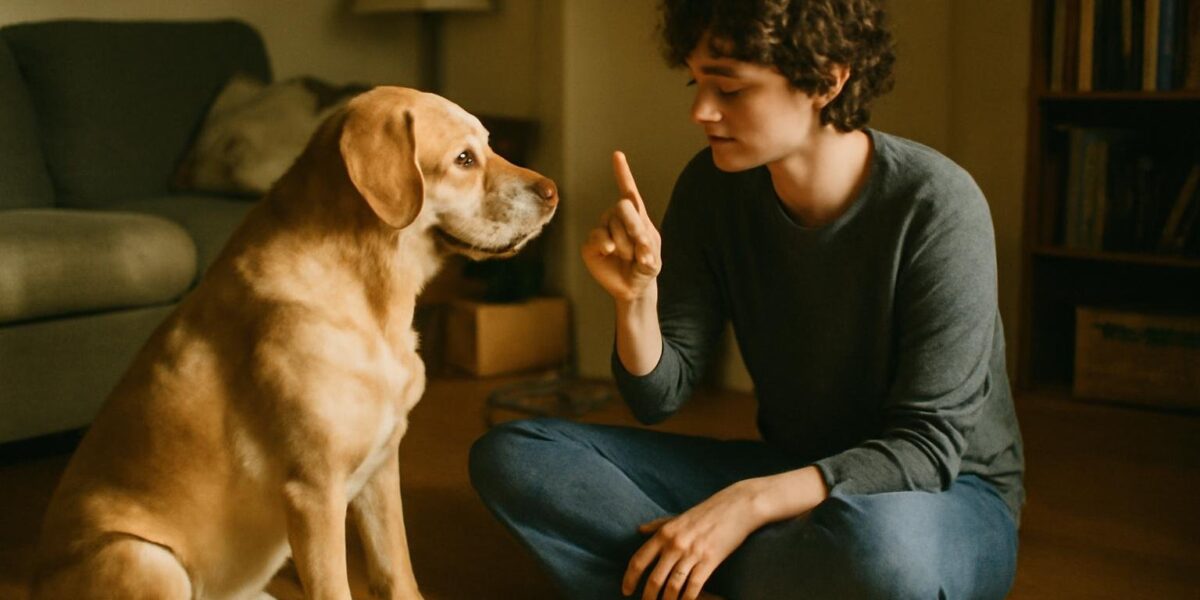
If you have ever watched your dog’s belly jerk with those rhythmic little “hic” sounds and wondered, “Why does my dog hiccup?”, you can relax: in the vast majority of cases, hiccups are completely harmless. Just like in people, a dog’s hiccups happen when the diaphragm, the big muscle that powers breathing, suddenly spasms and the vocal folds snap shut, producing that familiar sound. Puppies hiccup far more often than adult dogs, and most episodes pass on their own within a few minutes. So while the sight can be startling the first time, hiccups are usually one of the most benign things your dog will do.
In this article
That said, it helps to understand what triggers hiccups, how to gently help them stop, and the rare situations where frequent or unusual hiccupping is worth mentioning to your vet. Let us break it all down.
What Hiccups Actually Are
A hiccup is an involuntary contraction of the diaphragm. When this muscle spasms, your dog takes a sudden sharp breath, and the epiglottis (the flap at the back of the throat) closes quickly, making the characteristic sound. Because it is a reflex, your dog has no control over it and is not in any pain or distress during a normal hiccupping spell.
Hiccups are most common in puppies for a few reasons. Their bodies and internal organs are still developing, they tend to eat and drink fast, and they get very excited very quickly. As dogs mature, their diaphragm and nervous system settle down, and hiccups become much less frequent. Many adult dogs hiccup only rarely, if at all.
Common Reasons Dogs Get Hiccups
While any individual hiccupping fit may not have an obvious cause, certain situations make them much more likely. Recognizing these triggers can help you understand why your dog is hiccupping in the moment.
Eating or Drinking Too Fast
This is the single most common trigger. When a dog gulps food or water quickly, they swallow a lot of air along with it. That extra air can irritate the diaphragm and set off a round of hiccups. If your dog reliably hiccups after meals, fast eating is almost certainly the reason.
Excitement and Energy
A burst of excitement, vigorous play, or rapid breathing can trigger the diaphragm to spasm. Puppies in particular tend to hiccup after a wild play session or when they are revved up about dinner or a visitor.
Stress or Sudden Temperature Changes
Stress, anxiety, or a sudden change in temperature, such as coming inside from cold air, can occasionally bring on hiccups. These are still considered normal and harmless, just a reflexive response to a quick shift in the body’s state.
An Empty or Overfull Stomach
The state of your dog’s stomach can also play a role. Both an empty stomach before mealtime and a very full one right after eating can put pressure on or stimulate the diaphragm, triggering a round of hiccups. This is part of why so many hiccupping fits cluster around feeding time.
Because excitement and fast breathing overlap with other normal behaviors, it can be useful to know what relaxed, contented body signals look like. Our dog body language guide is a good companion read for understanding what your dog is communicating in everyday moments.
Are Dog Hiccups Ever a Sign of a Problem?
In the overwhelming majority of cases, hiccups are nothing to worry about and require no treatment at all. They are simply a normal, occasional quirk of how the body works. However, there is a small set of circumstances where hiccups deserve a closer look, usually because they are unusually frequent, prolonged, or paired with other symptoms.
You should mention hiccups to your veterinarian if you notice:
- Hiccups that last longer than an hour or keep returning many times a day
- Hiccupping that seems to cause distress, gagging, or difficulty breathing
- Hiccups accompanied by coughing, wheezing, drooling, or vomiting
- A change in your dog’s energy, appetite, or breathing pattern alongside the hiccups
- What looks like hiccups but may actually be reverse sneezing or a respiratory issue
In rare cases, persistent hiccups can be associated with respiratory irritation, gastrointestinal upset, or other underlying conditions, which is why prolonged or symptomatic episodes are worth a professional opinion. It is also easy to confuse hiccups with reverse sneezing (a sudden snorting inhale) or with the rhythmic movements some dogs make in their sleep. If you are unsure, it never hurts to ask your vet.
Hiccups vs. Other Body Movements
Sometimes owners mistake other normal behaviors for hiccups, or vice versa. It helps to be able to tell them apart.
- Reverse sneezing: A series of rapid, snorting inhales through the nose, often when a dog is excited or has an irritated throat. It can sound alarming but is usually harmless.
- Sleep twitching: Twitching paws, lips, or breathing during sleep is part of dreaming, not hiccups. Our article on why dogs twitch in their sleep explains this in detail.
- Coughing or gagging: These come from the throat and chest and have a different sound and rhythm than the steady “hic” of true hiccups.
Learning to distinguish these helps you stay calm and gives your vet better information if you ever need to describe what you are seeing. A simple trick is to watch the rhythm and the source: true hiccups are steady, evenly spaced, and clearly driven by the belly and diaphragm, while coughs, gags, and reverse sneezes come from the throat and chest and tend to be more irregular. When in doubt, a short phone video taken during the episode lets your vet see exactly what is happening and gives them a far more accurate picture than words alone.
It is also worth noting that puppies and small breeds often hiccup so often that owners barely react after a while, whereas a first-time owner watching a tiny puppy’s whole body bob with hiccups can understandably panic. Knowing that this is developmentally normal takes a lot of the worry out of those early weeks.
How to Help Your Dog’s Hiccups Go Away
Most hiccups stop on their own, but there are a few gentle, safe things you can do to help your dog settle. Never use the dramatic “cures” people sometimes try on each other, such as startling your dog, and never give human hiccup medications.
- Slow down their eating and drinking. A slow-feeder bowl or a food puzzle forces your dog to take smaller mouthfuls and swallow less air. This is the most effective long-term prevention for meal-related hiccups.
- Offer a small drink of water. A few calm sips can sometimes help reset the diaphragm.
- Encourage gentle, calm activity. A relaxed walk or slow movement can change the breathing rhythm and ease the spasms.
- Soothe and relax them. Calmly petting your dog and helping them settle can take the edge off excitement-driven hiccups.
- Simply wait it out. Most spells pass within a few minutes with no intervention at all.
For dogs that hiccup chronically around mealtimes, a slow feeder is genuinely the most reliable fix, because it tackles the root cause: gulping air. You can buy a maze-style bowl or simply spread the food across a large flat tray or a snuffle mat so your dog has to nose it out a little at a time. Splitting meals into smaller, more frequent portions can also reduce the empty-stomach and overfull-stomach triggers that bracket feeding time.
Keeping your dog mentally and physically satisfied with regular mental stimulation games can help reduce the over-excitement and stress that sometimes set hiccups off. And if you ever feel unsure about whether something is a harmless hiccup or a sign of trouble, having a home pet first aid station and a vet’s number handy gives you peace of mind. The bottom line is that hiccups are one of the gentlest, most ordinary things your dog will ever do, and a little patience is almost always all that is required.
Frequently Asked Questions
Are dog hiccups normal?
Yes. Hiccups are a normal, harmless reflex caused by spasms of the diaphragm. They are especially common in puppies and usually resolve on their own within a few minutes.
How long do dog hiccups usually last?
Most episodes last a few minutes and stop without any help. If your dog’s hiccups go on for more than an hour or keep returning throughout the day, it is worth checking with your vet.
Why does my puppy hiccup so much?
Puppies hiccup frequently because they are still developing, they eat and drink fast, and they get excited easily. It is a completely normal part of growing up and usually fades as they mature.
Can I stop my dog’s hiccups?
You can gently help by slowing their eating, offering a little water, or encouraging calm movement. Avoid startling your dog or using human remedies, and never give human medications without veterinary guidance.
When should I worry about my dog’s hiccups?
See your vet if hiccups are very frequent, last a long time, cause distress, or come with coughing, gagging, vomiting, or breathing changes. These less typical patterns may point to an underlying issue worth evaluating.


