
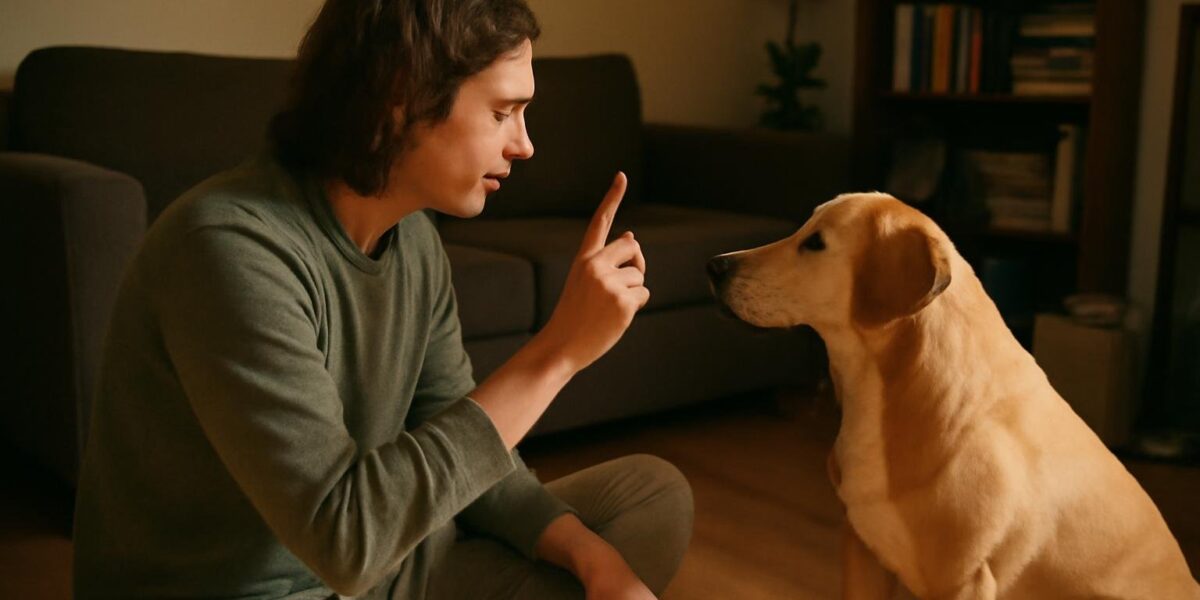
Should You Worry About the Wall-Staring?
It can feel a little eerie when your dog plants themselves in front of a blank wall and gazes at it, so if you are asking “why does my dog stare at the wall,” your instinct to pay attention is a good one. Often it is completely harmless: dogs have far sharper hearing and smell than we do, and they may be tracking a bug, a faint sound in the wall, a shadow, or simply zoning out the way we daydream.
In this article
At the same time, wall-staring is one behavior where it is genuinely worth watching closely, because in some dogs, especially seniors, frequent or trance-like staring can point to a medical issue. This guide walks through the everyday explanations and the specific signs that mean you should book a vet visit.
The key is context. An occasional curious stare that breaks the moment you call your dog’s name is very different from repeated, glassy staring that your dog seems unable to snap out of.
The Harmless Reasons Dogs Stare at Walls
Most wall-staring has a perfectly ordinary explanation once you consider how dogs experience the world.
- Sounds we cannot hear. Mice, insects, settling pipes, or electrical hums inside the wall are easy for a dog’s ears to detect and impossible for ours.
- Smells in the wall. A trail left by a bug or rodent can hold your dog’s focus, much like the way they sniff everything on a walk.
- Light and shadows. Flickers from a window, a reflection, or a passing car can play across a wall and catch your dog’s eye.
- Attention-seeking. Some clever dogs learn that staring at a wall earns a worried reaction and a treat, so they repeat the act on purpose.
- Boredom. An under-stimulated dog may simply stare into space for lack of anything better to do.
If your dog stares briefly, then looks at you, wags, or moves on when distracted, these everyday causes are almost certainly to blame.
It is genuinely remarkable how much more your dog can detect than you can. A dog’s sense of smell is tens of thousands of times sharper than ours, and their hearing reaches frequencies we cannot perceive. From your perspective the wall is blank and silent; from your dog’s perspective it may be alive with the faint scratch of an insect, the hum of wiring, or the lingering scent of a mouse that passed through weeks ago.
Time of day can play a role too. Dogs are often most alert at dawn and dusk, when rodents and insects are active, so you may notice more wall-watching around those hours. A simple test is to gently call your dog or rustle a toy. A dog locked onto a harmless sound or smell will usually break focus and come to you, which is reassuring.
When Wall-Staring May Signal a Health Problem
Wall-staring earns its own honest health section because, unlike many quirks, it can occasionally reflect something medical. Here are the conditions worth knowing about.
Canine cognitive dysfunction (doggy dementia). In senior dogs, staring at walls or into corners, getting “stuck,” disorientation, pacing, and changes in sleep can all be signs of cognitive decline. Early intervention with diet, supplements, and enrichment can help, so do not write off a senior’s new staring habit as just old age.
Focal seizures. Some seizures do not involve dramatic convulsions. Instead a dog may stare blankly, seem unresponsive, snap at the air, twitch, or appear to be in a trance for seconds or minutes. If your dog cannot be interrupted during a staring spell, this is a reason to call your vet.
Pain or discomfort. A dog who is uncomfortable, has a headache-like sensation, or is dealing with vision changes may stare oddly or press their head against a wall. Head-pressing in particular is a serious symptom that needs urgent veterinary evaluation.
Vision or hearing changes. An older dog losing sight or hearing may stare or orient toward walls and corners as they try to make sense of a world that has grown blurrier or quieter. This often comes with bumping into furniture or startling easily.
The reason this behavior is worth watching, rather than brushing off, is that the medical causes share a telltale feature: the dog seems genuinely “stuck” and difficult to interrupt. A curious dog tracking a bug will glance away the moment you engage them. A dog in a focal seizure or a deep cognitive fog often cannot break the stare on cue. That single distinction is the most useful thing you can observe and report to your vet.
It is also worth knowing that head-pressing, where a dog deliberately and persistently presses the top of their head against a wall or corner, is different from ordinary staring. Head-pressing can indicate a neurological problem and warrants an urgent veterinary visit, not a wait-and-see approach.
Normal vs. When to Call the Vet
Use these questions to decide whether the staring is benign or a red flag. Reach out to your veterinarian if you notice any of the following:
- Frequent or prolonged staring you cannot interrupt by calling or touching your dog
- Head-pressing against the wall (an urgent sign)
- Staring combined with confusion, pacing, getting stuck in corners, or disrupted sleep, especially in a senior dog
- Twitching, lip-licking, air-snapping, or a dazed period afterward, which can accompany focal seizures
- Any sudden onset of staring alongside vomiting, circling, or balance problems
When the staring is occasional, easily interrupted, and your dog is otherwise bright and normal, there is usually nothing to worry about. Keeping a home first aid setup and noting the date, time, and length of any odd episodes gives your vet valuable information.
Age and Breed: Who Stares the Most
While any dog can stare at a wall, certain factors make it more likely. Young, high-energy, and highly intelligent dogs often stare out of boredom when their busy minds are under-occupied, so the answer for them is usually more exercise and mental work rather than medical concern. These dogs need a job, and idle staring can be their way of telling you so.
Senior dogs are the group to watch most carefully, because age brings a higher chance of cognitive decline, vision and hearing loss, and other conditions that can cause disoriented staring. A new staring habit in a dog over the age of eight or nine deserves a closer look than the same behavior in a curious puppy. Aging changes the calculus, so trust your instincts if an older dog’s behavior shifts.
Breed plays a smaller role, but some lines are simply more prone to fixating and to certain neurological quirks. Knowing your individual dog’s normal baseline matters far more than breed averages, though. The dog who has always occasionally zoned out at a wall is very different from the one who suddenly develops the habit, regardless of their breed.
What You Can Do at Home
If your vet has ruled out medical causes, or the staring is clearly just curiosity and boredom, the best remedy is a richer daily routine. A tired, engaged dog has far less time to fixate on the drywall.
- Add enrichment activities like snuffle mats, chew toys, and rotating novel objects.
- Build in daily mental stimulation games such as nose work, hide-and-seek, and training puzzles.
- Make sure your dog gets enough physical exercise for their age and breed.
- Avoid rewarding wall-staring with attention; instead, redirect calmly to a toy or activity.
For senior dogs, keep routines predictable and ask your vet about cognitive support options. Mental work is just as important as walks for an aging brain.
Keeping a short journal can be surprisingly helpful. Note the date, time, how long the staring lasted, whether you could interrupt it, and anything happening right before. Over a few weeks, patterns often emerge. Staring that always happens at dusk near the same wall points toward harmless sound or scent, while episodes that strike randomly and cannot be interrupted point toward something your vet should evaluate. A short phone video of an episode is even more valuable, since it lets your vet see exactly what you are describing.
For aging dogs, small environmental tweaks make a big difference: night lights to help failing vision, non-slip rugs, consistent meal and walk times, and gentle daily engagement. None of this replaces veterinary care, but it supports a senior brain and reduces the confusion that can fuel wall-staring.
Frequently Asked Questions
Is it normal for my dog to stare at the wall?
Often yes. Dogs may hear sounds, smell trails, or watch shadows inside a wall, or they may be bored or seeking attention. It is concerning only when the staring is frequent, trance-like, or hard to interrupt.
Could wall-staring mean my dog is having a seizure?
It can. Focal seizures sometimes look like blank staring, air-snapping, or a trance the dog cannot be snapped out of. If you cannot interrupt the episode, contact your vet.
Why does my senior dog suddenly stare at walls?
New staring in an older dog can be a sign of canine cognitive dysfunction, especially with confusion, pacing, or sleep changes. Early veterinary care and enrichment can slow the decline.
When should I take my dog to the vet for staring?
See a vet if your dog stares frequently and cannot be interrupted, presses their head on the wall, or shows confusion, twitching, or balance problems. Head-pressing is an urgent symptom.
How can I tell normal staring from a medical issue?
The clearest sign is interruptibility. A curious dog breaks focus when you call or rustle a toy, while a dog in a seizure or cognitive fog often cannot. Note the timing and try to film an episode for your vet.
Can boredom cause my dog to stare at walls?
Yes. An under-stimulated dog may zone out at a wall simply for lack of anything better to do. More exercise, enrichment, and mental games usually reduce idle staring in an otherwise healthy dog.


