
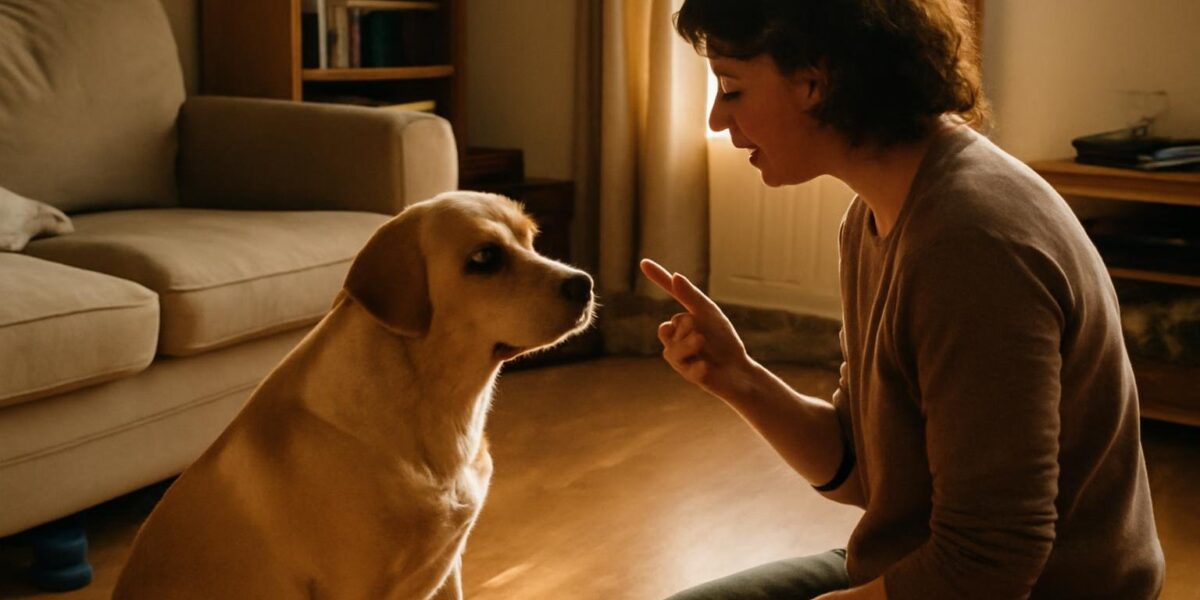
If you are asking “why does my parrot scream when I leave the room,” the most common reason is rooted deep in your bird’s instincts: it is a flock call. In the wild, parrots stay in constant vocal contact with their flock, and when a flock member moves out of sight, the others call to locate them and stay connected. To your parrot, you are flock, so when you walk away, screaming is its natural way of asking “where did you go, are you safe, come back.” This is normal communication, not bad behavior. Context matters, though, because contact calling can tip into anxiety-driven or learned screaming, and the way you respond shapes which direction it goes.
In this article
- The Most Common Reasons Parrots Scream When You Leave
- Telling Normal Contact Calls From Distress
- How to Respond and Reduce the Screaming
- Easing Anxiety and Building Independence
- Prevention Through Enrichment and Routine
- Setting Realistic Expectations as You Work Through It
- When Screaming Could Signal a Health Problem
- Frequently Asked Questions
As rescue volunteers, we hear this concern constantly, and the good news is that it is one of the most manageable parrot behaviors once you understand what is driving it. With patience and consistency, most birds learn to feel secure even when you step out of view.
The Most Common Reasons Parrots Scream When You Leave
Screaming when you leave the room usually comes from a mix of instinct, emotion, and learning. Identifying which factors are at play helps you respond effectively.
- Flock contact calling. The core instinct: your bird calls to keep track of you, its flock member.
- Separation anxiety. Some birds, especially very bonded or formerly neglected ones, feel genuine distress when alone.
- Learned behavior. If screaming brings you running, your clever bird learns that screaming works.
- Boredom and lack of enrichment. A bird with nothing to do may scream simply to fill the silence and seek stimulation.
- Insufficient attention overall. A parrot that is under-socialized during the day may escalate when its person leaves.
Most screaming is a blend of the natural flock call and what your bird has learned about how you respond to it. That gives you real power to change the pattern.
It helps to think about the world from your parrot’s perspective. In the wild, a bird that loses sight of its flock is in real danger, so staying in vocal contact is a survival instinct, not a choice. When you walk into another room, your bird has no way of knowing whether you have simply gone to the kitchen or vanished from its world entirely. Calling out is how it reassures itself that its flock, you, is still nearby and still safe. Understanding this makes the behavior far less frustrating and points you toward kinder, more effective solutions.
It also means that completely silencing your bird is neither realistic nor fair. Some level of contact calling is part of living with a parrot, and a bird that never makes a sound would be unusual and possibly unwell. The goal is not silence but balance: a bird that checks in normally and settles, rather than one that screams relentlessly out of habit or distress.
Telling Normal Contact Calls From Distress
A normal contact call is relatively brief: your bird calls a few times, you answer, and it settles. The bird is otherwise relaxed, eating, playing, and behaving normally. This back-and-forth is healthy communication and is not something to eliminate entirely.
Distress screaming is different. It is prolonged, frantic, and hard to settle, sometimes paired with pacing, frantic movement, feather damage, or panic. A bird in genuine separation anxiety may injure itself or scream relentlessly for long stretches. This pattern needs a gentle, structured plan rather than simply waiting it out, and it should not be punished.
How to Respond and Reduce the Screaming
The single most important rule is to avoid rewarding screaming by rushing back. Returning the moment your bird screams teaches it that screaming summons you, which strengthens the behavior. This is the most common mistake owners make, and it is completely understandable, since rushing back does make the noise stop in the moment. The problem is that it guarantees more screaming next time. Instead, use these steps.
- Answer contact calls calmly. Call back a soft “I’m here” so your bird knows where you are without you running back.
- Return during quiet moments. Reward calm behavior by coming back when your bird is not screaming.
- Teach a quiet contact sound. Reinforce a soft whistle or word as an acceptable way to check in.
- Build short absences. Step out briefly and return before your bird panics, gradually extending the time.
Consistency is everything, and so is patience. Behavior that took weeks or months to form will not change overnight, and you may even see screaming get briefly worse before it improves, as your bird tests whether the old strategy still works. Stick with your plan calmly and consistently, and resist the urge to give in during a loud spell, since one inconsistent response can undo a lot of progress. For a complete, structured approach, our parrot screaming management protocol walks through retraining excessive screaming step by step.
Whatever you do, never punish screaming with yelling, cage covering as a penalty, or any kind of physical correction. Yelling back is especially counterproductive, because to a flock-minded bird it sounds like you are joining in the contact call, which is exciting and rewarding. Punishment also erodes trust and can make an anxious bird worse. The most effective tools are calm consistency, rewarding quiet, and meeting your bird’s underlying needs.
Easing Anxiety and Building Independence
If your bird’s screaming is driven by anxiety rather than habit, the focus shifts to helping it feel secure on its own. An anxious parrot needs to learn that being alone is safe and even rewarding.
Build independent play by offering foraging toys, puzzles, and activities your bird can enjoy without you. Practice leaving and returning many times so departures lose their drama. Background sound like a radio can make an empty room feel less lonely. Our guide to managing parrot anxiety and noise phobia offers detailed strategies for a bird that struggles with being alone. If trust is still fragile, the bonding and trust-building protocol can help you create the security a worried bird needs.
Short, casual departures are one of the most powerful tools you have. Step out of the room for just a few seconds, then return calmly before your bird has a chance to panic, gradually building up the time you are gone. These low-stakes practice runs teach your parrot, over and over, that you always come back. With repetition, your absences stop feeling like a crisis and start feeling like an ordinary, unremarkable part of the day.
Prevention Through Enrichment and Routine
A bird whose physical and mental needs are met is far less likely to scream from boredom or frustration. Prevention is often easier than correction.
Provide plenty of enrichment, daily out-of-cage time, and a predictable routine so your parrot knows what to expect. Rotate toys to keep things interesting, and make sure your bird gets quality social time when you are home, so it is not starved for attention. A tired, mentally satisfied parrot is a quieter parrot. Adequate rest matters too, and our notes on a healthy sleep environment and light cycle can help an overtired, cranky bird settle.
Setting Realistic Expectations as You Work Through It
One of the kindest things you can do for both yourself and your bird is to set realistic expectations from the start. Parrots are flock animals with strong voices, and some vocalizing is simply part of the deal. The aim is a bird that calls normally and settles, not one that never makes a sound.
Think in terms of weeks and months rather than days. Behavior change in parrots is gradual, and progress is rarely a straight line. You may have several quiet days followed by a noisy setback, especially around hormonal periods, schedule changes, or stressful events. This is normal, and it does not mean your efforts are failing. Keep responding consistently and the overall trend will move in the right direction.
It also helps to involve the whole household. If one person rushes back at the first screech while another holds firm, your bird gets mixed messages and learns that screaming sometimes works, which is the most powerful kind of reinforcement of all. Get everyone on the same page about answering contact calls calmly and rewarding quiet, and your bird will learn far more quickly.
Finally, be gentle with yourself. Living with a screaming parrot can be genuinely stressful, and feeling frustrated does not make you a bad owner. Lean on patient, force-free strategies, celebrate small wins, and remember that the same intense, social nature that drives the screaming is also what makes parrots such deeply rewarding companions.
When Screaming Could Signal a Health Problem
Most screaming is behavioral, but a sudden change in vocalizing can occasionally point to discomfort or illness, and birds hide illness well. Watch for shifts that do not fit the usual pattern.
Consult an avian vet if your bird’s screaming changes suddenly with no environmental cause, if it screams as if in pain, or if screaming comes alongside signs like fluffed feathers, appetite loss, lethargy, or feather damage from stress. Self-injury from severe anxiety also warrants professional guidance. While the flock call itself is normal, a marked, unexplained change in your bird’s voice or behavior is worth ruling out with an exam.
Frequently Asked Questions
Is it normal for my parrot to scream when I leave the room?
Yes. Calling out when a flock member leaves is a natural parrot instinct called contact calling. Brief calling that settles once you answer is normal communication, not bad behavior.
Will my parrot grow out of screaming when I leave?
Contact calling is instinctive and will not fully disappear, but excessive or anxious screaming can be greatly reduced. With consistency, calm responses, and enrichment, most birds learn to feel secure when you step away.
Should I ignore my parrot when he screams?
Do not rush back the instant your bird screams, since that rewards it. Instead, answer contact calls calmly with a soft sound, and return during quiet moments. Reinforce calm behavior rather than the screaming.
How can I teach my parrot a quieter way to call me?
Choose a soft whistle or word and reward your bird whenever it uses it. Respond to that gentle sound while ignoring loud screaming, so your bird learns the quiet call gets your attention.
When should screaming make me see a vet?
See an avian vet if screaming changes suddenly without a clear cause, sounds like pain, or comes with fluffing, appetite loss, lethargy, or self-injury. Birds hide illness, so unexplained changes are worth checking.


