
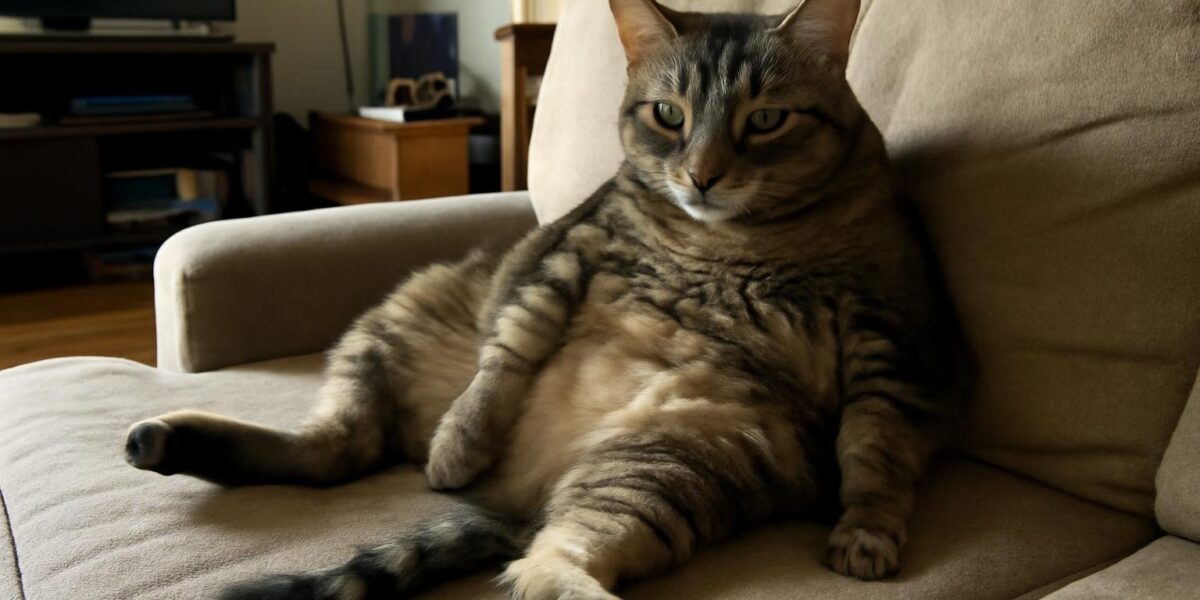
Catching your cat eating litter is alarming, and you are right to take it seriously. A cat eating litter is not a normal habit and usually warrants a vet workup, because in many cases it is a form of pica, an urge to eat non-food items that is often driven by an underlying medical problem such as anemia or a nutritional deficiency. It is occasionally a passing curiosity in kittens, but in adult cats, and especially when it is persistent, eating litter is a signal that something needs investigating. This guide explains the likely causes, the safety risks of eating litter, and exactly when this behavior should send you to your veterinarian.
In this article
What Eating Litter Usually Means
Eating litter falls under pica, the medical term for craving and consuming things that are not food. While pica can have behavioral roots, in cats it frequently has a medical driver, which is why a vet exam is the responsible first step.
The most important causes to consider include:
- Anemia. A low red blood cell count is one of the best-known triggers for litter-eating, particularly with clumping clay litters. Cats with anemia may also have pale gums, low energy, and faster breathing.
- Nutritional deficiencies. Shortfalls in minerals or vitamins, sometimes linked to diet quality or to conditions affecting absorption, can prompt cats to seek out odd substances.
- Other medical conditions. Kidney disease, diabetes, leukemia, and certain hormonal disorders can be associated with pica.
- Kitten exploration. Young kittens mouth and taste their world, and may nibble litter briefly while learning what is and is not food. This often fades with age and guidance.
Anemia deserves particular attention because it is both the most concerning common cause and the most treatable once found. Anemia simply means too few healthy red blood cells to carry oxygen around the body, and for reasons that are not fully understood, this state seems to drive cats to crave and eat unusual substances, with clumping clay litter a classic target. The signs to watch for are pale or whitish gums instead of healthy pink, low energy, faster or harder breathing, and reduced appetite. In young kittens, anemia is especially worth ruling out, since a heavy flea or intestinal-worm burden can drain enough blood to leave a small kitten genuinely anemic, and a kitten that suddenly starts eating litter alongside pale gums or unusual tiredness should be seen quickly rather than watched.
Because the medical possibilities are significant, a cat who repeatedly eats litter should have blood work to check for anemia and screen for underlying disease, rather than being treated as merely a quirky habit. A complete blood count is a simple, low-stress test that quickly confirms or rules out anemia, and pairing it with a chemistry panel lets your vet check kidney values, blood sugar, and other markers in one visit, turning a worrying mystery behavior into a clear, actionable picture.
Behavioral and Environmental Causes
Once medical causes are ruled out or addressed, behavioral and environmental factors can play a role, especially in cats who are otherwise healthy.
Boredom and understimulation. An indoor cat without enough play, climbing, and hunting outlets may turn to unusual behaviors, including chewing or eating litter.
Stress and anxiety. Changes in the home, conflict with other pets, or disruption to routine can trigger compulsive behaviors. A stressed cat sometimes self-soothes through repetitive oral habits.
Type of litter. Some litters are made from corn, wheat, or other plant materials that smell faintly food-like and may tempt a hungry or curious cat. Switching to a plain, unscented, non-edible-based litter can help.
Hunger or feeding schedule issues. A cat who is genuinely hungry, on a restrictive diet, or fed too infrequently may seek out anything that resembles food.
Learning to read your cat’s overall demeanor helps you separate boredom from distress. Our cat stress signs guide can help you spot whether anxiety is part of the picture.
Is Eating Litter Dangerous?
Beyond what it signals about your cat’s health, eating litter carries direct physical risks, which is another reason to act quickly.
Clumping clay litters are designed to absorb moisture and swell, so eating a significant amount can cause clumping in the digestive tract, leading to constipation or, in serious cases, an intestinal blockage. Silica gel crystal litters and litters containing additives or fragrances can also irritate the gut. An intestinal obstruction is a life-threatening emergency that may require surgery.
Watch closely for signs of digestive trouble: vomiting, straining or inability to pass stool, a hard or painful belly, loss of appetite, and lethargy. If you suspect your cat has eaten a large amount of clumping litter or is showing any of these signs, contact your vet right away. Our cat vomiting causes guide explains how to read vomiting as a warning sign of a possible obstruction.
When to See a Vet or Treat It as an Emergency
Because litter-eating so often reflects an underlying medical issue, the safest approach is to book a veterinary appointment whenever an adult cat does it more than once or twice. Definitely schedule a visit if you notice:
- Persistent or repeated litter-eating in a cat of any age.
- Pale gums, weakness, lethargy, or faster breathing, which can point to anemia.
- Increased thirst, weight loss, or appetite changes.
- Any cat older than a kitten newly developing the habit.
Treat it as an emergency, calling an emergency vet without delay, if your cat is repeatedly vomiting, straining and unable to pass stool, refusing food, very lethargic, or has a hard, painful, distended belly. These can indicate a blockage. Our home pet first aid and emergency station guide can help you decide how fast to move.
What You Can Do and Monitor at Home
Alongside veterinary care, several home steps can reduce the behavior and keep your cat safer while the cause is identified.
- Switch litter types. Try a plain, unscented, non-clumping litter, ideally one not made from food-based materials, to reduce both temptation and blockage risk.
- Feed a complete, balanced diet. Ensure your cat is eating a nutritionally complete food and is not overly hungry between meals. Ask your vet whether her diet meets her needs.
- Boost enrichment. Add daily play sessions, puzzle feeders, scratching posts, and climbing options to combat boredom and stress.
- Supervise and redirect. When you catch her near the box outside of toileting, gently redirect her to a toy or treat, without punishment, which only adds stress.
- Keep records. Note how often she eats litter, her appetite, energy, and gum color to share with your vet.
Do not punish a cat for eating litter. Pica is usually driven by a need the cat cannot control, and punishment tends to worsen anxiety. The lasting fix comes from treating the underlying cause your veterinarian identifies, whether that is anemia, a dietary gap, or stress.
What Your Vet May Look For
Knowing roughly what to expect at the vet can make the visit feel less daunting and help you prepare. Because litter-eating so often has a medical driver, your veterinarian will usually start by ruling out the most serious possibilities before settling on a behavioral explanation.
A typical workup may include:
- A thorough physical exam. Your vet will check your cat’s gum color, body condition, hydration, and abdomen, and ask detailed questions about diet, litter type, and behavior.
- Blood work. A complete blood count can reveal anemia, while a chemistry panel screens for kidney disease, diabetes, and other conditions linked to pica.
- Testing for underlying disease. Depending on findings, your vet may recommend tests for thyroid function, infectious diseases, or parasites.
- Imaging if a blockage is suspected. If your cat has eaten a large amount of clumping litter and shows digestive signs, x-rays may be needed to check for an obstruction.
Once the cause is clear, treatment is targeted. Correcting anemia, addressing a dietary deficiency, managing a chronic disease, or reducing stress usually resolves the litter-eating along with it. The behavior is best seen as a symptom pointing toward a fixable problem, not a habit to simply scold away.
Frequently Asked Questions
Is it normal for kittens to eat litter?
Kittens sometimes taste litter while exploring, and a brief, occasional nibble during this stage is common. However, if it continues, becomes frequent, or your kitten seems unwell, have your vet check for anemia or other issues and switch to a safer litter.
Does eating litter always mean my cat has anemia?
No, but anemia is one of the most important and common causes, so it should be ruled out with blood work. Other medical, nutritional, and behavioral factors can also be involved.
Can eating clumping litter hurt my cat?
Yes. Clumping litter can swell inside the digestive tract and cause constipation or a dangerous blockage. If your cat eats a large amount or shows vomiting, straining, or belly pain, contact your vet immediately.
What litter is safest if my cat keeps eating it?
A plain, unscented, non-clumping litter that is not made from corn, wheat, or other food-based materials is generally safer while you address the cause. Your vet can advise on the best option for your situation.
Should I punish my cat for eating litter?
No. Punishment increases stress and rarely helps, because pica usually stems from a medical or emotional need. Focus on a vet workup, a complete diet, enrichment, and a safer litter instead.


