
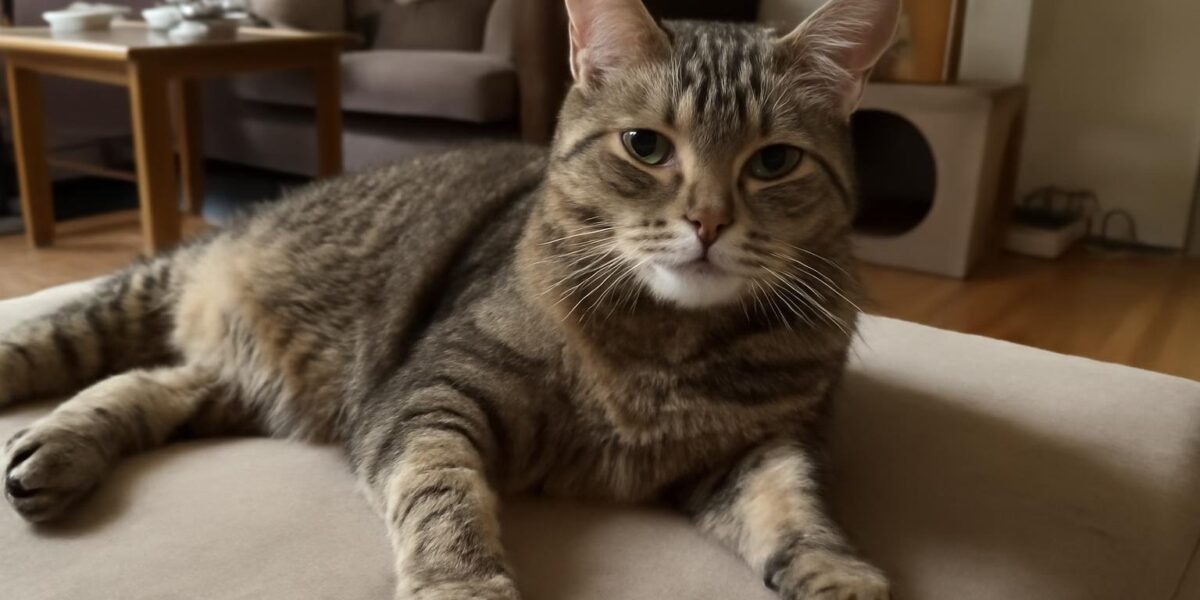
If you are wondering why is my cat limping but acting normal, the reassuring news is that a mild, short-lived limp in an otherwise bright, eating, purring cat is often something minor — a small strain, a bruised paw pad, or a momentary tweak from an awkward jump. That said, “acting normal” does not always mean “nothing is wrong,” because cats are famous for masking pain. A limp that lasts more than a day or two, gets worse, or means your cat will not put any weight on the leg deserves a veterinary exam.
In this article
Below are the common reasons a cat limps while still behaving like herself, the warning signs that should send you to the vet, and how to monitor safely at home. Throughout, remember that “acting normal” is reassuring but not the same as a clean bill of health — cats evolved to hide weakness, so the limp deserves attention in its own right.
Common Reasons a Cat Limps but Seems Fine
Most everyday limps come from minor, self-limiting causes:
- Soft-tissue strains or sprains — from jumping, twisting, or rough play. These often improve within a day or two of rest.
- A stuck object or paw-pad injury — a thorn, splinter, grass seed, or small cut between the toes. Litter granules can also lodge in a sore spot.
- An overgrown or torn claw — a claw caught on fabric or curled into the pad is surprisingly painful.
- A minor knock or bruise — common in active or young cats that leap off furniture.
- Early arthritis — in older cats, stiffness comes and goes, often worse after rest or in cold weather.
Because cats hide discomfort so well, a calm, purring cat can still have a genuinely sore leg. Use the limp itself as your signal, not just her mood.
Limps That Look Mild but Need Attention
Some causes are more serious even when your cat is eating and acting fairly normal:
- Bite wounds and abscesses — especially in cats who go outdoors. A puncture can look tiny, then swell and become painful within a day or two.
- Fractures or dislocations — even a hairline fracture can let a cat use the leg a little while clearly favoring it.
- Joint infection or inflammation — may cause warmth, swelling, and a worsening limp.
- Blood clots — a sudden, painful, dragging hind leg that feels cold can signal a serious clot and is an emergency.
You cannot always tell these apart from a simple strain at home, which is why persistence or worsening should prompt a visit rather than continued waiting.
When to See a Vet or Treat It as an Emergency
Call your veterinarian promptly if you notice any of these:
- Limping that lasts more than 24 to 48 hours or keeps getting worse
- Refusing to put any weight on the leg (non-weight-bearing)
- Obvious swelling, a wound, heat, or a leg held at an odd angle
- Crying out, hissing, or biting when the leg is touched
- Loss of appetite, hiding, fever, or lethargy alongside the limp
Treat it as an emergency — seek care immediately — if a back leg is suddenly dragging, cold, and painful, or if there is significant bleeding or an obviously broken limb. A sudden dull, withdrawn cat is also a red flag despite the “acting normal” label. Keeping a stocked home pet first-aid and emergency station helps you respond calmly, and our pet bleeding triage decision tree guides you if a wound is involved.
What You Can Do at Home
While a one-off, mild limp resolves, you can support your cat carefully:
- Encourage rest. Keep her indoors and discourage jumping for a day or two by lowering access to high perches.
- Check the paw gently. Look between the toes and pads for thorns, stuck litter, cuts, or a snagged claw — only if she allows it without pain.
- Watch, don’t medicate. Never give human pain relievers; many are toxic to cats even in tiny doses.
- Keep her comfortable. Soft bedding at floor level and easy access to food, water, and litter reduce strain.
- Track the trend. Note whether the limp is improving, the same, or worse each day.
If the limp comes and goes in an older cat, it may be early arthritis worth discussing at her next checkup. Subtle behavior changes can hint at discomfort — our guide to cat body language helps you read the quiet signals cats give when something aches.
How to Tell Which Leg and How Bad It Is
Pinpointing the sore leg helps you describe the problem to your vet and judge how serious it is. The simplest method is to watch your cat walk on a hard floor and notice the “head bob.” Cats tend to lift their head when the painful front leg touches down and drop it onto the good leg. For hind-limb limps, you may see a hip hike or a shortened stride on the affected side.
Grade the severity by how much weight she puts on the leg:
- Mild (weight-bearing): she uses the leg but favors it slightly. Often a minor strain — watch and rest.
- Moderate: she touches the toe down but carries most weight on the other legs. Worth a vet call within a day.
- Severe (non-weight-bearing): she holds the leg up entirely and will not use it. See a vet promptly.
Also note when the limp is worst. A limp that is stiff first thing in the morning or after a nap but eases with movement points toward joint stiffness or early arthritis. A limp that worsens with activity may mean a strain or injury that needs rest. Sudden, severe limping after a fall or fight is more likely to involve a wound or fracture. If your cat is also reluctant to jump up to her usual perches, that reluctance is a meaningful clue worth mentioning, since cats often quit jumping before they show an obvious limp.
Helping a Cat With Recurring Limps
For cats prone to stiffness, small changes help a lot. Provide pet steps or ramps to favorite perches, keep nails trimmed, maintain a healthy weight to ease joint load, and offer warm, padded resting spots. Your vet can recommend joint supplements or safe, cat-specific pain management for arthritis.
Active young cats benefit from safe play that does not encourage reckless leaps onto hard surfaces. And any cat who roams outdoors should be checked regularly for bite wounds, which are a leading cause of limping that can hide behind a normal appetite.
It also pays to make your home limp-friendly as cats age. Many older cats develop arthritis so gradually that owners mistake the stiffness for “slowing down with age.” Placing food, water, litter, and favorite resting spots on a single level, or adding gentle steps to a couch or bed, lets a stiff cat keep her routines without painful jumps. Soft, warm bedding away from drafts is especially soothing for achy joints, and a quick daily once-over of her legs and paws helps you spot a new wound or swelling before it grows.
Keep your vet in the loop about any limp that recurs, even if your cat seems fine in between. A pattern of intermittent limping is exactly the kind of detail that helps a vet diagnose early arthritis or a low-grade injury, and early management — whether that is weight control, joint support, or safe pain relief — keeps your cat comfortable and mobile for years. Acting on the small signals is what protects the big quality-of-life picture.
It can be genuinely hard to know how much pain a cat is in, because they instinctively hide it. A good rule of thumb is to trust the limp over the mood: if she is favoring a leg, something is bothering her, even if she is still purring and eating. When you are unsure whether a particular limp needs a same-day visit or a watchful eye, a quick call to your veterinary clinic for advice costs nothing and often brings real peace of mind. You know your cat’s normal better than anyone, and that instinct is worth listening to.
Frequently Asked Questions
My cat is limping but eating and purring — is that okay?
A calm, eating cat with a brief, mild limp is often fine, but cats hide pain well. If the limp lasts beyond a day or two, worsens, or becomes non-weight-bearing, see your vet rather than assuming all is well.
How long should I wait before going to the vet?
For a mild limp, watch for up to 24 to 48 hours of rest. If there is no clear improvement, swelling, a wound, or refusal to bear weight, book a visit sooner.
Could it be a broken bone if she can still walk on it?
Yes. Cats can use a leg with a hairline fracture or a serious sprain while still favoring it. Only an exam and possibly an X-ray can rule a fracture in or out.
Can I give my cat pain medicine at home?
No. Many human pain relievers are dangerous or fatal to cats. Only use medication prescribed by your veterinarian for your specific cat.
What if the limp keeps coming back?
Recurring limps, especially in older cats, may signal arthritis or a chronic issue. Have your vet evaluate it so you can manage pain and protect the joints long term.


