
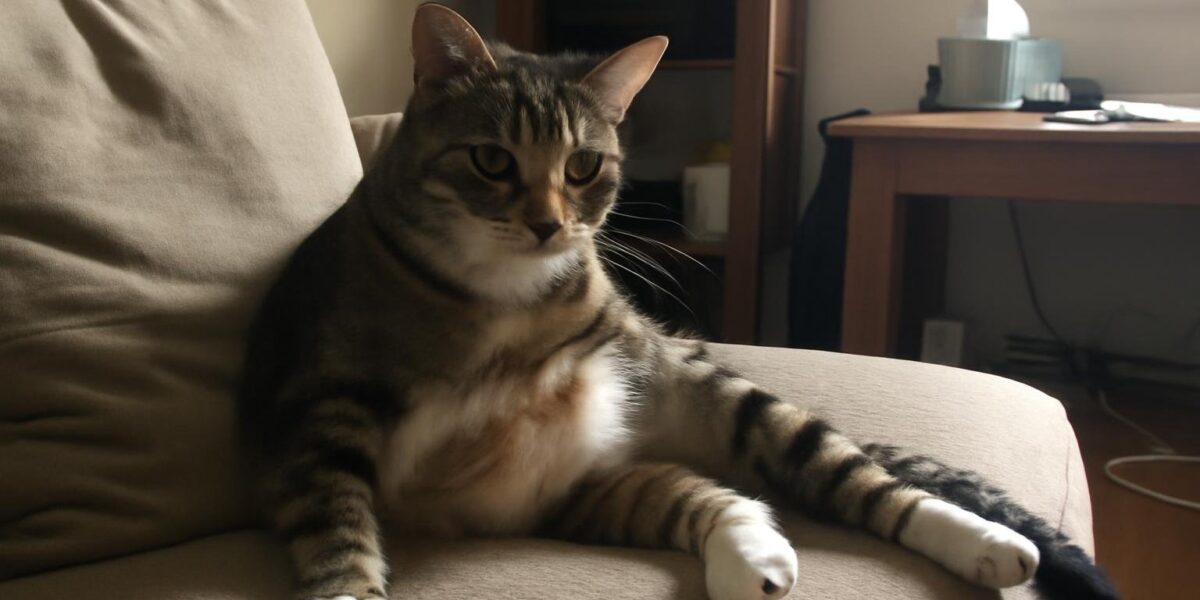
If you are wondering why is my cat losing hair on her ears, the cause is usually something manageable — but it does deserve attention. Some thinning of the fur on the front of the ears, just ahead of the openings, is actually normal in many cats and is called preauricular alopecia. True hair loss with redness, scabs, crusting, or itching, though, points to a problem such as parasites, ringworm, allergies, or skin infection, and that warrants a veterinary visit. Sudden, spreading, or sore-looking bald patches should never be ignored.
In this article
Below you’ll find the common reasons cats lose ear fur, how to tell normal thinning from a medical issue, and what to do while you arrange care.
Normal Thinning vs. Real Hair Loss
Cats naturally have sparser fur on the area between the eyes and the ears. As they age or shed seasonally, that thinning can become more noticeable. If the skin underneath looks healthy — smooth, normal-colored, not itchy or scabby — and your cat is otherwise comfortable, mild thinning is often nothing to worry about.
Real hair loss looks different. You may see distinct bald patches, broken hairs, redness, flaking, crusts, scabs, or skin that your cat keeps scratching. Hair loss that spreads, appears suddenly, or comes with other symptoms is a sign to investigate rather than wait.
If thinning or balding is happening elsewhere on the body too, our broader guides to cat hair loss and cat losing fur causes help you connect the dots between the ears and the rest of the coat.
Common Causes of Ear Hair Loss in Cats
When hair loss is more than normal thinning, these are the usual suspects:
- Ear mites or other parasites — intense itching leads to scratching and rubbing that wears the fur away around the ears.
- Ringworm — a fungal infection that causes circular patches of hair loss, often on the ears and face, and is contagious to people and other pets.
- Allergies — to food, fleas, or the environment can cause itching and over-grooming that thins the fur.
- Skin infections — bacterial or yeast infections create redness, crusting, and hair loss.
- Sunburn or skin damage — pale-eared and white cats can lose fur and develop sores from sun exposure, which also raises skin cancer risk.
- Mange or other mites — less common but possible, causing crusty, itchy, balding ears.
Many of these look alike to the naked eye, so vets often use a special lamp, skin scrapings, or fungal cultures to find the real cause.
When to See a Vet or Treat It as Urgent
Make a veterinary appointment if you see any of the following:
- Bald patches with redness, scabs, crusting, or flaking skin
- Sudden or rapidly spreading hair loss
- Constant scratching, rubbing, or head shaking
- Sores, bleeding, or thickened skin on the ears
- Hair loss alongside weight loss, lethargy, or appetite changes
Seek prompt care if the skin is broken and oozing, if a white or pale-eared cat develops persistent sores from the sun, or if you suspect ringworm, since it spreads to humans and other animals. A stocked home pet first-aid and emergency station helps you handle minor skin wounds calmly while you get a diagnosis.
What You Can Do at Home
While you wait for the appointment, focus on comfort and not making things worse:
- Examine gently. Note whether the skin is smooth or inflamed, and whether the loss is on the front of the ear, the tip, or the whole flap.
- Limit scratching damage. Keep nails trimmed and ask your vet about a recovery collar if she is breaking the skin.
- Skip the home remedies. Avoid creams, oils, or leftover medications unless your vet directs you, as some are toxic to cats.
- Reduce sun exposure. Keep pale-eared cats out of strong midday sun.
- Isolate if ringworm is suspected. Wash your hands after handling and limit contact until your vet weighs in, because ringworm is contagious.
Allergies and stress can drive over-grooming, so watch for tension too. Our guide to cat stress signs can help you tell anxious over-grooming from a purely medical cause.
Is It Itch-Driven or Happening on Its Own?
One of the most useful things you can figure out at home is whether the hair loss is being caused by your cat removing the fur herself, or whether it is falling out on its own. The distinction points your vet toward very different causes.
Itch-driven (self-inflicted) hair loss usually comes with visible scratching, rubbing the ears against furniture, or head shaking. The remaining hairs feel stubbly and broken because they have been snapped off rather than shed at the root. This pattern points toward parasites, allergies, or infection — anything that makes the ear itchy. If scratching is the dominant behavior, our guide on why a cat scratches her ears covers the itch side of the problem in depth.
Non-itchy hair loss, where the fur thins or releases easily without much scratching, more often suggests ringworm, hormonal issues, or normal age-related thinning. The skin may look scaly or have circular patches, but your cat is not tearing at it.
To check gently, run a finger over a thinning patch. Broken, bristly stubs suggest self-trauma; smooth skin with hairs that lift away cleanly suggests a non-itch cause. Either way the observation is gold for your vet — just don’t rub an inflamed or sore area, and stop if your cat objects.
Supporting Healthy Skin and Coat
Once the cause is treated, good coat health comes down to consistent parasite prevention, a balanced diet, and managing any known allergies. Regular gentle grooming lets you catch new bald spots early, and keeping white or pale-eared cats out of intense sun protects their delicate skin. Stress matters too, since some cats over-groom when anxious; if your vet rules out medical causes but the over-grooming continues, easing your cat’s anxiety with enrichment, routine, and calm spaces becomes part of the plan rather than an afterthought.
If ringworm or mites were diagnosed, follow the full treatment course and cleaning routine your vet recommends, even after the fur starts to regrow. Stopping early is the most common reason these problems return.
Diet and overall health play a quiet but important role in coat quality. A complete, balanced food appropriate for your cat’s life stage gives the skin the nutrients it needs to grow strong fur, and adequate hydration supports healthy skin too. If your vet identifies a food allergy, a carefully chosen diet trial can make a real difference not just to the ears but to the whole coat. Sudden, widespread changes in fur quality can also reflect internal health, which is another reason a vet exam is worthwhile when hair loss appears alongside other symptoms.
For multi-pet households, remember that mites and ringworm spread between animals and, in the case of ringworm, to people. If one pet is diagnosed, ask your vet whether the others need checking or treating, and follow the cleaning advice for bedding and shared spaces. Treating the environment and all affected pets together is the surest way to break the cycle and keep those ear patches from coming back once the fur finally fills in.
Try to be patient as the coat recovers, because regrowth is rarely instant. Even after the underlying cause is fully treated, fur can take several weeks to fill in, and new hair may come in a slightly different shade or texture at first before it normalizes. The reassuring sign is healthy skin underneath — smooth, normal-colored, and not itchy — which tells you the problem is resolving even if the fur is still catching up. If the skin stays inflamed or the bald patches keep spreading, that is your cue to circle back to your vet rather than waiting it out. A little observation now keeps a minor cosmetic issue from masking a deeper one.
Frequently Asked Questions
Is some hair loss on the ears normal for cats?
Yes. Mild thinning on the front of the ears, between the eyes and ear openings, is normal in many cats. Distinct bald patches with redness, scabs, or itching are not and should be checked by a vet.
Could ear hair loss be ringworm?
It can. Ringworm often causes circular bald patches on the ears and face and is contagious to people and pets. Only a vet can confirm it with a lamp, culture, or other testing.
Why does my cat keep scratching her ears bald?
Repeated scratching usually means itching from ear mites, allergies, or infection. The hair loss is a side effect of the scratching, so treating the underlying itch is the key.
Can sunburn cause my cat to lose ear fur?
Yes, especially in white or pale-eared cats. Sun damage can cause fur loss, sores, and a higher risk of skin cancer, so keep these cats out of strong sun and ask your vet about protection.
Will the fur grow back?
In most cases, yes, once the underlying cause is treated. Regrowth can take several weeks, and following the full treatment plan helps prevent the hair loss from returning.


