
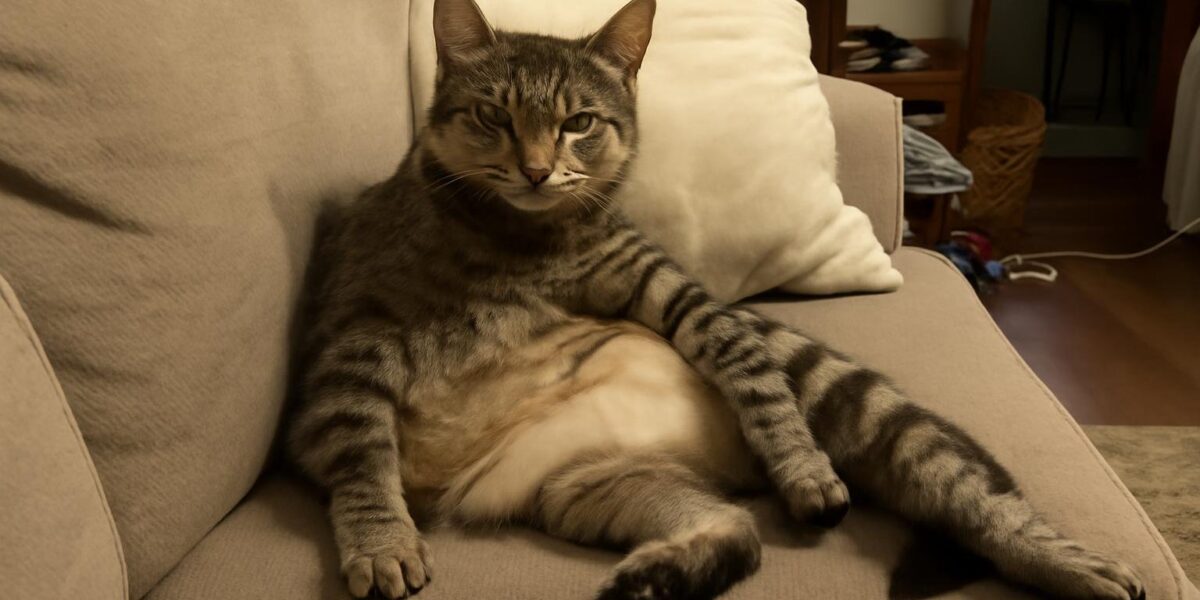
If your cat is pacing, meowing, or zooming around while you are trying to sleep, you are not alone, and there is usually a reason behind it. A cat restless at night most often has a behavioral or environmental cause, like pent-up energy or hunger, but in older cats, nighttime restlessness can be an early sign of medical conditions such as hyperthyroidism, high blood pressure, cognitive dysfunction, or pain that need a vet’s attention. Cats are naturally most active at dawn and dusk, so some nighttime activity is normal, but a sudden change or persistent, distressed restlessness is worth investigating. This guide explains the everyday and medical causes, how to tell them apart, and when to call your veterinarian.
In this article
Everyday Reasons for Nighttime Restlessness
Much nighttime activity comes down to a mismatch between your cat’s natural rhythms and your sleep schedule. Cats are crepuscular, meaning they are wired to be most active around dawn and dusk, which is exactly when you want to be asleep.
Common benign causes include:
- Pent-up energy. An indoor cat who naps all day without enough play wakes up ready to hunt at night. The midnight zoomies are classic.
- Hunger. A cat with an empty stomach overnight may wake you for food, and feeding her in response teaches her to keep doing it.
- Boredom or loneliness. A cat left alone or under-stimulated during the day may seek attention and activity after dark.
- Disrupted routine. Changes in your schedule, feeding times, or household activity can throw off her rhythm.
- Outdoor stimulation. Other cats, wildlife, or sounds outside the window can keep an indoor cat alert and agitated at night.
If your cat is young, otherwise healthy, and simply full of beans at night, the fix is usually about adjusting her daytime activity and routine rather than treating a medical problem.
Medical Causes, Especially in Older Cats
When nighttime restlessness appears suddenly, worsens, or shows up in a middle-aged or senior cat, medical causes move up the list. These should always be ruled out by a vet, because several are very treatable.
Hyperthyroidism. An overactive thyroid is common in older cats and increases energy, appetite, and restlessness, often with weight loss and increased vocalizing. Affected cats may be notably wired at night.
High blood pressure. Hypertension, often linked to thyroid or kidney disease, can cause agitation, disorientation, and vision problems that worsen at night.
Cognitive dysfunction syndrome. Senior cats can develop a dementia-like decline, leading to confusion, disrupted sleep-wake cycles, and loud, aimless wandering and yowling overnight.
Pain. Arthritis or other sources of discomfort can make it hard for a cat to settle, leading to restlessness that is often worse when the house is quiet.
Other illness. Conditions causing increased thirst, urination, or discomfort, such as kidney disease or diabetes, can also disturb sleep.
When to See a Vet or Treat It as an Emergency
Persistent or newly developed nighttime restlessness, particularly in an older cat, deserves a veterinary exam to rule out treatable conditions. Book an appointment if you notice:
- A sudden change in your cat’s nighttime behavior, especially if she is older than about seven.
- Weight loss, increased thirst or appetite, or increased urination.
- Loud, distressed yowling, disorientation, or getting “stuck” in corners.
- Signs of pain, stiffness, or reluctance to jump.
- Changes in litter box habits, grooming, or daytime behavior.
Seek urgent care if restlessness comes with straining to urinate, difficulty breathing, a painful or bloated belly, repeated vomiting, collapse, or obvious severe distress. A male cat who is restless and straining in the litter box may have a urinary blockage, which is a life-threatening emergency. Our home pet first aid and emergency station guide can help you judge how quickly to act.
What You Can Do and Monitor at Home
For behavioral nighttime restlessness, the goal is to shift your cat’s energy and hunger into the daytime and create a calming bedtime routine. Several strategies work well together.
- Play hard in the evening. A vigorous wand-toy session before bed mimics a hunt and tires her out. Follow play with a small meal so she eats, grooms, and settles, much as she would in the wild.
- Enrich the daytime. Puzzle feeders, window perches, and rotating toys keep her busy and reduce daytime napping.
- Use a timed feeder. An automatic feeder set for early morning can stop her from waking you for food.
- Avoid rewarding wake-ups. Do not get up to feed or play when she demands it at night, or you reinforce the behavior. Reward calm, quiet nights instead.
- Reduce stimulation. Block the view of outdoor cats and keep the bedroom calm and dark.
- Keep a log. Track her activity, appetite, thirst, and weight to share with your vet.
If stress or anxiety seems to be feeding the restlessness, our cat stress signs guide can help you identify and reduce the triggers. Consistency is key; it can take a couple of weeks of a steady new routine to retrain a cat’s clock.
Helping a Senior Cat Sleep Better
For older cats, especially those with cognitive decline, a few extra adjustments can ease nighttime distress. Keep nightlights on so a confused cat can navigate, maintain a very predictable daily routine, and provide easy access to litter, food, and water so she does not have to search at night.
If your vet diagnoses a condition like hyperthyroidism, hypertension, arthritis, or cognitive dysfunction, treating it often dramatically improves nighttime behavior. There are medications, diets, and supplements that can help senior cats rest more comfortably. The most important step is the vet visit, because a restless senior cat is frequently telling you about a treatable problem, and relieving it improves life for both of you.
Restlessness and increased vocalizing often travel together, especially in older cats, since the same underlying conditions tend to drive both. If your cat is also unusually noisy, our guide on why a cat becomes vocal all of a sudden covers the overlapping medical and behavioral causes and can help you give your vet a complete picture.
Building a Calming Bedtime Routine
One of the most effective tools against nighttime restlessness is a consistent evening ritual that signals to your cat that the day is winding down. Cats are creatures of habit, and a predictable sequence of events helps them settle far more reliably than trying to force quiet after the lights are off.
A simple, repeatable routine might look like this:
- An active play session in the early evening, using a wand toy to mimic a satisfying hunt that tires her out.
- A meal right afterward, so she follows the natural hunt-eat-groom-sleep cycle that leads to rest.
- A short period of calm attention, like gentle petting or quiet time together, to help her relax.
- A comfortable, warm sleeping spot set up before you go to bed, ideally away from windows that show outdoor activity.
- An early-morning timed feeder so hunger does not wake her, and you, before dawn.
Give a new routine a couple of weeks to take hold, and resist the urge to respond to nighttime demands in the meantime, since even occasional attention can keep the behavior alive. For many cats, this steady rhythm transforms restless nights into peaceful ones, and it pairs well with treating any medical cause your vet identifies.
Frequently Asked Questions
Why does my cat get the zoomies at night?
Cats are naturally most active at dawn and dusk, so an indoor cat with extra energy often releases it after dark. More daytime play and a vigorous evening session followed by a meal usually calm the nighttime zoomies.
Should I feed my cat when she wakes me at night?
It is best not to, because feeding in response teaches her to wake you. Instead, use a timed feeder set for early morning and feed a small meal at your bedtime so she settles overnight.
Could nighttime restlessness mean my older cat is sick?
Yes. In senior cats, new or worsening nighttime restlessness can signal hyperthyroidism, high blood pressure, cognitive dysfunction, or pain. These are treatable, so an older cat with this behavior should be examined by a vet.
How long does it take to fix a cat’s nighttime restlessness?
For behavioral causes, expect a couple of weeks of consistent routine changes, like evening play, timed feeding, and not rewarding wake-ups, before you see steady improvement. If there is no progress or other symptoms appear, see your vet.
When is nighttime restlessness an emergency?
Treat it as urgent if it comes with straining to urinate, difficulty breathing, a painful or bloated belly, repeated vomiting, collapse, or severe distress. A male cat straining in the litter box may have a urinary blockage and needs immediate care.


