
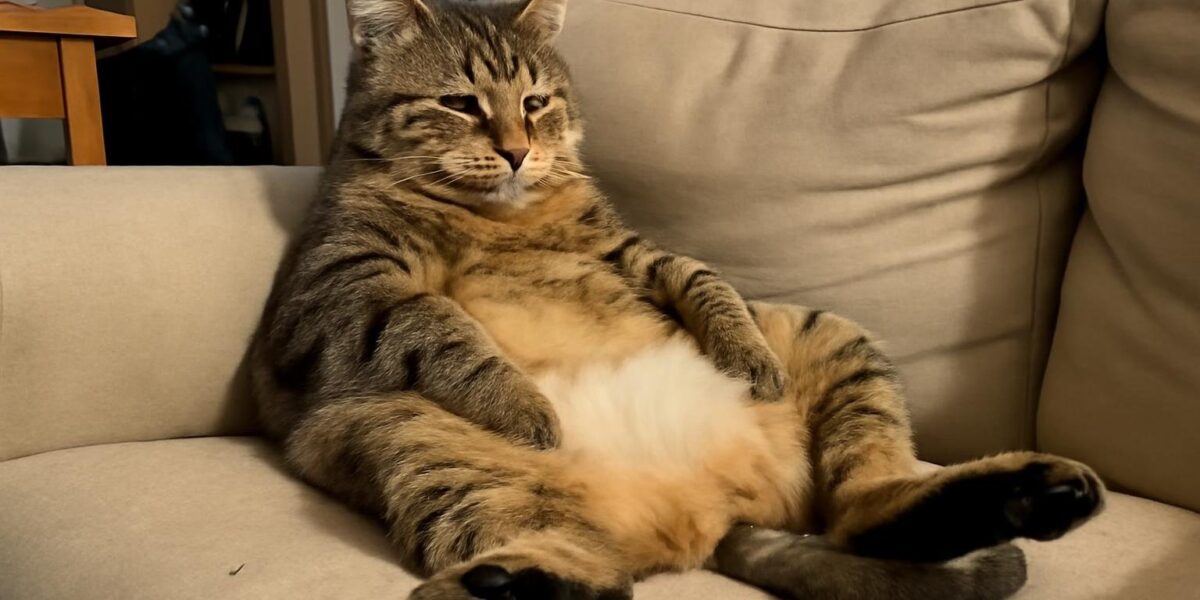
If you are asking why is my cat squinting one eye, treat it as a sign of eye pain or irritation that needs prompt veterinary attention. Cats squint to protect an eye that hurts, and the cause can be anything from a small scratch or a trapped speck of debris to a corneal ulcer or infection. Because some of these can threaten the eye itself, squinting is not a symptom to wait out. If your cat is holding one eye closed, especially with redness, discharge, or pawing at it, call your vet — promptly, and urgently if the eye looks cloudy, bulging, or severely painful.
In this article
Below are the common reasons a cat squints one eye, the signs that mean you should not delay, and how to keep her comfortable while you get help.
Common Causes of Squinting in One Eye
When a cat keeps one eye partly or fully closed, the usual causes include:
- Corneal ulcer or scratch — a scratch on the surface of the eye, often from a cat fight, play, or rubbing. Ulcers are painful and can worsen quickly without treatment.
- Foreign object or debris — a grass seed, dust, or eyelash trapped under the lid causes squinting, tearing, and pawing.
- Conjunctivitis — inflammation of the eye’s pink tissues, often from infection (including feline herpesvirus), causing redness, discharge, and squinting.
- Eye infections — bacterial or viral infections that irritate and inflame the eye.
- Glaucoma or uveitis — increased pressure or inflammation inside the eye, which is painful and serious.
- Injury or trauma — a blow to the eye area can cause swelling, squinting, and pain.
Many of these look similar from the outside, and some can damage vision fast, so a vet exam — often with a special stain to check for ulcers — is the safe way to find the cause.
Signs That Go With a Squinting Eye
Watch for symptoms that often accompany the squint and help signal how serious it is: watery or thick discharge, redness of the eye or surrounding tissue, cloudiness or a hazy film on the surface, a visible third eyelid, swelling, light sensitivity, or pawing and rubbing at the eye.
A cat who suddenly squints, tears up, and rubs one eye may have something physically stuck or a fresh scratch. Cloudiness, a bulging eye, or obvious pain points toward a more serious problem inside or on the surface of the eye.
If the squinting comes with lots of tearing or watery discharge, our guide to cat watery eyes covers the related causes and what the discharge can tell you.
When to See a Vet or Treat It as Urgent
Contact your veterinarian promptly if your cat is squinting one eye, and treat it as urgent if you see any of these:
- The eye looks cloudy, hazy, or has a visible spot or film
- The eye appears to bulge, sink, or change shape
- Heavy discharge, significant redness, or swelling
- Obvious pain — repeated pawing, hiding, or flinching
- The squinting follows a fight, accident, or possible injury
- Any change in how she sees or bumps into things
Eye problems can deteriorate within a day or two, and an untreated corneal ulcer can threaten the eye, so do not adopt a wait-and-see approach. Keeping a home pet first-aid and emergency station ready helps you respond calmly when an eye emergency strikes.
What You Can Do at Home
Home care here is about comfort and protection, not treatment — the eye needs a vet:
- Keep her calm and indoors. Reduce activity that could worsen an injury.
- Prevent rubbing. Stop her from pawing the eye; ask your vet about a recovery collar if she keeps at it.
- Don’t medicate. Never use leftover or human eye drops; some can severely worsen certain eye conditions in cats.
- Gently wipe discharge. Use a clean, damp cloth around the eye, wiping outward, without touching the eye surface.
- Note the timeline. Record when it started and any possible cause, like a scuffle.
If your cat seems withdrawn or sensitive to handling, that can be pain talking. Our cat body language guide helps you read the quiet signs of discomfort so you know when to act.
One Eye vs. Both Eyes, and What It Tells You
Whether the squinting affects one eye or both is a meaningful clue. A single squinting eye most often points to a localized problem in that eye — a scratch, an ulcer, a trapped speck, or a one-sided infection. Because something specific is usually irritating that one eye, a one-sided squint is a strong reason to have it examined promptly, since corneal injuries are both painful and time-sensitive.
When both eyes squint or water, the cause is more likely something affecting the whole system, such as a viral upper respiratory infection (feline herpesvirus is a common culprit), allergies, or irritation from dust or strong fumes. These still need attention, but they are less likely to represent a single damaged cornea.
Pay attention to the character of any discharge too. Clear, watery tearing often goes with irritation or early viral flare-ups, while thick yellow or green discharge suggests infection. A bluish or white haze over the surface of the eye is more concerning, as it can indicate a corneal problem or pressure changes inside the eye. None of these are things to treat by guesswork — they are details to report so your vet can move quickly to the right diagnosis.
Protecting Your Cat’s Eyes Long Term
Once the immediate issue is treated, prevention focuses on reducing risks. Keep nails trimmed to limit scratch injuries during play, supervise interactions between cats that fight, and keep your cat current on the vaccines and care your vet recommends, since some eye infections tie back to viruses like feline herpesvirus.
Check your cat’s eyes regularly for clarity, symmetry, and discharge. Catching a squint early and getting a quick diagnosis is the single best thing you can do to protect her vision.
Cats prone to recurring eye flare-ups deserve a tailored plan from your vet. Many cats carry feline herpesvirus for life, and it can reactivate during stressful times — a move, a new pet, boarding, or illness — causing repeated bouts of squinting, tearing, and congestion. For these cats, keeping stress low and following your vet’s maintenance recommendations can reduce how often flare-ups happen. If a particular trigger seems to set off the squinting, share that pattern with your vet so the plan fits your cat’s real life.
It also helps to have a simple action plan ready before an eye problem strikes. Know your regular vet’s hours and the location and number of the nearest emergency clinic, and keep a clean cloth and a recovery collar on hand. When an eye suddenly squints shut, that preparation lets you act in minutes rather than scrambling. Eyes are precious and unforgiving of delay, so a calm, prepared response — followed by prompt professional care — is the best protection your cat can have.
If your cat does need treatment, success often hinges on giving eye medication correctly and finishing the full course. Eye drops and ointments work only if they actually reach the surface of the eye, so ask your vet to demonstrate the technique and to space out multiple medications by a few minutes if more than one is prescribed. Recheck appointments matter too — a corneal ulcer that looks better on the outside may still be healing underneath, and stopping early risks a relapse. Following through on the full plan is what turns a worrying squint into a complete, lasting recovery.
Frequently Asked Questions
Is squinting one eye an emergency in cats?
It always warrants prompt veterinary care because it usually means eye pain. It becomes urgent if the eye looks cloudy, bulging, or severely painful, or if there is heavy discharge — these can threaten the eye.
Could my cat just have something in her eye?
Possibly. A trapped speck or eyelash can cause sudden squinting and tearing. Even so, a vet should check, because debris can scratch the cornea and lead to a painful ulcer.
Can I use human eye drops on my cat?
No. Many human and leftover pet eye products can seriously worsen certain feline eye conditions. Only use drops prescribed by your vet for your cat’s specific diagnosis.
How fast do I need to act?
Quickly. Eye conditions like corneal ulcers can worsen within a day or two, so call your vet as soon as you notice persistent squinting rather than waiting to see if it clears on its own.
Will my cat lose vision in that eye?
With prompt treatment, most eye problems heal well and vision is preserved. Delays raise the risk of lasting damage, which is exactly why early veterinary care matters so much. If your cat keeps getting flare-ups, the cause is often feline herpesvirus, which many cats carry for life and which reactivates during stress, so ask your vet about a maintenance plan and stress-reduction steps to make episodes less frequent and milder.


