
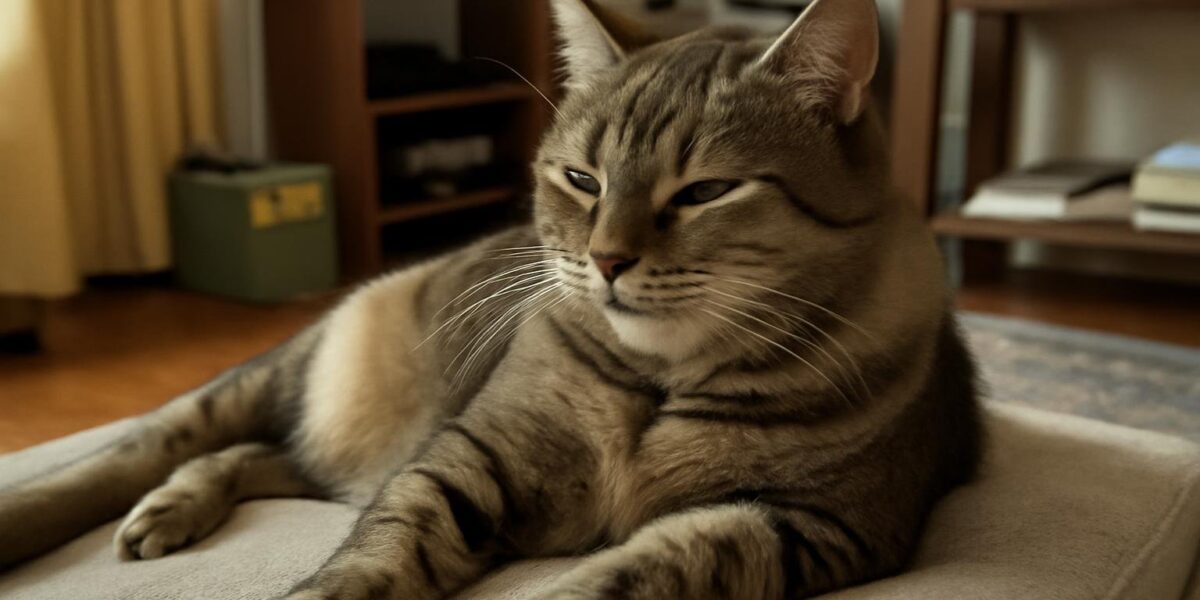
Cats move their ears constantly to track sounds, so a little twitching is completely normal. But a cat twitching her ears repeatedly, especially with scratching, head shaking, or signs of irritation, often means something is bothering her ears and warrants a vet visit. The usual culprits are ear mites, ear infections, allergies, and occasionally polyps or foreign objects lodged in the ear canal. Ear twitching by itself is rarely an emergency, but the conditions behind it can be uncomfortable and tend to worsen without treatment, so it is not something to ignore when it becomes persistent. This guide explains the likely causes, how to read the warning signs, and when to call your veterinarian.
In this article
- Normal Ear Movement Versus a Problem
- Common Causes of Ear Twitching
- Reading the Accompanying Signs
- When to See a Vet or Treat It as an Emergency
- What You Can Do and Monitor at Home
- Preventing Future Ear Trouble
- Twitching, Shaking, and Scratching Together
- What to Expect at the Vet Visit
- Frequently Asked Questions
Normal Ear Movement Versus a Problem
A cat’s ears are remarkably mobile, controlled by many muscles that let her swivel them toward sounds independently. Brief, occasional twitching as she listens, reacts to a noise, or shakes off a fly is part of normal feline behavior and nothing to worry about.
The picture changes when twitching becomes frequent, persistent, or one-sided, or when it pairs with other signs of discomfort. Repeated flicking of the same ear, twitching combined with scratching, head shaking, or holding the ear at an odd angle all suggest irritation rather than ordinary listening. The goal is to distinguish a cat who is simply alert from one who is trying to relieve something that itches or hurts.
Common Causes of Ear Twitching
When twitching signals a problem, it is usually because something is irritating the ear canal or skin. The frequent causes include the following.
Ear mites. These tiny, highly contagious parasites are a very common cause, particularly in kittens and outdoor cats. They cause intense itching and a dark, dry, coffee-ground-like discharge, prompting twitching, scratching, and head shaking.
Ear infections. Bacterial or yeast infections cause redness, odor, discharge, and discomfort, often developing on top of mites or allergies. Infected ears are itchy and sometimes painful.
Allergies. Food or environmental allergies can inflame the ears and skin, leading to twitching, scratching, and head rubbing.
Foreign objects. A grass seed, debris, or plant material in the ear causes sudden, persistent twitching and pawing at one ear.
Polyps or growths. Benign polyps or other growths in the ear canal cause chronic irritation and twitching, sometimes with a head tilt.
Skin irritation or wounds. Cuts, bites, or scabs on the ear flap from fights or scratching can make a cat twitch the affected ear.
Reading the Accompanying Signs
The clues that come with twitching help your vet identify the cause, so observe closely before your appointment. Check the ears if your cat allows it: dark, waxy, coffee-ground debris suggests mites, while a smelly yellow or brown discharge points to infection. Redness, swelling, scabs, or heat indicate inflammation or injury.
Notice whether one or both ears are affected. A one-sided problem more often means a foreign object, polyp, or localized infection, while both ears twitching suggests mites or allergies. Watch for related behaviors too, including scratching at the ears, head shaking, rubbing the head on furniture, a head tilt, or balance problems. A head tilt or stumbling suggests the deeper ear is involved and needs prompter care. Because subtle discomfort can be easy to miss, our cat body language guide can help you read your cat’s overall signals.
When to See a Vet or Treat It as an Emergency
Persistent ear twitching, especially with other signs, should be evaluated by a veterinarian, because ear problems rarely clear up on their own and can become painful. Book an appointment if you notice:
- Frequent, persistent, or one-sided ear twitching lasting more than a day.
- Dark, waxy, or foul-smelling discharge, redness, or swelling.
- Scratching at the ears, head shaking, or pawing at one ear.
- Visible debris or something lodged in the ear canal.
- Scabs, wounds, or a swollen, fluid-filled ear flap.
Seek prompt, same-day care if your cat develops a head tilt, loss of balance, circling, rapid flicking eye movements, or seems to be in significant pain, since these can indicate middle or inner ear disease that needs urgent treatment. Our home pet first aid and emergency station guide can help you decide how quickly to act. Resist the urge to probe the ear or use leftover medications, which can make things worse.
What You Can Do and Monitor at Home
While most ear problems need veterinary treatment, sensible home steps can support your cat and prevent further harm.
- Inspect gently. Lift the ear flap to look, but never insert cotton swabs into the canal, which can push debris deeper or cause injury.
- Limit self-trauma. Keep nails trimmed and ask your vet about a soft recovery collar if she is scratching hard enough to wound her ears.
- Use only vet-approved products. Avoid human ear drops, alcohol, and peroxide. Use only cleaners or medications your vet recommends, exactly as directed.
- Treat all pets for mites. If mites are diagnosed, your vet may advise treating every cat and dog in the home, since they spread easily.
- Track the details. Note which ear, the type of discharge, and any balance or behavior changes to help your vet pinpoint the cause.
If you suspect allergies are behind recurring ear trouble, your vet can help you build a management plan. Because itchy, irritated ears can also stress a cat, keeping an eye on her broader wellbeing using our cat stress signs guide helps you spot when discomfort is affecting her mood.
Preventing Future Ear Trouble
Once your cat’s ears are healthy, a few habits help keep twitching from returning. Check her ears regularly so you catch wax buildup, redness, or odor early. Stay current with the parasite prevention your vet recommends, since mites are a frequent trigger. For cats with allergies, ongoing management with your vet’s guidance reduces the flare-ups that lead to itchy, twitchy ears.
For cats prone to wax or moisture, your vet may suggest a gentle, cat-safe ear cleaner used on a schedule, but avoid over-cleaning healthy ears, which can cause irritation. Catching ear problems early, before they drive constant twitching and scratching, is the best way to keep your cat’s ears comfortable and trouble-free.
Twitching, Shaking, and Scratching Together
Ear twitching rarely happens in isolation when a problem is present. It usually appears alongside head shaking, scratching, and head rubbing, because all of these are a cat’s attempts to relieve the same underlying irritation. Recognizing the whole cluster helps you describe the issue accurately and decide how urgently to act.
If your cat is twitching her ears and also shaking her head vigorously, our guide on why a cat shakes her head walks through the overlapping causes and the signs that point to a deeper ear problem. The two symptoms share most of the same triggers, from mites to infections to foreign objects, so treating the root cause typically resolves both at once.
Pay particular attention if the twitching is paired with any change in balance or coordination. While an itchy outer ear is uncomfortable but usually straightforward, a problem reaching the middle or inner ear can affect the structures that control balance, leading to a head tilt, stumbling, or unusual eye movements. That combination moves the situation from routine to more urgent and is worth a prompt call to your vet.
What to Expect at the Vet Visit
If twitching persists, knowing what the appointment involves can make it less stressful for you and your cat. Ear problems are very common, so your veterinarian will follow a familiar, methodical process.
Typically this includes:
- An otoscope exam to look deep into the canal and check the eardrum for debris, foreign objects, polyps, or infection.
- A microscope check of ear discharge to identify mites, yeast, or bacteria and choose the right treatment.
- Targeted treatment, which may include parasite medication, cleaning, ear drops, or anti-inflammatories, depending on the cause.
- A recheck to confirm the problem has fully cleared, since ear conditions can linger if treated incompletely.
Completing the full course of treatment, including any follow-up visit, is important, because an ear that looks better on the surface may still harbor irritation deeper in the canal. Finishing your vet’s plan is the most reliable way to stop the twitching and keep it from returning.
Frequently Asked Questions
Is some ear twitching normal in cats?
Yes. Cats twitch and swivel their ears constantly to track sounds and react to their environment, which is completely normal. Persistent, frequent, or one-sided twitching, especially with scratching or discharge, is what signals a possible problem.
How can I tell if my cat has ear mites?
Ear mites usually cause intense itching and a dark, dry, coffee-ground-like discharge, along with twitching, scratching, and head shaking. A vet can confirm mites by examining a sample and prescribe effective treatment, often for all pets in the home.
Why is my cat twitching only one ear?
One-sided twitching more often points to a localized issue such as a foreign object, polyp, wound, or infection in that ear. Because something specific is usually irritating it, a vet check is wise to find and treat the cause.
Can I clean my cat’s ears to stop the twitching?
Only with a vet-approved cleaner and only the visible part of the ear, never probing the canal. If there is discharge, redness, pain, or odor, see your vet first, as cleaning the wrong way can worsen an infection.
When is ear twitching an emergency?
Seek prompt care if twitching comes with a head tilt, loss of balance, circling, darting eye movements, or obvious pain, as these suggest middle or inner ear disease. Otherwise, persistent twitching with discharge or itching warrants a routine vet visit.


