
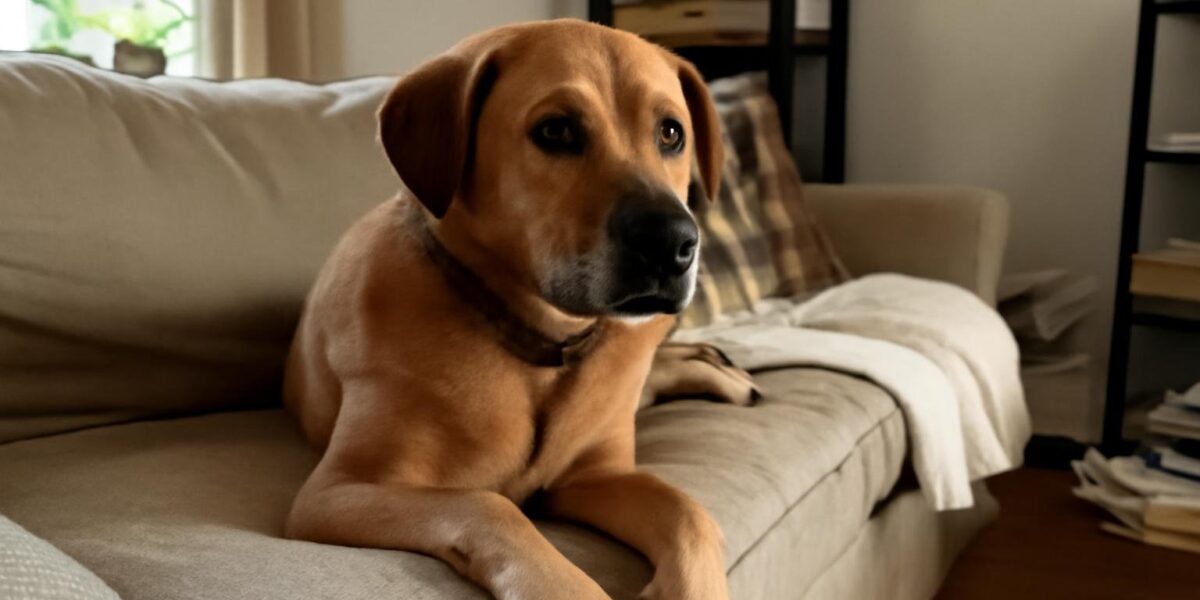
If you are wondering why is my dog eye red, know that a red eye should always be taken seriously because some causes can threaten your dog’s vision. While mild redness from a brief irritant may settle quickly, redness that comes with squinting, discharge, cloudiness, pawing at the eye, or obvious pain needs a veterinarian promptly, sometimes the same day. The eye is delicate, and problems can worsen fast, so this guide will help you understand the likely causes and recognize when to act without delay.
In this article
What Redness in the Eye Can Look Like
A red eye is not a single thing. The redness might appear in the white of the eye, the inner lining of the eyelids, or the third eyelid in the corner. You might see bloodshot streaks, an overall pink or red tint, or a swollen, inflamed look.
Paying attention to exactly what is red, whether one or both eyes are affected, and what other symptoms appear helps you and your vet narrow down the cause. When owners ask why is my dog eye red, the surrounding clues, such as discharge, squinting, or cloudiness, often matter as much as the redness itself.
Whether one or both eyes are involved is one of the most useful distinctions. Redness in both eyes at once often points to something systemic or environmental, such as allergies, irritants in the air, or a viral infection affecting the whole face. Redness in a single eye is more likely to mean a localized problem, like a scratch on the surface, a foreign object trapped under the eyelid, or rising pressure inside that one eye. Neither is automatically more serious, but the pattern guides where to look first.
Common Causes of a Red Eye
Redness can stem from minor irritation or from conditions that need prompt treatment. Common causes include:
- Conjunctivitis. Inflammation of the eye’s lining, often called pink eye, can be caused by allergies, infections, or irritants and typically brings redness and discharge.
- Allergies. Pollen, dust, smoke, and other allergens can make eyes red, watery, and itchy.
- Foreign material. A bit of grass seed, dust, or a stray hair can lodge in the eye, causing redness, squinting, and tearing.
- Dry eye. When the eye does not produce enough tears, the surface becomes irritated, red, and prone to infection.
- Corneal injury or ulcer. A scratch on the surface of the eye is painful and can worsen quickly, so it needs urgent care.
- Glaucoma. Increased pressure inside the eye causes redness, pain, cloudiness, and a bulging appearance, and it is a vision-threatening emergency.
Because some of these are minor and others can permanently damage sight, it is risky to assume a red eye will simply clear on its own. A vet can examine the eye safely and identify the cause.
Some dogs are more prone to eye trouble than others. Breeds with prominent, bulging eyes, such as pugs and Boston terriers, are more vulnerable to injuries and ulcers simply because the surface is more exposed. Dogs with loose facial skin or droopy lower lids can develop irritation from rolling eyelids or lashes that rub the eye. Long-haired breeds may get hair poking into the eye, and active dogs who love running through brush are prone to scratches and trapped debris. Knowing your dog’s risk factors helps you stay alert to redness before it becomes a bigger problem.
When to See a Vet
A red eye warrants a same-day veterinary visit, and sometimes emergency care, when you notice any of the following warning signs that vision may be at risk:
- Squinting, holding the eye shut, or obvious pain
- Cloudiness, a bluish haze, or a change in the eye’s color or clarity
- Thick, colored, or pus-like discharge
- Pawing or rubbing at the eye
- A bulging or enlarged eye
- Sudden vision changes, bumping into things, or sensitivity to light
Even without these red flags, redness that does not improve within a day or two, or that keeps returning, deserves an appointment. Eye conditions can deteriorate rapidly, and prompt treatment often makes the difference between a quick recovery and lasting damage. If you are building a plan for handling urgent symptoms calmly, our home pet first-aid and emergency station guide is a useful resource. When the redness comes with squinting or you suspect injury, do not wait, call your vet.
It is worth understanding why eye problems move so quickly. The cornea, the clear front surface of the eye, is thin and has no blood supply of its own, so a small scratch can deepen into an ulcer within a day if it becomes infected. Pressure-related conditions like glaucoma can damage the retina and optic nerve in a matter of hours. This is why veterinarians treat a painful red eye as time-sensitive: the difference between catching it early and waiting a few days can be the difference between a full recovery and lasting vision loss. When you are unsure, erring on the side of an earlier visit is always the safer choice.
What You Can Safely Do at Home
While you arrange a vet visit, a few gentle steps can keep your dog comfortable and prevent the problem from getting worse. The most important rule is to avoid making it worse.
- Stop the rubbing. Use a recovery collar if your dog is pawing at the eye, since scratching can turn a minor irritation into a serious injury.
- Flush gently if appropriate. If you suspect dust or a mild irritant and there is no injury, a sterile saline eye rinse made for pets can help, but stop if your dog resists or the eye looks injured.
- Keep the area clean. Wipe away discharge with a clean, damp cloth, using a fresh section for each eye.
- Avoid human eye drops. Never use leftover human medications or steroid drops, which can be dangerous and may worsen certain conditions like corneal ulcers.
If allergies are a recurring trigger, reducing exposure to pollen and dust and wiping your dog’s face after walks can help, but persistent or worsening redness still needs professional evaluation. Allergic dogs often have red, watery eyes alongside itchy skin and ears, so if your dog is also scratching a lot, our look at why a dog might be so itchy at night may help you connect the dots.
Preventing Eye Problems
You cannot prevent every eye issue, but routine care lowers the risk. Keep the hair around your dog’s eyes trimmed so it does not poke or trap debris, and wipe the area gently as part of regular grooming.
Protect the eyes during car rides by keeping your dog’s head inside the window, since wind can carry dust and irritants. Address allergies and ear or skin infections promptly, as these can be linked to eye irritation. Make eye checks part of your routine so you catch redness, cloudiness, or discharge early, when treatment is simplest. A quick daily glance during cuddle time, looking for symmetry, clarity, and comfort in both eyes, takes seconds and helps you notice changes before they become serious. For dogs prone to allergy-related irritation, our broader guide to dog itchy skin causes can help you spot connected patterns.
Frequently Asked Questions
Why is my dog eye red but not bothering him?
Mild redness without pain may come from a brief irritant or allergies. Still, monitor closely, and if it does not clear within a day or two or any new symptoms appear, see your vet, since some serious conditions start subtly.
Can I use human eye drops on my dog?
No. Many human eye drops, especially those with steroids or medications, can be harmful and may worsen conditions like corneal ulcers. Only use products your veterinarian recommends.
Is a red eye in dogs an emergency?
It can be. Redness with squinting, cloudiness, a bulging eye, heavy discharge, or vision changes needs urgent veterinary care, as these can threaten sight. When in doubt, treat a painful red eye as urgent.
How long should I wait before seeing a vet?
If redness comes with pain, discharge, cloudiness, or squinting, see a vet the same day. Even mild redness that lingers beyond a day or two warrants an appointment to rule out serious causes.
What does it mean if only one eye is red?
Redness in a single eye often points to a localized problem such as a scratch, a trapped foreign object, or rising pressure in that eye. Because some of these are vision-threatening, a one-sided red eye, especially with squinting, should be seen promptly.
Can I flush my dog’s red eye at home?
A gentle rinse with sterile saline made for pets can help if you suspect mild dust or an irritant and there is no sign of injury. Stop if your dog resists or the eye looks injured, and never use human medicated drops, which can worsen some conditions.


