
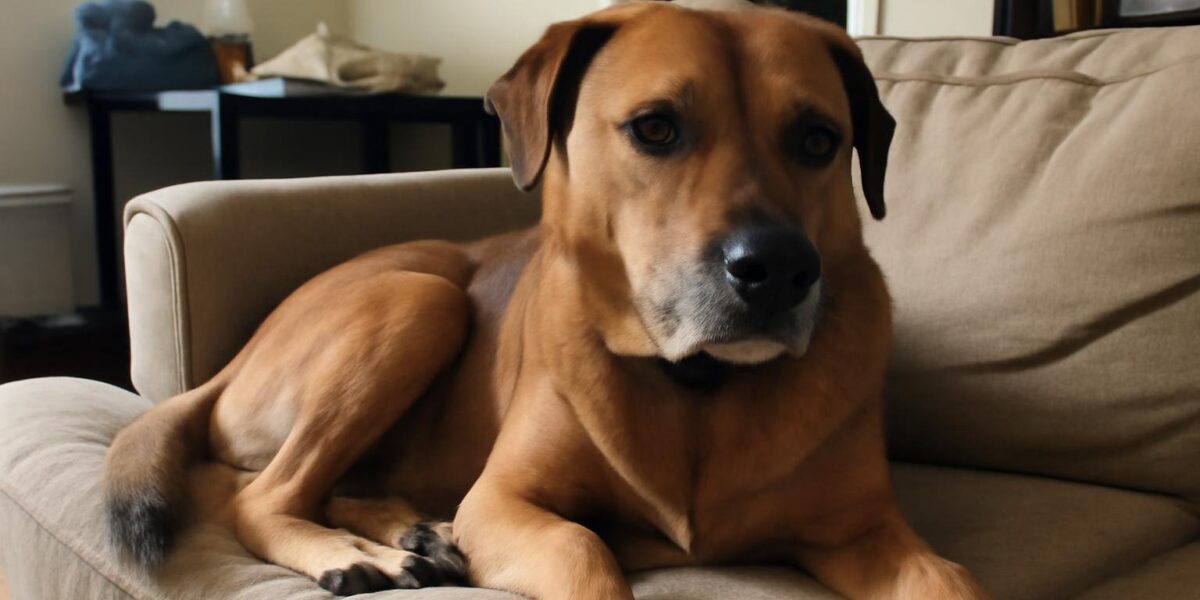
If you are wondering why is my dog limping but acting normal, the reassuring news is that a mild limp in a dog who is still eating, wagging, and behaving like themselves often points to a minor, self-limiting problem such as a small strain, a sore paw, or a tweaked muscle. This is usually a “rest it and watch closely” situation rather than an emergency. Even so, a limp is your dog’s way of telling you something hurts, and some causes are more serious than they look, so it is worth knowing what to monitor and when to book a vet visit.
In this article
The fact that your dog is otherwise acting normal is genuinely a good sign, because severe pain, fractures, and major injuries usually make a dog visibly distressed. But “acting normal” does not always mean “fine,” so let’s walk through the likely causes, the red flags, and how to support a sore leg at home.
It also helps to know that dogs are masters at hiding pain. In the wild, showing weakness made an animal a target, and that instinct lingers in our pet dogs. A dog who is still wagging, eating, and greeting you at the door may be downplaying real discomfort, which is why a limp deserves attention even when your dog seems cheerful. The good news is that the most common causes of a mild limp are also the ones that respond best to simple rest, so paying attention early often means a quicker, easier recovery.
Common Reasons for a Mild Limp
Most limps in an otherwise happy dog come from everyday minor injuries:
- Soft-tissue strains and sprains. Overdoing it at the park, slipping, or jumping off furniture can pull a muscle, tendon, or ligament. These often improve with a few days of rest.
- A paw problem. A cut pad, a thorn or grass seed between the toes, a broken or torn nail, a stuck pebble, or sore pads from hot pavement can all cause limping. Always check the foot first.
- A minor bruise or knock from rough play or bumping into something.
- Insect bite or sting on the leg or paw causing temporary tenderness.
- Stiffness from arthritis in older dogs, which can come and go, often worse after rest or cold weather.
With these, dogs typically still want to walk, eat, and play, and the limp is intermittent or mild. Many minor strains ease within a day or two of rest. The single most useful thing you can do at the very start is to check the paw, because a stuck thorn, a torn nail, a cut pad, or a wad of ice or matted fur between the toes is both extremely common and easy to miss, and sometimes the fix is as simple as removing the irritant.
Pay attention, too, to when the limp shows up. A dog who limps as they get up from a nap but loosens after a few steps is often dealing with stiffness or early arthritis. A dog who limps more after activity has likely tweaked a muscle or joint with exertion. A limp that appeared suddenly after a jump, slip, or rough play session usually points to a fresh strain or knock. These timing clues are worth noting because they help your vet narrow things down if the limp does not resolve.
More Serious Causes That Can Still Look Mild
Some conditions cause a limp without making the dog seem obviously sick, which is exactly why a persistent limp deserves attention:
- Partial ligament tears, such as an early cranial cruciate ligament injury in the knee, which may start as a subtle, intermittent limp.
- Joint disease or developmental issues like hip or elbow dysplasia, especially in growing or large-breed dogs.
- Lyme disease or other tick-borne illness, which can cause shifting lameness.
- Bone or joint infections, and, rarely, bone tumors, which may begin as a mild limp.
You are not expected to tell these apart. The point is simply that a limp lasting more than a day or two, or one that keeps returning, should be checked even if your dog seems happy. Our overview of dog limping causes goes deeper into the possibilities.
When to See a Vet or Treat It as an Emergency
Seek veterinary care right away if the limp comes with any of these urgent signs:
- The dog will not bear any weight on the leg, or holds it up completely.
- An obviously swollen, deformed, dangling, or wrongly angled limb, which may mean a fracture or dislocation.
- Severe pain, crying out, or aggression when the leg is touched.
- Heavy bleeding from a wound, or a leg that feels hot and swollen.
- The limp followed a serious trauma like a fall from height or a car incident.
- Signs of feeling unwell overall, such as fever, collapse, or loss of appetite.
For bleeding wounds, our pet bleeding triage decision tree walks you through next steps, and a stocked home pet first-aid and emergency station helps you respond. Even when none of the above apply, book a routine vet visit if a mild limp does not improve within 24 to 48 hours of rest, keeps coming back, or affects a young, large-breed, or senior dog.
What You Can Do at Home
For a mild limp in a dog that is otherwise bright, a short period of careful rest is the first and most useful step. Home care supports recovery but does not replace a vet’s assessment if the limp persists.
- Check the paw and leg gently. Look between the toes and pads for thorns, cuts, stuck objects, or a damaged nail, and feel along the leg for heat, swelling, or a sore spot.
- Rest, do not push through it. Restrict activity for a couple of days: short leashed potty breaks only, no running, jumping, or rough play.
- Help them avoid stairs and furniture jumps while the leg recovers.
- Apply a cool compress for a few minutes to a freshly tweaked area if your dog tolerates it.
- Never give human painkillers. Ibuprofen and acetaminophen are toxic to dogs; only use vet-prescribed medication.
Keep notes on which leg, how severe, whether it is constant or comes and goes, and what makes it better or worse. A short phone video of your dog walking can be surprisingly helpful, since limps often look different in the exam room than at home, and a clear clip lets your vet see the gait at its worst. If your dog also seems lethargic alongside the limp, mention that, as it shifts the picture toward something more than a simple strain.
A common mistake is to assume a limp that improves means the problem is solved. Rest can mask a partially torn ligament that will flare again, and arthritis comes and goes by nature. If a limp keeps returning, even mildly, treat that recurrence as its own reason to book a check rather than waiting for a dramatic worsening.
Preventing Future Limps
You can lower the risk of strains and joint trouble by keeping your dog at a healthy weight to reduce joint load, warming up before vigorous play, and avoiding repetitive high-impact activities on hard surfaces. Trim nails regularly, check paws after walks, and provide ramps or steps for dogs that love jumping on furniture. For older dogs, talk to your vet about joint support and arthritis management. Consistent, moderate exercise keeps muscles strong and joints supple, which protects against the minor injuries that cause most everyday limps.
Weight in particular deserves emphasis, because every extra pound adds load to joints with each step and accelerates wear over a dog’s life. Keeping your dog lean is one of the most powerful, evidence-backed ways to protect their joints. Traction matters too: slippery floors cause many of the slips and sprains that show up as limps, so runners or rugs in high-traffic areas give your dog confident footing. For large and giant breeds, and for puppies still growing, avoid forced repetitive exercise like long runs alongside a bike until the skeleton has matured, and ask your vet what activity level is appropriate for your dog’s age and breed.
Frequently Asked Questions
Should I let my dog walk on a limp if they seem fine?
It is best to restrict activity for a day or two even if your dog wants to play, because rest gives a minor strain time to heal. Continued use can worsen an injury. If the limp persists beyond 48 hours, see your vet.
How long should I wait before going to the vet?
For a mild limp with a normal-acting dog, monitoring with rest for 24 to 48 hours is reasonable. Go sooner for any non-weight-bearing, swelling, severe pain, deformity, or signs of illness. Recurring limps should also be checked.
Can I give my dog pain medicine for a limp?
Never give human painkillers like ibuprofen or acetaminophen, as they are toxic to dogs. Only give pain relief your veterinarian has prescribed and dosed specifically for your dog.
Why does my dog limp only sometimes?
An intermittent limp can come from mild strains, arthritis that flares with activity or cold, or early joint and ligament issues. Because some of these are progressive, an on-and-off limp lasting more than a couple of days still deserves a veterinary check.
My dog limps but it does not seem painful. Is that okay?
A limp always reflects some discomfort or mechanical problem, even if your dog hides it well, since dogs often mask pain. A short rest is wise, and a persistent or recurring limp should be examined by your vet.


