
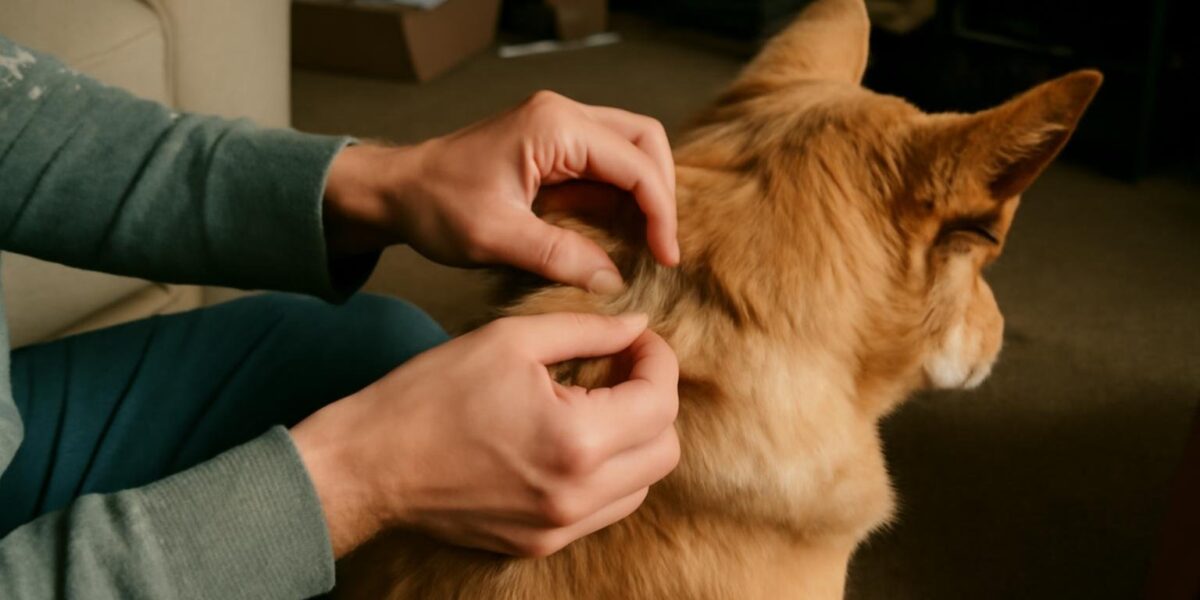
If you are asking why is my dog scratching but has no fleas, the reassuring news is that itching without fleas is rarely an emergency and is most often caused by something manageable, like allergies, dry skin, or a mild skin irritation. So this is usually a “find the trigger and soothe the skin” situation rather than a crisis. That said, persistent scratching can lead to raw skin, infections, and real misery for your dog, and occasionally it points to a condition that needs treatment, so it is worth understanding the likely causes and knowing when to involve your vet.
In this article
Itching is one of the most common reasons dogs see the vet, and fleas are only one possible cause among many. Below we walk through the usual culprits when fleas are not to blame, the signs that mean book a visit, and how to ease the itch at home.
Before going further, it is worth a gentle reality check on the “no fleas” part. Fleas are small, fast, and very good at hiding, and many dogs are so sensitive that a single bite triggers days of itching without you ever spotting a live flea. So even when you are confident fleas are not the issue, it is wise to double-check carefully and to keep your dog on flea prevention, because flea allergy remains one of the most common itch triggers of all. Once you have genuinely ruled fleas out, the causes below become the most likely explanations.
Common Causes of Itching Without Fleas
When you have ruled out fleas, these are the most frequent reasons a dog keeps scratching:
- Environmental allergies (atopy). Pollen, grass, dust mites, and mold can trigger itchy skin, often affecting the paws, belly, ears, and face. These allergies may be seasonal or year-round.
- Food allergies or sensitivities. Certain proteins or ingredients can cause itching, sometimes with ear infections or tummy upset.
- Dry skin. Low humidity, over-bathing, or harsh shampoos strip natural oils and leave skin flaky and itchy.
- Contact irritants. Cleaning products, lawn chemicals, new bedding, or certain plants can irritate the skin.
- Other parasites. Mites (causing mange), lice, or ear mites itch intensely even though they are not fleas.
- Skin infections. Bacterial or yeast infections, often secondary to another problem, make scratching worse.
- Boredom or anxiety, which can drive repetitive licking and scratching.
Because these overlap and often layer on top of each other, identifying the trigger sometimes takes a bit of detective work with your vet. Our guide to dog itchy skin causes goes deeper into each one.
Where Your Dog Itches Can Be a Clue
The location of the scratching often hints at the cause:
- Paws and between the toes: commonly environmental or food allergies, sometimes yeast.
- Ears: allergies, ear mites, or infections. Persistent ear scratching deserves a look, and our guide on dog itchy ears can help.
- Belly, armpits, and groin: often allergies or contact irritants on thin-skinned areas.
- Rear end and base of the tail: can indicate anal gland issues or, classically, fleas, so double-check there.
- Whole body: dry skin, widespread allergies, or mange.
Noting where and when your dog scratches, and whether the skin looks red, flaky, greasy, or has bald patches, gives your vet valuable information.
The timing of the itch is just as telling as the location. Itching that flares in spring and summer often points to seasonal pollen allergies, while year-round itching leans toward dust mites, food sensitivities, or an indoor irritant. Itching that began right after a new food, shampoo, detergent, or bedding suggests a reaction to that specific change. And itching that is clearly worse at night can have its own set of causes, from mites that are more active in the dark to a dog who simply has fewer distractions once the house is quiet.
When the Itch Becomes a Bigger Problem
Scratching is not just uncomfortable; left unchecked, it can create new problems on top of the original cause. When a dog scratches, licks, and chews the same area repeatedly, the skin barrier breaks down. That opens the door to bacterial and yeast infections, which itch even more, driving still more scratching. This “itch-scratch cycle” is how a minor allergy can snowball into raw, smelly, infected skin and hot spots within a day or two.
Breaking that cycle early is one of the best reasons not to simply wait out a persistent itch. Signs that an infection or self-trauma has set in include a strong odor, greasy or crusty patches, redness that spreads, hair loss, and skin that looks thickened or darkened from chronic irritation. Hot spots, which are angry, moist, rapidly growing sores, can appear seemingly overnight, especially in thick-coated dogs in warm weather. These secondary problems usually need prescription treatment, so they are a clear signal to involve your vet rather than continuing with home remedies alone.
When to See a Vet
Itching without fleas is rarely a sudden emergency, but you should book a vet visit if you notice any of the following, because these suggest infection, an underlying condition, or significant discomfort:
- Scratching that is intense, constant, or keeps your dog (or you) up at night.
- Raw, broken, bleeding, or weeping skin, hot spots, or a bad smell.
- Hair loss, scabs, thickened or darkened skin, or spreading patches.
- Signs of an ear infection, like head shaking, odor, or discharge.
- Itching with other symptoms, such as appetite or behavior changes.
- No improvement after a couple of weeks of gentle home care.
Rarely, sudden intense itching with facial swelling, hives, or any breathing difficulty can indicate an allergic reaction that needs emergency care, so treat those signs as urgent. A stocked home pet first-aid and emergency station helps you respond. If the itch is clearly worse after dark, our guide on why a dog is so itchy at night covers that pattern in detail.
What You Can Do at Home
While you arrange a vet visit or for mild cases, gentle home care can soothe your dog. These steps relieve symptoms but do not replace a diagnosis, since ongoing itching usually needs the underlying cause addressed.
- Confirm there really are no fleas. Use a flea comb over the rump and tail base, and check for flea dirt (tiny black specks that turn red on a damp paper towel), since fleas are easy to miss.
- Keep up parasite prevention as your vet recommends, even if you do not see fleas.
- Bathe gently with a mild, vet-approved or oatmeal shampoo, and avoid over-bathing, which dries the skin.
- Boost skin health with a vet-recommended omega-3 supplement and consistent grooming.
- Wipe paws and coat after walks during allergy season to remove pollen.
- Reduce irritants at home, switching to fragrance-free cleaners and washing bedding regularly.
- Use a recovery collar if your dog is breaking the skin, to prevent infection while you get help.
Never give human antihistamines or steroids without veterinary guidance, as dosing and safety vary. Keep a simple diary of flare-ups, since patterns help pinpoint allergies. Noting the date, the body area, the weather, and any recent changes to food or products turns a frustrating mystery into a pattern your vet can act on.
It is worth setting realistic expectations, too. Many itchy dogs, especially those with allergies, are not “cured” so much as managed, with flare-ups that come and go and a routine that keeps them comfortable most of the time. That is a normal and very livable situation. The goal of home care is to soothe and support while you and your vet identify the trigger and build a long-term plan, not to replace that plan. A dog whose itching is well controlled sleeps better, has healthier skin, and is far happier, which is well worth the effort of getting to the bottom of it.
Frequently Asked Questions
Can my dog still have fleas even if I do not see any?
Yes. Fleas are small and fast, and a dog may react to just a few bites. Comb the rump and tail base and check for flea dirt before ruling fleas out. Consistent flea prevention is wise even when you do not spot them.
What are the most common reasons for itching without fleas?
Environmental allergies, food sensitivities, dry skin, contact irritants, mites, and skin infections top the list. Because these often overlap, your vet may need to test or trial different approaches to find the trigger.
Can I give my dog Benadryl for itching?
Some vets do recommend antihistamines for dogs, but the right product, dose, and suitability depend on your individual dog. Always confirm with your veterinarian before giving any human medication, as some are unsafe or ineffective.
How long should I try home care before seeing the vet?
For mild itching, gentle home care for a week or two is reasonable. See your vet sooner if the skin is raw, infected, smelly, losing hair, or if your dog is miserable, and any time itching comes with swelling or breathing trouble.
Could stress be making my dog scratch?
Yes. Boredom and anxiety can drive repetitive licking and scratching, sometimes alongside or instead of a physical cause. Enrichment, exercise, and a calm routine help, but a vet should still rule out medical reasons first.


