Last updated: April 27, 2026
In this article
Abyssinian vs Bengal Cat: Which Active Feline Is Your Ideal Companion?
If you have ever wished your cat would fetch, play, or explore alongside you like a tiny jungle companion, you have probably already encountered the Abyssinian and the Bengal. These two breeds are the athletes of the cat world, packed with energy, intelligence, and a zest for life that makes them stand out from the typical house cat. Both breeds attract owners who want more engagement and interaction from their feline companions, but the similarities end there in many respects.
Whether you are an experienced cat owner looking for your next adventure buddy or a newcomer drawn to these dazzling breeds, this in-depth comparison will help you understand how the Abyssinian and Bengal differ in temperament, care, health, and day-to-day living. Choosing the right one depends on your lifestyle, your expectations, and just how much action you want from your cat.
History and Origins
The Abyssinian and the Bengal have dramatically different origin stories, which helps explain the fundamental differences in their characters.
The Abyssinian is one of the oldest known cat breeds, though its exact origins are wrapped in mystery and legend. The breed’s name suggests a connection to Abyssinia (modern-day Ethiopia), and the ticked tabby coat pattern is reminiscent of the sacred cats depicted in ancient Egyptian art. The most commonly accepted theory is that British soldiers brought cats from Abyssinia to England after the Abyssinian War of 1868, and British breeders refined these cats into the modern Abyssinian. Genetic studies, however, suggest the breed may actually have originated along the coast of the Indian Ocean, with cats from Southeast Asia contributing to the breed’s development. Regardless of its exact origins, the Abyssinian was one of the first cat breeds exhibited at cat shows in England in the 1870s and has maintained its popularity ever since.
The Bengal is a much more recent creation with a far more dramatic backstory. The breed was developed in the 1960s and 1970s by crossing domestic cats with the Asian Leopard Cat (Prionailurus bengalensis), a small wild cat native to Southeast Asia. The pioneer of the breed, Jean Mill, began the crosses with the goal of creating a domestic cat with the stunning spotted coat of a wild cat but the temperament of a house cat. The early generations required careful breeding, as first-generation hybrids (F1) retained significant wild behavior. It took several generations of crossing back to domestic cats before the Bengal became the reliably domestic, albeit energetic, breed we know today. The International Cat Association granted the Bengal full championship status in 1991.
These origins matter because they shape each breed’s behavior in meaningful ways. The Abyssinian’s ancient domestication has produced a cat that is thoroughly domestic in its instincts while being naturally curious and athletic. The Bengal’s relatively recent wild ancestry contributes to its intense energy, strong prey drive, and unique vocalizations that distinguish it from most domestic cats.
Appearance and Physical Traits
Both the Abyssinian and the Bengal are undeniably beautiful cats, but their aesthetics are quite different.
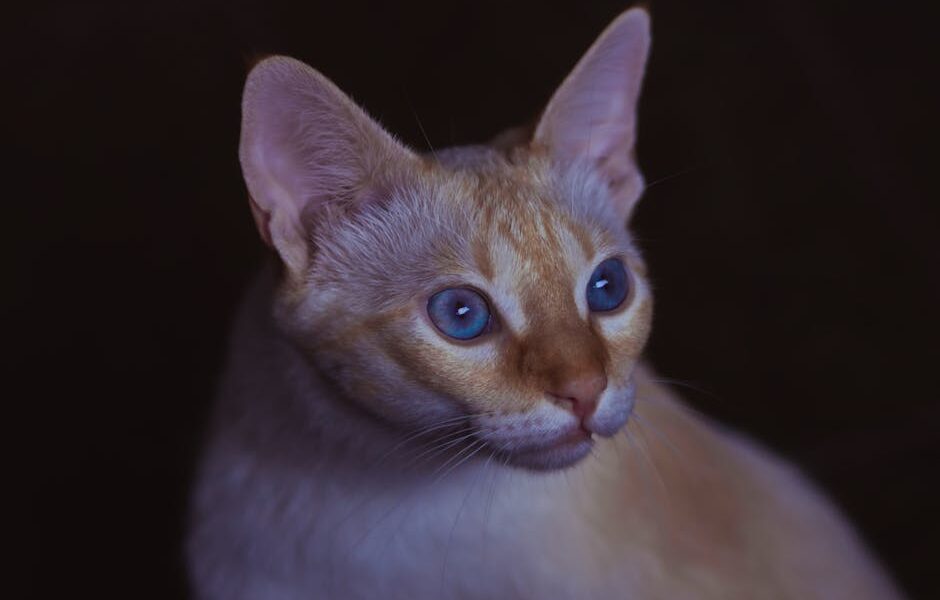
The Abyssinian is a medium-sized, elegant cat that weighs between 6 and 10 pounds. The breed has a lithe, muscular body with long legs that give it a graceful, athletic appearance. The Abyssinian’s most distinctive feature is its coat, which displays a unique ticked tabby pattern. Each individual hair is banded with alternating light and dark colors, creating a warm, shimmering effect that resembles the coat of a wild rabbit. This ticking gives the Abyssinian a sleek, sophisticated look without visible stripes or spots. The most common color is ruddy (a warm reddish-brown with black ticking), but the breed also comes in red (cinnamon ticking), blue (warm beige with slate blue ticking), and fawn (warm rose-beige with light cocoa ticking). The Abyssinian’s face is expressive with large, almond-shaped eyes that can be gold, green, or hazel, and large, alert ears that give the breed an attentive, engaged expression.
The Bengal is a medium to large cat, weighing 8 to 15 pounds, with males sometimes exceeding that range. The Bengal has a more substantial, muscular build than the Abyssinian, with a longer body and powerful hindquarters that give it an athletic, predatory look. The Bengal’s coat is its defining feature: a short, dense, luxuriously soft pelt that displays either spotted or marbled patterns reminiscent of wild cats. The spots can be solid or rosetted (two-toned spots with a lighter center and darker outline), and colors include brown, silver, snow (seal lynx point, seal mink, and seal sepia), and charcoal. Many Bengals have a glittering quality to their coat, where the individual hairs are tipped with translucent light that makes the coat appear to sparkle in sunlight. The Bengal’s face features high cheekbones, a broad nose, and small, rounded ears set wide apart.
In terms of sheer visual impact, the Bengal often wins for dramatic effect, especially with its wild-looking rosettes and glittering coat. The Abyssinian’s beauty is more subtle and elegant, with its warm, shimmering ticked coat creating a refined, almost regal appearance. Both breeds turn heads, but they appeal to different aesthetic preferences.
Temperament and Personality
Both the Abyssinian and the Bengal are active, intelligent breeds that demand more engagement than the average house cat. However, they differ in intensity, sociability, and the specific ways they channel their energy.
The Abyssinian is often described as the perfect blend of active and affectionate. These cats are perpetually curious, always investigating their surroundings, climbing to the highest available perch, and supervising every activity in the household. Abyssinians are playful and athletic, enjoying games that challenge their agility and intelligence. They are not typically lap cats, preferring to sit beside their owner or on a nearby perch rather than directly on a lap. However, they are deeply bonded to their people and thrive on interaction. Abyssinians are social cats that generally get along well with other cats, dogs, and children, making them excellent family pets.
The Bengal is the more intense of the two breeds. These cats have energy levels that can surprise even experienced cat owners. Bengals are extraordinarily athletic, capable of jumping to impressive heights, racing through the house at breakneck speed, and engaging in extended play sessions that would exhaust most other cats. They are also highly intelligent and need substantial mental stimulation to stay satisfied. Bored Bengals are notorious for finding their own entertainment, which often involves opening cabinets, turning on faucets, unrolling toilet paper, or dismantling anything that catches their attention.
Bengals are also more vocal than Abyssinians, with a distinctive range of sounds that includes chirps, trills, yowls, and a unique raspy meow that reflects their wild ancestry. Some Bengal owners find this vocalization charming, while others find it overwhelming, especially when the cat is demanding attention at inconvenient hours.
Socially, Bengals bond strongly with their families but can be more selective about other pets. Some Bengals are sociable and playful with other cats and dogs, while others prefer to be the center of attention and may not appreciate sharing the spotlight. The breed’s high prey drive can also make it problematic around small pets like birds, hamsters, and fish.
For a broader look at energetic feline companions, our list of the most playful cat breeds includes additional options worth exploring.
Exercise, Enrichment, and Living Environment
Both the Abyssinian and the Bengal need significantly more environmental enrichment and exercise opportunities than the average house cat. Failing to meet these needs is the single biggest mistake owners of these breeds make, and it leads to behavioral problems that can be difficult to resolve.
The Abyssinian needs an environment that caters to its love of climbing, exploring, and observing. Tall cat trees, wall-mounted shelves, window perches, and access to high vantage points are essential. Abyssinians enjoy interactive play sessions with feather wands, laser pointers, and puzzle toys. They benefit from at least 30 to 45 minutes of structured play daily, divided into multiple shorter sessions throughout the day. Many Abyssinians can be trained to walk on a leash, which provides valuable outdoor enrichment in a safe, controlled manner.
The Bengal needs everything the Abyssinian needs and then some. In addition to climbing structures and interactive toys, Bengals benefit from puzzle feeders, automated toys, and rotating enrichment activities to prevent boredom. Many Bengals love water and will play in sinks, bathtubs, and water fountains, so providing a water feature or allowing supervised water play can be a great enrichment strategy. Bengals also benefit from leash walking, and some owners even set up enclosed outdoor spaces (catios) to give their Bengals access to fresh air and natural stimulation.
Neither breed is suited to a barren, under-stimulated environment. If you work long hours and your cat will be home alone, providing a feline companion is strongly recommended for both breeds. A second cat can provide social interaction and play opportunities that help prevent boredom-related behavioral issues. However, introductions should be done carefully, and the companion cat should ideally match the energy level of the breed you have chosen.
Apartment living is possible for both breeds if the environment is sufficiently enriched. Bengals may be more challenging in apartments due to their higher energy levels and vocal tendencies, which could disturb neighbors. Abyssinians tend to be slightly more adaptable to smaller spaces, though they still need ample vertical space and enrichment.
Health and Lifespan
Both the Abyssinian and the Bengal are generally healthy breeds, but each has genetic predispositions that prospective owners should be aware of.
The Abyssinian has an average lifespan of 12 to 15 years. The breed’s most significant health concern is progressive retinal atrophy (PRA), specifically the rdAc form, which causes gradual degeneration of the retina leading to blindness. A DNA test is available for this condition, and responsible breeders test all breeding cats. Abyssinians are also prone to pyruvate kinase deficiency (PKD), a blood disorder that causes anemia, and renal amyloidosis, a condition in which abnormal protein deposits in the kidneys can lead to kidney failure. Dental issues, including gingivitis and periodontal disease, are more common in Abyssinians than in many other breeds, making regular dental care particularly important.
The Bengal has an average lifespan of 12 to 16 years. Hypertrophic cardiomyopathy (HCM) is the most serious health concern in the breed, as it is the most common form of heart disease in cats and affects Bengals at a notable rate. Regular cardiac screening with echocardiography is recommended. Bengals are also predisposed to progressive retinal atrophy (PRA-b, a different form than the Abyssinian’s), distal neuropathy (a neurological condition that causes weakness in the hind legs), and flat-chested kitten syndrome in neonates. Some Bengals may be prone to sensitive stomachs and may benefit from a high-quality diet with limited ingredients.
For both breeds, choosing a breeder who performs comprehensive genetic testing and health screening is essential. Ask for documentation of all relevant tests and ensure breeding cats have been screened for breed-specific conditions. Regular veterinary checkups, appropriate preventive care, and a high-quality diet tailored to the cat’s needs will help maximize health and longevity.
Grooming and Daily Care
Both the Abyssinian and the Bengal are relatively low-maintenance when it comes to grooming, which is a welcome contrast to their high-maintenance exercise and enrichment needs.
The Abyssinian’s short, fine, ticked coat requires minimal grooming. A weekly brushing with a soft bristle brush or grooming mitt is sufficient to remove loose hair and keep the coat looking sleek and healthy. Abyssinians are moderate shedders, with slightly heavier shedding during seasonal coat changes. Bathing is rarely necessary unless the cat gets into something messy. The breed’s coat is naturally glossy and well-maintained, reflecting its overall good health.
The Bengal’s short, dense coat is equally easy to care for. Weekly brushing is usually sufficient, and many Bengal owners find that a quick rubdown with a grooming glove is all that is needed. Bengals tend to shed less than many other breeds, and their close-lying coat picks up less debris than longer coats. The coat’s distinctive glittering quality is natural and does not require any special products or treatments. Some Bengals enjoy being brushed and will actively seek out grooming sessions, while others prefer to be left alone.
For both breeds, standard grooming routines include regular nail trimming every two to three weeks, ear cleaning as needed, and dental care. Given the Abyssinian’s predisposition to dental issues, daily tooth brushing is particularly important for that breed. Both breeds also benefit from regular veterinary dental cleanings as part of their overall health care routine.
Making Your Choice: Abyssinian or Bengal?
The decision between an Abyssinian and a Bengal ultimately comes down to the intensity of experience you are looking for.
Choose an Abyssinian if you want a highly active, curious, and social cat that is athletic and engaging but not overwhelming. The Abyssinian offers a wonderful balance of playfulness and affection, with a manageable energy level that most dedicated cat owners can accommodate. Abyssinians are generally easier to integrate into multi-pet households and tend to be more consistently social with strangers and visitors.
Choose a Bengal if you want the ultimate high-energy, high-interaction feline experience. Bengals are for owners who want a cat that will challenge them, entertain them, and demand their active participation in daily life. The Bengal’s wild heritage gives it an exotic appeal and an intensity that is unlike anything else in the domestic cat world. Be prepared for a significant investment in enrichment, exercise, and mental stimulation.
Both breeds require committed, engaged owners who understand that these are not cats that will be content sitting on a windowsill all day. If you are ready for an active, interactive feline partnership, either the Abyssinian or the Bengal will reward you with years of entertainment, affection, and adventure.
Frequently Asked Questions
Which is more expensive, an Abyssinian or a Bengal kitten?
Bengal kittens are typically more expensive than Abyssinian kittens. A Bengal from a reputable breeder usually costs between $1,500 and $4,000, with show-quality kittens and those with rare colorations or exceptionally rosetted coats commanding higher prices. Abyssinian kittens generally range from $1,000 to $2,500. Both breeds are more expensive than the average purebred cat due to their popularity and the specialized breeding required. Be cautious of significantly lower prices, as they may indicate a backyard breeder or kitten mill that does not perform proper health testing.
Can Abyssinians and Bengals live together?
Abyssinians and Bengals can make excellent companions for each other, as both breeds are active, playful, and enjoy interactive play. Their similar energy levels mean they can keep each other entertained, which can reduce boredom-related behavioral issues. However, introductions should be done gradually and carefully, as Bengals can sometimes be dominant and territorial. Opposite-sex pairings or pairing a kitten with an adult tend to work best. Monitor their interactions during the adjustment period and ensure each cat has its own resources, including food bowls, litter boxes, and resting areas.
Are Abyssinians or Bengals better for apartments?
Abyssinians are generally better suited to apartment living than Bengals, though both breeds can adapt to smaller spaces with sufficient environmental enrichment. Abyssinians are less vocal than Bengals, which is an important consideration in apartment settings where sound carries to neighboring units. Both breeds need vertical space in the form of tall cat trees and wall shelves, interactive toys, and regular play sessions regardless of living space size. If you choose a Bengal for apartment living, invest heavily in enrichment and consider whether the breed’s vocal tendencies will be compatible with your living situation and your neighbors’ tolerance.
Do Bengals really like water?
Yes, many Bengals have a genuine fascination with water that is uncommon among domestic cats. This trait is believed to be inherited from their Asian Leopard Cat ancestor, which is an excellent swimmer and fisher in the wild. Many Bengals will play in running water, paw at their water bowl, join their owners in the shower, and even learn to turn on faucets. Not every individual Bengal is water-obsessed, but the tendency is common enough to be considered a breed trait. If you have a Bengal that loves water, providing a pet water fountain or occasional supervised water play can be an excellent enrichment activity. Just be sure to secure toilet lids and be mindful of open containers of water around the house.
Looking to adopt a Abyssinian vs Bengal Cat?
Browse Abyssinian vs Bengal Cat cats and mixes available for adoption from shelters and rescues near you.
Find Abyssinian vs Bengal Cat Cats for Adoption