
What Acute Kidney Injury Means
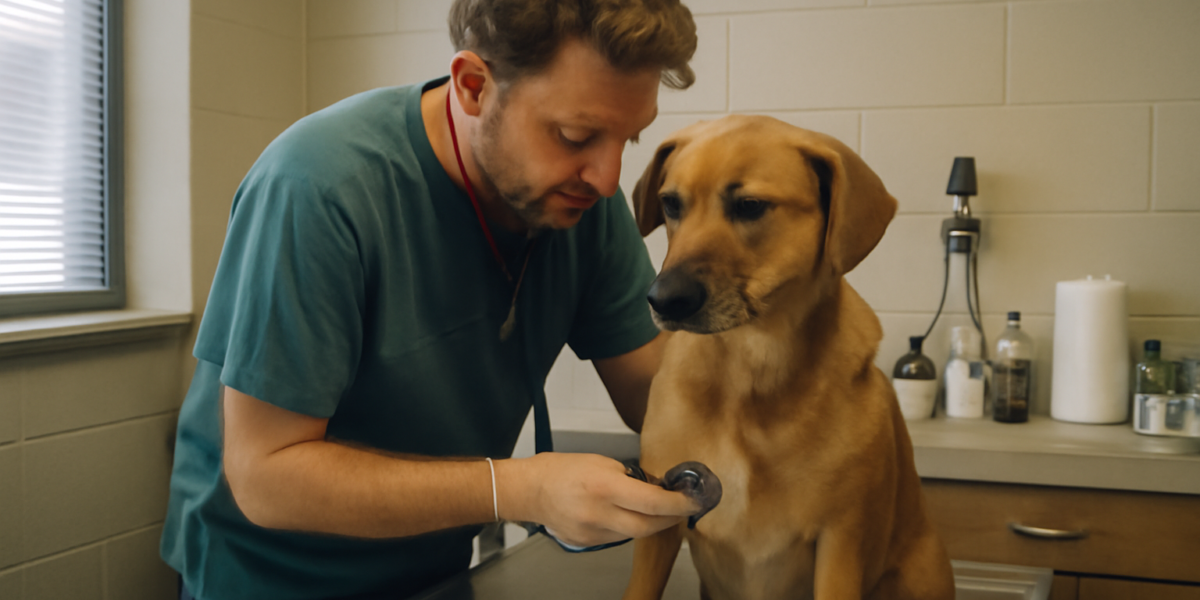
Acute kidney injury (AKI) in dogs is a sudden loss of kidney function over hours to days. Unlike chronic kidney disease, which develops slowly, AKI strikes quickly and can be life-threatening. The kidneys stop filtering waste effectively, fluid balance collapses, and toxins accumulate in the bloodstream rapidly.
In this article
- What Acute Kidney Injury Means
- Common Causes of Sudden Kidney Damage
- Other Triggers Worth Knowing
- Warning Signs to Take Seriously
- Why Speed Matters
- The Emergency Workup
- Hospitalization and Fluid Therapy
- Targeted Treatment of the Cause
- Hemodialysis and Advanced Therapies
- Recovery and What Comes Next
- Preventing Future Episodes
- Frequently Asked Questions
The condition was previously called acute renal failure, but veterinary medicine now uses “injury” to recognize that the spectrum runs from mild damage that recovers fully to severe damage that does not. Catching and treating AKI early gives the kidneys their best chance to heal. Acute kidney injury dogs experience can be reversible if intervention is prompt.
AKI is graded by severity from I to V using rising creatinine and clinical signs. The grades guide treatment intensity and prognosis discussions. A dog with grade I AKI from mild dehydration is in a very different place from one with grade V from antifreeze poisoning.
Common Causes of Sudden Kidney Damage
Toxins are responsible for many AKI cases. Antifreeze (ethylene glycol) is one of the most dangerous because it tastes sweet and dogs readily lap it up. Even small amounts can cause fatal kidney damage. Grapes, raisins, lilies (more often a cat hazard but still relevant), and certain medications can also injure the kidneys.
Medications that occasionally cause AKI include nonsteroidal anti-inflammatories given at high doses or to dehydrated patients, certain antibiotics, and some chemotherapy drugs. Always inform your veterinarian about every medication and supplement your dog receives. Never give human pain medications without veterinary guidance.
Infections are another major cause. Leptospirosis, a bacterial disease spread through wildlife urine, is a leading cause of AKI in dogs in many regions. Pyelonephritis (kidney infection), tick-borne diseases like Lyme nephritis and ehrlichiosis, and severe systemic infections can all damage the kidneys.
Other Triggers Worth Knowing
Reduced blood flow to the kidneys, called pre-renal AKI, happens with severe dehydration, shock, heart failure, or anesthetic complications. The kidneys themselves may be healthy, but they cannot function without adequate perfusion. Quick fluid resuscitation usually reverses pre-renal AKI if caught early.
Post-renal AKI happens when urine cannot flow out, usually due to a urinary obstruction such as bladder stones blocking the urethra. The backup pressure damages the kidneys quickly. Male dogs with urinary stones are at higher risk of obstruction. Our guide to bladder stones in dogs covers prevention and treatment.
Heatstroke, severe trauma, blood transfusion reactions, and pancreatitis can all trigger AKI through complex mechanisms involving inflammation and reduced blood flow. Any critically ill dog is at risk of secondary kidney injury, which is why monitoring kidney values is part of intensive care.
Warning Signs to Take Seriously
Sudden vomiting, especially repeated, is one of the most common signs. Dogs may also show a dramatic decrease in appetite, lethargy that comes on quickly, weakness, or a hunched posture suggesting abdominal discomfort. Bad breath with an ammonia or chemical odor sometimes appears within a day or two.
Changes in urination are telling. Some dogs urinate large amounts (the kidneys lose their concentrating ability), while others stop producing urine altogether. Both are emergencies. Owners may notice their dog has not had a wet patch outside, or that the bladder feels uncomfortably full.
Other red flags include disorientation, tremors, seizures, mouth ulcers, and sudden collapse. AKI can cause electrolyte imbalances that affect the heart and nervous system. Any combination of these signs is a same-day emergency.
Why Speed Matters
The kidneys have remarkable regenerative ability, but they cannot repair themselves while still being damaged. Every hour that the underlying cause continues, the chance of full recovery declines. This is especially true for toxin exposures, where treatments like specific antidotes only work within a narrow window.
Antifreeze poisoning is the textbook example. If treated within hours of ingestion, antidotes can prevent kidney damage entirely. Once metabolites have formed and started attacking the kidneys, treatment becomes a salvage effort. The same urgency applies to leptospirosis, where prompt antibiotics can preserve kidney function.
If you suspect any toxin exposure, do not wait to see if symptoms develop. Call your veterinarian or an animal poison control hotline immediately. Bring the package or label if possible. Time is the single most important variable in AKI outcomes.
The Emergency Workup
Diagnosis starts with a thorough history (any new foods, plants, medications, or potential exposures), physical exam, and emergency bloodwork. Creatinine, BUN, SDMA, electrolytes (especially potassium), phosphorus, and a complete blood count provide the first picture of severity.
Urinalysis with specific gravity is essential. Dilute urine in the face of dehydration suggests true kidney injury. The urine sediment may show cellular casts or crystals (calcium oxalate crystals are a hallmark of antifreeze poisoning). Cultures help identify infection.
Imaging with abdominal ultrasound assesses kidney size and structure and rules out obstruction. Specific tests for leptospirosis, tick-borne diseases, and toxins may be added based on history. Blood gas analysis helps detect the metabolic acidosis that accompanies severe AKI.
Hospitalization and Fluid Therapy
Most dogs with AKI need to be hospitalized for intravenous fluid therapy. The goal is to restore kidney perfusion, correct dehydration, flush toxins, and support electrolyte balance. The fluid type and rate are always set by your veterinarian based on bloodwork and clinical status.
Urine output is monitored closely, often with a urinary catheter so the team can measure exactly how much urine is being produced per hour. Some dogs respond beautifully to fluids and start producing normal urine within hours. Others remain anuric (producing no urine) and need more aggressive intervention.
Length of hospitalization varies. Mild AKI may resolve in two to three days, while severe cases may need a week or more of intensive care. Owners should be prepared emotionally and financially for the possibility of an extended stay.
Targeted Treatment of the Cause
Once a cause is identified, specific treatments can begin. Antifreeze poisoning is treated with fomepizole or ethanol to block toxin metabolism, ideally within hours of exposure. Leptospirosis responds to specific antibiotics. Bacterial pyelonephritis needs an appropriate antibiotic course based on culture results.
Urinary obstruction must be relieved promptly, sometimes with catheterization or surgery, to reverse post-renal AKI. NSAID-induced injury is treated by stopping the drug and providing supportive care. Each cause has its own playbook, and your veterinarian will coordinate the treatment plan.
Anti-nausea medications, gastric protectants, and electrolyte management round out supportive care. Dogs who cannot eat for several days may need nutritional support through a feeding tube. Pain management and stress reduction help recovery as much as the targeted therapies.
Hemodialysis and Advanced Therapies
For dogs that do not respond to fluid therapy, hemodialysis can be life-saving. This specialty treatment, available at select veterinary referral centers, removes waste and excess fluid from the bloodstream when the kidneys cannot. Hemodialysis can buy time for the kidneys to heal.
Continuous renal replacement therapy is another option in critical care settings. It works similarly to hemodialysis but at a slower, gentler pace, which can be better for very unstable patients. Both treatments require specialized equipment and trained staff, so referral may be needed.
The decision to pursue advanced therapies involves weighing prognosis, cost, family logistics, and the dog’s overall condition. Your primary care veterinarian and any specialists involved can help you think through the options. Many dogs who receive dialysis recover meaningfully, but the journey is intensive.
Recovery and What Comes Next
Many dogs survive AKI, especially when the cause is treated quickly. Recovery often takes weeks, with kidney values gradually returning toward normal. Some dogs recover fully and go on to live normal lives. Others have residual damage and develop chronic kidney disease.
Follow-up bloodwork is essential during the weeks after discharge. Your veterinarian will track creatinine, SDMA, and urinalysis trends to see whether kidney function is stabilizing or declining. If chronic kidney disease develops, our guide to chronic kidney disease in dogs covers long-term management.
At-home care after AKI focuses on hydration, palatable food, gentle activity, and stress reduction. Avoid any medications, supplements, or potentially toxic exposures while the kidneys heal. Your vet will guide you on when normal life can resume.
Preventing Future Episodes
Prevention starts with eliminating exposure to known toxins. Store antifreeze, household chemicals, and medications safely out of reach. Avoid feeding grapes, raisins, or table scraps that may contain harmful ingredients. Keep your dog away from puddles in driveways where antifreeze may spill.
Vaccinate against leptospirosis if your dog is at risk based on lifestyle and geography. Use tick prevention to reduce exposure to tick-borne illnesses. Be cautious with NSAIDs and never give human pain medications without veterinary guidance.
For more on canine wellness and prevention, our dog care blog covers a range of topics. If you are exploring adoption or want to learn more about caring for a dog with a history of kidney issues, the dog adoption hub has helpful resources.
Frequently Asked Questions
Can a dog fully recover from acute kidney injury?
Yes, in many cases, especially when treatment starts early. Outcomes depend on the cause, severity, and how quickly intervention begins. Some dogs recover completely, while others have residual damage that becomes chronic kidney disease. Prompt veterinary care offers the best chance for full recovery.
What are the most dangerous toxins for canine kidneys?
Antifreeze (ethylene glycol) is one of the most lethal because of its sweet taste and rapid kidney damage. Grapes, raisins, certain medications including high-dose NSAIDs, and lilies (especially in cats) are also dangerous. Always keep these out of reach.
How long does AKI treatment usually take?
Mild cases may stabilize within two to three days of hospitalization. Severe cases can require a week or longer of intensive care, sometimes including dialysis. Outpatient follow-up and bloodwork continue for weeks afterward to track recovery.
Will my dog need a special diet after AKI?
Many dogs benefit from a renal-support diet during and after recovery, especially if some kidney damage persists. Your veterinarian will assess kidney values and recommend an appropriate diet. Hydration, low-phosphorus options, and palatable food are common priorities.
When should I rush my dog to the vet?
Call immediately if your dog has eaten antifreeze, grapes, raisins, or other potentially toxic substances; if they suddenly stop urinating or urinate excessively; if they have repeated vomiting; or if they collapse. AKI is a true emergency, and minutes matter. Always consult your veterinarian without delay.


