
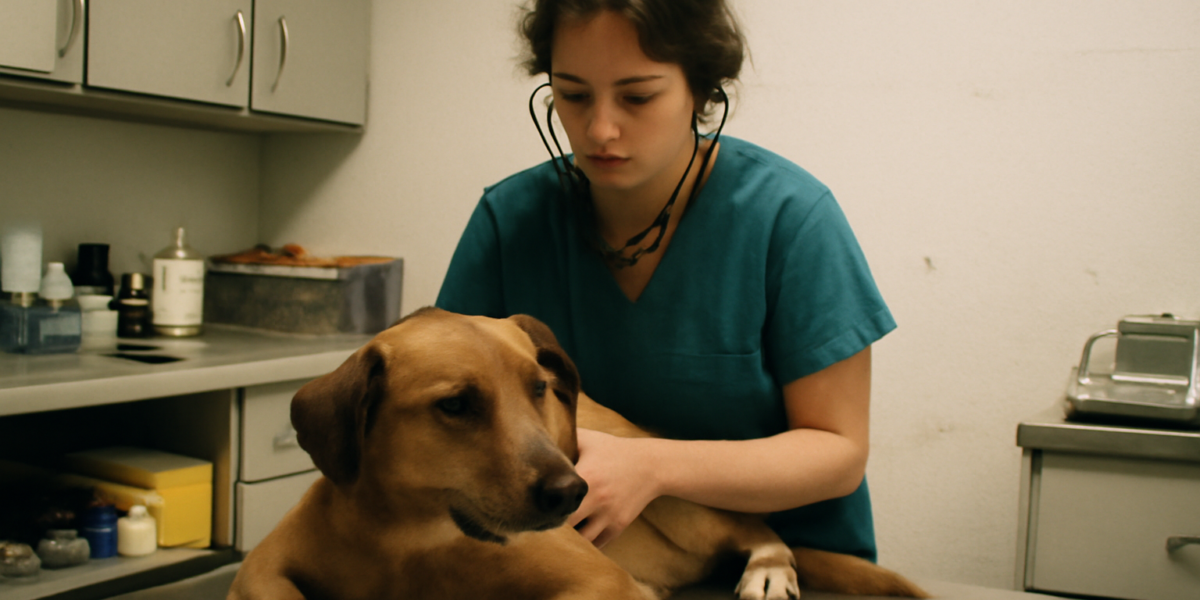
Understanding Canine Chronic Kidney Disease
Chronic kidney disease (CKD) in dogs is the gradual, irreversible loss of kidney function over months to years. The kidneys filter waste from the blood, regulate fluid and electrolyte balance, manage blood pressure, and help produce red blood cells. When their function declines, every one of those jobs starts slipping.
In this article
- Understanding Canine Chronic Kidney Disease
- The IRIS Staging System
- Spotting the Early Signs
- How Vets Confirm the Diagnosis
- The Renal Diet Foundation
- Hydration and Fluid Therapy
- Medications That Help
- Monitoring and Recheck Schedule
- Managing Common Complications
- Quality of Life Considerations
- When to Call Your Veterinarian
- Frequently Asked Questions
Unlike acute kidney injury, which appears suddenly, kidney disease dogs face is a slow accumulation of damage. By the time symptoms become obvious, two-thirds or more of the kidney tissue has often been compromised. That is why early detection on routine bloodwork is so valuable, even before clinical signs appear.
Common underlying causes include age-related wear and tear, genetic predisposition (some breeds carry inherited kidney conditions), chronic infections, immune-mediated damage, exposure to nephrotoxic substances, and aftermath of acute kidney injury. In many older dogs, no single cause is identified and the disease is simply chronic and progressive.
The IRIS Staging System
The International Renal Interest Society (IRIS) created a four-stage system to standardize how veterinarians describe and treat CKD. Staging is based primarily on a stable creatinine level (and increasingly on SDMA, a more sensitive kidney marker) measured when the dog is well-hydrated.
Stage 1 is the earliest and often invisible. Bloodwork shows mild SDMA elevation but creatinine is still normal, and the dog feels fine. This is when interventions like diet and blood pressure control offer the greatest long-term benefit.
Stage 2 brings mild creatinine elevation. Some dogs start drinking and urinating more. Stages 3 and 4 are advanced disease, with rising creatinine, weight loss, decreased appetite, vomiting, and accumulating waste products in the bloodstream. Substaging adds information on protein loss in the urine and blood pressure, which guide additional treatments.
Spotting the Early Signs
Increased thirst and urination are usually the first noticeable changes. Owners often report that their dog drinks an entire bowl in one go, has accidents in the house, or asks to go out at night. These signs reflect the kidneys losing their ability to concentrate urine.
As the disease progresses, you may notice subtle weight loss, decreased appetite or pickiness, occasional vomiting, mild lethargy, and a duller coat. Bad breath with an ammonia-like odor is a classic finding once toxins accumulate. Many of these signs appear gradually, which is why owners sometimes attribute them to “just getting older.”
Senior dogs with any new pattern of increased thirst, weight loss, or appetite change deserve a kidney workup. The earlier the diagnosis, the more effectively the disease can be slowed.
How Vets Confirm the Diagnosis
Diagnosis combines bloodwork and urinalysis. Key blood markers include creatinine, BUN (blood urea nitrogen), SDMA, phosphorus, calcium, and electrolytes. The urinalysis assesses concentration (urine specific gravity) and looks for protein, sediment, and signs of infection.
A urine protein-to-creatinine ratio (UPC) quantifies protein loss, which is one of the most important prognostic factors. Blood pressure measurement matters too, because hypertension both worsens kidney damage and is caused by it. Imaging with abdominal ultrasound helps assess kidney size, shape, and structure, and can identify stones, cysts, or masses.
Your veterinarian may also screen for underlying infections (especially Lyme disease and leptospirosis in endemic regions), tick-borne illnesses, and conditions like Cushing’s that can affect the kidneys. The fuller the picture, the better the treatment plan.
The Renal Diet Foundation
Therapeutic kidney diets are the cornerstone of CKD management. They feature restricted high-quality protein, controlled phosphorus, modified sodium, added omega-3 fatty acids, and antioxidants. Multiple veterinary studies have shown these diets slow disease progression and extend quality life when fed consistently.
Phosphorus restriction is particularly important. Elevated blood phosphorus damages the kidneys further and contributes to a condition called renal secondary hyperparathyroidism, where the body pulls calcium from bones to balance phosphorus levels. The right diet (sometimes paired with phosphate binders) keeps that cycle in check.
Transitioning to a renal diet works best when done gradually over a week or two and tailored to your dog’s preferences. Many dogs accept multiple flavors and forms (kibble, wet food, mixtures). If your dog refuses prescription diets, your veterinarian can help you find palatable options or compounded recipes.
Hydration and Fluid Therapy
Dogs with CKD lose more water in their urine than healthy dogs, so they live in a state of mild chronic dehydration. Encouraging water intake is critical. Multiple water bowls in different rooms, fountain-style waterers, and adding water to meals can all help.
As the disease advances, your veterinarian may recommend subcutaneous fluid therapy at home. Fluids are administered under the skin via a needle, and most owners learn the technique easily. The fluids absorb gradually and improve hydration, energy, and appetite.
The frequency and volume of subcutaneous fluids are always set by your veterinarian based on bloodwork and clinical signs. Some dogs benefit from daily fluids, others a few times per week. The technique can extend comfort and quality of life significantly in moderate to advanced disease.
Medications That Help
Several medications address specific complications of CKD. Phosphate binders are added to meals when dietary phosphorus restriction is not enough. ACE inhibitors and angiotensin receptor blockers reduce protein loss and protect remaining kidney tissue. Anti-nausea and appetite-stimulant medications help dogs eat consistently.
Blood pressure medications matter when hypertension is documented. Untreated high blood pressure damages the kidneys, eyes, and heart, so consistent control is part of long-term care. Your veterinarian will measure blood pressure at each recheck and adjust therapy as needed.
Erythropoiesis-stimulating agents may be considered for dogs who develop anemia from chronic kidney disease. These are specialty medications and require careful monitoring, but they can dramatically improve energy and appetite when anemia is contributing to fatigue.
Monitoring and Recheck Schedule
Regular monitoring is the backbone of good CKD care. Stage 1 dogs may only need rechecks every six months, while stage 4 dogs often need monthly or more frequent visits. Each appointment typically includes weight, hydration assessment, blood pressure, bloodwork, and urinalysis.
Trends matter more than single numbers. Your veterinarian is watching for stable or slowly rising creatinine and SDMA, controlled phosphorus, low-normal blood pressure, minimal urinary protein, and good appetite and weight. Any sudden shift triggers a more thorough workup.
At-home monitoring is just as valuable. Track water intake, appetite, weight, and energy weekly. A simple notebook or phone log gives your vet useful trend data and catches subtle declines early. Bring your notes to every recheck.
Managing Common Complications
Vomiting, nausea, and decreased appetite are common as CKD advances. These are caused by accumulating toxins and gastric inflammation, and they can be treated with anti-nausea medications, gastric protectants, and small frequent meals. A picky dog often becomes a happy eater again with the right combination of supportive care.
Anemia develops as the diseased kidneys produce less erythropoietin, the hormone that signals red blood cell production. Mild anemia is often well-tolerated, but more significant cases warrant treatment. Iron, B vitamins, and erythropoiesis-stimulating agents are all options your vet may consider.
Urinary tract infections can complicate CKD because dilute urine is a poor barrier to bacteria. Watch for new accidents, increased frequency, or blood in the urine, and follow up with your vet promptly if you notice any of these signs.
Quality of Life Considerations
Most dogs with CKD enjoy good quality of life for months to years with appropriate management. The progression rate varies widely between individuals, with some dogs stable for a long time and others advancing more quickly. Genetics, severity at diagnosis, and response to treatment all play a role.
Watching for signs of decline is part of being a thoughtful caregiver. Persistent appetite loss, severe lethargy, uncontrolled vomiting, and noticeable weight loss can all signal that the current plan needs adjustment. Open conversations with your vet about quality of life keep the focus on your dog’s comfort.
If you are caring for a senior dog with kidney disease, our dog care blog covers complementary topics like senior nutrition and comfort care. For information on related kidney emergencies, see our guide to acute kidney injury in dogs, since acute episodes can complicate chronic disease.
When to Call Your Veterinarian
Call promptly if your dog shows persistent vomiting, refuses food for more than a day, develops severe lethargy, has blood in urine, or stops drinking water. These can signal an acute crisis on top of chronic disease and need urgent evaluation.
Routine concerns like a missed pill, mild appetite changes, or slightly increased thirst can usually wait until business hours, but always reach out if you are unsure. Your veterinary team would rather hear from you early than face a more serious problem later. Adoption resources and senior care guidance are also available on our adopt a dog hub.
Living with a dog who has CKD is a journey of small adjustments and steady care. With the right team, it can also be a chapter of meaningful, comfortable companionship.
Frequently Asked Questions
How long can a dog live with chronic kidney disease?
The answer varies widely depending on the IRIS stage at diagnosis, the underlying cause, and how well the disease is managed. Some dogs live for years in early stages, while advanced cases may have months. Diet, hydration, and consistent veterinary care all extend quality time.
Is chronic kidney disease painful for dogs?
The disease itself is not typically painful, but secondary problems like nausea, mouth ulcers, and bone changes can cause discomfort. Good supportive care addresses these issues. Always tell your vet about any signs of pain or distress so they can be managed.
Can my dog still eat treats with kidney disease?
Yes, but choose carefully. Low-phosphorus, low-sodium options are best, and treats should make up only a small fraction of daily calories. Many renal diet brands offer matching treats. Avoid high-protein jerky, cheese, and salty snacks unless your vet approves.
Should I give my dog kidney supplements?
Some supplements like omega-3 fatty acids have evidence supporting their use in CKD, while others are unproven. Always check with your veterinarian before adding any supplement, since some can interact with medications or worsen specific issues like phosphorus levels.
When is it time to consider end-of-life decisions?
This is one of the hardest conversations in pet care. Quality of life questionnaires, ongoing dialogue with your veterinarian, and honest reflection on your dog’s daily comfort all guide the decision. Always consult your veterinary team for personalized advice on supportive care and end-of-life planning.


