
Last updated: April 27, 2026
In this article
Akita Dog Breed Profile
The Akita is one of the most regal and recognizable dog breeds in the world. Originally bred in the mountains of northern Japan, this large, powerful dog carries itself with quiet confidence and an unwavering sense of loyalty to the people it loves. For the right owner, an Akita is a devoted companion and a natural protector. For the unprepared, this breed can be a significant challenge. Understanding the Akita — its history, temperament, and needs — is essential before bringing one into your home. Whether you are considering adopting or simply curious about the breed, this profile covers everything you need to know.
Quick Facts
| Characteristic | Details |
|---|---|
| Breed Group | Working |
| Size | Large |
| Weight | 70 – 130 lbs |
| Height | 24 – 28 inches at the shoulder |
| Lifespan | 10 – 13 years |
| Coat Type | Thick double coat, short to medium length |
| Shedding Level | Heavy, especially during seasonal blowouts |
| Energy Level | Moderate |
| Good with Children | Best with older children; supervision required |
| Good with Other Dogs | Can be difficult; same-sex aggression is common |
| Trainability | Moderate; responds best to experienced handlers |
| Origin | Japan |
Personality and Temperament
The Akita is often described as dignified, reserved, and deeply loyal — a dog that does not give its affection freely but, once bonded, is steadfastly devoted. This breed tends to be quiet and composed in the home, rarely barking without good reason. That calm exterior, however, sits atop a powerfully alert and protective instinct. An Akita will observe strangers with measured suspicion and is not typically a social butterfly with dogs or people it does not know.
This independence is one of the breed’s defining traits. Unlike dogs that look to their owners for constant direction, an Akita often thinks for itself. This makes the breed both impressive and demanding — it requires an owner who can establish clear, consistent leadership without resorting to harsh methods. An Akita that respects its owner is a steady, loving presence. One that does not is a serious management challenge. Socialization from a young age is critical to developing a well-rounded temperament. With the right foundation, an Akita is courageous, affectionate with family, and deeply rewarding to live with.
Appearance
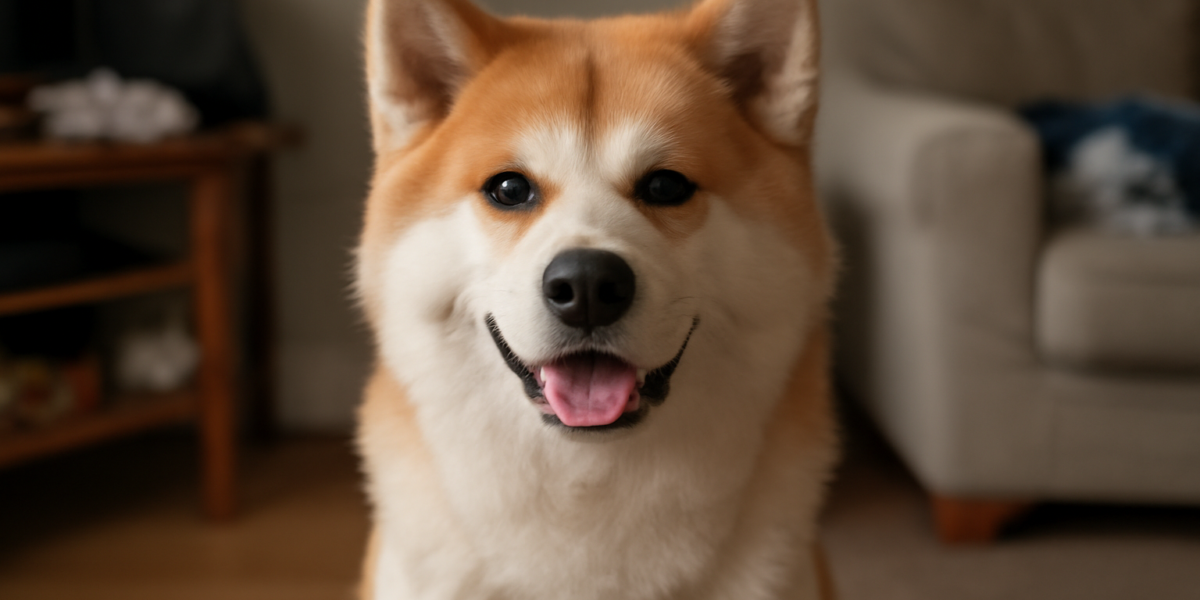
The Akita is a large, powerfully built dog that commands attention wherever it goes. Males typically weigh between 100 and 130 pounds, while females range from 70 to 100 pounds. The body is solid and muscular, with a broad head, deep-set triangular eyes, and small, erect ears that tilt slightly forward. The overall impression is one of strength and balance.
The coat is one of the breed’s most striking features. The Akita carries a thick double coat — a dense, soft undercoat beneath a short to medium-length, straight outer coat. Common colors include white, brindle, pinto, and sesame. The tail is thick and carried curled over the back in a classic spitz-like fashion. The paws are cat-like and tight, built for traction on rough terrain. Every element of the Akita’s build reflects its origins as a rugged mountain working dog capable of enduring harsh conditions.
Exercise Needs
Despite its large size, the Akita has a moderate rather than intense exercise requirement. This is not a breed that demands hours of running each day, but it does need consistent, purposeful activity to stay physically healthy and mentally balanced. A minimum of 30 to 60 minutes of exercise per day is recommended, ideally split between a brisk walk and some off-leash time in a securely fenced area.
The Akita should always be exercised on a leash in public spaces. Its size, strength, and tendency toward dog aggression make an uncontrolled Akita a liability in shared environments. Mental stimulation is just as important as physical activity for this intelligent breed. Puzzle feeders, scent work, obedience training, and varied walking routes all help satisfy the Akita’s mind. Avoid intense exercise in hot weather, as the thick double coat makes this breed susceptible to overheating. Early morning or evening walks during summer months are advisable. For more general guidance on keeping active dogs healthy, visit our dog care blog.
Grooming Needs
The Akita is a heavy shedder, and prospective owners should be fully prepared for the volume of fur this breed produces. Throughout the year, regular brushing two to three times per week helps manage loose hair and keeps the coat healthy. Twice a year — typically in spring and autumn — the Akita undergoes a “coat blow,” during which it sheds its entire undercoat over the course of several weeks. During this period, daily brushing is essential to prevent matting and to keep the home manageable.
A slicker brush and an undercoat rake are the most useful tools for managing the Akita’s coat. Bathing every six to eight weeks is generally sufficient; bathing too frequently can strip the coat’s natural oils. Beyond coat care, routine grooming includes nail trimming every three to four weeks, ear checks and cleaning as needed, and regular dental care. The Akita is a naturally clean breed that tends to groom itself in a cat-like manner, which reduces odor compared to many other large breeds. However, consistent grooming remains a non-negotiable part of responsible ownership.
Health and Common Issues
The Akita is generally a robust breed, but like all large dogs, it is predisposed to certain health conditions that owners should be aware of. Hip dysplasia is one of the most common concerns — a hereditary condition in which the hip joint does not develop properly, leading to pain and reduced mobility over time. Reputable breeders screen for this condition, and maintaining a healthy body weight is one of the most effective ways to protect joint health.
Autoimmune conditions are notably more prevalent in Akitas than in many other breeds. These include autoimmune thyroiditis, pemphigus (a skin condition), and immune-mediated reactions to certain medications. Owners should inform their veterinarian of the breed before any vaccine or drug protocol is established. Bloat, or gastric dilatation-volvulus (GDV), is another serious risk in large, deep-chested breeds like the Akita. This life-threatening condition occurs when the stomach fills with gas and twists. Feeding smaller meals, using slow-feed bowls, and avoiding vigorous exercise immediately after eating can reduce the risk. Routine veterinary care, including annual wellness exams, is essential for this breed.
Are Akitas Good With Kids and Other Pets?
The Akita can be a devoted and gentle companion to children within its own family, particularly when raised with them from puppyhood. However, this breed is best suited to homes with older, more mature children who understand how to interact respectfully with a large, powerful dog. Toddlers and very young children should always be supervised with an Akita, and rough or unpredictable play should be avoided.
Same-sex dog aggression is a well-documented trait in Akitas. Many Akitas will not tolerate another dog of the same sex in the household, and some have a strong prey drive toward small animals. Multi-pet households require careful management and slow, structured introductions. For this reason, Akitas are generally recommended for experienced dog owners who understand canine body language and can manage a dominant, independent breed. An Akita that has been thoroughly socialized from an early age will fare better in complex household environments, but there are no guarantees. Honest self-assessment is important when considering whether this breed fits your lifestyle.
Training Tips
Training an Akita requires patience, consistency, and an understanding of how this breed thinks. Akitas are intelligent dogs, but they are not eager-to-please in the way that a Labrador or Golden Retriever might be. They respond best to owners who are calm, confident, and clear in their expectations. Harsh corrections or heavy-handed methods tend to backfire — an Akita may become resistant, anxious, or uncooperative when it senses frustration or inconsistency from its handler.
Positive reinforcement using high-value treats, praise, and brief, varied training sessions produces the best results. Keep sessions short — 10 to 15 minutes — to maintain the Akita’s engagement. Early socialization is as important as obedience training. Exposing a young Akita to a wide range of people, places, sounds, and other animals helps build a confident, adaptable adult dog. Puppy classes and ongoing obedience work are strongly recommended. This is not a breed that can be trained once and left to its own devices — consistent reinforcement of good manners throughout the dog’s life is necessary.
History and Origin
The Akita originated in the Akita Prefecture of northern Japan, where it was developed centuries ago as a versatile hunting dog capable of tracking and holding large game, including boar, deer, and even black bears. The breed was considered a symbol of good health, happiness, and long life in Japanese culture, and small Akita figurines are traditionally given to new parents and the sick as a gesture of goodwill.
The most famous Akita in history is Hachiko, a dog who waited at a Tokyo train station every day for nearly ten years after his owner’s death in 1925 — a story that became a global symbol of loyalty. In the early 20th century, the breed nearly went extinct due to crossbreeding and wartime hardship, but dedicated Japanese breeders worked to restore the original strain. Helen Keller is credited with bringing the first Akita to the United States in 1937 after she expressed admiration for the breed during a visit to Japan. American soldiers returning from World War II also brought Akitas home, eventually giving rise to the American Akita line, which differs notably from the Japanese Akita Inu.
Frequently Asked Questions
Is the Akita a good dog for first-time owners?
Generally, no. The Akita’s independence, size, and strong guarding instincts make it a challenging breed for those without prior experience with dominant or working dogs. First-time owners who are committed to thorough research, professional training, and consistent socialization can succeed, but this breed is most often recommended for experienced handlers.
How much does an Akita shed?
Akitas are heavy shedders year-round, with two significant “coat blow” periods each year during which shedding becomes intense. Daily brushing during these periods and two to three times per week brushing at other times of year is necessary to manage the coat effectively.
Can Akitas live in apartments?
Akitas can adapt to apartment living provided they receive adequate daily exercise and mental stimulation. Their moderate energy level means they do not require a yard, but they do need consistent outdoor time. A committed owner in an apartment can successfully keep an Akita, though access to a securely fenced space is a benefit.
What is the difference between a Japanese Akita and an American Akita?
The Japanese Akita Inu is a lighter-boned, fox-like dog available in a narrower range of colors — white, brindle, and sesame. The American Akita is heavier, broader, and comes in a wider variety of colors including pinto and black mask patterns. Both descend from the original Japanese Akita but have developed into distinct breed types recognized separately by many kennel clubs.
Adopt an Akita
If you have done your research and believe the Akita is the right match for your home and lifestyle, adoption is a wonderful way to give a deserving dog a second chance. Rescue Akitas are often housetrained adults whose personalities are already fully developed, making it easier to find a dog that genuinely fits your household. At Walkmehome Rescue, we work to match each dog with a family that understands and respects the breed’s specific needs.
Browse our available dogs and begin your adoption journey today. Visit our adopt a dog page to see current listings and learn about our adoption process. Every Akita deserves a home that is ready for them.


