Last updated: May 4, 2026
In this article
Akita vs Shiba Inu: Which Japanese Breed Is Right for You?
At first glance, the Akita vs shiba inu comparison can seem straightforward — both are ancient Japanese breeds with thick double coats, curled tails, and a dignified independence that sets them apart from most dogs you will meet. But spend any time with each breed and it becomes clear how different these two dogs actually are. The Akita is a commanding, large working dog bred to hunt bear and guard nobility. The Shiba Inu is a compact, fox-like hunting dog that navigates mountain terrain with agility and speed. Their shared heritage is real, but their size, temperament, and day-to-day demands diverge in ways that matter enormously to prospective owners. At Walk Me Home Rescue, we believe the best adoptions happen when families have an honest, detailed picture of a breed before committing. Whether you are drawn to the Akita’s quiet power or the Shiba Inu’s spirited personality, this guide will walk you through everything you need to make the right call. Browse dogs currently available on our adoption page, or explore more breed comparisons on our dog care blog.
At a Glance Comparison Table
| Characteristic | Akita | Shiba Inu |
|---|---|---|
| Weight | 70 – 130 lbs | 17 – 23 lbs |
| Height | 24 – 28 inches | 13.5 – 16.5 inches |
| Lifespan | 10 – 13 years | 13 – 16 years |
| Breed Group | Working | Non-Sporting / Primitive |
| Energy Level | Moderate | Moderate to High |
| Good With Kids | Older children with supervision | With early socialization |
| Good With Other Dogs | Often difficult; same-sex aggression common | Can be selective; does best as only dog |
| Shedding | Heavy year-round; intense seasonal blowouts | Heavy year-round; intense seasonal blowouts |
| Grooming Needs | Moderate (brush 2–3x per week) | Moderate (brush weekly; daily during blowout) |
| Trainability | Moderate; best with experienced handlers | Moderate; intelligent but strong-willed |
| Vocalization | Low; quiet unless provoked | Low; known for the “Shiba scream” when stressed |
| Apartment Friendly | Possible with adequate exercise | Yes, with consistent daily exercise |
| Best For | Experienced owners, larger homes | Experienced owners, adaptable to smaller spaces |
Size and Appearance
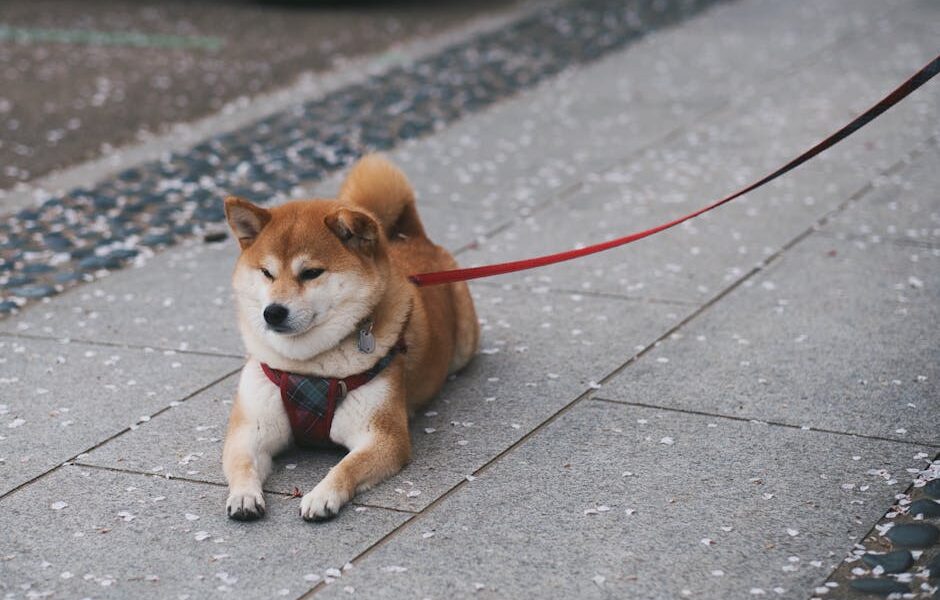
The size difference between these two breeds is one of the most striking aspects of the akita vs shiba inu comparison, and it is not subtle. The Shiba Inu is a small-to-medium dog, typically weighing 17 to 23 pounds and standing 13.5 to 16.5 inches at the shoulder. It has a compact, finely muscled frame, a fox-like face with almond-shaped eyes, and a tightly curled tail carried over the back. Everything about the Shiba Inu reads as precise and athletic — a dog built for quick movement through dense terrain.
The Akita is an entirely different proposition. Males can reach 100 to 130 pounds, and females typically weigh between 70 and 100 pounds, standing 24 to 28 inches tall. This is a large, heavily boned, powerfully muscled dog with a broad head, a thick arching neck, and a commanding physical presence that stops people in their tracks. Where the Shiba Inu is nimble and compact, the Akita is solid and imposing. Both breeds carry the characteristic spitz double coat and curled tail, but the visual impact of an Akita standing next to a Shiba Inu makes the scale of their difference impossible to miss. Coat colors differ as well: the Shiba Inu is known for its vivid red, sesame, black and tan, and cream coats, always featuring the urajiro cream markings on the face and underside. The Akita comes in white, brindle, pinto, and sesame, with a heavier, slightly longer outer coat befitting its working heritage.
Personality and Temperament
Both breeds share a core of independence, loyalty to family, and reserve toward strangers — but the way these traits manifest day-to-day is meaningfully different in the akita vs shiba inu pairing.
The Shiba Inu is often described as cat-like. It is self-grooming, deeply independent, and operates on its own terms, choosing when to offer affection and when to keep its own company. That said, it forms strong bonds with its household and can be quietly devoted and even playful with people it trusts. Shiba Inus tend to be spirited and alert, with a bold confidence that can tip into stubbornness or possessiveness around food and toys if not managed from puppyhood. They are typically reserved rather than friendly with strangers, and many do best as the only dog in a household.
The Akita takes independence further. This is a dog with a powerful protective instinct, a measured suspicion of strangers, and a long memory. An Akita bonds fiercely to its family and can be affectionate and gentle within that circle, but it does not extend warmth broadly. Its size amplifies the consequences of any behavioral issue — a reactive or poorly socialized Akita is a serious management challenge that demands an experienced hand. Where the Shiba Inu is spirited, the Akita is formidable. Both breeds require confident, consistent ownership built on positive reinforcement and genuine respect for the dog’s nature.
Exercise Needs
Despite their differences in size, both breeds have moderate exercise needs — though the Shiba Inu’s energy level skews slightly higher relative to its frame.
Shiba Inus need 45 to 60 minutes of purposeful exercise each day, split across two sessions. They enjoy brisk walks, hiking, and exploring new environments. Mental stimulation through scent work, puzzle feeders, and varied routes is equally important for this sharp-minded breed. The Akita requires 30 to 60 minutes of daily exercise but is less frantic about it — a solid walk and some mental engagement go a long way. Both breeds carry a strong prey drive and should be leashed in open spaces, and both benefit from access to a securely fenced yard. Neither is a good off-leash dog in unfenced areas, regardless of training history. Avoid exercising the Akita in hot weather; its heavy coat makes it vulnerable to overheating.
Health
The Shiba Inu is generally a long-lived and robust breed, with many dogs reaching 13 to 16 years. Its primitive genetic background contributes to a relatively sound constitution. The most commonly reported health concerns include allergies — which can appear as skin irritation, hot spots, or recurring ear infections — patellar luxation, progressive retinal atrophy, glaucoma, and hypothyroidism. These conditions are manageable with proper veterinary care and early detection, but they underscore the importance of regular wellness exams and a high-quality diet.
The Akita, as a large working breed, faces a somewhat different health profile. Hip dysplasia is among the most common concerns, a hereditary condition affecting joint development that can cause pain and reduced mobility over time. Autoimmune conditions are notably prevalent in Akitas — including autoimmune thyroiditis and pemphigus — and veterinarians should be informed of the breed before establishing any vaccine or medication protocol, as Akitas can have unusual drug sensitivities. Bloat, or gastric dilatation-volvulus, is a serious and potentially fatal risk in the Akita’s deep-chested frame. Feeding smaller meals and avoiding vigorous exercise immediately after eating reduces this risk. The Akita’s lifespan of 10 to 13 years is shorter than the Shiba Inu’s, which is typical for large breeds. Both breeds benefit from pet insurance and attentive, proactive veterinary care.
Grooming
Anyone drawn to either breed in the akita vs shiba inu comparison needs to make peace with fur — a lot of it. Both breeds carry a dense double coat that sheds heavily year-round and undergoes two dramatic seasonal blowouts, typically in spring and autumn, during which the undercoat releases in large clumps over several weeks. During these periods, daily brushing with a slicker brush and undercoat rake is essential for both breeds. Outside of shedding season, two to three brushings per week for the Akita and once weekly for the Shiba Inu keeps the coat healthy and manageable.
Both breeds are naturally clean and tend to self-groom in a cat-like manner, reducing odor compared to many other dogs. Bathing every six to eight weeks is generally sufficient for either breed, and overbathing should be avoided as it strips the coat’s natural oils. Nail trimming every three to four weeks, monthly ear checks, and regular dental care round out the grooming routine for both. A high-quality vacuum cleaner is a practical necessity in any household with an Akita or a Shiba Inu, and prospective owners who are averse to dog hair on furniture and clothing should weigh this honestly.
Which Is Right for You?
The akita vs shiba inu decision ultimately comes down to experience, living situation, and what you want from the relationship with your dog. Neither breed is recommended for first-time dog owners, but their demands differ in important ways.
If you live in a smaller home or apartment, can commit to daily exercise, and want a spirited, compact companion with enormous personality, the Shiba Inu is the more adaptable choice. If you have space, experience with large or dominant breeds, and want a deeply loyal, quietly powerful dog that takes its role as family guardian seriously, the Akita may be the right match. Both breeds end up in rescue through no fault of their own — often because owners underestimated the independence and care involved. Giving a rescue dog a second chance is one of the most rewarding decisions you can make.
If you are ready to meet your match, visit our adoption page to see which dogs are currently looking for homes. For more breed comparisons and care guidance, explore our dog care blog.
Frequently Asked Questions
Are Akitas and Shiba Inus related?
Yes, both breeds are among the six original native Japanese spitz breeds and share ancient roots in Japan. The Shiba Inu is the smallest of the six and was bred for hunting small game in mountainous terrain. The Akita is the largest and was originally bred to hunt large game, including boar and bear, in the Akita Prefecture of northern Japan. While they share a spitz-type body shape, curled tail, and thick double coat, they diverged into very distinct breeds with different sizes, temperaments, and working roles centuries ago.
Which is easier to train, the Akita or the Shiba Inu?
Neither breed is considered easy to train, but for different reasons. The Shiba Inu is quick to learn but chooses when to apply that intelligence, often deciding a command is not worth following unless the reward is compelling. The Akita is equally independent and adds the challenge of significant size and a strong protective instinct that requires careful management. Both breeds respond best to positive reinforcement, short training sessions, and calm, consistent handlers. Harsh corrections are counterproductive with either dog. Of the two, most experienced trainers find the Shiba Inu slightly more manageable simply because a training misstep with a 20-pound dog carries far fewer consequences than one with a 100-pound Akita.
Can an Akita or Shiba Inu live with other pets?
Both breeds can coexist with other animals under the right conditions, but neither is a natural companion dog. Same-sex dog aggression is documented in both breeds, and many Akitas and Shiba Inus do best as the only dog in the household. Prey drive is a factor for both, which can make life challenging for cats or small animals unless introductions are done carefully and early. The Shiba Inu may have a slight advantage in multi-pet households due to its smaller size making conflicts easier to manage, but temperament varies significantly between individuals. Rescue organizations that have assessed a dog’s full history are an invaluable resource for matching either breed to the right household.
Which breed sheds more, the Akita or the Shiba Inu?
Both breeds shed heavily and produce two significant seasonal coat blowouts each year, but the sheer volume of fur from an Akita is greater simply because it is a much larger dog with a correspondingly larger coat. A Shiba Inu’s blowout can fill a grocery bag with loose fur in a single brushing session. An Akita’s blowout can produce that and more. In terms of daily maintenance, they are comparable — both need regular brushing to manage loose hair, and both will leave fur on furniture, clothing, and floors year-round. Neither breed is appropriate for anyone hoping to minimize shedding in their home.
Looking to adopt a Akita vs Shiba Inu?
Browse Akita vs Shiba Inu dogs and mixes available for adoption from shelters and rescues near you.
Find Akita vs Shiba Inu Dogs for Adoption