
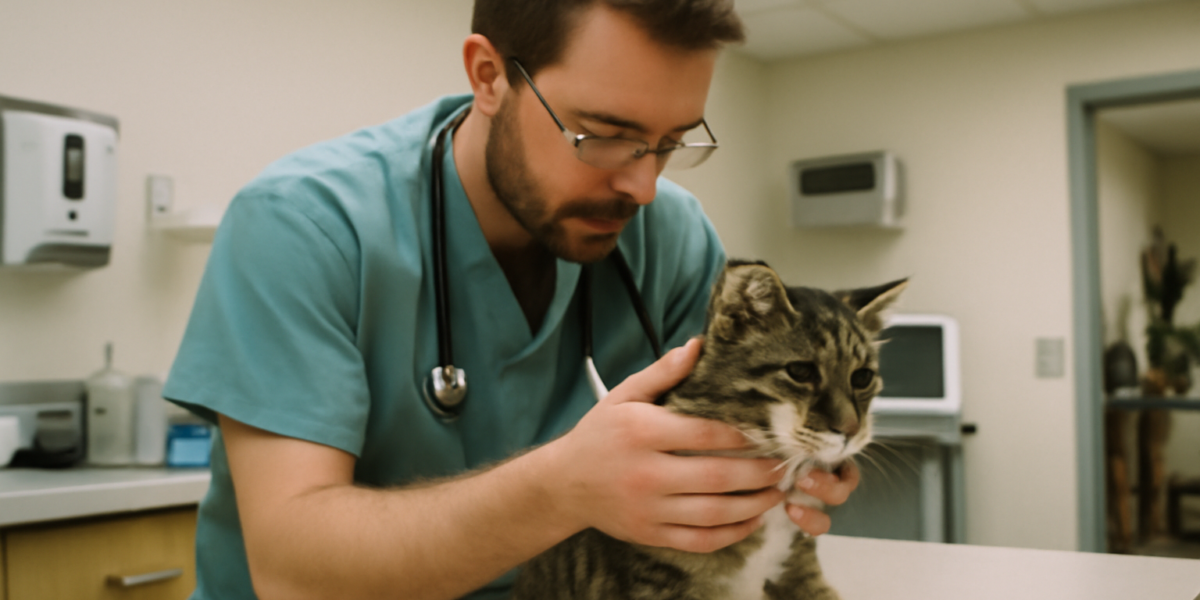
What Amantadine Is and Why Vets Use It in Cats
Amantadine is a medication originally developed for human use as an antiviral and as a treatment for Parkinson’s disease. In veterinary medicine it has found a useful role as an adjunctive analgesic for chronic pain. For amantadine cats, the drug is used off-label — meaning veterinarians prescribe it based on clinical experience and the broader literature on its mechanism, even though it is not FDA-approved specifically for cats.
In this article
- What Amantadine Is and Why Vets Use It in Cats
- How Amantadine Works on Pain Pathways
- When Vets Consider Amantadine for Cats
- How Amantadine Is Given to Cats
- Side Effects to Watch For
- Cats Who Need Extra Caution
- Drug Interactions to Flag
- What to Expect During an Amantadine Trial
- Combining Amantadine With Other Pain Strategies
- What to Do If You Miss a Dose
- Long-Term Use Considerations
- Frequently Asked Questions
- The Bottom Line
Off-label prescribing is common and legal in veterinary medicine, and amantadine has become an increasingly common addition to feline chronic pain plans, particularly for cats with osteoarthritis or chronic neuropathic pain who are not getting full relief from first-line options. Because cats are limited in the pain medications they can safely use long-term, having additional well-tolerated tools matters.
This guide walks through how amantadine works, when vets choose it for cats, what to expect during therapy, side effects to watch for, and how it fits with other feline pain strategies.
How Amantadine Works on Pain Pathways
Chronic pain is different from acute pain. When pain signals bombard the spinal cord and brain over weeks or months, the nervous system can become “wound up” — amplifying signals, responding to lower-level inputs, and continuing to fire pain even when the original trigger has eased. This phenomenon, called central sensitization, is one reason chronic pain can resist medications that work well for acute injuries.
One of the receptors involved in this wind-up is the NMDA (N-methyl-D-aspartate) receptor. Amantadine acts as an NMDA receptor antagonist, dampening this wind-up and helping reset the nervous system’s pain processing. By itself, amantadine is rarely a strong analgesic, but when added to other medications it can substantially improve overall pain control in selected patients — including cats.
Amantadine has additional pharmacologic effects on dopamine signaling, but its primary value in feline pain management is as an NMDA antagonist that complements other analgesics in a multimodal plan.
When Vets Consider Amantadine for Cats
Veterinarians may consider amantadine for cats with:
- Chronic osteoarthritis with persistent discomfort despite other interventions
- Cancer pain in selected patients, often as part of palliative care
- Chronic neuropathic pain from nerve injury or chronic disease
- Chronic post-surgical pain that has persisted longer than expected
- Cats who cannot tolerate other pain medications due to kidney disease, GI issues, or sensitivity to NSAIDs
For cats with feline arthritis, the typical approach starts with weight management, environmental modifications, joint supplements, and a feline-specific NSAID or one of the newer monoclonal antibody therapies. Gabapentin for cats is often added for chronic and neuropathic components or for cats with anxiety around handling. Amantadine commonly enters the picture when this layered plan still leaves the cat uncomfortable, or when wind-up phenomena seem to be driving the picture. For more on the broader condition, see our overview of cat arthritis.
How Amantadine Is Given to Cats
Amantadine for cats is given orally, typically once daily. The medication is available as capsules, tablets, and oral liquid. Because pre-made strengths are designed for humans (and to a lesser extent for dogs), feline dosing often relies on compounded formulations that can be flavored to make administration easier.
Dosing is weight-based and is set by your veterinarian. Amantadine is not a quick fix; benefits typically take days to weeks to become apparent, especially in cats with long-standing chronic pain. Stick to the prescribed schedule and give the medication time to work before judging the response.
Amantadine can be given with or without food. Many cats accept compounded flavored liquid more readily than capsules; others do better with tiny tablets tucked into a treat. Talk to your vet about what is likely to work best for your cat, and ask about compounding pharmacy options if administration is a struggle.
Side Effects to Watch For
Amantadine is generally well tolerated in cats. Common, usually mild side effects include:
- Mild gastrointestinal upset (soft stools, occasional vomiting, decreased appetite)
- Mild restlessness or changes in activity
- Mild changes in sleep patterns
- Mild behavioral changes such as increased vocalization in some cats
Less commonly, cats may experience more pronounced behavioral changes such as agitation, restlessness, or unusual vocalization. Warning signs that should prompt a call to your vet include:
- Persistent vomiting or diarrhea
- Refusal to eat for more than a day
- Marked behavioral changes such as severe agitation, hiding, or unusual vocalization
- Tremors or seizure activity
- Significant lethargy
- Difficulty breathing
- Changes in urination patterns
If you suspect your cat received an extra dose or got into the medication, treat it as an emergency and call your vet, an emergency clinic, or an animal poison control hotline. Have the bottle handy to report the strength and number of units potentially involved.
Cats Who Need Extra Caution
Amantadine is not appropriate for every cat. Tell your vet about:
- Significant kidney disease, since amantadine is largely cleared by the kidneys
- Severe liver disease
- History of seizures
- Severe heart disease
- Significant behavioral issues, especially anxiety or aggression that could be aggravated
- Pregnancy or lactation
- Use of other medications that affect dopamine or NMDA receptors
For cats with cat kidney disease, amantadine may still be considered, but your vet will likely choose a more conservative dosing approach and monitor more closely. Bloodwork before starting and at regular intervals during therapy is sensible in many cats, especially seniors and those with comorbidities.
Drug Interactions to Flag
Several drug categories can interact with amantadine:
- Anticholinergic medications: Combining can intensify some side effects.
- Stimulants and certain behavioral medications: Can increase agitation or restlessness.
- Diuretics: Some can affect amantadine clearance.
- Other CNS-active drugs: Worth flagging with your vet.
As always, give your vet a complete list of every medication and supplement your cat is on, including over-the-counter products. Even items that seem unrelated can change the safety calculation.
What to Expect During an Amantadine Trial
Because amantadine is most often used as an adjunct, your vet may suggest a trial period — often a few weeks — to see whether adding it produces meaningful improvement. During this period, keep a simple log of your cat’s pain signs, mobility, mood, and behavior. Things to track might include:
- Willingness to jump up to favorite spots
- Activity level and play behavior
- Grooming habits, especially over the back and tail base
- Mood, appetite, and engagement
- Litter box use and posture
- Sleep quality
Bring this log to follow-up appointments. Cats are masters at hiding pain, and your daily observations are the most reliable signal your vet will have. If amantadine is helping, the plan continues. If not, your vet may adjust the dose, change the timing, or pivot to a different strategy.
Combining Amantadine With Other Pain Strategies
Amantadine works best as part of a multimodal plan. Common companions for feline chronic pain include:
- Feline-specific NSAIDs when appropriate for the cat’s health profile
- Gabapentin for chronic, neuropathic, and stress-related pain components
- Newer monoclonal antibody therapies for feline osteoarthritis, which have changed the landscape of long-term pain control in cats
- Joint-targeted therapies like polysulfated glycosaminoglycan (Adequan, used off-label in cats) and joint supplements
- Lifestyle interventions: weight management, environmental modifications (ramps, stairs, low-sided litter boxes), warm bedding, easy access to food and water
- Adjunct therapies: acupuncture, laser therapy, gentle physical rehabilitation
The art of feline chronic pain management lies in combining these elements thoughtfully and adjusting them as your cat ages and as the disease evolves.
What to Do If You Miss a Dose
If you miss a dose of amantadine, give it as soon as you remember, unless it is close to the next scheduled dose. In that case, skip the missed dose and resume the regular schedule. Never give two doses at once or extra doses to make up for missed ones. Call your vet’s office if you are unsure how to proceed.
Long-Term Use Considerations
For cats who respond well to amantadine, long-term use is reasonable as long as monitoring is in place. Regular recheck exams, periodic bloodwork (especially in older cats and those with kidney concerns), and ongoing reassessment of pain and quality of life all contribute to safe long-term therapy.
If your cat’s response seems to wane over time, do not increase the dose on your own. Talk to your vet — they may adjust the dose, change the schedule, layer in another medication, or investigate whether the underlying disease has progressed and needs additional attention.
Frequently Asked Questions
Can I give amantadine to my cat without a prescription?
No. Amantadine is a prescription medication and must be prescribed by a licensed veterinarian. Use in cats is off-label, meaning your vet is taking responsibility for prescribing based on clinical judgment and the broader evidence base. Do not use leftover human amantadine without veterinary guidance — dosing and formulation differ.
How long until I see results?
Amantadine is not a fast-acting analgesic. Benefits often take days to weeks to appear, especially in cats with long-standing chronic pain. Give the medication time, keep a pain log, and report observations at follow-up appointments.
What if I miss a dose?
Give the missed dose as soon as you remember, unless it is nearly time for the next dose. In that case, skip the missed dose and continue with the normal schedule. Never double-dose. Call your vet for guidance specific to your cat.
Can amantadine cause behavioral changes in my cat?
Some cats experience mild restlessness, changes in sleep, or increased vocalization on amantadine. Marked behavioral changes — severe agitation, hiding, unusual vocalization — should prompt a call to your vet. Most cats do not have significant behavioral effects.
Side effects to watch for?
Common side effects are mild GI upset and mild restlessness. Concerning signs include persistent vomiting or diarrhea, refusal to eat, severe behavioral changes, tremors or seizures, significant lethargy, breathing difficulty, or changes in urination. Call your vet for any of these.
Is amantadine the same as gabapentin for cats?
No. They are different drugs with different mechanisms. Gabapentin acts mainly on calcium channels and is widely used for chronic pain and as a sedating helper before stressful events. Amantadine is an NMDA antagonist that targets central sensitization. Some cats benefit from both as part of a multimodal plan; your vet will tailor the combination.
The Bottom Line
Amantadine is a useful adjunctive medication for cats with chronic pain that is not fully controlled by first-line options. It is rarely a stand-alone solution, but in the right patient as part of a thoughtful multimodal plan, it can meaningfully improve comfort and quality of life.
If your cat is on amantadine, follow the dosing instructions exactly, keep a pain log to track response, watch for the warning signs covered above, and stay in regular contact with your vet. If your cat has chronic pain that is not well controlled and you have not discussed amantadine with your vet, it may be worth bringing up at your next visit — alongside the broader feline pain toolkit.


