
Last updated: April 10, 2026
In this article
Can Cats Eat Liver? The Benefits, Risks, and Safe Serving Guidelines
Liver is one of those foods that sits at an interesting intersection for cat owners. On one hand, it’s an incredibly nutrient-dense organ meat that cats are naturally drawn to and can benefit from. On the other hand, it carries a genuinely serious risk if fed in excess: vitamin A toxicity. Understanding this balance is essential for any cat owner who wants to include liver in their cat’s diet safely.
Can cats eat liver? Yes, absolutely, but only in carefully controlled amounts. Liver, whether from chicken, beef, lamb, or other animals, is packed with protein, vitamins, and minerals that align well with a cat’s carnivorous dietary needs. The catch is that liver is extraordinarily high in preformed vitamin A (retinol), and cats are particularly susceptible to vitamin A toxicity (hypervitaminosis A) when they consume too much over time. This guide will help you navigate the benefits and risks so you can share liver with your cat safely and confidently.
Is Liver Safe for Cats?
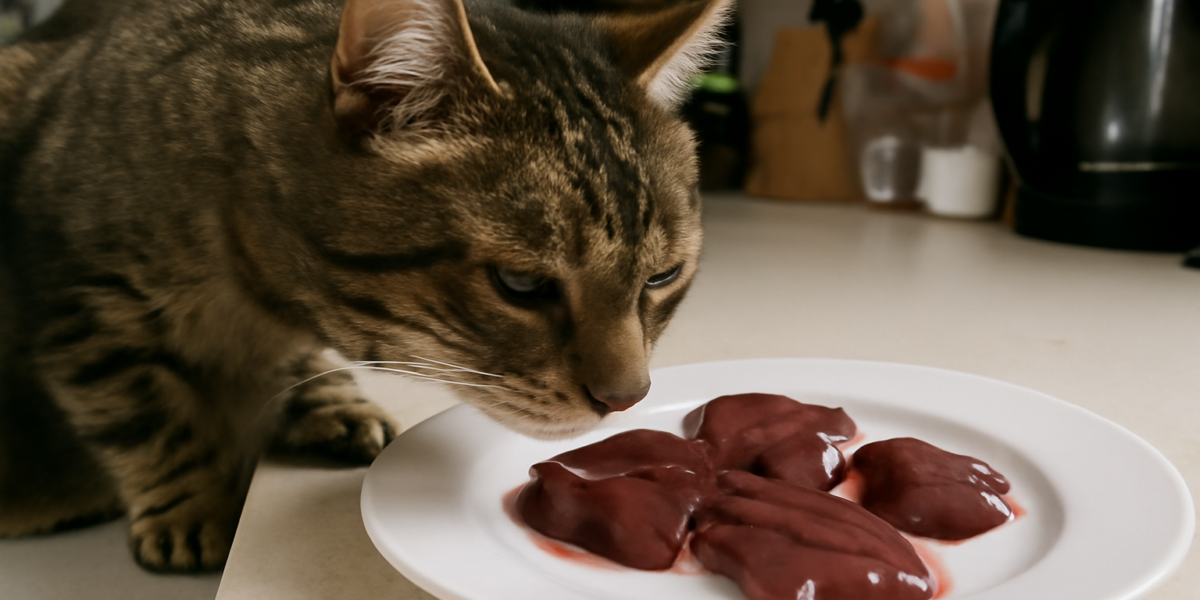
Liver is safe for cats when served in moderation as an occasional treat or small dietary supplement. In fact, liver is one of the most biologically appropriate human foods you can share with your cat. In the wild, cats consume the organs of their prey as part of a natural, whole-animal diet, and liver is one of the most prized organs due to its concentrated nutrient content.
Most types of liver commonly available at grocery stores and butcher shops are appropriate for cats, including chicken liver, beef liver, lamb liver, turkey liver, and duck liver. Each type has a slightly different nutritional profile, but all share the same key characteristics: high protein, rich in vitamins and minerals, and loaded with vitamin A.
The primary safety concern with liver is not toxicity from a single serving but from chronic overconsumption. Feeding your cat a small amount of cooked liver once or twice a week is perfectly safe for most healthy adult cats. Problems arise when liver becomes a large or frequent part of the diet, leading to a gradual buildup of vitamin A in the body that can cause serious health consequences.
It’s worth noting that raw liver carries additional risks beyond vitamin A. Raw organ meats can harbor harmful bacteria and parasites, which is why cooking liver before serving it to your cat is strongly recommended. We’ll cover preparation in detail later in this article.
If your cat enjoys poultry, you may also be interested in our guides on whether cats can eat chicken and whether cats can eat turkey.
Nutritional Benefits of Liver for Cats
Liver’s reputation as a “superfood” for cats is well-deserved. The nutrient density of liver is remarkable, and when fed in appropriate amounts, it can provide significant health benefits for your feline companion.
High-quality protein: Liver is an excellent source of complete animal protein, providing all the essential amino acids cats need. A 1-ounce serving of cooked chicken liver provides approximately 7 to 8 grams of protein. This protein is highly digestible and bioavailable for cats, meaning their bodies can efficiently absorb and utilize it for muscle maintenance, immune function, enzyme production, and cellular repair.
Vitamin A (retinol): Liver is one of the richest natural sources of preformed vitamin A. In appropriate amounts, vitamin A supports healthy vision (particularly night vision), skin and coat health, immune function, reproductive health, and proper cellular growth. Cats require preformed vitamin A in their diet because, unlike many other animals, they cannot efficiently convert beta-carotene from plant sources into usable vitamin A. Liver provides exactly the form of vitamin A cats need.
B vitamins: Liver is exceptionally rich in B vitamins, particularly B12 (cobalamin), B2 (riboflavin), B3 (niacin), B5 (pantothenic acid), B6 (pyridoxine), and folate. These vitamins play essential roles in energy metabolism, red blood cell production, nervous system function, and DNA synthesis. The B12 content in liver is particularly noteworthy, as cats have high B12 requirements and liver is one of the densest natural sources.
Iron: Liver is rich in heme iron, the most bioavailable form of dietary iron. Iron is essential for oxygen transport in the blood, energy production, and immune function. Heme iron from animal sources like liver is absorbed much more efficiently than non-heme iron from plant sources, making liver an excellent way to support your cat’s iron status.
Copper: Liver contains significant amounts of copper, a trace mineral that supports iron metabolism, connective tissue formation, pigmentation, and immune function. Copper works closely with iron to ensure proper red blood cell production and oxygen delivery throughout the body.
Taurine: Liver is a good source of taurine, the essential amino acid that cats cannot synthesize in adequate amounts on their own. Taurine deficiency in cats can lead to dilated cardiomyopathy (heart disease), retinal degeneration (blindness), and reproductive problems. While your cat’s commercial food should provide adequate taurine, the additional taurine from liver treats is a bonus.
Zinc and selenium: Liver provides these important trace minerals, which support immune function, antioxidant defense, thyroid health, and skin integrity.
The Vitamin A Toxicity Risk
This is the most critical section of this guide, because vitamin A toxicity is the primary risk associated with feeding liver to cats, and it’s a serious condition that can cause lasting damage.
Understanding the risk: Vitamin A is a fat-soluble vitamin, meaning it’s stored in the body’s fat tissues and liver rather than being excreted in urine like water-soluble vitamins. When a cat consistently consumes more vitamin A than their body can use, the excess accumulates over time, eventually reaching toxic levels. This process is typically gradual, developing over weeks to months of excessive liver consumption, rather than from a single large serving.
How much is too much: A cat’s daily vitamin A requirement is approximately 63 micrograms of retinol activity equivalents (RAE) per kilogram of body weight. The tolerable upper limit is much higher, but consistently exceeding it leads to problems. To put this in perspective, a single ounce of cooked beef liver contains roughly 4,800 to 6,500 micrograms of vitamin A, while an ounce of cooked chicken liver contains approximately 3,300 to 4,000 micrograms. A 10-pound cat’s daily vitamin A requirement is only about 286 micrograms. This means a single ounce of liver provides 10 to 20 times a cat’s daily vitamin A needs. This is why portion control and feeding frequency are so critical.
Symptoms of vitamin A toxicity: Hypervitaminosis A in cats primarily affects the skeletal system and can also impact other organ systems. Symptoms include new bone growth (exostoses) along the spine and limbs, which causes stiffness, pain, and reduced mobility. Affected cats may be reluctant to move, jump, or be touched along their spine and neck. They may adopt a characteristic hunched posture and show signs of pain when the head or neck is moved. Other symptoms can include weight loss, loss of appetite, lethargy, rough or unkempt coat, constipation, and in severe cases, liver damage.
Irreversibility: The skeletal changes caused by chronic vitamin A toxicity are often permanent. Once new bone has formed along the spine and joints, it cannot be reversed, even after vitamin A intake is normalized. The cat may experience lifelong pain, stiffness, and mobility issues. Early detection and dietary correction can prevent further damage, but existing bone changes will persist. This is why prevention through proper portion control is so much more important than treatment after the fact.
How to Prepare Liver for Your Cat
Proper preparation ensures that liver is safe and appealing for your cat while preserving its nutritional value.
Choose quality liver: Select fresh liver from a reputable butcher or grocery store. Chicken liver and beef liver are the most commonly available and affordable options. Look for liver that has a uniform color (reddish-brown for beef, dark reddish-brown for chicken), a smooth surface, and a fresh smell. Avoid liver that appears discolored, slimy, or has an off-putting odor.
Cook thoroughly: Always cook liver before serving it to your cat. While there is debate in some raw-feeding communities about the merits of raw organ meats, cooking liver eliminates the risk of harmful bacteria (such as Salmonella, E. coli, and Campylobacter) and parasites (such as Toxoplasma gondii) that can be present in raw meat. The safest cooking methods include boiling (simmer in water for 10 to 15 minutes until cooked through), steaming (steam for 10 to 15 minutes), and baking (bake at 375 degrees Fahrenheit for 15 to 20 minutes). Cook until the liver is no longer pink in the center.
Keep it plain: Do not add butter, oil, salt, pepper, garlic, onion, or any other seasoning. Garlic and onion are toxic to cats, and other seasonings can cause digestive irritation. Plain cooked liver has a strong, appealing flavor on its own that most cats find irresistible.
Cut into appropriate pieces: Dice the cooked liver into small, bite-sized pieces appropriate for your cat’s size. For most cats, pieces about the size of a pea or small bean work well. This prevents choking and makes it easy to control portions.
Storage: Cooked liver can be refrigerated in an airtight container for up to three days. For longer storage, cut the cooked liver into portion-sized pieces and freeze them. Frozen cooked liver can be stored for up to three months. Thaw in the refrigerator before serving.
For information about feeding raw meat to cats in general, see our guide on whether cats can eat raw meat.
Portion Sizes and Feeding Frequency
Given the vitamin A concentration in liver, precise portion control is essential. Here are safe guidelines for feeding liver to your cat.
Recommended portion: For most adult cats weighing between 8 and 12 pounds, a safe serving of cooked liver is approximately half an ounce to one ounce (about one to two tablespoons of diced liver) per serving. This provides a meaningful nutritional boost without delivering an excessive amount of vitamin A.
Recommended frequency: Liver should be offered no more than once or twice per week. Some veterinary nutritionists recommend limiting liver to once per week to provide a comfortable safety margin against vitamin A accumulation. At this frequency, a one-ounce serving delivers a concentrated dose of vitamin A that your cat’s body can process and utilize without building up to toxic levels.
Small cats (under 8 pounds): Limit liver to half an ounce or less per serving, once a week at most. Smaller cats have lower vitamin A requirements and tolerance thresholds, so extra caution is warranted.
Large cats (over 12 pounds): Up to one and a half ounces per serving, once or twice a week. Larger cats can handle slightly more, but there’s no benefit to exceeding this amount.
Kittens: Kittens over 12 weeks old can have tiny amounts of cooked liver, roughly a teaspoon per serving, once a week. Kittens are growing rapidly and their nutritional needs are specific, so their primary nutrition should come from kitten-formulated food. Consult your veterinarian before adding liver or other supplements to a kitten’s diet.
Important consideration: If your cat’s commercial food already contains liver or organ meats as a primary ingredient, or if you’re feeding a homemade diet that includes liver, factor this into the total liver intake. The guidelines above assume your cat is eating a standard commercial cat food that provides its base nutrition. Double-dosing vitamin A from both regular food and liver treats increases the risk of overconsumption.
When to Call the Veterinarian
Liver-related veterinary concerns typically fall into two categories: acute reactions from a single feeding and chronic issues from long-term overconsumption.
Contact your veterinarian if your cat shows signs of digestive upset after eating liver, such as vomiting or diarrhea that lasts more than 24 hours. While mild stomach upset when introducing a new food is normal, persistent symptoms warrant professional evaluation.
Seek veterinary attention if your cat consumed raw liver and develops symptoms of foodborne illness, including vomiting, diarrhea, fever, lethargy, or loss of appetite. Bacterial infections from raw meat can be serious and may require antibiotic treatment and supportive care.
Schedule a veterinary appointment if you notice your cat developing stiffness, reluctance to move, pain when touched on the spine or neck, changes in posture, or decreased jumping ability. These could be signs of vitamin A toxicity, particularly if your cat has been consuming liver or other vitamin A-rich foods frequently. Early diagnosis can prevent further skeletal damage.
Consult your veterinarian before adding liver to the diet of cats with existing health conditions, particularly liver disease, kidney disease, or cats on prescription diets. The concentrated nutrients in liver could interfere with the management of certain conditions, and your vet can advise on whether liver is appropriate and how much is safe.
Contact your vet if your cat ate a very large amount of liver in a single sitting, for example, if they got into a package of raw chicken livers. While a single large serving is unlikely to cause vitamin A toxicity, it could cause significant digestive upset, and your vet can advise on monitoring and care.
Frequently Asked Questions
Which type of liver is best for cats?
All common types of liver, including chicken, beef, lamb, and turkey, are nutritious options for cats. Chicken liver is often considered the most convenient choice because it’s widely available, affordable, small in size (making portioning easy), and has a softer texture that most cats enjoy. Beef liver is slightly more nutrient-dense per ounce, with higher concentrations of vitamin A, iron, and B12, but this also means you need to be more careful with portion sizes to avoid vitamin A overconsumption. Lamb liver has a similar nutritional profile to beef liver and is a good option if your cat has a beef sensitivity. Turkey liver is comparable to chicken liver in nutritional content. If your cat tolerates one type well, there’s no urgent need to switch, but rotating between different liver types can provide slight nutritional variations and keep things interesting for your cat.
Can I feed my cat liver every day?
No, feeding liver to your cat every day is not recommended and can be genuinely dangerous. Daily liver consumption would expose your cat to far more vitamin A than their body can safely process, leading to a gradual accumulation that can result in hypervitaminosis A (vitamin A toxicity). This condition causes painful and irreversible bone changes, particularly along the spine and neck, and can severely impact your cat’s quality of life. Stick to the recommended frequency of once or twice per week, with conservative portion sizes. If you’ve been feeding liver daily and are just now learning about this risk, discontinue daily feeding immediately and consult your veterinarian, who may want to evaluate your cat for early signs of vitamin A toxicity.
Can cats eat liver pate or liver-based human foods?
Cats should not eat liver pate, liverwurst, foie gras, or other liver-based human foods. These products typically contain high levels of salt, fat (often butter or cream), and seasonings including garlic, onion, herbs, and spices that are not safe for cats. Many also contain alcohol, such as brandy or wine, which is toxic to cats. The added salt alone in most liver pates is enough to make them inappropriate for feline consumption, and the garlic and onion content in many recipes poses a real toxicity risk. If you want to share liver with your cat, prepare it separately, plain and unseasoned, using the guidelines in this article. Your cat doesn’t need fancy preparation; they’ll be just as thrilled with a simple piece of plain boiled chicken liver.
My cat is obsessed with liver and won’t eat regular food. What should I do?
Some cats develop a strong preference for liver and may begin refusing their regular food in favor of this tasty treat. This is a problem for two reasons: it can lead to vitamin A toxicity from excessive liver consumption, and it can result in nutritional imbalances since liver alone doesn’t provide a complete and balanced diet. If your cat has become fixated on liver, start by reducing the amount and frequency gradually. Mix tiny pieces of liver into their regular food to maintain appeal while shifting the ratio back toward commercial food. You can also try warming their regular food slightly to enhance its aroma, or switching to a different flavor or brand of cat food that may rekindle their interest. If the food refusal persists, consult your veterinarian, who can rule out any underlying health issues and may recommend strategies like prescription appetite stimulants or a gradual dietary transition plan.


