
Last updated: June 13, 2026
In this article
Quick Answer: NO — cats cannot eat garlic under any circumstances. Garlic is one of the most acutely dangerous foods a cat can consume. It is estimated to be five times more toxic to cats than to dogs, and even a tiny amount — a single clove, a pinch of garlic powder, or a few drops of garlic-infused oil — can trigger a potentially fatal destruction of red blood cells. If your cat has eaten garlic in any form, contact a veterinarian immediately. Do not wait for symptoms to appear.
Can cats eat garlic? It is a question that might seem straightforward, but the answer carries serious consequences. Unlike some human foods that cause minor digestive upset in cats, garlic belongs to a category of foods that can kill. The toxicity is not a matter of portion size at a safe threshold — there is no safe threshold. Every form of garlic, including raw, cooked, dried, and powdered, poses a genuine threat to feline health. This guide explains exactly why garlic is so dangerous, what warning signs to look for, which everyday products may contain hidden garlic, and what steps to take if exposure occurs.
Why Is Garlic Toxic to Cats?
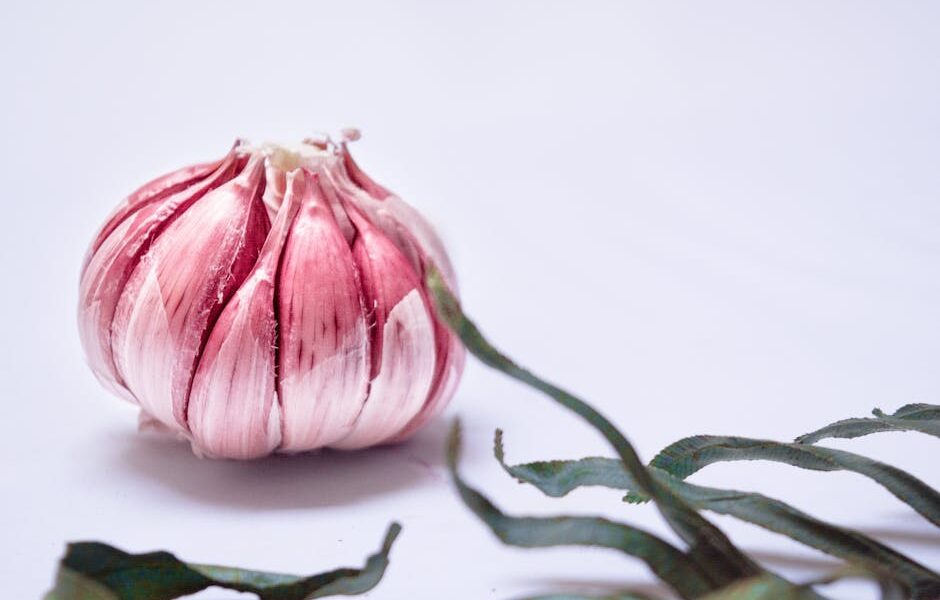
Garlic belongs to the Allium family, which also includes onions, leeks, chives, and shallots. All members of this family are toxic to cats, but garlic is particularly dangerous because it contains a high concentration of organosulfur compounds — specifically, compounds that convert to thiosulfate when metabolized. Thiosulfate oxidizes the hemoglobin inside red blood cells, forming clumps of damaged protein called Heinz bodies. Red blood cells containing Heinz bodies are fragile and are rapidly destroyed by the body in a process called hemolysis.
The reason cats are so much more vulnerable than dogs comes down to biology. Cats lack the enzyme needed to efficiently process and neutralize these organosulfur compounds. Their red blood cells are also structurally more susceptible to oxidative damage. The result is that a dose of garlic that might cause mild illness in a dog can cause severe, potentially fatal hemolytic anemia in a cat. Cooking garlic does not neutralize the thiosulfates — the compounds remain toxic regardless of how garlic is prepared. Garlic powder is actually more concentrated than raw garlic by weight, making it especially dangerous.
Symptoms of Garlic Poisoning in Cats
Because the toxic mechanism involves progressive destruction of red blood cells, symptoms of garlic poisoning in cats can take 24 to 72 hours to become apparent after ingestion. This delay is one of the most dangerous aspects of the toxicity — owners may not connect a cat’s declining condition to something it ate days earlier. Knowing the full range of symptoms can mean the difference between timely treatment and a medical crisis.
Gastrointestinal signs often appear first: vomiting, diarrhea, drooling, abdominal pain, and loss of appetite. These may begin within hours of ingestion and can be dismissed as a minor stomach upset.
Signs of hemolytic anemia develop as red blood cell destruction progresses. Watch for pale, white, or yellowish gums — a critical warning sign. The cat may also show extreme lethargy, weakness, rapid breathing, an elevated heart rate, and reluctance to move. In severe cases, the urine may appear reddish-brown due to hemoglobin being excreted through the kidneys.
Collapse and respiratory distress can follow if anemia becomes severe and the body can no longer deliver adequate oxygen to organs and tissues. At this stage, the situation is life-threatening. Any combination of these symptoms following potential garlic exposure demands immediate veterinary attention — do not wait for the condition to worsen.
How Much Garlic Is Dangerous to Cats?
There is no established safe amount of garlic for cats. Research and clinical toxicology guidelines consistently indicate that even small quantities can cause measurable harm. A commonly cited threshold in veterinary literature is approximately 1 gram per kilogram of body weight for onions, but garlic is roughly five times more potent — meaning the toxic dose per kilogram of body weight is far lower. For a typical domestic cat weighing 4 to 5 kilograms, less than half a clove of garlic could be enough to cause clinical illness.
Garlic powder is significantly more concentrated than raw garlic by volume, making it an especially serious hazard. A small pinch of garlic powder added to a home-cooked meal shared with a cat — or licked off a plate — is not a trivial exposure. Repeated small exposures over time can also cause cumulative damage, even if no single dose seems large. The only safe approach is to ensure cats have no access to garlic in any form.
Garlic in Cat Food and Supplement Products
One area that causes genuine confusion among cat owners is the presence of garlic in some commercially sold cat products. A small number of pet food brands and natural supplement manufacturers have historically included trace amounts of garlic in their formulations, citing anecdotal claims about flea repellency or immune support. This practice is controversial and is not supported by evidence-based veterinary medicine. The ASPCA Animal Poison Control Center and most veterinary toxicologists recommend against any garlic supplementation in cats.
If you are purchasing cat food, treats, or supplements, read ingredient labels carefully. Garlic extract, garlic powder, and “Allium sativum” on a label all indicate the presence of garlic. If you find any of these in a product your cat has been consuming, speak with your veterinarian before continuing use. Do not assume that a product marketed for cats is automatically safe — the regulatory standards for pet supplements are not equivalent to those for pharmaceuticals. For more guidance on cat nutrition and safe foods, visit our cat care blog.
What to Do If Your Cat Ate Garlic
If you know or strongly suspect that your cat has consumed garlic in any form, act immediately — do not adopt a wait-and-see approach. The delay between ingestion and visible symptoms can give a false sense of security while red blood cell damage is already underway.
Call your veterinarian or an emergency animal clinic right now. Describe what was eaten, approximately how much, and when it happened. If your regular veterinarian is unavailable, contact the ASPCA Animal Poison Control Center at (888) 426-4435 (available 24 hours; a consultation fee may apply) or the Pet Poison Helpline at (855) 764-7661.
Do not attempt to induce vomiting at home unless a veterinary or poison control professional explicitly instructs you to. Inducing vomiting incorrectly can cause aspiration and additional injury.
Bring information to the clinic. If possible, bring the packaging of any product the cat ate, or a note describing the food. Knowing the exact form of garlic — raw, cooked, powdered, or as an ingredient — helps the veterinarian assess the likely dose and severity.
Treatment may include inducing vomiting if the exposure was very recent, administering activated charcoal to reduce further absorption, and providing intravenous fluids and supportive care. In cases of significant red blood cell destruction, a blood transfusion may be necessary. Cats treated early have significantly better outcomes than those who reach the clinic after anemia has become severe. Speed matters.
Frequently Asked Questions
Can cats eat garlic bread or food cooked with garlic?
No. Cooking garlic does not neutralize the thiosulfate compounds responsible for its toxicity to cats. Garlic bread, soups, sauces, stews, and any other cooked food containing garlic remains dangerous. Even foods where garlic is used only for flavoring and then removed — such as a broth simmered with garlic cloves — retain residual garlic compounds. Cats should never be given human food prepared with garlic in any form, even in small amounts as a treat.
Is garlic powder more dangerous than raw garlic for cats?
Yes, garlic powder is more dangerous by volume than raw garlic because it is significantly more concentrated. Approximately one teaspoon of garlic powder is equivalent in potency to several raw cloves. This makes garlic powder — which is commonly found in seasoning blends, spice mixes, and processed human foods — a particularly serious hazard. If your cat has licked a plate seasoned with garlic powder or consumed any food containing it, treat the exposure as urgent and contact a veterinarian.
What are the early signs that a cat has eaten garlic?
Early signs of garlic toxicity in cats include vomiting, diarrhea, excessive drooling, and loss of appetite. These gastrointestinal symptoms can appear within a few hours of ingestion. However, the more serious signs — pale or white gums, lethargy, weakness, rapid breathing, and reddish-brown urine — reflect developing hemolytic anemia and may not appear until 24 to 72 hours after exposure. Because the most dangerous phase of garlic poisoning can look like a delayed onset, any known or suspected garlic exposure should prompt an immediate call to a veterinarian, even before symptoms are visible.
Are other members of the onion family also toxic to cats?
Yes. All plants in the Allium family are toxic to cats, including onions, leeks, chives, shallots, and scallions. Onion toxicity in cats operates through the same thiosulfate mechanism as garlic, though garlic is considered the most potent member of the family. Chives, which are often used as a garnish and might seem harmless, are also toxic. Cats should have no access to any Allium species in any form. If you have questions about other foods or plants that can harm your cat, our cat care blog covers a wide range of feline health and safety topics.
For the full picture, see our complete guide to the human foods cats can eat safely.
Not sure what to keep away from your cat? See our complete list of foods toxic to cats.


