
Last updated: June 13, 2026
In this article
Can Cats Eat Onions?
By the Walk Me Home Rescue Team • Cat Care • Back to Cat Care
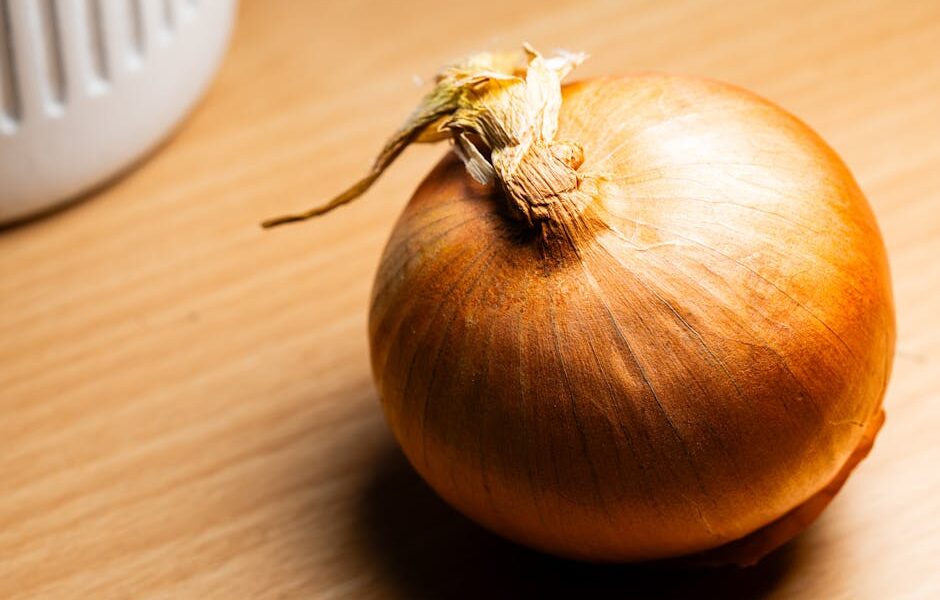
Cats cannot eat onions. Not a sliver. Not a lick of onion powder. Not a spoonful of broth seasoned with onion. Onions are toxic to cats in every form — raw, cooked, powdered, and dehydrated — and cats are significantly more sensitive to onion toxicity than dogs are. The compound responsible, thiosulfate, triggers a cascade of red blood cell destruction that can become fatal with terrifying speed. There is no safe quantity. If your cat has been exposed to onions in any amount or any form, do not wait for symptoms. Contact a veterinarian or animal poison control right now.
ASPCA Animal Poison Control Center: (888) 426-4435
Pet Poison Helpline: (855) 764-7661
Why Are Onions Toxic to Cats?
Onions contain organosulfur compounds, most critically thiosulfate, that the feline body cannot safely process. Cats lack sufficient quantities of the enzyme needed to neutralize thiosulfate, so when a cat is exposed to onion in any form, the compound accumulates rapidly and begins attacking red blood cells from the inside.
The mechanism is oxidative damage. Thiosulfate causes oxidative stress within red blood cells, denaturing their hemoglobin — the protein that carries oxygen through the bloodstream. This process forms what are called Heinz bodies: clumps of damaged protein that collect inside red blood cells and flag them for destruction by the immune system. The result is Heinz body anemia, a form of hemolytic anemia in which red blood cells are destroyed faster than the bone marrow can replace them. As oxygen delivery to vital organs falls, the situation deteriorates rapidly. Cats are more susceptible to this process than dogs because their red blood cells are inherently more vulnerable to oxidative stress, making onion toxicity a greater and more urgent threat for felines.
Symptoms of Onion Poisoning in Cats
Onion toxicity in cats can be deceptive. In the first hours after exposure, your cat may appear completely normal while red blood cell destruction is already underway. This delayed presentation is one of the reasons onion poisoning is so dangerous — by the time visible signs appear, significant damage has often already occurred.
Early signs that may appear within the first 24 hours include:
- Vomiting and nausea
- Diarrhea
- Drooling or excessive salivation
- Abdominal discomfort or loss of appetite
- General lethargy or unusual quietness
As Heinz body anemia develops — typically within one to three days — more severe symptoms emerge:
- Pale, white, or yellowish gums
- Extreme weakness and reluctance to move
- Rapid or labored breathing
- Elevated heart rate
- Reddish, brown, or orange-tinted urine caused by hemoglobin released from destroyed red blood cells
- Collapse
If you observe any of these signs, this is a medical emergency. Do not wait for symptoms to worsen. Call your veterinarian or an emergency animal hospital immediately.
How Much Onion Is Dangerous for a Cat?
Very little. Because cats are more sensitive to thiosulfate than dogs, the toxic threshold is lower. Veterinary toxicologists estimate that as little as 1 gram of onion per kilogram of a cat’s body weight can cause measurable red blood cell damage — and that threshold is easily reached. A typical medium onion weighs roughly 100 grams. A small domestic cat weighing 4 kilograms would be at risk from as little as 4 grams — less than a quarter of a small onion. Onion powder is far more concentrated than fresh onion and poses a disproportionately high risk even in tiny amounts. Repeated low-level exposures are just as dangerous as a single large ingestion because the toxicity is cumulative. There is no quantity of onion that is safe for a cat.
All Alliums Are Toxic to Cats
Onions do not stand alone. Every member of the allium plant family carries the same thiosulfate-based toxicity, and all of them are dangerous to cats. If you are asking whether cats can eat onions, the answer extends to every allium in your kitchen.
Garlic is especially important to flag here: it is significantly more potent than onion by weight — some estimates put it at five times as toxic — making it one of the most dangerous foods a cat can encounter. Leeks, while less widely discussed, contain the same harmful compounds and should be treated with equal caution. Chives — commonly grown as a kitchen herb and found in many gardens — are toxic to cats in both fresh and dried forms. Shallots, scallions, and ramps round out the list of alliums that pose a real threat.
The danger extends beyond obvious allium ingredients. Many human foods contain onion or garlic in hidden forms: broths and stocks, baby food, seasoning blends, dips, soups, gravies, and pre-marinated meats frequently contain onion powder or garlic powder in amounts that are easy to overlook but highly dangerous for cats. Always read ingredient labels before allowing your cat near any human food.
What to Do If Your Cat Was Exposed to Onions
Act immediately. The window for effective early intervention is narrow, and every minute matters.
- Call your veterinarian or the nearest emergency animal hospital right now. Do not wait to see if symptoms develop. Serious red blood cell damage can occur before any outward signs appear, and early treatment is far more effective than treating full-blown anemia.
- Contact animal poison control. The ASPCA Animal Poison Control Center is available 24 hours a day at (888) 426-4435. The Pet Poison Helpline can be reached at (855) 764-7661. A consultation fee may apply, but the guidance provided — tailored to the type of onion, the amount consumed, and your cat’s weight — is invaluable.
- Do not induce vomiting unless specifically instructed. Inducing vomiting in cats without veterinary guidance can cause serious additional harm. Only attempt this if a veterinarian or poison control specialist explicitly directs you to do so.
- Gather information before you call. Know what form of onion your cat was exposed to (raw, cooked, powdered, broth), the approximate amount, the time of exposure, and your cat’s current weight. This information allows the veterinary team to assess risk level and respond faster.
- Keep your cat calm and limit physical exertion. If anemia is developing, exertion increases oxygen demand and places additional stress on an already compromised circulatory system.
Cats that receive veterinary care promptly — ideally before anemia becomes severe — have a substantially better chance of a full recovery. Do not take a wait-and-see approach with onion exposure in cats.
Frequently Asked Questions
Can cats eat onions if the onion is cooked or only present in a broth?
No. Cooking onions does not reduce or eliminate their thiosulfate content. Sauteed, caramelized, boiled, or roasted onions are just as toxic to cats as raw onions. Broth and stock made with onions — including many commercial varieties — retain the toxic compounds even after the solids are removed. If a liquid or dish was prepared with onions in any form, it is not safe for your cat. The question of whether cats can eat onions applies equally to every preparation method.
Is onion powder more dangerous than a whole onion for cats?
Yes, significantly so. Onion powder is a highly concentrated form of onion in which the water content has been removed, leaving behind a dense concentration of thiosulfate compounds. A small amount of onion powder by weight contains the toxic equivalent of a much larger quantity of raw onion. This makes it especially hazardous because it appears in many processed foods, seasonings, and condiments in amounts that look negligible on a label but are dangerous for a cat. Always check ingredient lists carefully on any human food before your cat comes into contact with it.
Are cats more sensitive to onion toxicity than dogs?
Yes. Both cats and dogs are susceptible to thiosulfate poisoning from onions, but cats are considered more sensitive. Feline red blood cells are more prone to oxidative stress and Heinz body formation than those of dogs, which means a smaller amount of onion can cause proportionally greater damage in cats. Cats also tend to be smaller than dogs, so a given quantity of onion delivers a higher dose per kilogram of body weight. If you have heard that onions are dangerous for dogs, understand that the danger is even more acute for cats.
My cat only licked a small amount of onion — do I still need to call the vet?
Yes. There is no exposure to onion that is safe enough to dismiss in cats. Because cats are so sensitive to thiosulfate and because the toxicity is cumulative, even a small exposure warrants a call to your veterinarian or animal poison control. If this is not your cat’s first encounter with onion, the risk is compounded. Do not attempt to assess risk at home based on how your cat looks right now — a cat that appears fine in the first few hours may develop serious anemia within one to three days. Let a professional evaluate the exposure and guide your next steps.
For the full picture, see our complete guide to the human foods cats can eat safely.
Not sure what to keep away from your cat? See our complete list of foods toxic to cats.


