
Last updated: June 13, 2026
In this article
Can Cats Eat Bread? What Every Cat Owner Should Know
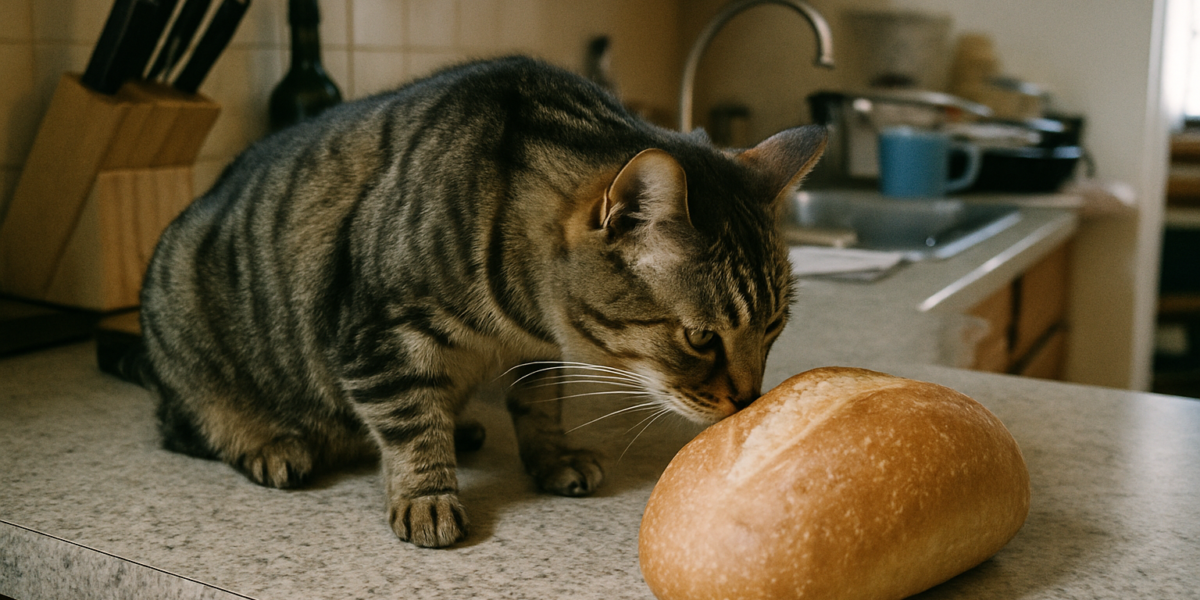
Plain baked bread is not toxic to cats, and a small nibble is unlikely to cause harm. However, bread provides zero nutritional value for cats and is essentially empty calories. Raw bread dough is genuinely dangerous and must be kept away from cats entirely. Flavored breads with garlic, onion, raisins, or other additives can also be toxic.
Cats have a way of developing unexpected food interests, and bread is one of those items that a surprising number of cats seem drawn to. Maybe it is the soft texture, the yeasty aroma, or simply the fact that you are eating it and your cat wants to be involved. Whatever the reason, plenty of cat owners find themselves tearing off a corner of toast and wondering whether it is okay to share.
The answer is more nuanced than a simple yes or no. While plain baked bread is not dangerous in the way that some foods are, it is not something that belongs in your cat’s diet either. At Walk Me Home Rescue, we believe understanding the why behind food recommendations helps you make better choices for your cat. Let us break down everything you need to know about cats and bread.
Is Bread Safe for Cats? The Short Answer
Plain, fully baked bread is not toxic to cats. If your cat snatches a small piece off the counter, there is no need to panic or rush to the emergency vet. A bite or two of plain white or wheat bread will not poison your cat or cause any immediate health crisis.
However, just because something is not toxic does not mean it is good for your cat, or even neutral. Bread is made from flour, water, yeast, and often sugar, oil, and salt, none of which provide any nutritional benefit to a cat. Cats are obligate carnivores whose bodies are specifically designed to process animal protein and fat. Their digestive systems do not efficiently break down the complex carbohydrates and plant-based ingredients that make up bread.
When a cat eats bread, they are consuming calories without receiving any useful nutrition in return. Those calories take the place of calories that could have come from appropriate, nutrient-dense food. For a small animal with a limited daily caloric budget of roughly 200 to 300 calories, even a single slice of bread represents a significant dietary misstep.
The more important concern is what type of bread we are talking about. Plain white bread is one thing, but the bread landscape is vast, and many varieties contain ingredients that are actively dangerous for cats. And then there is raw bread dough, which is a genuine emergency if a cat ingests it.
Nutritional Value of Bread for Cats
Let us be direct: bread offers essentially no nutritional value for cats. Here is what bread contains and why none of it matters for your feline companion.
Carbohydrates. Bread is primarily composed of carbohydrates, which are the least useful macronutrient for cats. While cats can metabolize some carbohydrates, their bodies are not equipped to use them efficiently as an energy source the way humans do. Cats derive their energy primarily from protein and fat. The carbohydrates in bread are largely wasted calories that may contribute to weight gain without providing any functional benefit.
Protein. Bread contains a small amount of protein from wheat gluten, but this plant-based protein is incomplete and poorly utilized by cats. It does not contain the amino acid profile that cats need, and it cannot substitute for the animal-based protein found in meat, fish, and quality cat food.
Fiber. Whole wheat bread provides some dietary fiber, but there are far better sources of fiber for cats. Pumpkin, for instance, offers significantly more digestive benefit with fewer calories and no unnecessary carbohydrates.
Sodium. Most commercial bread contains added salt, which cats do not need in supplementary amounts. Excessive sodium intake can strain a cat’s kidneys and contribute to hypertension, especially in cats with underlying health conditions.
Sugar. Many bread recipes include sugar to feed the yeast and improve flavor. Cats have no biological need for dietary sugar, and excess sugar contributes to obesity, dental problems, and diabetes risk.
In summary, bread fills your cat’s stomach without feeding their body. Every bite of bread displaces a bite of food that could have provided real nutrition. This is why veterinary nutritionists consistently advise against feeding bread to cats, even though it is not technically toxic.
Benefits and Risks of Feeding Bread to Cats
The benefits of bread for cats are, honestly, negligible. But let us cover both sides for completeness.
Potential benefits:
Some cat owners use small amounts of soft bread to disguise medication. If your cat needs to take a pill and will accept it wrapped in a tiny piece of bread, this can be a practical use case. The amount of bread needed for this purpose is very small, and the medication benefit outweighs the minimal dietary downside.
Bread can serve as an emergency distraction if you need to redirect your cat’s attention away from something more dangerous. Again, this is a very niche scenario rather than a dietary recommendation.
That is essentially the extent of bread’s benefits for cats. There is no nutritional, digestive, or health-related reason to include bread in your cat’s diet.
Risks:
Raw bread dough is dangerous. This is the most serious risk associated with bread and cats. When a cat ingests raw bread dough, the warm, moist environment of the stomach creates ideal conditions for the yeast to continue fermenting. The dough expands, potentially causing painful bloating and gastric distortion. Even more concerning, the fermentation process produces ethanol, which is absorbed into the bloodstream and can cause alcohol poisoning. Symptoms include vomiting, disorientation, loss of coordination, difficulty breathing, and in severe cases, seizures or coma. If your cat ingests raw bread dough, contact your veterinarian or an emergency animal poison control line immediately.
Toxic ingredients in specialty breads. Garlic bread contains garlic, which is toxic to cats and can destroy red blood cells leading to anemia. Raisin bread contains raisins, which are associated with kidney failure in some animals. Onion bread, olive bread with garlic, and breads seasoned with herbs like chives all pose specific toxicity risks. Breads containing chocolate chips, macadamia nuts, or xylitol-sweetened ingredients are also dangerous. The variety of potential hazards is wide enough that the safest approach is to keep all bread away from your cat unless you have verified every ingredient.
Weight gain and obesity. Bread is calorie-dense relative to its nutritional value for cats. Regular bread consumption, even in small amounts, can contribute to weight gain over time. Obesity in cats is associated with diabetes, joint problems, heart disease, and reduced lifespan. For an animal that only needs 200 to 300 calories per day, even a single slice of bread at around 70 to 80 calories represents a substantial caloric addition.
Digestive upset. The carbohydrates, gluten, and yeast in bread can cause gas, bloating, and diarrhea in some cats. Cats’ digestive systems simply are not built for processing grain-based foods in any significant quantity.
Dental concerns. Soft bread can stick to cats’ teeth and contribute to plaque buildup. Cats are already prone to dental disease, and sticky, starchy foods can accelerate the problem.
How to Handle Bread Around Your Cat Safely
Given the limited benefits and real risks, the best approach to bread and cats is cautious minimalism. Here is how to handle it.
If your cat grabs a small piece of plain baked bread, do not panic. A bite or two of plain white or wheat bread is unlikely to cause any problems in a healthy adult cat. Simply note what happened and move on. There is no need for emergency intervention.
Do not make it a habit. Even though a small amount of bread is not harmful, there is no reason to offer bread to your cat intentionally. It provides nothing they need and takes up space in their caloric budget that would be better filled by appropriate food or treats.
Keep raw dough secure. If you bake at home, be extremely vigilant about keeping raw bread dough away from your cat. Cover rising dough completely and place it where your cat cannot access it, not just on the counter but inside a closed oven or microwave. Cats can be remarkably resourceful when they are interested in a smell, and yeast dough can have a very appealing aroma to some cats.
Avoid all specialty and flavored breads. Garlic bread, raisin bread, onion focaccia, banana bread with chocolate chips, and any other bread with added ingredients should be treated as off-limits for cats entirely. The risk of toxic ingredient exposure is simply too high.
If you use bread to administer medication, use the smallest possible piece of plain white bread. Tear off just enough to wrap around the pill, and do not make the bread-wrapped pill a treat substitute. Better options for hiding medication include commercial pill pockets designed for cats, small pieces of plain cooked meat, or a thin layer of a cat-safe food recommended by your veterinarian.
If you have recently adopted a cat and they show strong interest in bread or other human foods, it may be worth setting up a consistent routine with appropriate cat treats to redirect their food-seeking behavior in a healthier direction.
Signs of Problems After Your Cat Eats Bread
While a small amount of plain baked bread is unlikely to cause serious problems, here is what to watch for in different scenarios.
After eating baked bread. Minor digestive upset is the most likely issue. Watch for soft stools, gas, or mild vomiting over the next 12 to 24 hours. These symptoms should resolve on their own. If they persist or worsen, contact your veterinarian.
After eating raw bread dough. This requires immediate veterinary attention. Watch for a distended or hard abdomen, retching or unsuccessful attempts to vomit, loss of coordination, disorientation, excessive drooling, weakness, difficulty breathing, or collapse. The combination of gastric distention from rising dough and alcohol production from yeast fermentation makes this a genuine emergency. Do not wait for symptoms to develop fully. Call your veterinarian or an emergency animal hospital as soon as you realize your cat has ingested raw dough.
After eating garlic bread or bread with toxic ingredients. Monitor for vomiting, diarrhea, lethargy, pale gums, dark-colored urine, rapid breathing, or loss of appetite. Garlic and onion toxicity can take several days to fully manifest, and red blood cell damage may not be immediately apparent. Contact your veterinarian right away if your cat ate bread containing garlic, onion, raisins, or other known toxins.
Ongoing symptoms from regular bread consumption. If you have been feeding your cat bread regularly and notice weight gain, increased lethargy, or worsening dental health, the bread may be contributing. Eliminate bread from their diet and consult your veterinarian about an appropriate feeding plan.
Better Alternatives to Bread for Cats
If you want to treat your cat to something special, there are far better options than bread that actually offer some nutritional value alongside the enjoyment.
Plain cooked turkey or chicken provides high-quality animal protein that your cat’s body can actually use. These lean meats are among the most nutritionally appropriate treats you can offer a cat. Ensure the meat is unseasoned, boneless, and cooked through.
Cooked shrimp is another excellent option that delivers protein, taurine, and omega-3 fatty acids. Most cats find shrimp irresistible.
For cats that enjoy non-meat treats, small amounts of blueberries or strawberries offer antioxidants and minimal calories. Pumpkin provides excellent fiber and digestive support.
Commercial cat treats made with quality protein sources are always a reliable option. They are formulated to be safe and appropriate for cats and come in a wide range of flavors and textures. Your veterinarian or the team at your local rescue organization can suggest suitable brands.
Frequently Asked Questions
Can cats eat toast?
Toast is just bread that has been heated, so the same rules apply. Plain toast without butter, jam, or any toppings is not toxic to cats, but it offers no nutritional benefit and should not be offered as a treat. The toasting process does not change the nutritional profile in any meaningful way. Buttered toast is worse because the added fat is unnecessary and can contribute to digestive upset or pancreatitis in sensitive cats.
Why does my cat like bread so much?
Some cats seem inexplicably attracted to bread, and there are a few theories about why. The yeast in bread has an aroma that may be appealing to cats, and the soft, chewy texture may be interesting to them. Some researchers suggest that cats may be attracted to the fat content in certain bread recipes. It could also simply be a learned behavior. If your cat received bread in the past and found it rewarding, they may have developed an association. Regardless of the reason, their interest does not mean bread is appropriate for them.
Is whole wheat bread better for cats than white bread?
Neither type of bread is nutritionally appropriate for cats, so the distinction is largely irrelevant. Whole wheat bread contains slightly more fiber and nutrients than white bread, but these differences are insignificant in the context of feline nutrition. Your cat does not benefit from the whole grains in wheat bread any more than they benefit from the refined flour in white bread. The best bread for cats is no bread at all.
What happens if a cat eats raw bread dough?
Raw bread dough is a veterinary emergency for cats. The warm environment of the stomach causes the yeast to continue fermenting, which makes the dough expand and can cause painful gastric distention or even gastric torsion. The fermentation process also produces ethanol, which enters the bloodstream and causes alcohol poisoning. Symptoms include bloating, vomiting, disorientation, incoordination, weakness, difficulty breathing, and potentially seizures or collapse. If your cat ingests raw bread dough, contact your veterinarian or emergency animal hospital immediately without waiting for symptoms to appear.
Can cats eat sourdough bread?
A small bite of fully baked plain sourdough bread is no more dangerous than a small bite of regular bread. However, sourdough starter and unbaked sourdough dough pose the same risks as any raw bread dough, with active fermentation potentially causing gastric distention and alcohol production. Sourdough bread also tends to have a higher salt content than other breads, which is another reason to keep portions away from cats. There is no reason to offer sourdough bread to your cat intentionally.
Can bread help a cat that ate something dangerous?
There is a persistent myth that feeding bread to a cat can help absorb toxins or protect the stomach if the cat has eaten something harmful. This is not supported by veterinary science and should not be attempted. If your cat has ingested something dangerous, contact your veterinarian or an animal poison control hotline immediately. Do not attempt home remedies including bread, milk, or any other food. Professional guidance is always the correct first step in a potential poisoning situation.
For the full picture, see our complete guide to the human foods cats can eat safely.
Not sure what to keep away from your cat? See our complete list of foods toxic to cats.


