
Last updated: April 9, 2026
In this article
Can Cats Eat Shrimp? A Safe Seafood Guide for Cat Owners
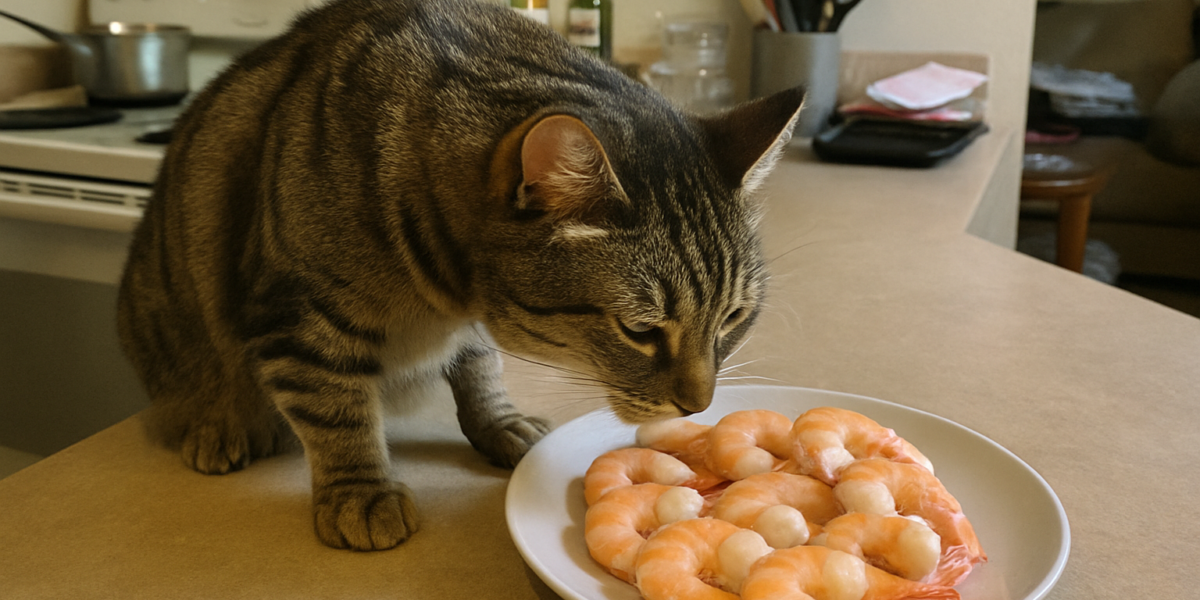
Shrimp is safe for cats as long as it is fully cooked, completely peeled, and served plain without any seasoning. Raw shrimp can carry harmful bacteria, and shells pose a choking hazard. Plain steamed or boiled shrimp offered in moderation makes an excellent occasional treat for most cats.
There is something about shrimp that seems to send most cats into a state of pure excitement. The aroma alone is enough to bring even the laziest feline sprinting into the kitchen. If your cat has ever given you that intense, unblinking stare while you peel shrimp at the counter, you have probably asked yourself whether it is safe to toss one their way.
The good news is that shrimp is one of the more cat-friendly human foods out there. As obligate carnivores, cats are designed to thrive on animal protein, and shrimp delivers exactly that. But as with most things in feline nutrition, the details matter. How you prepare shrimp and how much you offer can mean the difference between a healthy treat and a trip to the vet.
At Walk Me Home Rescue, we believe informed pet ownership leads to happier, healthier cats. Let us walk through everything you need to know about feeding shrimp to your cat.
Is Shrimp Safe for Cats? The Quick Rundown
Yes, shrimp is safe for cats when it meets three essential conditions: it must be fully cooked, completely peeled, and entirely plain. When those requirements are met, shrimp is not only safe but actually offers some genuine nutritional benefits that align well with a cat’s biological needs.
The reason shrimp works well for cats comes down to biology. Cats are obligate carnivores, which means their bodies are optimized for digesting and absorbing nutrients from animal tissue. Shrimp is a lean, high-quality source of animal protein with a nutritional profile that complements what cats naturally need. Unlike some human foods that cats can technically eat but derive little benefit from, shrimp actually provides nutrients your cat can use.
That said, shrimp is not a substitute for a complete and balanced cat food. Think of it as a bonus, a high-value treat that happens to be nutritionally respectable, rather than a meal replacement. The key to safely incorporating shrimp into your cat’s life is understanding both its benefits and its limitations.
Raw shrimp is where the safety equation changes entirely. Uncooked shrimp can harbor pathogens including Salmonella and Listeria, both of which can cause serious gastrointestinal illness in cats. There is a common misconception that cats are naturally equipped to handle raw seafood, but domestic cats do not have the same pathogen resistance as their wild ancestors, and the shrimp you buy at the grocery store has gone through handling and storage processes that can introduce contamination.
Nutritional Benefits of Shrimp for Cats
When served correctly, shrimp brings a lot to the table nutritionally. Here is a closer look at what makes this seafood a worthwhile occasional addition to your cat’s treat rotation.
High-quality lean protein. Cats require significantly more dietary protein than dogs or humans. Shrimp is an outstanding source of lean, complete protein that provides all the essential amino acids cats need for muscle maintenance, tissue repair, and overall vitality. A single medium shrimp contains about 6 to 7 calories and roughly 1.5 grams of protein, making it a high-protein, low-calorie treat option.
Taurine. This is a big one for cat owners to know about. Unlike most animals, cats cannot synthesize taurine on their own and must get it from their diet. Taurine deficiency can lead to serious health problems including dilated cardiomyopathy, retinal degeneration, and reproductive issues. Shrimp is a natural source of taurine, which makes it one of the more nutritionally appropriate treat options for cats specifically.
Omega-3 fatty acids. Shrimp contains omega-3 fatty acids including EPA and DHA, which support skin and coat health, reduce inflammation, and promote cardiovascular function. These are the same types of fatty acids that premium cat food manufacturers add to their formulas and that veterinarians sometimes recommend as supplements.
Astaxanthin. This naturally occurring antioxidant gives shrimp its pink color and may offer anti-inflammatory and immune-supporting benefits. While research on astaxanthin in cats specifically is limited, antioxidants in general play a role in protecting cells from oxidative damage.
Essential minerals. Shrimp provides phosphorus for healthy bones, iodine for thyroid function, selenium for immune health, and vitamin B12 for nervous system support. These micronutrients complement the nutrition your cat receives from their regular food.
Risks of Feeding Shrimp to Cats
Despite its benefits, shrimp comes with several risks that every cat owner should understand before offering it as a treat.
Raw shrimp and bacterial contamination. We cannot stress this enough: raw shrimp is not safe for cats. Harmful bacteria like Salmonella, Listeria, and E. coli can survive on uncooked shellfish and cause vomiting, diarrhea, fever, and lethargy in cats. In severe cases, foodborne illness can be life-threatening, especially for kittens, senior cats, or immunocompromised animals. Always cook shrimp thoroughly before offering it.
Shells, tails, and legs. The rigid exoskeleton of shrimp is not digestible and can cause real harm to your cat. Sharp shell fragments can cut the inside of the mouth, scratch the esophagus, or cause intestinal blockages. The tail is the most commonly overlooked hazard because even humans sometimes eat it, but for cats, it presents a genuine choking risk. Remove all shell components completely every time.
Seasoning and cooking additives. Garlic and onion are toxic to cats, even in small amounts, and are common ingredients in shrimp dishes. Salt in excess can lead to sodium poisoning. Butter and cooking oils add unnecessary fat. Cocktail sauce, lemon, and spice blends are all off-limits. The shrimp you offer your cat must be completely plain.
Cholesterol content. Shrimp is relatively high in dietary cholesterol compared to other protein sources. While occasional consumption is unlikely to cause problems in healthy cats, frequent feeding could be a concern for cats with cardiovascular conditions, kidney disease, or hyperlipidemia. Moderation is essential.
Shellfish allergies. Although uncommon, some cats can be allergic to shellfish proteins. If your cat has never eaten shrimp before, introduce a very small piece and monitor closely for signs of an allergic reaction over the following 24 hours.
How to Prepare and Feed Shrimp to Your Cat Safely
Proper preparation is what separates a healthy treat from a potential hazard. Follow these steps every time you share shrimp with your cat.
Select the right shrimp. Choose plain, fresh or frozen shrimp with no added salt, preservatives, or seasoning. Avoid pre-marinated, breaded, or flavored shrimp products entirely. Check the ingredient list. It should read shrimp and nothing else. Some frozen shrimp is treated with sodium tripolyphosphate as a preservative, which adds unnecessary sodium. When possible, opt for untreated varieties.
Clean and peel completely. Remove the shell, tail, legs, and the dark digestive vein running along the back of the shrimp. The vein is not toxic, but it can contain grit and waste material that is best removed. Make sure no small shell fragments remain attached to the meat.
Cook thoroughly without seasoning. The safest cooking methods are steaming and boiling. Both cook the shrimp thoroughly without requiring any oil, butter, or seasoning. Cook until the shrimp is completely opaque and firm throughout, which typically takes two to three minutes depending on the size. Do not saute, grill, or fry shrimp intended for your cat, as these methods usually involve fats and seasonings that are inappropriate for felines.
Cool to room temperature. Hot food can burn your cat’s mouth and tongue. Let the shrimp cool completely before offering it. This also gives you a chance to double-check that all shell material has been removed.
Cut into appropriate pieces. Even a single medium shrimp is a substantial treat for a cat. Cut it into bite-sized pieces to reduce choking risk and make it easier to control portion size. For small cats or kittens, cut pieces even smaller.
Serve and supervise. Offer the shrimp pieces to your cat and stay nearby while they eat. Watching your cat eat allows you to intervene quickly if they start to choke and helps you gauge their reaction to the food.
If you have recently adopted a cat, introduce new treats like shrimp gradually after your cat has settled into their regular feeding routine. New foods during a stressful transition period can add unnecessary digestive stress.
Signs of Problems After Eating Shrimp
Even when shrimp is prepared correctly, some cats may not tolerate it well. Here is what to watch for after your cat tries shrimp for the first time or at any subsequent feeding.
Vomiting. If your cat vomits within a few hours of eating shrimp, their stomach may be reacting to the unfamiliar protein. A single episode of vomiting is usually not an emergency, but if it continues or your cat seems distressed, contact your veterinarian.
Diarrhea. Loose stools or diarrhea following shrimp consumption could indicate that your cat’s digestive system is not handling the new food well. Mild, short-lived diarrhea often resolves on its own, but persistent diarrhea warrants a veterinary call.
Lethargy and loss of appetite. If your cat becomes unusually tired, withdrawn, or refuses their regular food after eating shrimp, something may be off. These symptoms can indicate gastrointestinal discomfort or, in rare cases, a more serious reaction.
Allergic reaction symptoms. Watch for excessive scratching or grooming, skin redness or swelling (especially around the face and ears), hives, difficulty breathing, or swelling of the lips and tongue. Allergic reactions to shellfish are uncommon in cats but can be serious. If you observe any of these signs, seek veterinary care immediately.
Choking or gagging. If you notice your cat coughing, gagging, or pawing at their mouth while eating shrimp, they may have a piece stuck. This underscores the importance of cutting shrimp into small pieces and removing all shell material before serving.
If your cat ate shrimp that was seasoned with garlic, onion, or heavy amounts of salt, do not wait for symptoms to appear. Contact your veterinarian right away, as garlic and onion are toxic to cats and can damage red blood cells even in small quantities.
Alternatives to Shrimp for Cats
If your cat cannot tolerate shrimp or you want to diversify their treat options, there are several other safe and nutritious choices to consider.
Plain cooked turkey is an excellent lean protein treat that most cats love. It offers many of the same protein benefits as shrimp without the shellfish allergy concern. Just make sure it is unseasoned and boneless.
Cooked salmon and other fish can satisfy your cat’s seafood cravings while providing omega-3 fatty acids. As with shrimp, fish should always be cooked, boneless, and free of any seasoning.
For cats that enjoy variety beyond protein, small amounts of pumpkin can support digestive health thanks to its fiber content. Blueberries and cantaloupe are safe fruit options in small quantities, though many cats are indifferent to sweet flavors.
Commercial cat treats designed specifically for felines are always a reliable option. Look for products with real meat or fish as the primary ingredient and minimal fillers or artificial additives. For breed-specific dietary guidance, our cat breeds directory can help you understand your cat’s unique nutritional needs.
Frequently Asked Questions
Can cats eat raw shrimp?
No, raw shrimp is not safe for cats. Uncooked shrimp can harbor harmful bacteria including Salmonella and Listeria, as well as parasites that survive in raw shellfish. These pathogens can cause serious gastrointestinal illness in cats, with symptoms ranging from vomiting and diarrhea to fever and lethargy. Always cook shrimp thoroughly before offering it to your cat. Steaming or boiling without seasoning is the safest preparation method.
Can cats eat shrimp tails or shells?
No, cats should never eat shrimp shells, tails, or legs. These parts are hard, sharp, and completely indigestible. They can cause choking, cuts inside the mouth or throat, and intestinal blockages, especially in smaller cats. Always peel shrimp completely and double-check that no shell fragments remain before offering the meat to your cat.
How much shrimp can a cat eat safely?
One to two small shrimp, or one medium shrimp cut into pieces, is a reasonable serving for an average-sized adult cat. Treats of any kind should not exceed 10 percent of your cat’s daily caloric intake. Shrimp should be offered as an occasional treat, no more than once or twice per week, rather than a daily addition to your cat’s diet. Overfeeding shrimp can contribute to excess cholesterol intake and nutritional imbalance over time.
Can kittens eat shrimp?
While a tiny piece of plain, cooked shrimp is unlikely to harm a kitten, it is best to wait until your cat is fully grown before introducing shrimp as a regular treat. Kittens have more sensitive digestive systems than adults, and their diet should focus on kitten-formulated food that provides the specific nutrition they need for growth and development. If you want to offer a kitten a taste of shrimp, keep the amount extremely small and consult your veterinarian first.
What if my cat ate seasoned or garlic shrimp?
If your cat ate shrimp prepared with garlic, onion, or excessive salt, contact your veterinarian promptly. Garlic and onion are toxic to cats and can damage red blood cells, potentially leading to anemia. Do not wait for symptoms to develop. Watch for signs including vomiting, diarrhea, lethargy, pale gums, rapid breathing, or loss of appetite and relay this information to your vet. In most cases, a small accidental taste will not cause severe toxicity, but professional guidance is always the safest course of action.
Is canned shrimp safe for cats?
Canned shrimp is generally not the best choice for cats because it often contains added sodium, preservatives, and sometimes citric acid. The high salt content in most canned seafood products can be problematic for cats, especially those with kidney or heart conditions. If canned shrimp is your only option, look for varieties packed in water with no added salt, and rinse the shrimp thoroughly before serving. Fresh or frozen plain shrimp that you cook at home is always the safer and more nutritious choice.


