
Last updated: April 1, 2026
In this article
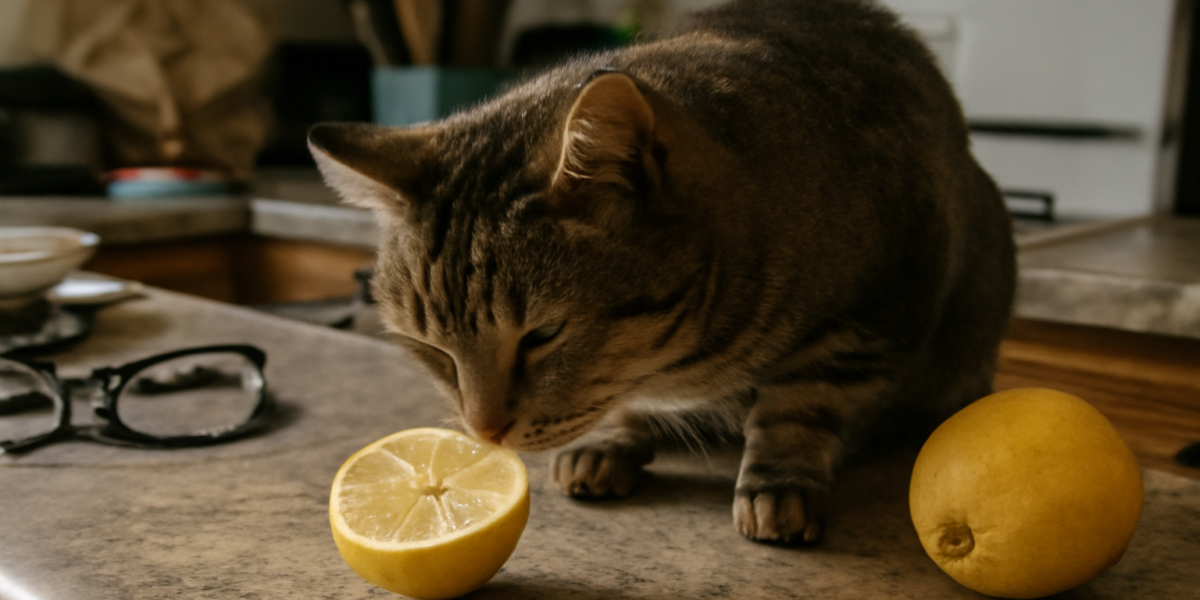
Lemons are a kitchen essential for humans, adding brightness to everything from water and tea to fish and desserts. But while the fresh scent of lemon might seem invigorating to you, it is actually repellent to most cats — and for good reason. Cats have an instinctive aversion to citrus, which serves as a natural protective mechanism because lemons and other citrus fruits are genuinely toxic to felines. If you have ever wondered whether your cat can safely sample a slice of lemon or lick some lemon juice, the answer is a firm and important no.
Quick Answer: No, cats must not eat lemons. All parts of the lemon — fruit, peel, seeds, leaves, and stems — are toxic to cats. Lemons contain essential oils (limonene and linalool) and psoralen compounds that cats cannot metabolize, as well as citric acid that causes severe gastrointestinal irritation. Lemon toxicity can cause vomiting, diarrhea, depression, skin irritation, and in severe cases, liver damage.
Are Lemons Safe for Cats?
Lemons are not safe for cats in any form or amount. The ASPCA classifies the entire lemon plant (Citrus limon) as toxic to cats, including the fruit, peel, seeds, leaves, and stems. This is not a matter of mild unsuitability — lemons contain multiple compounds that are genuinely dangerous to feline health.
The primary toxic compounds in lemons are:
- Limonene: A terpene found in high concentrations in lemon peel and rind. Cats lack the liver enzymes needed to metabolize limonene, and it can cause liver damage with sufficient exposure.
- Linalool: Another terpene compound present in lemons that is poorly processed by the feline liver and can cause central nervous system depression.
- Psoralens (furanocoumarins): Photosensitizing compounds found in citrus plants that can cause dermatitis when the skin is exposed to sunlight after contact. They are also toxic when ingested.
- Citric acid: While not as dangerous as the essential oils, the high citric acid content of lemons causes significant gastrointestinal irritation, leading to vomiting, diarrhea, and abdominal pain.
Most cats naturally avoid citrus due to their strong aversion to the scent. In fact, citrus peels are sometimes used as a natural cat deterrent in gardens. However, curious kittens, cats with reduced sense of smell, or cats that encounter lemon in disguised forms (lemon-flavored foods or cleaning products) may still be exposed.
Why Lemon Essential Oils Are Especially Dangerous for Cats
The essential oils in lemons deserve special emphasis because they are the primary source of toxicity and appear in many household products beyond just the fruit itself.
Cats are exceptionally sensitive to essential oils because they lack UDP-glucuronosyltransferase, a key liver enzyme that other species use to break down and eliminate phenolic and terpenic compounds. When a cat is exposed to lemon essential oils — whether through ingestion, skin contact, or inhalation — the compounds accumulate in the body rather than being efficiently processed and excreted.
Sources of lemon essential oil exposure beyond the fruit itself include:
- Lemon-scented household cleaners and disinfectants
- Lemon essential oil in aromatherapy diffusers
- Lemon-scented candles and air fresheners
- Lemon furniture polish
- Natural insect repellents containing lemon or citronella
- Some lemon-scented personal care products
If you use any of these products in your home, ensure your cat does not have direct contact with them and that treated surfaces are completely dry before your cat can access them. Diffusers containing lemon essential oil should not be used in homes with cats.
Risks and Side Effects of Lemon for Cats
The symptoms and severity of lemon toxicity depend on the amount and form of exposure:
Mild exposure (a lick of lemon juice or brief contact with lemon peel):
- Drooling and lip-licking
- Vomiting
- Diarrhea
- Loss of appetite
- Facial grimacing (reaction to the extreme sourness)
Moderate exposure (consuming lemon flesh, peel, or lemon-containing foods):
- Persistent vomiting and diarrhea
- Abdominal pain and tenderness
- Lethargy and depression
- Excessive drooling
- Cold extremities
- Weakness and unsteadiness
Severe exposure (significant ingestion or essential oil exposure):
- Central nervous system depression (stumbling, excessive drowsiness)
- Tremors
- Photosensitivity and skin irritation (from psoralens)
- Liver damage or failure
- Collapse
The lemon peel and rind contain the highest concentration of essential oils and are therefore the most dangerous parts of the fruit. However, the flesh, juice, seeds, and plant leaves and stems all contain toxic compounds at levels that can harm cats.
What to Do If Your Cat Is Exposed to Lemon
If your cat ingests lemon or lemon-containing products, take immediate action:
- Remove your cat from the source of exposure.
- If lemon essential oil is on your cat’s fur or skin, gently wash the area with warm water and mild dish soap to prevent further absorption and ingestion through grooming. Do not use citrus-based cleaners for this purpose.
- Offer fresh water to help dilute any ingested citric acid.
- Contact your veterinarian or the ASPCA Animal Poison Control Center (888-426-4435) immediately.
- Provide details about the type of exposure (fresh lemon, essential oil, cleaning product), the estimated amount, and the time since exposure.
- Do not induce vomiting unless specifically instructed by a veterinary professional.
- Monitor for any of the symptoms listed above and be prepared to bring your cat in for examination.
Even if symptoms seem mild initially, contact your veterinarian. Essential oil toxicity can have delayed effects, and liver damage may not be immediately apparent.
- Kittens: Extremely vulnerable to lemon toxicity. Their small body weight and immature liver function mean even tiny exposures can cause disproportionately serious effects. Seek veterinary care for any lemon exposure in kittens.
- Adult cats (6–10 lbs): Any deliberate ingestion or significant skin contact with lemon or lemon essential oil warrants a veterinary call. A brief lick of lemon juice causing immediate gagging and rejection is lower risk but should still be monitored.
- Large cats (over 10 lbs): Slightly more resilient due to body mass, but the same toxicity applies. Lemon is dangerous for cats of all sizes.
Signs of Lemon Toxicity in Cats
Watch for the following signs in the hours following any lemon exposure:
- Profuse drooling or hypersalivation
- Repeated vomiting
- Diarrhea (may be watery)
- Refusal to eat
- Lethargy or unusual quietness
- Depression or withdrawal
- Trembling or shivering
- Skin redness, blistering, or irritation (especially after sun exposure, due to psoralens)
- Wobbliness or loss of coordination
- Yellowing of gums or eyes (jaundice — indicates liver damage)
Psoralen-related photosensitivity may not appear immediately but can develop when the cat is exposed to sunlight after contact with lemon. Keep affected cats out of direct sunlight until fully recovered.
Safe Fruit Alternatives for Cats
If you want to offer your cat a fruit-based treat, choose from these safer options (always in small amounts and without seeds or pits):
- Blueberries: Non-toxic and contain antioxidants. One or two berries make a safe occasional treat.
- Watermelon: Seedless, small pieces can be offered. Many cats enjoy the texture and water content.
- Banana: Non-toxic in small amounts, though high in sugar and not all cats are interested.
- Plain cooked pumpkin: Not technically a fruit, but a safe plant-based option some cats enjoy and that can aid digestion.
However, remember that cats are obligate carnivores and derive no essential nutrients from fruit. The best treats for cats are always protein-based. Consider plain cooked chicken, turkey, or steak — see our guide on can cats eat steak for more information.
Also learn about the dangers of the closely related lime in our article on can cats eat lime.
Thinking about welcoming a cat into your life? Visit our adoption page to find cats in need of forever homes.
Frequently Asked Questions
Why do cats hate the smell of lemons?
Most cats have a strong aversion to citrus scents, which is believed to be an evolutionary protective mechanism. The compounds that produce the characteristic lemon smell — limonene and other terpenes — are the same ones that are toxic to cats. Over generations, cats that avoided citrus were more likely to survive and pass on their genes. This instinct serves as a natural first line of defense, but it is not foolproof, especially in kittens or cats with reduced olfactory function.
Is lemon water safe for cats?
No. Even diluted lemon juice contains citric acid and traces of essential oils that can cause gastrointestinal irritation in cats. Never add lemon to your cat’s water. If your cat accidentally drinks a small amount of water with lemon, monitor for vomiting and diarrhea and ensure they have access to plain, fresh water. Cats should only drink plain water (or cat-specific broths approved by your veterinarian).
Can lemon-scented cleaning products harm my cat?
Yes, they can. Cleaning products containing real lemon essential oil or concentrated limonene can be harmful to cats through skin contact, ingestion (from walking on treated surfaces and then grooming paws), or inhalation. Products containing synthetic lemon fragrance are generally less toxic but can still irritate respiratory passages. Always ensure cleaned surfaces are thoroughly dry and residue-free before allowing your cat access, and consider switching to unscented or pet-safe cleaning products.
What if my cat licked a lemon and immediately spit it out?
If your cat licked a lemon and immediately rejected it (which is the typical feline response), the exposure is minimal. The strong citric acid taste usually triggers an immediate gag reflex that limits ingestion. Your cat may drool, paw at its mouth, and show displeasure, but a brief lick followed by immediate rejection is unlikely to cause significant toxicity. Offer fresh water and monitor for any vomiting or diarrhea over the next few hours. If your cat seems fine after a few hours, no further action is needed.
Can I use lemon juice as a natural flea treatment for my cat?
Absolutely not. While some outdated home remedies suggest citrus-based flea treatments, applying lemon juice or lemon-containing solutions to a cat’s fur or skin is dangerous. Cats will ingest the compounds during grooming, and the essential oils can also be absorbed through the skin. There are many safe, veterinarian-approved flea treatments available. Always consult your veterinarian for appropriate flea prevention and treatment.
Are all citrus fruits equally dangerous to cats?
All citrus fruits — including lemons, limes, oranges, grapefruits, and tangerines — are toxic to cats. They all contain limonene, linalool, and psoralens at varying concentrations. Lemons and limes tend to have higher essential oil concentrations in their peels than oranges and grapefruits. However, no citrus fruit is safe for cats, and all should be kept out of their reach. For more on lime toxicity specifically, see our article on can cats eat lime.


