
Last updated: April 8, 2026
In this article
Can Cats Eat Grapefruit? Safety Guide and Tips
Grapefruit is a popular breakfast staple known for its tangy, bittersweet flavor and impressive vitamin C content. If you enjoy starting your morning with half a grapefruit, you might wonder whether your curious cat can safely share a taste. Unfortunately, the answer to this question is one every cat owner needs to take seriously.
Grapefruit is toxic to cats. All parts of the grapefruit — the flesh, peel, seeds, leaves, and stem — contain compounds that are harmful to felines. As obligate carnivores, cats have limited ability to process many plant-based compounds, and the specific toxins found in citrus fruits can cause a range of health problems from mild gastrointestinal upset to more serious central nervous system depression. This is one food that should be kept firmly out of your cat’s reach.
Quick Answer: Can Cats Eat Grapefruit?
No — cats should never eat grapefruit in any form. The ASPCA lists grapefruit as toxic to cats. The fruit contains several compounds that are harmful to felines, including essential oils such as limonene and linalool, psoralen (a phototoxic compound), and high levels of citric acid. These substances can cause gastrointestinal distress, skin irritation, and central nervous system depression.
This toxicity applies to all parts of the grapefruit plant. The peel and rind contain the highest concentration of toxic essential oils, but the flesh and juice are also dangerous. Even grapefruit-scented products, essential oils, or cleaning supplies can be harmful to cats through inhalation or skin contact.
If your cat has accidentally ingested grapefruit, contact your veterinarian immediately. The severity of the reaction depends on the amount consumed and which part of the fruit was eaten, but prompt veterinary attention is always recommended. Do not wait for symptoms to appear before seeking help, as early treatment leads to better outcomes.
Nutritional Profile of Grapefruit
While grapefruit is nutritious for humans, its nutritional content is irrelevant for cats because the fruit should never be consumed by felines. For reference, here is what grapefruit contains — and why none of it benefits your cat:
- Vitamin C: Grapefruit is rich in vitamin C, but cats synthesize their own vitamin C internally and do not need dietary supplementation.
- Citric acid: High levels of citric acid can cause stomach upset, vomiting, and diarrhea in cats. Their digestive systems are not designed to handle acidic plant foods.
- Essential oils (limonene, linalool): These compounds, concentrated in the peel but present throughout, are toxic to cats. Cats lack the liver enzymes needed to metabolize these oils safely.
- Psoralen: This naturally occurring compound is phototoxic and can cause skin sensitization, dermatitis, and more serious systemic effects in cats.
- Sugar: Approximately 8-9 grams per half grapefruit. Cats cannot taste sweetness and gain no benefit from dietary sugar.
- Fiber: About 2 grams per serving. While fiber has some benefits, cats obtain adequate fiber from their regular diet.
- Potassium: Present in moderate amounts, but cats get sufficient potassium from properly formulated cat food.
The bottom line is that nothing in grapefruit’s nutritional profile justifies the serious risk it poses to cats. Every potential nutritional benefit is either unnecessary for felines or is available from much safer food sources. Cats are obligate carnivores whose nutritional needs are best met through animal-based proteins, not citrus fruits.
Benefits and Risks of Grapefruit for Cats
Benefits
- No benefits: There are no safe benefits of grapefruit for cats. The toxicity of this fruit means any potential nutritional value is completely outweighed by the health risks.
- Natural deterrent: Most cats instinctively dislike the smell of citrus, which serves as a natural warning. This aversion is actually a protective mechanism, as their bodies cannot safely process citrus compounds.
- Awareness value: Knowing that grapefruit is toxic helps cat owners make informed decisions about which foods to keep away from their pets and reinforces the importance of researching food safety.
- Boundary setting: Understanding that not all “healthy” human foods are healthy for cats is an important lesson in species-specific nutrition.
Risks
- Gastrointestinal toxicity: Ingestion of grapefruit can cause vomiting, diarrhea, and abdominal pain in cats. The citric acid and essential oils irritate the stomach lining and intestinal tract, potentially leading to dehydration if symptoms are severe.
- Central nervous system depression: The essential oils and psoralen in grapefruit can affect the central nervous system, causing lethargy, weakness, trembling, and in severe cases, depression of neurological function.
- Skin irritation and photosensitivity: Psoralen can cause dermatitis upon skin contact and increases sensitivity to ultraviolet light. If grapefruit juice contacts your cat’s skin, it can cause irritation, redness, and in sunlight-exposed areas, chemical burns.
- Liver damage: Cats lack certain liver enzymes (specifically glucuronyl transferase) needed to safely metabolize the essential oils found in citrus fruits. Repeated exposure can lead to liver damage as these compounds accumulate in the body.
- Allergic reactions: Some cats may experience heightened allergic responses to citrus compounds, including swelling, difficulty breathing, and severe skin reactions that require emergency treatment.
- Essential oil inhalation risk: Even grapefruit essential oils diffused in the air or present in cleaning products can irritate a cat’s respiratory system and mucous membranes, causing coughing, sneezing, and breathing difficulties.
How to Serve Grapefruit Safely to Your Cat
The only safe way to handle grapefruit around cats is to not serve it to them at all. Instead, focus on keeping grapefruit and all citrus products safely away from your feline companion. Here are practical steps to protect your cat:
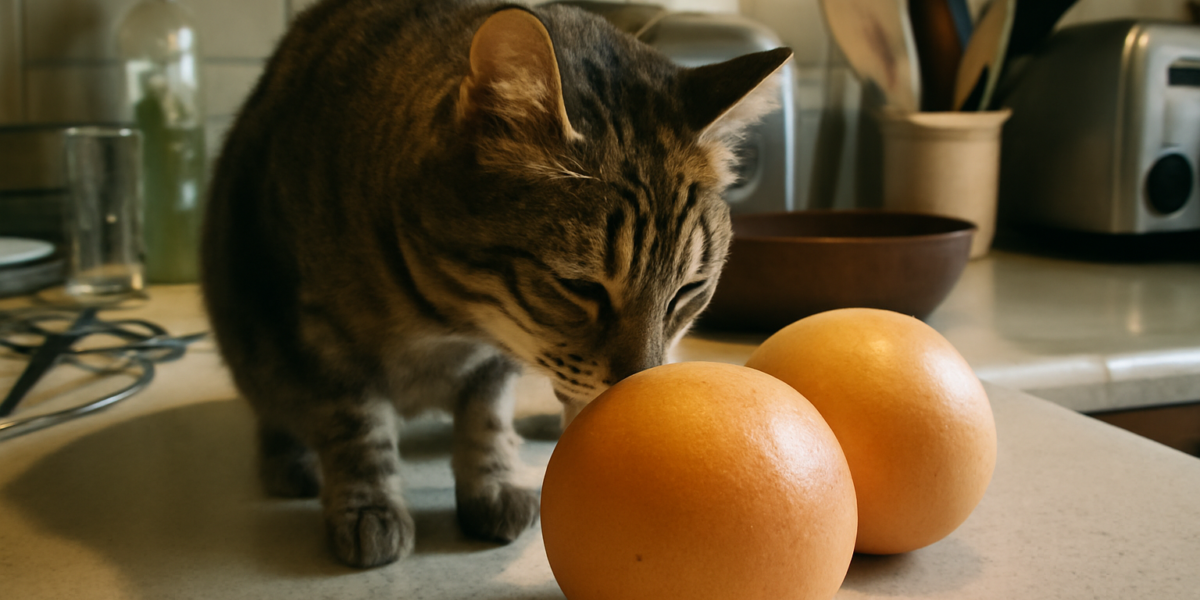
Store whole grapefruits in a location your cat cannot access, such as a closed cabinet or a high shelf in a room your cat does not frequent. If you keep fruit on your counter, be aware that determined cats can reach most surfaces. After eating grapefruit, clean up any peel, seeds, and juice immediately. Do not leave grapefruit rinds in an open trash can where your cat might investigate.
Be cautious with grapefruit essential oils and citrus-scented products. Do not use grapefruit essential oil in diffusers in rooms where your cat spends time. Check the ingredient lists of household cleaners, air fresheners, and personal care products for grapefruit or citrus oil. While some people recommend using citrus as a cat deterrent, this practice can pose health risks if your cat comes into contact with concentrated citrus products.
If you are preparing grapefruit, wash your hands thoroughly before handling your cat or their food. Residual essential oils on your hands can transfer to your cat’s fur, which they will then ingest during grooming.
Signs of Problems After Eating Grapefruit
If you suspect your cat has ingested any part of a grapefruit, watch for the following symptoms, which may appear within a few hours of ingestion:
- Vomiting — often the first sign, may occur repeatedly
- Diarrhea, which may become severe
- Drooling or excessive salivation
- Loss of appetite and refusal to eat
- Lethargy, weakness, or unusual sleepiness
- Trembling or muscle weakness
- Skin redness or irritation if the fruit contacted the skin
- Depression or withdrawal from normal activities
- Cold extremities in severe cases
Contact your veterinarian or the ASPCA Animal Poison Control Center (888-426-4435) immediately if you suspect grapefruit ingestion. Do not attempt to induce vomiting unless specifically instructed to do so by a veterinary professional. Provide your vet with as much information as possible: how much grapefruit was consumed, which parts were eaten (peel, flesh, seeds), and when the ingestion occurred.
Treatment may include decontamination, intravenous fluids to prevent dehydration, anti-nausea medication, and monitoring of liver function. Most cats recover fully with prompt treatment, but delayed care can lead to more serious complications.
Healthy Alternatives to Grapefruit
Since grapefruit is off the table entirely, here are some safe alternatives if you want to offer your cat an occasional treat:
- Cooked chicken or turkey: Plain, unseasoned cooked poultry is one of the safest and most nutritious treats for cats, providing the animal-based protein they need.
- Small pieces of cantaloupe: Unlike citrus fruits, cantaloupe is safe for cats in very small amounts and many cats are attracted to its scent.
- Blueberries: These small berries are non-toxic to cats and contain antioxidants. Offer just one or two as a rare treat.
- Cooked fish: Plain cooked salmon, cod, or catfish provide protein and omega-3 fatty acids that cats can actually benefit from.
- Seedless watermelon: A tiny piece of seedless watermelon is safe and can help with hydration, though most cats show limited interest.
- Commercial cat treats: Purpose-made cat treats are the safest option, formulated specifically for feline nutrition and portion-controlled for their small size.
Looking to provide a safe, loving home for a cat in need? Visit the Walk Me Home Rescue adoption page to meet cats waiting for their forever families.
Frequently Asked Questions
What should I do if my cat licked grapefruit juice?
If your cat licked a small amount of grapefruit juice, monitor them closely for signs of gastrointestinal upset such as vomiting, diarrhea, or drooling. Offer fresh water to help dilute the citric acid. A tiny lick may cause only mild temporary discomfort, but contact your veterinarian to be safe, especially if symptoms develop or your cat seems unwell.
Is grapefruit essential oil dangerous for cats?
Yes, grapefruit essential oil is very dangerous for cats. It contains highly concentrated limonene and linalool, which cats cannot metabolize. Even inhaling diffused grapefruit essential oil can cause respiratory irritation, and skin contact can cause chemical burns. Never use grapefruit essential oil in a diffuser in a home with cats, and store all essential oils securely out of reach.
Are all citrus fruits toxic to cats?
Yes, all citrus fruits — including oranges, lemons, limes, grapefruit, and tangerines — are considered toxic to cats by the ASPCA. They all contain limonene, linalool, and citric acid in varying concentrations. The peels and essential oils are the most concentrated sources of these toxins, but the flesh and juice should also be avoided.
Can cats eat grapefruit-flavored foods?
It depends on the specific product. Artificially grapefruit-flavored items that do not contain actual grapefruit extract may not have the same toxic compounds, but they often contain sugar, artificial sweeteners, and other ingredients unsuitable for cats. Xylitol, an artificial sweetener found in some flavored products, is extremely toxic to cats. It is safest to avoid all grapefruit-flavored products around your cat.
Why do cats hate the smell of citrus?
Cats have an extremely sensitive sense of smell — roughly 14 times more sensitive than humans. The strong volatile oils in citrus fruits are overwhelming and unpleasant to most cats. This aversion likely evolved as a protective mechanism, since these compounds are genuinely harmful to felines. While some people use citrus scents as cat deterrents, concentrated citrus products can pose health risks.
How much grapefruit is dangerous for a cat?
There is no established “safe” amount of grapefruit for cats — any amount should be considered potentially harmful. The toxic compounds are present throughout the fruit, with the highest concentrations in the peel and rind. Even a small piece of flesh can cause gastrointestinal symptoms. The severity of the reaction depends on the amount consumed, the cat’s size, and individual sensitivity. Always err on the side of caution and treat any ingestion as a potential emergency.
Keeping your cat safe means understanding which foods are genuinely dangerous. Grapefruit is one food that should always remain off-limits for your feline friend. For more information on cat-safe and cat-unsafe foods, browse our other guides, including our articles on goji berries and prunes. And if you are ready to welcome a new cat into your life, visit our adoption page at Walk Me Home Rescue to find your perfect match.


