
Last updated: April 8, 2026
In this article
Can Cats Eat Catfish? Safety Guide and Tips
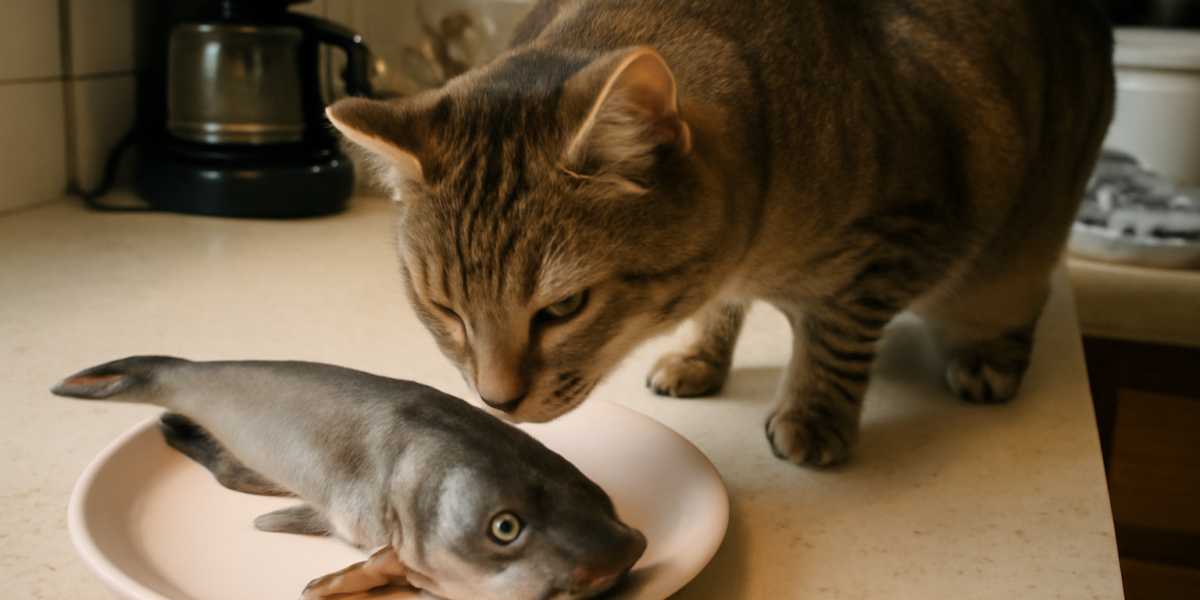
Catfish is one of the most popular freshwater fish enjoyed around the world, and if you have ever prepared it at home, chances are your cat has shown considerable interest. The strong, distinctive smell of fish is practically irresistible to most felines, and you may find yourself wondering whether sharing a piece with your whiskered companion is a good idea.
The great news is that catfish is one of the more cat-friendly human foods you can offer. As obligate carnivores, cats thrive on animal-based protein, and fish is a natural part of feline dietary history. However, preparation method matters enormously — there is a significant difference between a plain piece of cooked catfish and a battered, deep-fried fillet loaded with seasoning. Let us explore exactly how to share catfish safely with your cat.
Quick Answer: Can Cats Eat Catfish?
Yes, cats can safely eat cooked, plain catfish. It is a nutritious source of animal protein that aligns well with a cat’s carnivorous dietary requirements. Catfish provides high-quality protein, essential omega-3 fatty acids, and several important vitamins and minerals that support overall feline health.
The critical caveat is that catfish must always be thoroughly cooked and served plain — no butter, oil, seasoning, breading, or batter. Raw catfish poses serious risks from bacteria like Salmonella and Listeria, as well as potential parasitic infections. Additionally, all bones must be carefully removed before serving, as fish bones can cause choking or internal injuries.
While catfish makes an excellent occasional treat, it should not become a dietary staple. Fish-heavy diets can lead to nutritional imbalances in cats, including potential thiamine deficiency and excessive exposure to environmental contaminants. A small portion of cooked catfish once or twice a week, alongside a complete and balanced cat food, is a perfectly healthy approach.
Nutritional Profile of Catfish
Catfish is a lean, nutrient-dense fish that offers several nutritional benefits relevant to feline health. A typical 3-ounce serving of cooked catfish contains:
- Calories: Approximately 120-130 calories, making it a relatively lean protein source.
- Protein: Around 15-16 grams of high-quality, complete animal protein containing all essential amino acids cats need.
- Fat: About 6-7 grams, including beneficial omega-3 and omega-6 fatty acids.
- Omega-3 fatty acids: Roughly 200-300 milligrams, supporting skin, coat, and joint health.
- Vitamin B12: Significant amounts, essential for nervous system function and red blood cell formation.
- Vitamin D: A good source, important for calcium absorption and bone health.
- Phosphorus: Approximately 200 milligrams, supporting bone and dental health.
- Selenium: A valuable antioxidant mineral that supports immune function.
Unlike many plant-based foods, catfish provides protein in a form that cats can efficiently digest and utilize. The amino acid profile of fish closely matches feline nutritional requirements, including adequate levels of taurine — an amino acid that cats cannot synthesize on their own and must obtain through their diet. Taurine deficiency can lead to serious health problems including heart disease and vision loss.
Benefits and Risks of Catfish for Cats
Benefits
- High-quality animal protein: Catfish provides the type of protein cats are biologically designed to consume. The amino acids in fish are highly bioavailable, meaning cats can absorb and utilize them efficiently for muscle maintenance, immune function, and overall health.
- Omega-3 fatty acids: The omega-3 content in catfish supports healthy skin and a glossy coat, reduces inflammation, and may benefit cats with joint issues or arthritis. These essential fatty acids also support brain and eye health.
- Low in carbohydrates: Unlike many human foods offered to cats, plain catfish contains virtually no carbohydrates, making it compatible with a cat’s limited ability to process carbs.
- Palatability: Most cats find fish highly appealing, making catfish an excellent option for encouraging eating in picky cats or those recovering from illness who need nutritional support.
- Vitamin B12 support: The high vitamin B12 content supports neurological health and helps maintain healthy red blood cells, which is particularly beneficial for older cats.
- Lean protein option: Compared to many other protein sources, catfish is relatively low in saturated fat, making it suitable for cats that need to manage their weight.
Risks
- Bacterial contamination from raw fish: Raw catfish can harbor Salmonella, Listeria, and other harmful bacteria that can cause serious gastrointestinal illness in cats. Parasitic infections are also a concern with uncooked freshwater fish.
- Thiaminase in raw fish: Raw catfish contains thiaminase, an enzyme that destroys thiamine (vitamin B1). Chronic consumption of raw fish can lead to thiamine deficiency, which causes neurological problems, loss of appetite, seizures, and can be fatal if untreated.
- Bone hazards: Fish bones can splinter and cause choking, damage to the mouth and throat, or perforation of the digestive tract. Always debone catfish thoroughly before serving.
- Environmental contaminants: Like all fish, catfish may contain trace amounts of heavy metals such as mercury, as well as PCBs and other pollutants. Farm-raised catfish generally has lower contaminant levels than wild-caught varieties.
- Allergic reactions: Some cats can develop allergies to fish proteins, manifesting as skin irritation, excessive scratching, vomiting, or diarrhea. Fish is actually one of the more common food allergens in cats.
- Seasoning and preparation dangers: Fried, breaded, or seasoned catfish can contain garlic, onion, excessive salt, and unhealthy fats that are harmful to cats. Only plain, cooked catfish is safe.
How to Serve Catfish Safely to Your Cat
Proper preparation is the key to making catfish a safe and enjoyable treat for your cat. Start by selecting fresh, high-quality catfish — farm-raised catfish from reputable sources is generally a good choice, as it tends to have lower contaminant levels and is widely available.
Cook the catfish thoroughly by baking, steaming, boiling, or poaching it without any added oil, butter, salt, or seasonings. The internal temperature should reach at least 145 degrees Fahrenheit to ensure all bacteria and parasites are eliminated. Avoid frying, as the added fat and potential breading are unhealthy for cats.
Once cooked, carefully remove all bones. Run your fingers along the flesh to feel for any remaining pin bones, as even small bones can be problematic. Flake the fish into small, manageable pieces appropriate for your cat’s size. For an average adult cat, a suitable portion is about one to two tablespoons of flaked catfish — roughly the size of your thumb.
Offer catfish as an occasional treat no more than once or twice per week. It should supplement, not replace, your cat’s regular nutritionally complete food. Allow the fish to cool to room temperature before serving — never serve it hot. Any uneaten catfish should be refrigerated promptly and discarded after 24 hours.
Signs of Problems After Eating Catfish
While properly prepared catfish is safe for most cats, it is important to monitor your pet after introducing any new food. Watch for the following symptoms that may indicate a problem:
- Vomiting or dry heaving within a few hours of eating
- Diarrhea or changes in stool consistency
- Excessive drooling or pawing at the mouth (which could indicate a bone issue)
- Loss of appetite or refusal to eat
- Itching, skin redness, or excessive grooming (potential allergic reaction)
- Lethargy or unusual withdrawal
- Swelling around the face or mouth
If your cat consumed raw catfish, be especially vigilant for signs of foodborne illness over the next 24-72 hours, including fever, severe vomiting, bloody diarrhea, and dehydration. If your cat shows signs of choking or difficulty swallowing after eating catfish, this could indicate a bone obstruction and requires immediate veterinary attention. Do not attempt to dislodge a fish bone yourself — seek professional help right away.
Symptoms of fish allergy may develop gradually over time with repeated exposure, so watch for patterns of skin irritation or digestive upset that coincide with fish consumption.
Healthy Alternatives to Catfish
If catfish is not available or if your cat has a fish sensitivity, there are many other excellent protein sources you can offer:
- Cooked salmon: Another fish rich in omega-3 fatty acids, salmon is highly palatable to most cats. Ensure it is cooked, boneless, and served plain.
- Cooked chicken breast: A lean, easily digestible protein that nearly all cats enjoy. It is one of the safest and most nutritious human foods for cats.
- Cooked turkey: Similar to chicken, plain cooked turkey provides excellent protein without excess fat. Avoid deli turkey, which contains added sodium and preservatives.
- Cooked shrimp: A low-calorie seafood option that most cats find irresistible. Remove the shell, tail, and vein before serving.
- Commercial fish-flavored cat treats: These are formulated to provide the fish flavor cats love with proper nutrition and safe portion sizes already determined.
- Cooked egg: Scrambled or hard-boiled eggs without seasoning are a protein-rich treat that provides essential amino acids.
Want to share your home with a cat who will appreciate your cooking? Visit our adoption page at Walk Me Home Rescue to find your perfect feline companion.
Frequently Asked Questions
Can cats eat raw catfish?
No, you should never feed raw catfish to your cat. Raw freshwater fish can contain harmful bacteria like Salmonella and Listeria, as well as parasites. Raw catfish also contains thiaminase, an enzyme that destroys vitamin B1 and can lead to a serious deficiency over time. Always cook catfish thoroughly before offering it to your cat.
Can cats eat fried catfish?
Fried catfish is not recommended for cats. The frying process adds excessive fat and calories, and the breading or batter typically contains salt, garlic powder, and other seasonings that can be harmful. The high fat content can also cause pancreatitis in susceptible cats. Stick to plain baked, steamed, or boiled catfish instead.
How much catfish can I give my cat?
A suitable portion for an average adult cat is about one to two tablespoons of flaked, cooked catfish. This amounts to roughly half an ounce to one ounce. Treats, including fish, should make up no more than 10 percent of your cat’s daily caloric intake. Offer catfish no more than once or twice per week.
Can kittens eat catfish?
Kittens over 12 weeks of age can have a very small taste of cooked, boneless catfish, but their primary diet should be kitten-specific food formulated for their growth needs. Start with just a tiny flake to test for any adverse reactions. Kittens are more susceptible to digestive upset from new foods, so proceed cautiously and consult your veterinarian.
Is catfish better than tuna for cats?
In some respects, yes. Catfish generally contains lower levels of mercury than tuna, making it a safer choice for regular consumption. Tuna — especially albacore — can accumulate significant mercury levels. However, both should be offered only as occasional treats alongside a complete cat food diet. Variety is key to minimizing risks from any single food source.
Can cats eat catfish skin?
Cooked catfish skin is not toxic to cats, but it is best removed before serving. The skin can be tough and difficult to chew, posing a choking risk. It also tends to retain more fat and may harbor higher concentrations of environmental contaminants. The flesh of the fish alone provides all the nutritional benefits your cat needs.
Catfish can be a wonderful, nutritious treat for your feline friend when prepared properly. Its high-quality protein and beneficial fatty acids make it one of the better human foods you can share with your cat. For more fish-related guides, check out our articles on halibut, trout, and cod. If you are considering adding a furry family member, visit our adoption page at Walk Me Home Rescue to meet cats waiting for their forever homes.


