
Last updated: April 6, 2026
In this article
Can Cats Eat Cod? Safety Guide and Tips
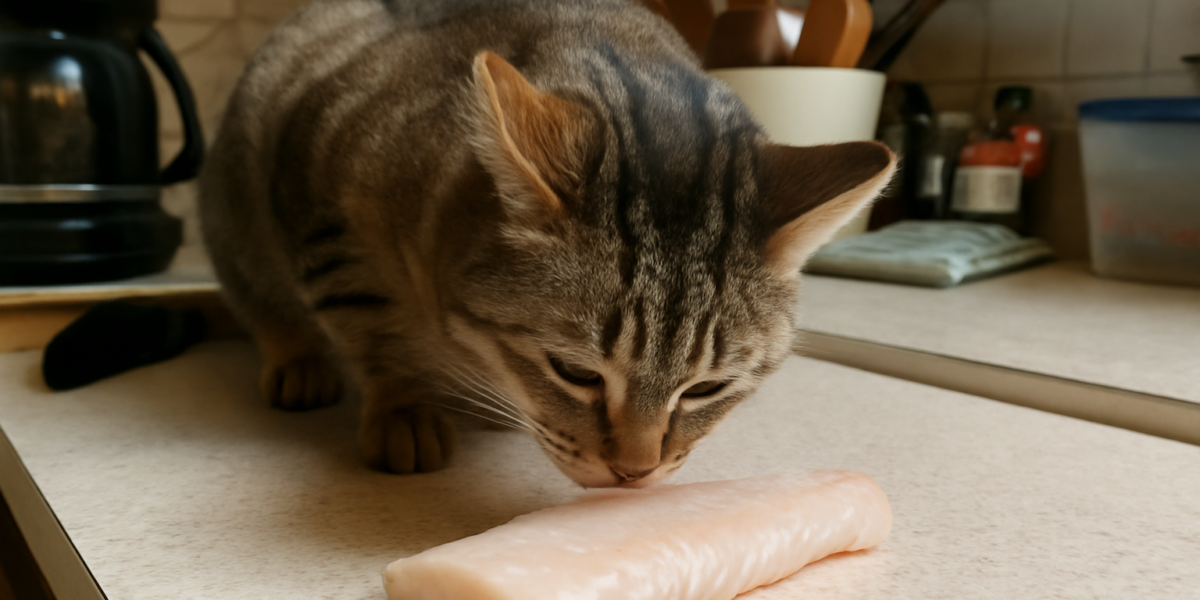
Cod is one of the most widely consumed white fish in the world, valued for its mild flavor, flaky texture, and versatility in the kitchen. From fish and chips to baked cod fillets and cod chowder, this popular fish graces dinner tables everywhere. If you prepare cod at home, your cat has almost certainly appeared at your side, drawn by the unmistakable scent of fish.
The excellent news is that cod is one of the best fish options you can share with your cat. As an obligate carnivore, your cat is biologically designed to thrive on animal protein, and lean white fish like cod fits beautifully into that framework. Cod offers high-quality protein with very low fat content, making it an ideal occasional treat for cats of all ages and sizes. Of course, proper preparation remains essential — let us cover everything you need to know.
Quick Answer: Can Cats Eat Cod?
Yes, cats can safely eat cooked, plain cod. It is one of the leanest, mildest fish available, making it gentle on the feline digestive system and suitable even for cats with sensitive stomachs. Many premium cat food brands feature cod as a primary protein source, which speaks to its recognized value in feline nutrition.
Cod must be thoroughly cooked and served plain — no batter, breading, butter, oil, salt, lemon, or seasonings. Raw cod carries the same bacterial and parasitic risks as any raw fish and should never be offered to cats. All bones must be carefully removed before serving.
One of cod’s advantages over some other fish species is its relatively low mercury content. As a shorter-lived fish lower on the food chain than species like tuna or swordfish, cod accumulates less mercury, making it a safer choice for more frequent consumption. A small portion of cooked cod once or twice a week is a healthy, enjoyable treat for most cats.
Nutritional Profile of Cod
Cod stands out among fish for its exceptional protein-to-fat ratio. A 3-ounce serving of cooked Atlantic cod contains approximately:
- Calories: About 70-90 calories, making it one of the leanest fish available.
- Protein: Approximately 15-20 grams of high-quality, complete animal protein.
- Fat: Only about 0.5-1 gram of total fat, extremely low for a protein source.
- Omega-3 fatty acids: Modest levels (about 100-200 milligrams), lower than fatty fish but still present.
- Vitamin B12: Excellent levels, supporting nervous system function and blood cell production.
- Vitamin B6: Good amounts supporting metabolism and immune function.
- Selenium: A strong source of this antioxidant mineral.
- Phosphorus: Present in significant amounts for bone health.
- Iodine: Cod is one of the richest dietary sources of iodine, supporting thyroid function.
- Niacin: Good amounts of this B vitamin supporting energy metabolism.
The protein in cod is highly bioavailable and provides all essential amino acids cats require, including taurine and arginine. The very low fat content makes cod particularly suitable for overweight cats or those with conditions requiring a low-fat diet. While cod has less omega-3 than fatty fish like salmon or trout, its lean profile is an advantage for cats that need to watch their caloric and fat intake.
Benefits and Risks of Cod for Cats
Benefits
- Exceptionally lean protein: With less than 1 gram of fat per serving, cod provides high-quality animal protein with minimal caloric impact. This makes it ideal for overweight cats or those prone to pancreatitis who need to limit fat intake.
- Low mercury content: Cod generally accumulates less mercury than larger, longer-lived fish species. This makes it one of the safer fish for more regular consumption by cats.
- Easy digestibility: The mild flavor and tender texture of cooked cod make it gentle on feline digestive systems. It is often well-tolerated even by cats with sensitive stomachs.
- Rich in B vitamins: The vitamin B12 and B6 content supports nervous system health, energy metabolism, and red blood cell formation — particularly beneficial for aging cats.
- Iodine for thyroid health: Cod is an excellent source of iodine, which supports thyroid function. This can be beneficial for cats, though cats with hyperthyroidism should have their iodine intake managed by a veterinarian.
- High palatability: Most cats find the mild, clean flavor of cod very appealing, making it useful for encouraging eating in picky cats or those recovering from illness.
Risks
- Bacterial contamination from raw fish: Raw cod can harbor Salmonella, Listeria, and parasites such as Anisakis (cod worm). Always cook cod thoroughly to eliminate these pathogens.
- Bone hazards: Cod has bones that can splinter and cause choking, oral injuries, or gastrointestinal damage. Careful deboning before serving is essential.
- Fish allergy: Fish is one of the more common food allergens in cats. Some cats may develop sensitivity to fish proteins, manifesting as skin irritation, ear infections, or digestive issues.
- Breading and seasoning dangers: Most popular cod preparations (fish and chips, breaded fish sticks, baked cod with herbs) include batter, breading, butter, salt, and seasonings that are unhealthy for cats. Only plain cooked cod is safe.
- Iodine sensitivity: Cats with hyperthyroidism may need to limit iodine intake. The high iodine content of cod could be counterproductive for cats on iodine-restricted diets. Consult your veterinarian if your cat has thyroid issues.
- Thiaminase in raw fish: Like other raw fish, raw cod contains thiaminase that destroys vitamin B1. Cooking eliminates this enzyme entirely.
How to Serve Cod Safely to Your Cat
Preparing cod for your cat is simple and straightforward. Choose fresh or properly thawed cod fillets from a reputable source. Both Atlantic and Pacific cod are suitable, with Pacific cod being slightly leaner.
Cook the cod by baking, steaming, poaching, or boiling without any oil, butter, salt, lemon, or seasonings. Baking at 400 degrees Fahrenheit for 10-15 minutes or until the internal temperature reaches 145 degrees Fahrenheit is an easy method. The fish should be completely opaque and flake easily with a fork.
After cooking, check carefully for bones. While cod fillets generally have fewer bones than whole fish, pin bones can still be present. Run your fingers along the flesh to feel for any remaining bones and remove them. Flake the fish into small, manageable pieces.
For an average adult cat, one to two tablespoons of flaked cod per serving is appropriate. Allow the fish to cool to room temperature before serving. Offer cod as a treat one to two times per week alongside your cat’s regular nutritionally complete food. Store any leftover cooked cod in the refrigerator and use within 24 hours.
Signs of Problems After Eating Cod
Properly prepared cod rarely causes issues, but be aware of these potential problems:
- Choking or gagging (possible bone — seek immediate vet care)
- Pawing at the mouth or drooling (may indicate bone lodged in mouth or throat)
- Vomiting or diarrhea
- Loss of appetite following consumption
- Itchy skin, excessive grooming, or ear scratching (possible fish allergy)
- Lethargy or unusual behavior
Any signs of choking or bone obstruction — difficulty swallowing, persistent gagging, drooling, or pawing at the mouth — require immediate veterinary attention. Do not attempt to remove a fish bone yourself.
If your cat consumed raw cod, watch for signs of foodborne illness over 24-72 hours: severe vomiting, bloody diarrhea, high fever, and dehydration. Also be aware of potential parasitic infection — Anisakis larvae in cod can cause abdominal pain and vomiting. Contact your vet if symptoms develop.
Healthy Alternatives to Cod
To provide variety in your cat’s treat rotation, consider these alternatives:
- Cooked halibut: Another lean white fish with slightly higher omega-3 content than cod. Prepare the same way — plain, boneless, and thoroughly cooked.
- Cooked chicken breast: The most universally safe and beloved cat treat. Lean, high-protein, and easy to prepare.
- Cooked trout: Higher in omega-3 fatty acids than cod, trout provides additional anti-inflammatory benefits while remaining relatively low in mercury.
- Sardines in water: Small fish packed in water (no salt added) offer very high omega-3 content with minimal mercury risk. The soft bones are also safe to consume.
- Cooked shrimp: Low-calorie, high-protein, and a favorite of most cats. Remove shell and vein before serving.
- Commercial fish-based cat food: For convenience and complete nutrition, high-quality cod or white fish flavored cat foods provide balanced meals.
Looking for a cat to spoil with delicious fish treats? Visit our adoption page at Walk Me Home Rescue to find your perfect feline companion.
Frequently Asked Questions
Can cats eat cod liver oil?
Cod liver oil is a concentrated supplement rich in vitamins A and D and omega-3 fatty acids. While small amounts can be beneficial for cats, it should only be given under veterinary guidance. Excessive vitamin A can cause toxicity in cats (hypervitaminosis A), leading to bone and joint problems. Your veterinarian can recommend the appropriate type and dose of fish oil supplement if needed.
Is cod better than tuna for cats?
In several respects, yes. Cod has significantly lower mercury levels than tuna, is less likely to cause the “tuna addiction” that some cats develop, and its lean profile makes it better for weight management. Tuna has higher omega-3 content, but the mercury concerns make it less suitable for frequent consumption. Cod is generally the safer choice for regular treat rotation.
Can cats eat fish sticks or fish fingers?
No, commercial fish sticks and fish fingers are not suitable for cats. They are coated in breading or batter containing flour, salt, and various seasonings, then fried in oil. The combination of refined carbohydrates, excess fat, and sodium makes them an unhealthy choice. If you want to give your cat cod, prepare it fresh and plain.
Can kittens eat cod?
Kittens over 12 weeks old can have a very small taste of thoroughly cooked, carefully deboned cod. Start with a tiny flake to test tolerance. However, kittens should primarily eat kitten-formulated food that provides the complete nutrition needed for growth. Cod can be an occasional supplementary treat but never a meal replacement for kittens.
How often can I give my cat cod?
One to two servings per week (one to two tablespoons per serving) is appropriate for most healthy adult cats. Cod’s low mercury content makes it one of the safer fish for more frequent consumption compared to tuna or swordfish. Rotate with other protein sources to ensure dietary variety and balanced nutrition.
Can cats eat salt cod or dried cod?
No, salt cod (bacalao) is extremely high in sodium due to the salt-curing preservation process. Even after soaking and rinsing, salt cod retains much more sodium than is appropriate for cats. Similarly, commercially dried cod often has added salt. Stick to fresh or plain frozen cod that you cook yourself without added salt.
Cod is one of the most cat-friendly fish options available — lean, mild, low in mercury, and packed with high-quality protein. It is a treat your obligate carnivore will genuinely benefit from when properly prepared. For more fish safety guides, explore our articles on catfish, halibut, and herring. If you are ready to welcome a cat into your home, visit our adoption page at Walk Me Home Rescue.


