
In this article
Can Cats Eat Trout? Safety Guide and Tips
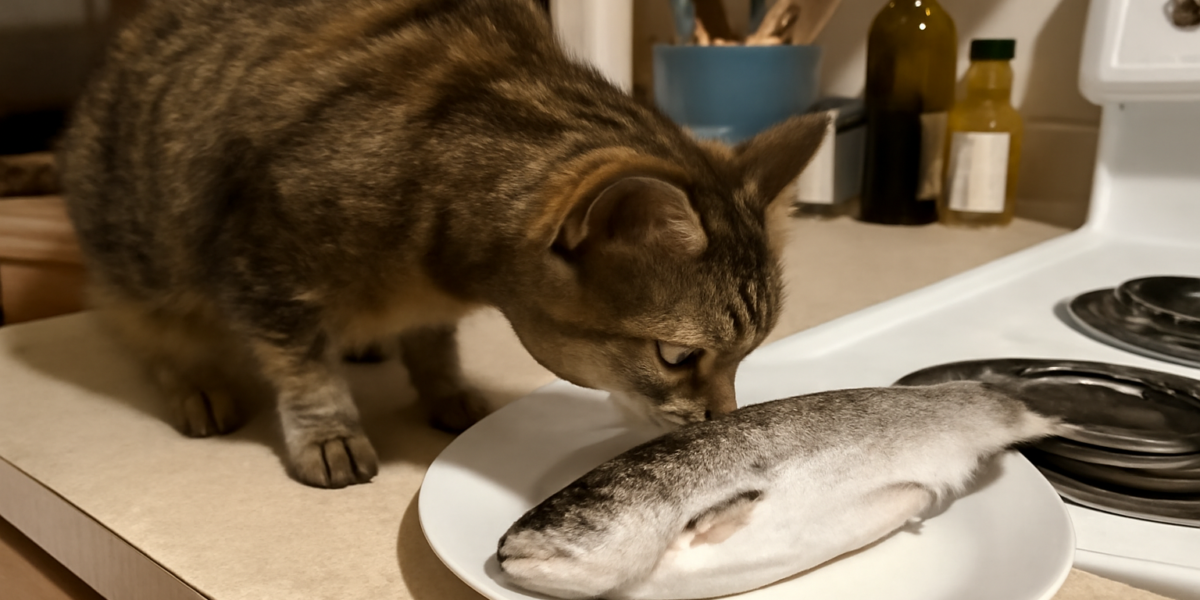
Trout is a popular freshwater fish prized for its delicate flavor and tender flesh. Whether you enjoy rainbow trout, brook trout, or brown trout, the rich, slightly nutty taste makes it a favorite among fish lovers. If you have ever grilled or baked trout at home, you know the scene — your cat appears at your feet, nose twitching, utterly captivated by the aroma of cooking fish.
The good news is that trout is an excellent food to share with your cat when prepared properly. As obligate carnivores, cats are biologically designed to thrive on animal protein, and fish like trout offers a nutrient profile that genuinely supports feline health. Trout is rich in high-quality protein, omega-3 fatty acids, and essential vitamins that align well with what cats need. The key lies in proper preparation — how you cook and serve the trout makes all the difference.
Quick Answer: Can Cats Eat Trout?
Yes, cats can safely eat cooked, plain trout. It is one of the more nutritious fish options for felines, providing lean protein, beneficial omega-3 fatty acids (EPA and DHA), and important vitamins and minerals. Many premium cat food brands include trout as a primary ingredient, which speaks to its recognized value in feline nutrition.
The non-negotiable requirements are thorough cooking and careful deboning. Raw trout can harbor bacteria such as Salmonella and Listeria, as well as parasites common in freshwater fish. Raw freshwater fish also contains thiaminase, an enzyme that destroys vitamin B1 (thiamine), which can lead to serious neurological problems with regular raw fish consumption. Cooking eliminates all of these risks.
Trout should be served plain — no butter, oil, lemon, salt, herbs, or sauces. All bones must be meticulously removed, as trout has numerous small pin bones that can cause choking or internal injury. As with all treats, trout should supplement rather than replace your cat’s regular complete diet, offered once or twice a week in appropriate portions.
Nutritional Profile of Trout
Trout offers an impressive nutritional profile for cats. A 3-ounce serving of cooked rainbow trout contains approximately:
- Calories: About 140-150 calories, moderate for a protein-rich food.
- Protein: Approximately 20-22 grams of complete animal protein with all essential amino acids.
- Fat: Roughly 6-7 grams of total fat, with a favorable fatty acid profile.
- Omega-3 fatty acids (EPA and DHA): About 800-1,000 milligrams, among the highest of commonly available fish.
- Vitamin D: An excellent source, supporting calcium absorption and bone health.
- Vitamin B12: Very high levels, essential for nervous system function and red blood cell production.
- Niacin (B3): Good amounts supporting energy metabolism.
- Selenium: A strong source of this antioxidant mineral, supporting immune function.
- Phosphorus: Present in significant amounts for bone health.
- Potassium: Moderate levels supporting heart and muscle function.
The omega-3 content of trout is one of its standout features for feline health. EPA and DHA are provided in their most bioavailable forms, meaning cats can directly utilize them without the conversion step required for plant-based omega-3 (ALA). These fatty acids support skin and coat health, reduce inflammation, and may benefit cats with joint problems, allergies, or inflammatory conditions.
Benefits and Risks of Trout for Cats
Benefits
- Outstanding omega-3 content: Trout has one of the highest omega-3 concentrations among commonly available fish. These fatty acids support anti-inflammatory processes, healthy skin and coat, brain function, and joint health.
- High-quality complete protein: The animal protein in trout provides all essential amino acids cats need, including taurine and arginine, in highly digestible form.
- Lower mercury than large fish: As a smaller, shorter-lived freshwater fish, trout generally accumulates less mercury than large ocean species like tuna or swordfish, making it a safer choice for regular consumption.
- Rich in B vitamins: The vitamin B12 and niacin content supports energy metabolism, nervous system health, and red blood cell formation — particularly beneficial for aging cats.
- Excellent palatability: Most cats find trout highly appealing due to its strong fish flavor and aroma, making it useful for encouraging eating in picky or convalescing cats.
- Selenium for immune health: The high selenium content provides antioxidant protection and supports thyroid and immune function.
Risks
- Thiaminase in raw fish: Raw trout contains thiaminase, which destroys vitamin B1. Chronic consumption of raw fish can cause thiamine deficiency, leading to neurological problems, loss of appetite, seizures, and potentially death. Cooking completely eliminates thiaminase.
- Bacterial and parasitic contamination: Raw freshwater fish like trout can harbor Salmonella, Listeria, and various parasites. Always cook thoroughly to an internal temperature of 145 degrees Fahrenheit.
- Bone hazards: Trout has numerous small, thin pin bones that can be difficult to detect. These can cause choking, oral injuries, or gastrointestinal perforation if swallowed. Meticulous deboning is essential.
- Fish allergy potential: Fish is one of the more common food allergens in cats. Some cats may develop sensitivity to fish proteins over time, manifesting as skin irritation, ear infections, or digestive upset.
- Environmental contaminants: Depending on the water source, trout may contain varying levels of environmental pollutants. Farm-raised trout from regulated facilities generally has controlled contaminant levels.
- Seasoning and cooking method risks: Trout prepared with butter, oil, lemon, garlic, herbs, or pan-fried coatings introduces ingredients that are unhealthy or toxic for cats.
How to Serve Trout Safely to Your Cat
Preparing trout for your cat is straightforward but requires attention to detail. Choose fresh or properly thawed trout from a reputable source. Both farm-raised and wild-caught trout are acceptable, though farm-raised trout from regulated sources typically has more consistent quality and lower parasite risk.
Bake, steam, poach, or boil the trout without any oil, butter, salt, lemon, or seasoning. Baking at 375 degrees Fahrenheit for 15-20 minutes or until the internal temperature reaches 145 degrees and the flesh flakes easily is a reliable method. The flesh should be completely opaque throughout.
Deboning is the most critical step. Trout has a line of pin bones running along the center of the fillet. After cooking, use your fingers or tweezers to carefully remove every bone. It can be helpful to gently flake the fish apart section by section, feeling for bones as you go. Even experienced cooks should take extra care, as small bones are easy to miss.
Flake the deboned fish into small, manageable pieces. For an average adult cat, one to two tablespoons of flaked trout per serving is appropriate. Allow the fish to cool to room temperature before serving. Offer trout as a treat one to two times per week, alongside your cat’s regular nutritionally complete food.
Signs of Problems After Eating Trout
While properly prepared trout is safe for most cats, watch for these potential issues:
- Choking, gagging, or difficulty swallowing (possible bone obstruction — seek immediate vet care)
- Drooling or pawing at the mouth (may indicate a bone stuck in the mouth or throat)
- Vomiting or diarrhea
- Loss of appetite following consumption
- Itchy skin, excessive grooming, or ear inflammation (potential fish allergy)
- Lethargy or unusual behavior
Bone-related symptoms require urgent veterinary attention. If your cat appears to be choking, having difficulty swallowing, or shows persistent drooling and mouth discomfort after eating trout, a bone may be lodged in their mouth, throat, or digestive tract. Do not attempt to remove it yourself — contact your veterinarian or emergency animal hospital immediately.
If your cat consumed raw trout, monitor closely for signs of foodborne illness over 24-72 hours, including fever, severe vomiting, bloody diarrhea, and dehydration. These symptoms warrant prompt veterinary care.
Healthy Alternatives to Trout
To provide variety alongside trout, consider these excellent protein options for your cat:
- Cooked salmon: Another omega-3-rich fish with excellent protein content. Choose wild-caught when possible and prepare plain.
- Cooked cod: A very lean white fish with mild flavor and lower mercury content, excellent for cats who enjoy fish.
- Cooked chicken breast: The most universally safe and loved cat treat — lean protein with easy preparation.
- Sardines in water: Tiny fish with very low mercury, high omega-3s, and soft edible bones. Choose no-salt-added varieties packed in water.
- Cooked shrimp: Low-calorie, high-protein seafood that most cats find irresistible.
- Commercial fish-based cat food: High-quality fish-flavored cat foods provide balanced nutrition with the fish taste cats love.
Looking for a fishing buddy to share your catch with? Visit our adoption page at Walk Me Home Rescue to find cats waiting for loving homes.
Frequently Asked Questions
Can cats eat raw trout?
No, raw trout should never be given to cats. Raw freshwater fish carries significant risks of bacterial contamination (Salmonella, Listeria), parasitic infections, and contains thiaminase — an enzyme that destroys vitamin B1. Chronic raw fish consumption can cause thiamine deficiency, leading to serious neurological problems. Always cook trout thoroughly before serving it to your cat.
Can cats eat smoked trout?
Smoked trout is not recommended for cats due to its very high sodium content from the salt-curing process. The smoking and curing also introduce nitrates and other preservatives that are unnecessary and potentially harmful for cats. Stick to plain, freshly cooked trout for the safest option.
How do I remove pin bones from trout for my cat?
After cooking the trout, gently run your fingers along the center line of the fillet to feel for the row of pin bones. Using clean tweezers or your fingers, pull each bone out in the direction it naturally points. Flaking the fish apart after cooking makes bones easier to find and remove. Take your time — even a single remaining bone could cause problems for your cat.
Is trout better than tuna for cats?
In several ways, yes. Trout generally contains less mercury than tuna (especially albacore), has higher omega-3 levels relative to its size, and is less likely to accumulate environmental toxins. Tuna also has a reputation for being somewhat addictive to cats, leading some to refuse other foods. Trout is a more balanced, lower-risk fish choice for regular offering.
How often can I give my cat trout?
One to two servings per week (one to two tablespoons per serving) is appropriate for most healthy adult cats. This frequency provides omega-3 and protein benefits while limiting any potential contaminant exposure and ensuring trout does not displace nutritionally complete cat food. Vary with other protein sources throughout the week.
Can kittens eat trout?
Kittens over 12 weeks old can have a very small taste of thoroughly cooked, carefully deboned trout. Start with just a tiny flake. However, kittens should primarily eat kitten-specific food formulated for their high growth demands. Trout can be an occasional supplementary treat but should not replace kitten food. Consult your veterinarian before introducing new foods to kittens.
Trout is one of the best fish options you can share with your cat — nutritious, flavorful, and well-suited to feline dietary needs when properly prepared. For more fish safety guides, check out our articles on catfish, halibut, and herring. If you are ready to welcome a cat into your home, visit our adoption page at Walk Me Home Rescue.


