
Last updated: April 8, 2026
In this article
Can Cats Eat Halibut? Safety Guide and Tips
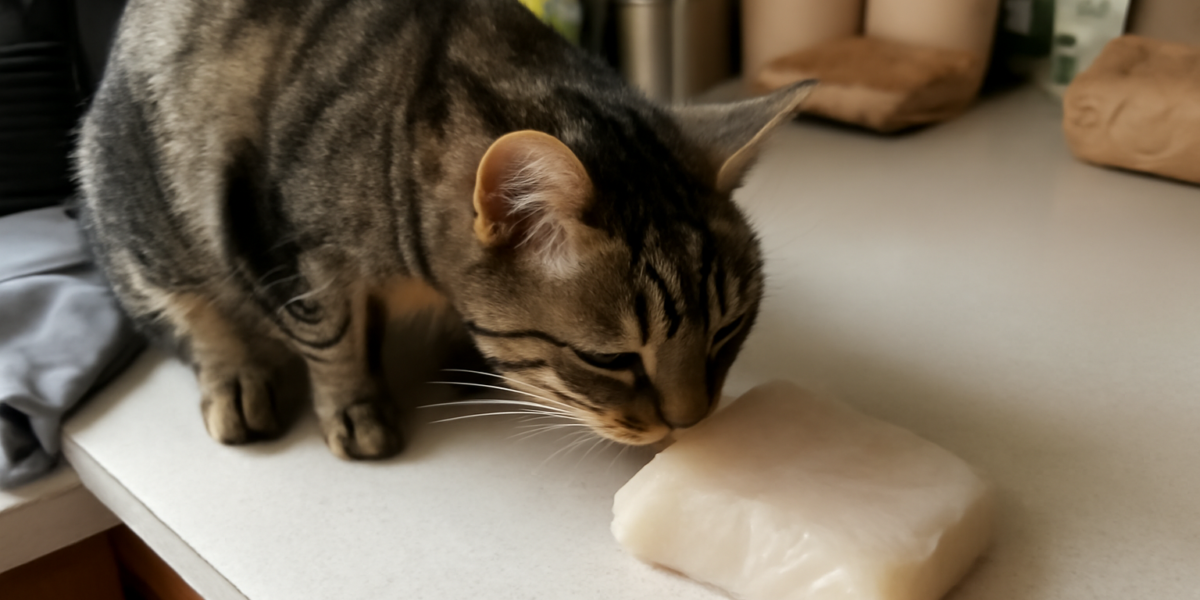
Halibut is a prized flatfish known for its mild, sweet flavor and firm, flaky white flesh. It is one of the most popular fish in fine dining and home cooking alike. If you have prepared halibut at home, you have almost certainly experienced the intense interest of your cat, drawn by the unmistakable aroma of fresh fish cooking in the kitchen.
As obligate carnivores with an evolutionary history that includes fish consumption, cats are naturally drawn to seafood. The good news is that halibut is one of the safer fish options you can share with your feline companion. When properly prepared, it offers excellent nutritional value that aligns well with a cat’s dietary needs. However, preparation method and portion size matter significantly, and there are important guidelines to follow.
Quick Answer: Can Cats Eat Halibut?
Yes, cats can safely eat cooked, plain halibut. It is an excellent source of lean animal protein that aligns well with a cat’s carnivorous dietary requirements. Halibut provides high-quality protein, omega-3 fatty acids, and several important vitamins and minerals that can genuinely benefit feline health when offered as an occasional treat.
The essential requirements are thorough cooking and plain preparation. Halibut must be cooked to an internal temperature of at least 145 degrees Fahrenheit to eliminate bacteria and parasites. It should be served without any butter, oil, salt, seasoning, or sauces. All bones must be carefully removed, as fish bones can cause choking or internal injuries.
While halibut is nutritious, it should remain a treat rather than a dietary staple. Fish-only diets can lead to nutritional imbalances, and halibut — as a larger predatory fish — may contain trace amounts of mercury and other environmental contaminants. A small portion of cooked halibut once or twice a week, alongside a complete and balanced cat food, is a healthy and enjoyable approach.
Nutritional Profile of Halibut
Halibut is one of the leaner white fish options, offering impressive protein content with relatively modest fat levels. A typical 3-ounce serving of cooked halibut contains:
- Calories: Approximately 95-110 calories, making it a lean protein source.
- Protein: About 19-22 grams of high-quality, complete animal protein with all essential amino acids.
- Fat: Roughly 2-3 grams of total fat, including beneficial omega-3 fatty acids.
- Omega-3 fatty acids: Approximately 400-500 milligrams, including EPA and DHA in bioavailable forms.
- Vitamin D: A significant source, supporting calcium absorption and bone health.
- Vitamin B12: Excellent levels, essential for nervous system function and red blood cell formation.
- Vitamin B6 (niacin): Good amounts supporting energy metabolism.
- Selenium: High levels of this antioxidant mineral supporting immune function and thyroid health.
- Magnesium: Moderate amounts supporting muscle and nerve function.
- Phosphorus: Present in significant amounts, important for bone and dental health.
The protein profile of halibut is particularly well-suited for cats. It provides complete animal protein with all the essential amino acids felines need, including adequate levels of taurine and arginine. The omega-3 fatty acids EPA and DHA are in their most bioavailable forms — unlike plant-based omega-3 (ALA), these do not require conversion and can be directly utilized by cats for anti-inflammatory and overall health benefits.
Benefits and Risks of Halibut for Cats
Benefits
- Excellent lean protein: Halibut is one of the highest-protein, lowest-fat fish options available. The animal protein is highly digestible and provides the amino acid profile cats need for muscle maintenance, immune function, and tissue repair.
- Bioavailable omega-3 fatty acids: The EPA and DHA in halibut support healthy skin and coat, reduce inflammation, and may benefit cats with joint issues, allergies, or inflammatory conditions.
- Rich in B vitamins: The vitamin B12 and niacin content supports nervous system health, energy metabolism, and red blood cell production — particularly beneficial for senior cats.
- Selenium for immune support: Halibut is one of the richest dietary sources of selenium, an antioxidant mineral that supports immune function and may help protect cells from oxidative damage.
- Low in carbohydrates: With virtually zero carbohydrate content, halibut is perfectly compatible with a cat’s limited ability to process carbs.
- High palatability: The mild, slightly sweet flavor of halibut is very appealing to most cats, making it an excellent treat for picky eaters or cats recovering from illness who need nutritional encouragement.
Risks
- Mercury content: As a larger, longer-lived fish, halibut can accumulate higher levels of mercury than smaller fish species. While occasional consumption is safe, regular or heavy feeding could lead to mercury buildup over time. Varying the types of fish you offer helps mitigate this risk.
- Bone hazards: Halibut bones, while less numerous than in many fish species, can still splinter and cause choking, mouth injuries, or gastrointestinal perforation. Careful deboning is essential.
- Raw fish dangers: Raw halibut can harbor bacteria (Salmonella, Listeria) and parasites that can cause serious illness. Always cook halibut thoroughly before serving to your cat.
- Seasoning and preparation toxicity: Halibut prepared with garlic, onion, butter, lemon, herbs, or sauces is not safe for cats. Many popular halibut recipes include ingredients that are toxic or harmful to felines.
- Fish allergy: Some cats develop allergies to fish proteins. Fish is one of the more common food allergens in cats, with symptoms including skin irritation, ear infections, and digestive upset.
- Nutritional imbalance from over-reliance: Feeding too much fish at the expense of a complete cat food can lead to deficiencies. Fish alone does not provide all the nutrients cats need in the right proportions.
How to Serve Halibut Safely to Your Cat
Proper preparation ensures halibut is both safe and enjoyable for your cat. Start with fresh or properly thawed halibut from a reputable source. Check for freshness — the flesh should be firm, translucent, and free of any strong fishy odor.
Cook the halibut by baking, steaming, poaching, or boiling without any added oil, butter, salt, lemon, or seasonings. Baking at 375 degrees Fahrenheit for about 15-20 minutes or until the internal temperature reaches 145 degrees Fahrenheit is a straightforward method. The flesh should be opaque and flake easily with a fork when done.
After cooking, carefully check for and remove all bones. Run your fingers along the flesh to detect any pin bones, and remove them with tweezers or by hand. Flake the fish into small, manageable pieces appropriate for your cat’s size.
For an average adult cat, one to two tablespoons of flaked halibut is an appropriate serving. Allow the fish to cool to room temperature before serving. Offer halibut as a treat no more than once or twice per week, and vary it with other protein sources to minimize mercury exposure and ensure dietary variety.
Signs of Problems After Eating Halibut
Properly prepared halibut rarely causes problems, but be alert to these potential issues:
- Vomiting or dry heaving, especially within a few hours
- Diarrhea or changes in stool consistency
- Drooling or pawing at the mouth (possible bone issue)
- Choking, gagging, or difficulty swallowing
- Loss of appetite
- Itchy skin, excessive grooming, or ear scratching (possible allergy)
- Lethargy or withdrawal from normal activities
If your cat shows signs of a bone obstruction — difficulty swallowing, retching, drooling, or pawing at the mouth — seek immediate veterinary care. Do not attempt to remove a fish bone from your cat’s throat yourself.
For cats that consumed raw halibut, monitor for signs of foodborne illness over the next 24-72 hours: severe vomiting, bloody diarrhea, high fever, and dehydration. Seek veterinary attention promptly if these symptoms appear. For mild digestive upset from cooked halibut, symptoms typically resolve within 24 hours.
Healthy Alternatives to Halibut
If halibut is not available or you want to rotate protein sources, consider these excellent options:
- Cod: A mild white fish with very low fat content and lower mercury levels than halibut. It provides excellent protein in a form most cats enjoy.
- Cooked chicken breast: The most universally safe and loved cat treat — lean, high in protein, and easy to prepare plain.
- Sardines in water: Small fish with very low mercury levels and high omega-3 content. Canned sardines packed in water (no salt added) are convenient and nutritious.
- Cooked shrimp: Low-calorie, high-protein, and very appealing to cats. Remove shell and vein before serving.
- Trout: Another fish option with good omega-3 content and generally lower mercury than larger species.
- Commercial fish-based cat food: High-quality fish-flavored or fish-based cat foods provide the fish taste cats love with complete nutrition and safe preparation already handled.
Looking for a cat to share your seafood dinners with? Visit our adoption page at Walk Me Home Rescue to find your perfect feline dining companion.
Frequently Asked Questions
Can cats eat raw halibut or halibut sashimi?
No, raw halibut should not be given to cats. While some argue that wild cats eat raw fish, domestic cats’ immune systems are not adapted to handle the bacteria and parasites commonly found in raw commercial fish. Salmonella, Listeria, and various parasites can cause serious illness. Additionally, raw fish contains thiaminase, which destroys vitamin B1. Always cook halibut thoroughly before serving.
Is halibut better than tuna for cats?
In terms of mercury content, halibut generally contains less mercury than tuna, particularly compared to albacore tuna. Halibut is also leaner. Both are nutritious when properly prepared, but halibut may be the safer choice for more frequent consumption. The best approach is to vary fish types rather than relying on any single species.
How often can I give my cat halibut?
One to two servings per week (one to two tablespoons per serving) is a reasonable frequency for halibut. This provides nutritional benefits while limiting mercury exposure and ensuring halibut does not displace your cat’s regular, nutritionally complete food. Rotate with other protein sources throughout the week for the best dietary balance.
Can kittens eat halibut?
Kittens over 12 weeks old can try a very small amount of cooked, boneless halibut. Start with just a tiny flake to test tolerance. Kittens have specific nutritional needs for growth that must primarily be met through kitten-formulated food. Halibut should be an occasional supplementary treat, not a regular part of a kitten’s diet.
Can cats eat halibut skin?
It is best to remove halibut skin before serving to your cat. The skin can be tough and chewy, posing a potential choking risk. It also tends to accumulate more fat and environmental contaminants than the flesh. The meat alone provides all the nutritional benefits your cat needs from halibut.
What about smoked halibut?
Smoked halibut is not recommended for cats. The smoking process involves significant salt curing, which makes smoked fish extremely high in sodium — far exceeding safe levels for cats. Smoked fish may also contain nitrates and other preservatives. Stick to plain, freshly cooked halibut for your cat.
Halibut is an excellent occasional treat for cats, offering lean protein and valuable omega-3 fatty acids in a form your feline friend will likely love. For more fish-related safety guides, explore our articles on catfish, trout, and herring. And if you are looking to add a seafood-loving cat to your family, visit our adoption page at Walk Me Home Rescue.


