
The Short Answer: Usually No, With Limited Exceptions
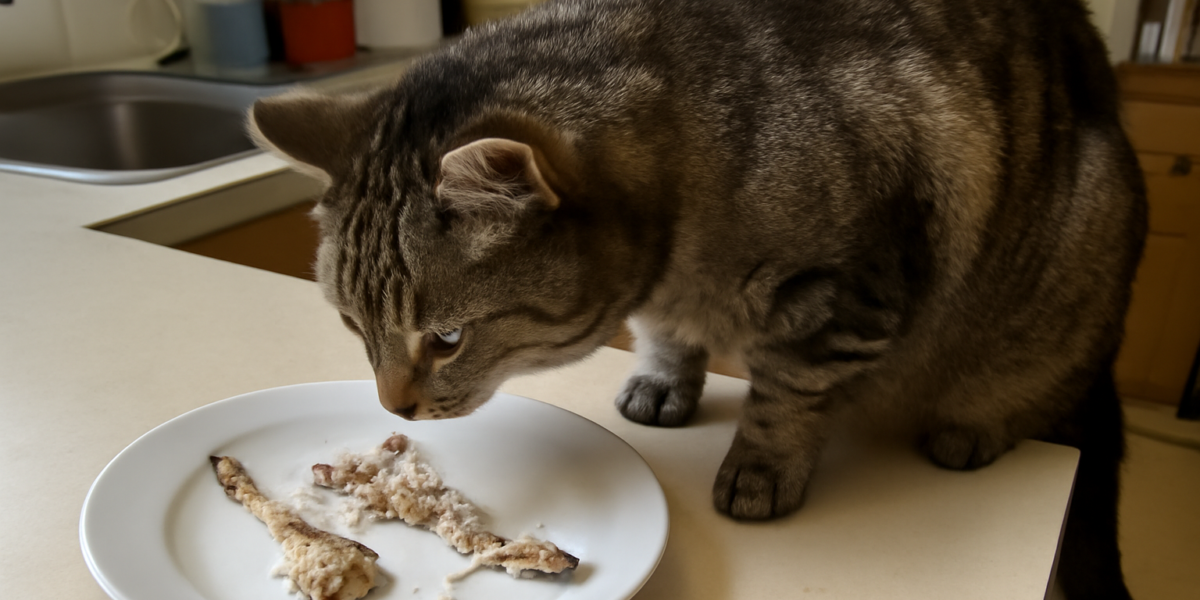
Can cats eat fish bones? In most cases, no. The popular image of a cat happily eating a whole fish including bones does not match real-world risk. Cooked fish bones become brittle and can splinter in the mouth or throat. Small fish bones, even raw, can lodge in soft tissues and cause injuries that are painful and sometimes dangerous. The only fish bones that are generally considered safe for cats are the very soft, fully softened bones found in certain canned fish products, where processing has broken them down enough to be harmless.
In this article
- The Short Answer: Usually No, With Limited Exceptions
- Why Cooked Fish Bones Are Dangerous
- Raw Fish Bones: Less Brittle, Still Risky
- The Exception: Canned Fish With Soft Bones
- Safe Preparation of Fresh Fish for Cats
- Signs Your Cat Has a Fish Bone Problem
- What to Do If Your Cat Ate a Fish Bone
- Preventing Fish Bone Accidents
- Frequently Asked Questions
Despite the cartoon reputation, most cats do not benefit from whole fish bones, and many will struggle with them. If you want to share fish with your cat, the safest approach is to debone carefully or use processed fish products where the bones have already been softened.
Why Cooked Fish Bones Are Dangerous
Cooking dries out the collagen in bones and leaves them brittle. A cooked fish bone — even a small one — can:
- Splinter when bitten, creating sharp fragments
- Lodge between teeth, in the gums, or in the roof of the mouth
- Get stuck in the soft tissue of the tongue or throat
- Puncture the esophagus on the way down
- Cause stomach or intestinal injury
- Create painful constipation on the way out
Cats have small mouths and sensitive oral tissues. A fish bone that a human might swallow without issue can cause significant discomfort for a cat. The fine rib bones of fish like salmon, trout, and cod are particularly prone to sticking in soft tissue and are often what sends cats to emergency clinics after accidental ingestion.
Raw Fish Bones: Less Brittle, Still Risky
Raw fish bones are slightly more flexible than cooked bones because they retain their moisture and collagen structure. Some raw feeding protocols include small whole fish for cats, relying on the combination of tearing, chewing, and stomach acid to break down the bones. Under the right conditions, this can work.
However, raw fish carries its own concerns:
- Parasites — raw fish can contain tapeworms and other parasites
- Bacterial contamination — Salmonella, Listeria, and Vibrio are possible
- Thiaminase — an enzyme in raw fish that destroys thiamine (vitamin B1), potentially causing neurological deficiency if fed in large amounts
- Mercury and contaminants — concentrated in certain species
- Choking risk — even raw bones can be swallowed whole and lodge in the throat
Raw feeding of whole fish is not something to try casually. If you are interested, work with a veterinarian who has experience in raw feline nutrition and knows how to balance the diet and minimize risks.
The Exception: Canned Fish With Soft Bones
Canned sardines, salmon, and mackerel often include the bones in the finished product, and those bones are fully softened by the high-pressure canning process. Cats can safely eat canned sardines and similar products with the bones still in them, provided the fish is packed in water with no added salt or flavorings.
Rules for safely offering canned fish with bones:
- Choose canned fish packed in water, not oil or sauce
- Look for “no salt added” varieties
- Avoid flavored versions (mustard sauce, tomato sauce, hot sauce, lemon pepper)
- Check that the bones are fully softened — they should crumble easily between your fingers
- Offer small portions as an occasional treat
- Rinse briefly if the fish was packed with any added sodium
A small spoonful of plain canned sardines or salmon makes a reasonable occasional treat for most cats. The softened bones actually provide a bit of calcium alongside the omega-3 and protein.
Safe Preparation of Fresh Fish for Cats
If you are cooking fresh fish and want to share with your cat, the deboning step is not optional. How to prepare cat-safe fresh fish:
- Choose low-mercury fish like salmon, trout, or whitefish
- Cook thoroughly — baked or poached is best, no seasoning or oil
- Let the fish cool enough to handle
- Flake the flesh carefully with a fork, checking every piece for bones
- Use your fingers to feel for any small bones you missed
- Offer small pieces as a treat once you are confident no bones remain
- Dispose of skin, bones, and trimmings in a sealed container out of reach
Never assume a piece of fish is bone-free without checking. Salmon and trout in particular have small pin bones that are easy to miss. If you are not confident in your deboning, skip the treat or use pet-formulated fish products instead.
Signs Your Cat Has a Fish Bone Problem
If a fish bone has lodged or caused injury, symptoms usually appear quickly and are hard to miss:
- Pawing at the mouth
- Drooling or foaming
- Gagging or retching without producing anything
- Sudden refusal to eat
- Difficulty swallowing
- Blood in the mouth or saliva
- Coughing
- Head shaking or distressed vocalization
- Lethargy and hiding
- Visible bone fragment in the mouth or throat
Some of these signs suggest an oral or throat lodgment, which is usually obvious within minutes to hours of eating. Delayed symptoms like vomiting, abdominal pain, or constipation can indicate a fragment that made it to the stomach or intestines and is causing problems further down the line.
What to Do If Your Cat Ate a Fish Bone
React immediately. Every minute matters if a bone is causing a throat obstruction. Steps to take:
- Check your cat’s mouth and throat if they will allow it. Look for visible bone fragments, blood, or swelling.
- Do not try to remove a deeply lodged bone yourself. Pulling can cause more damage.
- Note what kind of fish and whether the bone was cooked, raw, or from canned food.
- Call your veterinarian or an emergency animal hospital immediately. Describe what happened and follow their advice.
- If your cat is choking or having trouble breathing, drive directly to an emergency clinic — do not stop to make more calls.
- Do not induce vomiting. This is never safe in cats, and a sharp bone coming back up is worse than one that has already passed.
- Do not feed bread, rice, or other bulking foods unless your vet specifically tells you to.
At the clinic, your vet may use imaging to locate the bone and may attempt endoscopic removal if the bone is in the esophagus or stomach. Surgical removal is occasionally necessary for bones stuck deeper in the digestive tract.
Preventing Fish Bone Accidents
Prevention is much easier than treatment. Practical steps:
- Dispose of fish bones in a sealed trash container the cat cannot reach
- Clear the kitchen counter immediately after preparing fish
- Do not leave fish-frame skeletons in the sink or on cutting boards
- Be cautious at outdoor meals, picnics, and barbecues where cats may scavenge
- Debone fresh fish carefully before offering any to your cat
- Use pet-formulated fish treats when possible
- Keep canned fish in sealed cans until you are ready to serve
For more cat feeding content, see our guides on salmon skin preparation, cooked bones in general, and chicken bone risks. The cat care blog covers feline dental and feeding topics, and the cat adoption hub is a starting point for new cat owners.
Frequently Asked Questions
Are sardine bones safe for cats?
Yes, the bones in canned sardines are fully softened by the canning process and are safe for cats in small portions. Choose sardines packed in water with no added salt or flavorings.
My cat ate a cooked fish bone and seems fine. Do I need to call the vet?
Yes, call your vet. Problems can develop hours or days later as a bone moves through the GI tract. A phone conversation gives you a monitoring plan.
Can cats eat raw fish with bones in?
Some raw feeders include small raw fish in cat diets, but this should only be done with veterinary guidance because of bacterial, parasite, and thiaminase risks. Do not try it casually.
What about fish heads?
Raw fish heads are part of some raw feeding protocols but are generally not recommended for casual feeding because of skull bones and potential parasite load. Stick to prepared commercial options.
How quickly can a fish bone cause an emergency?
Throat lodgment can happen immediately — within minutes of swallowing. Stomach or intestinal problems may take hours to days to become obvious. Quick action at any stage improves outcomes.


