
Last updated: April 9, 2026
In this article
Can Cats Eat Mustard? Safety Guide and Tips
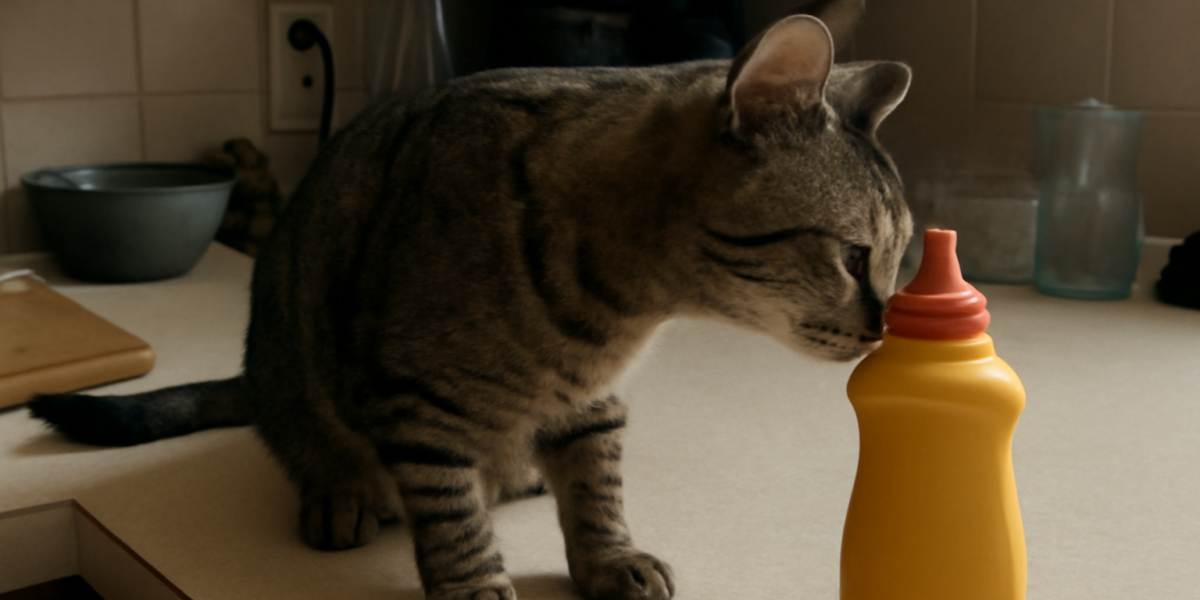
Mustard is one of the world’s most popular condiments, found on hot dogs, sandwiches, salad dressings, and in countless recipes. Available in varieties from mild yellow to fiery Dijon and whole grain, mustard adds zesty flavor to human meals. If your cat has shown curiosity about a mustard-smeared plate or a squeeze bottle left on the counter, knowing whether this condiment is safe is important.
The answer is clear: mustard is not safe for cats and should be kept away from them. While a tiny accidental lick is not likely to constitute a life-threatening emergency, mustard contains compounds that are genuinely toxic to felines. The mustard seeds that form the base of all mustard products contain isothiocyanates — irritant compounds that can cause significant gastrointestinal distress in cats. Understanding why mustard is problematic will help you protect your feline companion.
Quick Answer: Can Cats Eat Mustard?
No, cats should not eat mustard in any form. Mustard seeds contain isothiocyanates, which are toxic compounds that cause irritation and inflammation of the gastrointestinal tract in cats. These compounds are what give mustard its characteristic pungent, sharp flavor — and they are harmful to feline digestive systems.
This applies to all forms of mustard: yellow mustard, Dijon mustard, whole grain mustard, honey mustard, spicy brown mustard, and mustard powder. Prepared mustard also contains additional ingredients like vinegar, salt, turmeric, and various spices that compound the problem. Honey mustard adds sugar to the mix, while some varieties contain garlic or onion powder — both of which are toxic to cats.
If your cat licked a small amount of mustard, monitor them for signs of gastrointestinal upset but do not panic. A tiny taste is unlikely to cause serious toxicity. However, if your cat consumed a significant amount — for example, licking up a spilled pool of mustard or eating a mustard-coated food item — contact your veterinarian for guidance, particularly if symptoms develop.
Nutritional Profile of Mustard
The nutritional content of mustard is largely irrelevant for cats since it should not be consumed, but understanding its composition helps explain why it is harmful:
- Isothiocyanates: The primary toxic concern. These sulfur-containing compounds are released when mustard seeds are crushed and mixed with liquid. They cause irritation to mucous membranes and the gastrointestinal lining.
- Calories: Very low, about 3-5 calories per teaspoon of prepared mustard.
- Sodium: About 55-120 milligrams per teaspoon, depending on the variety — relatively high for a cat’s small daily requirement.
- Vinegar (acetic acid): A primary ingredient that adds acidity and can irritate the stomach lining.
- Turmeric: Often used as a coloring agent in yellow mustard. Turmeric itself is not toxic to cats in small amounts but provides no benefit either.
- Garlic or onion powder: Present in some mustard varieties and toxic to cats, causing red blood cell damage.
- Sugar: Present in honey mustard and some commercial varieties, unnecessary and potentially harmful for cats.
- Spices: Various spices may be included depending on the variety, many of which can irritate a cat’s sensitive digestive system.
The isothiocyanates in mustard seeds are the same class of compounds found in horseradish, wasabi, and radish. These compounds evolved as a plant defense mechanism against herbivores — they are designed to be irritating to discourage consumption. Cats, with their sensitive digestive systems and small body mass, are particularly susceptible to these irritant effects.
Benefits and Risks of Mustard for Cats
Benefits
- No meaningful benefits: There are no safe or beneficial aspects of feeding mustard to cats. The compound profile is harmful, and the condiment provides nothing a cat needs nutritionally.
- Strong deterrent smell: Most cats are repelled by the pungent smell of mustard, which often prevents them from voluntarily consuming it. This natural aversion is protective.
- Low calorie (irrelevant): While mustard is low in calories, this is irrelevant since it should not be consumed by cats at all.
- Awareness value: Knowing mustard is harmful helps cat owners be more careful about condiment storage and plate management.
Risks
- Isothiocyanate toxicity: The primary risk. These compounds cause direct irritation and inflammation of the mouth, throat, stomach, and intestinal lining. Symptoms include vomiting, diarrhea, abdominal pain, and drooling.
- Gastroenteritis: Mustard can cause significant inflammation of the stomach and intestinal lining, leading to painful gastroenteritis that may require veterinary treatment.
- Garlic and onion toxicity: Many mustard varieties contain garlic or onion powder, which are toxic to cats and can cause hemolytic anemia (destruction of red blood cells).
- Vinegar irritation: The acetic acid in vinegar is an additional irritant to the feline digestive system, compounding the effects of the isothiocyanates.
- Excessive sodium: The salt content in prepared mustard adds an additional health concern, particularly for cats with kidney or heart conditions.
- Oral irritation: The pungent compounds in mustard can cause irritation and burning sensation in a cat’s mouth, tongue, and throat.
How to Serve Mustard Safely to Your Cat
Mustard should never be served to cats. There is no safe way to prepare or portion mustard for feline consumption. Instead, focus on keeping mustard products away from your cat.
Store mustard jars and squeeze bottles in the refrigerator or a closed cabinet. Clean up mustard spills immediately and thoroughly. When eating foods with mustard, do not leave plates unattended where your cat could access them. Be particularly careful with mustard-based marinades, dressings, and sauces, as larger quantities may be involved.
Be aware of hidden mustard in prepared foods. Many dressings, marinades, sauces, and dips contain mustard as an ingredient. Check labels if you are uncertain, and assume any savory condiment or sauce may contain mustard unless confirmed otherwise.
If you are grilling or preparing foods with mustard rubs or glazes, keep your cat away from the preparation area. Mustard marinades left in bowls or on cutting boards are an easy target for curious cats attracted to the meat scent underneath.
Signs of Problems After Eating Mustard
If your cat consumed mustard, watch for these symptoms, which may appear within minutes to hours:
- Drooling or excessive salivation (from oral irritation)
- Pawing at the mouth
- Vomiting, possibly repeated
- Diarrhea
- Abdominal pain (hunching, crying, reluctance to be touched)
- Loss of appetite
- Lethargy or depression
- Redness or irritation around the mouth
If the mustard contained garlic or onion powder, watch for additional delayed symptoms over the next 1-5 days: pale gums, rapid breathing, weakness, and dark-colored urine — signs of red blood cell damage that require urgent veterinary attention.
For a small accidental lick of mustard, mild symptoms (brief drooling, one episode of vomiting) are the likely worst case and should resolve within a few hours. Offer fresh water to help flush the irritant. For larger ingestions or persistent symptoms, contact your veterinarian. If garlic or onion-containing mustard was consumed, contact your vet regardless of the amount.
Healthy Alternatives to Mustard
If your cat is attracted to the foods you put mustard on, offer them safe versions of the underlying food instead:
- Plain cooked meat: If your cat wanted the hot dog or chicken underneath the mustard, offer a tiny piece of plain, unseasoned cooked meat instead.
- Cooked fish: Plain baked or steamed fish provides protein and flavor cats naturally love without any harmful condiments.
- Low-sodium bone broth: For a flavor-rich liquid treat, homemade bone broth (no onion, garlic, or salt) can satisfy a cat’s desire for savory flavors.
- Commercial cat treats: Purpose-made treats provide appropriate flavors and nutrition in safe, controlled portions.
- Cooked egg: Plain scrambled or hard-boiled egg offers protein and a mild, appealing flavor without any irritant compounds.
- Nutritional yeast: A sprinkle provides a savory, umami flavor many cats enjoy, with B vitamins and no harmful ingredients.
Searching for a feline companion to enjoy meals with? Visit our adoption page at Walk Me Home Rescue to find your perfect match.
Frequently Asked Questions
What should I do if my cat licked mustard?
If your cat licked a tiny amount of mustard, do not panic. Offer fresh water immediately to help dilute the irritant. Monitor for vomiting, diarrhea, or excessive drooling over the next few hours. A small lick will likely cause nothing more than brief oral irritation and possibly a single vomiting episode. If symptoms are severe or persistent, contact your veterinarian.
Is yellow mustard less dangerous than Dijon for cats?
Yellow mustard is generally milder than Dijon, containing less concentrated mustard seed and more turmeric for color. However, both contain isothiocyanates and are harmful to cats. Dijon mustard, made with brown or black mustard seeds, tends to be more potent and irritating. Neither should be given to cats, but accidental exposure to yellow mustard is likely to produce milder symptoms than the same amount of Dijon.
Are mustard greens safe for cats?
Mustard greens (the leafy vegetable from the mustard plant) also contain isothiocyanates, though in lower concentrations than the seeds. They are not recommended for cats. While a small nibble of a mustard green leaf is less concerning than consuming prepared mustard, the same irritant compounds are present and can cause digestive upset.
Can mustard powder be used as a cat deterrent?
Some people sprinkle mustard powder in areas to deter cats, as most cats dislike the smell. However, this is not a recommended practice. If a cat walks through mustard powder and then grooms their paws, they will ingest the irritant compounds. Safer cat deterrents include citrus peels (placed where cats cannot eat them), double-sided tape, or commercial cat deterrent sprays formulated to be safe.
Is honey mustard safer for cats than regular mustard?
No, honey mustard is not safer for cats. While honey itself is not toxic to cats in tiny amounts, honey mustard still contains mustard seeds with their harmful isothiocyanates. It also typically has added sugar, which offers no benefit to cats and can contribute to obesity and dental problems. Some honey mustard varieties also contain garlic, compounding the danger.
How much mustard is dangerous for a cat?
There is no established safe amount of mustard for cats. Even a small amount can cause gastrointestinal irritation, and the severity depends on the cat’s size, the type and concentration of mustard, and individual sensitivity. A small lick typically causes mild, self-limiting symptoms. A tablespoon or more could cause significant gastroenteritis requiring veterinary attention. Any amount of mustard containing garlic or onion is a greater concern.
Mustard is a condiment that belongs firmly in the human-food-only category. Keep it away from your cat and opt for species-appropriate treats that support feline health. For more food safety information, explore our guides on capers and hummus. If you are looking for a cat to share your home with, visit our adoption page at Walk Me Home Rescue.


